How Drinking Water Helps Support Healthy Blood Sugar

Sunshine, large body of water, walking on a pier


Some of the most powerful shifts in our health are the ones we tend to overlook, and drinking water is one of them. When someone is trying to manage their blood sugar, it’s easy to focus on food and forget that hydration plays a quiet but important role. Our bodies rely on water to move sugar out of the bloodstream and into the places it needs to go. When we’re dehydrated, everything slows down. A simple glass of water can help the body steady itself, stay clear, and find a healthier rhythm.

Staying hydrated isn’t a “big” wellness change. It’s a steady, supportive one. And sometimes those are the habits that make the biggest difference over time.


Why Dehydration Makes Blood Sugar Harder to Manage

When the body doesn’t have enough water, the blood becomes more concentrated. That means the sugar already in the bloodstream becomes more concentrated too. Even if someone hasn’t eaten anything new, dehydration alone can make blood sugar readings look higher.

The kidneys also play a steady, behind-the-scenes role in blood sugar control. When you’re hydrated, your kidneys help filter excess sugar out of the bloodstream so your body can let go of what it doesn’t need. But when you’re dehydrated, the kidneys can’t do that job as well. The body holds on to more sugar simply because it doesn’t have the water it needs to flush things through.

This is why so many people notice that when they start drinking more water, their numbers look smoother. It’s not a magic fix—it’s the body finally getting the help it needs.


Water Helps the Body Use Insulin More Effectively

Insulin works like a key, helping sugar move from the bloodstream into the cells. But if the body is short on water, that key doesn’t work quite as efficiently. The cells become a little more resistant, and the sugar stays floating in the bloodstream longer.

When you drink enough water:

Your cells become more receptive

Insulin can do its job better

Sugar moves where it’s supposed to go

Blood sugar levels are easier to balance


This is one of the reasons doctors and diabetes educators often ask about hydration. It isn’t just general advice—it genuinely helps the body stay responsive.


Water Supports the Liver, Kidneys, and Digestive System

Balanced blood sugar isn’t just about sugar. It’s about the whole body working together in a steady rhythm.

Your kidneys

They help remove excess sugar.
They depend on water to filter properly.

Your liver

It stores sugar when you have extra and releases it when you need it.
Hydration helps keep that system smooth and steady.

Your digestive system

When digestion slows because of dehydration, blood sugar swings can become more noticeable.
A well-hydrated body digests more predictably.

Water doesn’t “fix” everything, but it supports all the places where blood sugar balance actually happens.


How Much Water Helps?

Everyone’s needs are a little different, but most adults feel better when they aim for 6–8 cups of water a day. That can be plain water, herbal tea, sparkling water, or water flavored with fruit slices. The key is steady hydration, not perfection.

Signs you might need more water:

You feel tired for no clear reason

Your mouth is dry

You’re craving sweets more than usual

You’re unusually thirsty

Your urine is dark yellow

Your blood sugar readings feel higher or “stickier” than usual


Again—none of this means you’ve done anything wrong. It’s simply your body whispering that it needs a little more support.


Small Ways to Add More Water Into Your Day

It doesn’t have to be complicated. Try one or two of these:

Start your morning with a glass of water before anything else.

It wakes up the kidneys and gives your metabolism a gentle, clean start.

Carry a bottle that feels good in your hand.

You’re more likely to drink from something you enjoy using.

Add fruit, herbs, or cucumber for flavor.

Sometimes drinking water becomes easier when it tastes refreshing.

Drink a glass before meals.

This helps with digestion and makes blood sugar swings less dramatic.

Set a gentle reminder on your phone.

Not a loud alarm—just a soft nudge.

Pair water with habits you already have.

After brushing your teeth, after checking your Facebook group, after writing a few paragraphs of your blog.

Steady hydration is about rhythm, not rules.


Water Helps Reduce Sugar Cravings

Many people don’t realize this, but dehydration often mimics hunger or sugar cravings. When the body is even slightly low on water, it can send mixed signals that feel like:

“I need something sweet”

“I need a snack”

“I’m still hungry even after eating”


A glass of water often settles the craving because the body wasn’t asking for food—it was asking for hydration.

When your body is hydrated, you’re less likely to reach for the fast, sugary options your body uses for quick energy.


Water and Medication Safety

For those who take diabetes medications, staying hydrated helps your body process them comfortably. Some medications rely on proper kidney function, and water helps keep those organs supported. Hydration also keeps you from feeling light-headed or sluggish when your blood sugar shifts.

Always check in with your doctor or pharmacist if you take medication, but hydration is almost always part of their recommendations.


A Simple Practice to Try This Week

Choose a time of day when your mind feels clear—morning, afternoon, or evening.
Then add one new habit:

A glass of water at the same time every day.

Just one.

When that feels natural, add a second.
Small steps become big changes when you take them with consistency, not urgency.


Final Thoughts

You don’t have to overhaul your life to support your blood sugar. You don’t need extreme diets, harsh rules, or complicated systems. Sometimes the body just needs the basics—gentle, steady hydration that helps everything work a little more easily.

Water is simple.
But simple isn’t small.
Simple is powerful.

And the more you support your body with little habits like this, the more confident you’ll feel in your ability to care for yourself in ways that truly matter.

If you’re ready to bring more ease and steadiness into your wellness journey, stay connected with me. Subscribe for simple, supportive tips that help you care for your body in ways that feel doable, compassionate, and real.

Your next small step starts here.

What If U.S. Military Bases Became Cultural Exchange Centers?


When you hear the words “U.S. military base,” what comes to mind? For many, it’s strength, defense, or global presence. But what if we reimagined these spaces? What if, instead of being symbols of power, they became symbols of peace, culture, and connection?

It’s a bold idea, but sometimes the most powerful changes begin with a simple question: What if?


From Bases of Defense to Homes of Peace

Across the world, U.S. military bases stand on foreign soil. They are reminders of history, politics, and protection. But as times change, so do the needs of humanity.

Imagine walking onto one of these bases and, instead of soldiers and weapons, you find:

🎶 Artists sharing music and traditions.

🌿 Yoga and wellness programs bringing healing.

🍲 Community kitchens where cultures exchange recipes and stories.

🎨 Studios filled with painting, dance, and storytelling.

📚 Classrooms where language, history, and skills are shared.


These once-military sites could become cultural exchange centers — places where people come together to learn, heal, and celebrate what unites us.


Why Cultural Exchange Matters

At the heart of cultural exchange is the simple truth: we understand each other better when we share our lives.

🌏 Connection builds peace. When people connect on a human level, barriers begin to fade.

🌸 Healing happens through sharing. Many communities carry wounds from conflict. Creative and cultural expression can help bridge divides.

💡 New ideas grow. Bringing together different perspectives leads to innovation and progress.


Instead of being remembered for war and defense, these places could become remembered for peace and creation.


How It Could Work

The transformation wouldn’t happen overnight, but step by step, it’s possible.

1. Decommissioning & Transition: Bases already closing or downsizing could be the first candidates.


2. Partnerships: Local governments, cultural organizations, and educators could co-create the vision.


3. Physical Reimagining: Dormitories become guest housing. Hangars become art studios. Mess halls become shared dining spaces.


4. Programs Begin: Language classes, cultural residencies, music festivals, wellness retreats, skill exchanges.


5. Global Network: A series of Peace & Culture Centers connected worldwide — turning old battlegrounds into new grounds for understanding.


A Ripple Effect

Imagine the ripple effect if just a few bases made this transition:

Host communities gain economic growth through education, wellness, and tourism.

Local and American participants gain mutual respect and lifelong connections.

The U.S. itself transforms its global role — from a nation known for its military might to one remembered for fostering understanding and peace.


What If Peace Had a Home Base?

It’s easy to think the world is too divided for big ideas like this. But every great change in history began with someone asking: What if things were different?

Reimagining U.S. military bases as cultural exchange centers is not just about buildings. It’s about a shift in vision: from fear to friendship, from defense to discovery, from war to wellness.

The question is not just whether it could work.
The question is: are we ready to dream of peace on a new scale?


🌿 Final Thought

Peace isn’t just the absence of war. It’s the presence of understanding, connection, and shared humanity.

Perhaps the greatest base of all is the one where we learn to see each other as family.


Self-Care in the Summer Sun: 5 Simple Ways to Refill Your Cup

Enjoy a refreshing glass of iced tea

Summer has a way of speeding up life. The days are longer, and calendars fill with cookouts, travel plans, and extra errands. While there’s beauty in the brightness of summer, it can also leave you feeling drained—especially if you’re not pausing to care for yourself.

The good news? You don’t need an expensive retreat to feel better. Sometimes, just a few small moments can help you slow down, cool off, and feel more like yourself again.

Here are five simple, budget-friendly ways to refill your cup this summer—without overthinking it.


1. Take a Cool Bath or Shower

When the heat becomes too much, a cool (tepid is best per friend Jenny Graves, author of Naturally-Supporting-Cancer-Treatment-Evidence-based) bath or shower can work wonders. It’s more than just about lowering your body temperature—it’s about giving yourself a quiet pause. Light a candle, play soft music, or just enjoy the sound of the water.

Try adding a few slices of cucumber or mint leaves to bath water for a refreshing twist. If you’re showering, hang a bundle of eucalyptus or lavender from your shower head. It’s a little act of care that can turn a basic rinse into a calming reset.

Why it helps: Water has a naturally soothing effect. It lowers stress levels and helps you feel clean, refreshed, and reconnected to your body.


2. Start Your Day with a Gentle Morning Walk

Summer mornings are often the coolest and quietest part of the day. Before the noise of the day takes over, lace up your shoes and take a short walk—around your block, through your garden, or at a nearby park.

Keep it simple: no phone calls, no rushing. Just notice the birds, the breeze, and the way the light filters through the trees. Even 10–15 minutes can lift your mood and give you a small victory to carry into your day.

Why it helps: Morning light can help regulate your sleep cycle, and movement boosts your energy. A walk also gives your mind room to breathe.


3. Create a Simple Herbal Iced Tea Ritual

Instead of reaching for another coffee or sugary soda, treat yourself to a tall glass of iced herbal tea. You can make a batch ahead of time and keep it in your fridge. Mint, chamomile, hibiscus, and lemon balm are all wonderful choices for cooling and calming.

Take it outside to sip under a shady tree or enjoy it with your feet up indoors. Add a slice of lemon or a sprig of fresh herbs from your garden for a little touch of beauty.

Why it helps: Staying hydrated is crucial during the summer, and herbal teas offer gentle benefits for digestion, relaxation, and hydration—all without caffeine.


4. Create a Quiet Corner Just for You

Designate a small space in your home (or even outside) that’s just for you. It doesn’t have to be fancy—a cozy chair, a cushion, a basket with your journal, a book, or a favorite photo.

Return to this space when you need to breathe, reflect, or just sit in peace. If it’s too hot indoors, set up a shaded spot on your porch or in your backyard. Even five minutes in your “quiet corner” can help shift your energy.

Why it helps: Having a physical space that belongs to you sends a message: “I matter.” It invites you to pause and honor your needs in the middle of a busy day.


5. Unplug for One Hour Each Day

Between group texts, social media, and constant news updates, your mind rarely gets a break. Choose one hour each day—maybe during your lunch, in the early evening, or before bed—to set your phone aside.

Use that time to rest, read, journal, cook, stretch, or simply be still. You might be surprised how quickly the noise settles when you allow space for quiet.

Why it helps: Constant input can be exhausting. Even short breaks from screens can improve focus, reduce stress, and give you more clarity and calm.


A Gentle Reminder

Self-care doesn’t always look like spa days or long vacations. Sometimes, it’s a glass of iced tea in the shade, a walk before the world wakes up, or five minutes in a chair where no one’s asking anything of you.

If your summer has felt a little too full, try one of these ideas this week. You don’t have to do all five. Just start somewhere.

The sun is shining, but you don’t have to burn out. You deserve moments of calm, comfort, and care—even in the middle of a busy season.


Need a little help getting started?
Download my free Self-Care Checklist—a simple printable you can hang on the fridge or keep in your journal as a gentle reminder to put yourself back on the list.


A Gentle Reset: 3 Ways to Start Your Month with Intention


There’s something about the beginning of a new month that invites us to pause and take stock. June, with its long days and promise of summer, offers the perfect opportunity to reset—not with pressure or perfectionism, but with gentle intention.

If life has felt a little chaotic or overwhelming lately, know that you don’t need a complete overhaul to feel better. Sometimes the smallest shifts can bring the most meaningful change. Below are three simple, doable ways to start your month with intention and a clear mind.

1. Clear One Space

You don’t need to deep clean your whole house to feel lighter. Start with one small area that you see or use every day—your bedside table, kitchen counter, desk, or even your purse.

Spend ten minutes clearing out anything that doesn’t belong. Wipe the surface clean. Put back only the items that serve a purpose or bring you peace. Add one small thing that makes you smile—a candle, a photo, or a fresh flower from the yard.

Why this matters: Physical clutter creates mental clutter. When you clear one space, you’re sending a message to yourself: “I’m ready for a fresh start.” And every time you pass that clean space, it becomes a visual reminder that you’re choosing calm over chaos.

2. Set a 3-Word Intention for the Month

Instead of setting a long list of goals or resolutions, try choosing just three words to guide your energy for the month ahead.

For example:

  • Rest. Nourish. Simplify.
  • Move. Laugh. Breathe.
  • Create. Connect. Trust.

There’s no wrong way to do this. Choose words that feel like a gentle nudge in the direction you want to go. Write them down and keep them visible—on a sticky note, your phone wallpaper, or in your journal.

Why this matters: Words shape our focus. When you return to your intention words throughout the month, they act as a compass, helping you make small daily choices that align with what really matters.

3. Make a “Yes List”

Instead of focusing on what you need to stop doing, try focusing on what you want to say yes to this month. It could be as simple as:

  • Yes to five quiet minutes before everyone else wakes up.
  • Yes to drinking a glass of water before coffee.
  • Yes to calling someone you miss.
  • Yes to sitting outside after dinner.
  • Yes to bedtime by 10.

Choose 3–5 things that feel doable and uplifting. This isn’t about discipline—it’s about creating small, feel-good habits that support the kind of life you want to live.

Why this matters: Focusing on what you want more of—rather than what you want less of—feels empowering. A “Yes List” creates momentum without pressure. And it makes space for more of what brings you joy, peace, and presence.


A Fresh Start Doesn’t Need to Be Big

We often wait for a major moment—a birthday, a New Year, or a big change—to start over. But every month, every Monday, every morning offers a chance to choose again.

This week, start small. Pick one space to clear. Choose three words to guide you. Say yes to what lifts you up.

You don’t need to have it all figured out. You just need to begin.

And June? It’s a beautiful place to begin.


Want more like this?
If this post spoke to you, I invite you to share it with a friend who could use a gentle reset, too. And if you’re looking for more practical, encouraging ways to take care of yourself, stay connected—there’s more to come each Monday this month.


What Do You Want to Learn About Wellness?


When it comes to health and wellness, there’s no one-size-fits-all approach. We all have different needs, different challenges, and different goals. Some of us want to feel more energetic, some want to manage stress better, and others just want simple, realistic ways to take better care of ourselves.

That’s why I want to hear from you.

What questions do you have about wellness? What’s been on your mind when it comes to feeling your best? Whether you’re curious about healthy habits, self-care, movement, mindfulness, or anything in between, I want to make sure the content I share is helpful and relevant to you.

Wellness That Fits Your Life

There’s so much information out there about health, fitness, and self-care—sometimes it’s overwhelming. One expert says one thing, another says the opposite. It’s easy to get stuck in a cycle of reading, researching, and overthinking instead of taking small steps that actually make a difference.

That’s why I focus on real-life wellness—the kind that fits into your daily routine without feeling like another chore on your to-do list. I want to help you find what works for you rather than giving you a long list of things you “should” be doing.

But to do that, I need to know what you’re struggling with or what you’d like to learn more about.

Common Wellness Questions—Do Any of These Sound Like You?

If you’re not sure where to start, here are some common wellness topics people often ask about:

  • Simple ways to boost energy without relying on caffeine
  • How to create a self-care routine that actually works
  • Easy meal ideas for busy days
  • How to improve sleep naturally
  • Ways to stay consistent with healthy habits
  • Mindfulness and stress relief techniques that don’t take much time
  • How to move your body in ways that feel good, not like punishment

Do any of these resonate with you? Or do you have something else on your mind when it comes to wellness? Let me know—I’d love to create content that supports you on your journey.

Let’s Make Wellness Simple and Doable

Wellness doesn’t have to be complicated. It doesn’t have to be about strict diets, exhausting workouts, or rigid routines. Instead, it can be about small, sustainable choices that help you feel better—not overwhelmed.

So tell me, what do you want to learn more about? Drop your thoughts in the comments or send me a message. Your input will help shape future blog posts, emails, and community discussions.

I’m here to support you in a way that makes sense for your life. Let’s build a wellness journey that feels good—together.


Simple Self-Care Rituals to Start the New Year Strong

The start of a new year is the perfect time to embrace small changes that can make a big difference in your life. You don’t need a long list of resolutions or drastic measures to feel your best. Instead, focus on simple, sustainable self-care rituals that fit easily into your daily routine.

Here are five easy ways to start the year feeling refreshed, balanced, and ready to take on whatever comes your way.

1. Begin Your Day with Intention

How you start your morning sets the tone for your entire day. Take a few minutes each morning to ground yourself. This could mean sitting quietly with your coffee or tea, writing a quick to-do list, or practicing a moment of gratitude. For example, jot down three things you’re thankful for or something you’re looking forward to that day. This small act can shift your mindset and help you approach your day with a positive outlook.

2. Stay Hydrated

Drinking enough water is one of the easiest self-care habits to maintain, yet it’s often overlooked. Proper hydration boosts energy, supports digestion, and helps you feel more focused. Keep a reusable water bottle nearby and sip throughout the day. If plain water feels boring, add slices of lemon, cucumber, or a handful of berries for natural flavor. Aim for at least eight glasses a day, but listen to your body—it’ll let you know when you need more.

3. Move Your Body Daily

You don’t need to commit to an intense workout routine to feel the benefits of movement. Gentle activities like a 10-minute walk, light stretching, or dancing to your favorite song can work wonders for your mood and energy levels. Find something you enjoy, and don’t worry about perfection. The key is consistency—a little movement each day can add up to big results over time.

4. Simplify Your Meals

Eating well doesn’t have to be complicated. Start by adding one extra fruit or vegetable to your meals each day. Choose foods that make you feel good and provide the energy you need to tackle your day. A simple breakfast of oatmeal with fresh berries or a quick salad with your favorite toppings at lunch can keep you nourished without overwhelming your schedule.

5. Unplug and Recharge

In a world that never seems to slow down, taking breaks from technology can be a form of self-care. Set aside 30 minutes each evening to unplug from screens. Use this time to read, journal, or simply relax. Giving your mind a break from constant stimulation helps improve sleep and leaves you feeling more present in your daily life.

Final Thoughts

Self-care doesn’t have to be time-consuming or complicated. By focusing on small, achievable habits, you can create a foundation of well-being that supports you all year long. Start with one or two rituals from this list, and see how they make you feel. Remember, self-care is not about being perfect; it’s about showing up for yourself in ways that feel good and sustainable. Here’s to a happy, healthy new year!

Grace and ease

Wellness Guidance

I want to make a difference in people’s lives, in the health and wellness arena, specifically I want to guide people in living a wellness lifestyle with grace and ease.

Widow & Empty Nestor

As a widow whose is grappling with an empty nest, I have come to rely on, (more like depend on), wellness practices to keep from “going off the deep end.” Do you ever feel like you are on the tip of falling off a ledge that you may not be able to recover from?

That was me a few years ago.

To make a long story short, I have a few wellness practices that I can rely on to help me live life with grace and ease.

Here’s the definition of living life with grace and ease, according to AI.

“Living life with grace and ease is about finding a sense of inner peace and calmness that allows you to navigate life’s challenges with resilience and composure. It’s about accepting that life will have its ups and downs, but approaching them with a gentle strength and a positive attitude.

I couldn’t have said it better myself.

Follow along with me to learn some wellness practices that I’m sure will help you too.

Cheers

Hot Summer Days

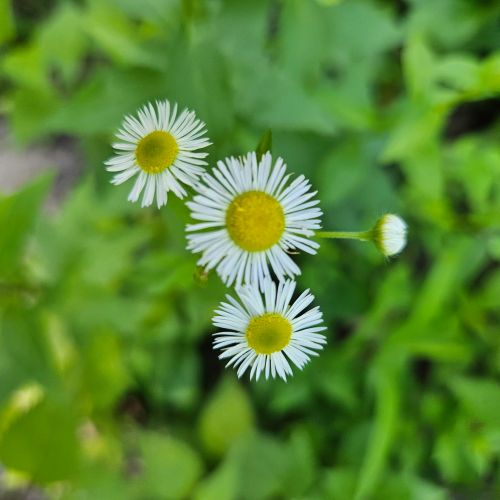
Wildflowers in Pierre Marquette State Park, Illinois

These are my favorite days.

So far today I have mowed the grass, dressed unused flower beds with fresh straw for our cats, made herbal tea from herbs that I grew and dried sweetened with local honey from my BIL.

Now I’m cooking yellow rice to go with the beans I have already cooked.

For lunch, I had a salad with raw spinach, cilantro, a little pickled cabbage, pumpkin and sunflower seeds, and my guilty pleasure – Ranch dressing. Topped with peanuts for more crunch.

I stretched and limbered up in the sun, in the backyard, in the freshly mowed grass.

I have been missing feeling strong. I’m beginning to feel strong again.

Now, back to my glass of herbal tea with lime.

I love hot summer days.

My Journey as a Wellness Guide: Nurturing Mind, Body, and Soul

As a wellness guide, I am here to help you nurture not just your body but also your mind and soul. My passion for holistic well-being stems from my own transformative experience.

Several years ago, I was in the midst of grieving the sudden death of my spouse, followed shortly by the death of my father from cancer. I was overwhelmed by grief, uncontrollable anger, struggling with poor health habits (including smoking and an addiction to drinking soda), and feeling disconnected from my inner self. It was a wake-up call that propelled me onto a path of self-discovery and healing.

Through diligent research, introspection, and a willingness to learn, I experimented with various wellness practices, from mindful meditation to nourishing nutrition. Each step brought me closer to a profound understanding of the interconnectedness of mind, body, and soul.

As I implemented these practices into my daily life, I experienced a remarkable transformation. I found inner peace, vitality, and a renewed sense of purpose. Thankfully I have stopped smoking and I have stopped drinking soda too. Inspired by my own journey, I have committed to sharing these invaluable insights with others.

I am a graduate of the Institute of Integrative Nutrition as a health coach. However, it’s not just the formal training that qualifies me as a wellness guide—it’s the authenticity of my journey and my willingness to share my insights and experiences.

Through this blog, Facebook, and emails (sign up here), I encourage women nearing retirement and empty nesters to begin on their own wellness journey. I believe that true well-being is not a destination but a lifelong pursuit, and I am honored to support others in their quest for health, happiness, and fulfillment.

Let’s go on this transformative journey together, nurturing mind, body, and soul every step of the way.

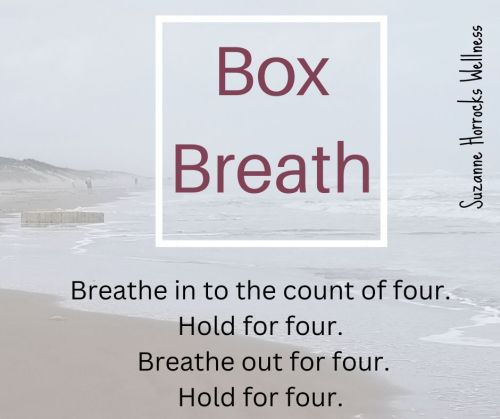
Use this breathing practice to help you fall asleep and anytime you need to calm your nerves.

Honestly, I don’t remember

What was the best compliment you’ve received?

I titled this, honestly, I don’t remember, because honestly, I don’t remember.

Compliments are not something that I hang my hat on. Mostly because I have a feeling that they are insincere.

The feeling is changing though.

As I partake more and more of the “cooperation before competition” mindset, we (by we, I mean the selfhelp mindset shift collective) are giving more compliments sincerely, as opposed to a conversation starter that they used to feel like.

It’s nice. It feels better. Maybe that’s because I feel better. I feel better moving farther away from competition and towards cooperation.

What are your thoughts about cooperation before competition?