How to Make Your Heart Beautiful

Todod los dias la gente se arregla el cabello. Por que no el ❤️?

I have a dear sweet friend that has been collecting art for most of her life. She also used to teach Spanish and traveled (and studied) in Mexico. I asked her to translate this piece. Here’s her response,

“Every day people fix/comb/arrange their hair, why not their heart?” I think the artist is saying fix your heart everyday like you do your hair. Make it a habit to make your heart beautiful


We spend so much time caring for our bodies — eating better, moving more, trying to stay healthy — yet the heart, the very center of our being, often gets overlooked. Not just the physical heart, but the spiritual one — the quiet space inside where love, compassion, and peace live.

Working on making your heart beautiful isn’t about being perfect or endlessly positive. It’s about tending your inner garden — pulling a few weeds, watering what’s growing, and letting more light in. Here are a few ways to do that in everyday life.


🌸 Practice Gentle Awareness

Start by simply noticing how your heart feels throughout the day.
When it feels heavy — pause and breathe.
When it feels open — pause and give thanks.
Awareness alone is healing. It’s like sunlight finding its way through the clouds.


🌿 Forgive Often (Including Yourself)

Nothing makes the heart more radiant than forgiveness. When we let go of resentment, we free ourselves from carrying the past around.
You can even whisper to yourself:

> “I choose to forgive and free my heart.”
You do this not for others, but for your own peace.


💛 Practice Loving-Kindness

Each day, send a quiet blessing — to yourself, to someone you love, to someone you struggle with, and to the world.
It can be as simple as:

> “May you be happy. May you be safe. May you live with ease.”
This practice softens the edges and opens the door to compassion.


🌷 Live from Gratitude

A beautiful heart sees beauty everywhere.
Try keeping a gratitude list — not just for what’s going well, but for what’s teaching you.
Gratitude changes the texture of your heart. It turns pain into wisdom.


🌻 Protect Your Peace

Being kind doesn’t mean you have to say yes to everything.
A beautiful heart also knows when to step back, rest, and protect its energy. Boundaries are an act of self-love — they keep your light strong and your love authentic.


🌼 Be of Service

There’s nothing that beautifies the heart quite like helping someone else.
A kind word, a smile, a listening ear — small acts polish the heart until it shines.
Service connects us, reminding us that love is meant to flow through us, not stop with us.


🌙 Rest and Receive

Your heart, just like your body, needs rest.
Quiet moments — in nature, in stillness, or in meditation — refill the well within you.
Give yourself permission to slow down, to listen, and to receive the peace that’s always been waiting for you.


A beautiful heart isn’t something we earn — it’s something we uncover.
With time, intention, and a little grace, it begins to glow from the inside out — guiding us toward gentler days and deeper love.

A Gentle Reset: 3 Ways to Start Your Month with Intention


There’s something about the beginning of a new month that invites us to pause and take stock. June, with its long days and promise of summer, offers the perfect opportunity to reset—not with pressure or perfectionism, but with gentle intention.

If life has felt a little chaotic or overwhelming lately, know that you don’t need a complete overhaul to feel better. Sometimes the smallest shifts can bring the most meaningful change. Below are three simple, doable ways to start your month with intention and a clear mind.

1. Clear One Space

You don’t need to deep clean your whole house to feel lighter. Start with one small area that you see or use every day—your bedside table, kitchen counter, desk, or even your purse.

Spend ten minutes clearing out anything that doesn’t belong. Wipe the surface clean. Put back only the items that serve a purpose or bring you peace. Add one small thing that makes you smile—a candle, a photo, or a fresh flower from the yard.

Why this matters: Physical clutter creates mental clutter. When you clear one space, you’re sending a message to yourself: “I’m ready for a fresh start.” And every time you pass that clean space, it becomes a visual reminder that you’re choosing calm over chaos.

2. Set a 3-Word Intention for the Month

Instead of setting a long list of goals or resolutions, try choosing just three words to guide your energy for the month ahead.

For example:

  • Rest. Nourish. Simplify.
  • Move. Laugh. Breathe.
  • Create. Connect. Trust.

There’s no wrong way to do this. Choose words that feel like a gentle nudge in the direction you want to go. Write them down and keep them visible—on a sticky note, your phone wallpaper, or in your journal.

Why this matters: Words shape our focus. When you return to your intention words throughout the month, they act as a compass, helping you make small daily choices that align with what really matters.

3. Make a “Yes List”

Instead of focusing on what you need to stop doing, try focusing on what you want to say yes to this month. It could be as simple as:

  • Yes to five quiet minutes before everyone else wakes up.
  • Yes to drinking a glass of water before coffee.
  • Yes to calling someone you miss.
  • Yes to sitting outside after dinner.
  • Yes to bedtime by 10.

Choose 3–5 things that feel doable and uplifting. This isn’t about discipline—it’s about creating small, feel-good habits that support the kind of life you want to live.

Why this matters: Focusing on what you want more of—rather than what you want less of—feels empowering. A “Yes List” creates momentum without pressure. And it makes space for more of what brings you joy, peace, and presence.


A Fresh Start Doesn’t Need to Be Big

We often wait for a major moment—a birthday, a New Year, or a big change—to start over. But every month, every Monday, every morning offers a chance to choose again.

This week, start small. Pick one space to clear. Choose three words to guide you. Say yes to what lifts you up.

You don’t need to have it all figured out. You just need to begin.

And June? It’s a beautiful place to begin.


Want more like this?
If this post spoke to you, I invite you to share it with a friend who could use a gentle reset, too. And if you’re looking for more practical, encouraging ways to take care of yourself, stay connected—there’s more to come each Monday this month.


Mindfulness Made Simple: How to Find Peace in Everyday Moments


Feeling overwhelmed? Try this.

Have you ever felt like your mind was running a mile a minute—jumping from one worry to the next, barely catching a breath? If so, you’re not alone. Many of us spend our days in a mental rush, juggling tasks, responding to texts, and reacting to life as it comes at us. But here’s the truth: peace is available to us, even in the busiest moments. And the path to it starts with something simple—mindfulness.

Mindfulness isn’t a trend or a fancy technique. It’s the art of paying attention to your life as it happens, without judgment. It’s noticing how your coffee tastes in the morning, how the sun feels on your skin, or how your chest rises and falls as you breathe. And best of all, you don’t need hours of free time or any special tools. Just a few minutes a day can help you feel calmer, more grounded, and more present in your own life.

Let’s explore a few easy mindfulness practices you can start today.


1. The Power of a Deep Breath

When was the last time you took a slow, full breath? Not the quick, shallow kind we do on autopilot, but a real, intentional breath?

Try this:

  • Sit or stand comfortably.
  • Close your eyes or lower your gaze.
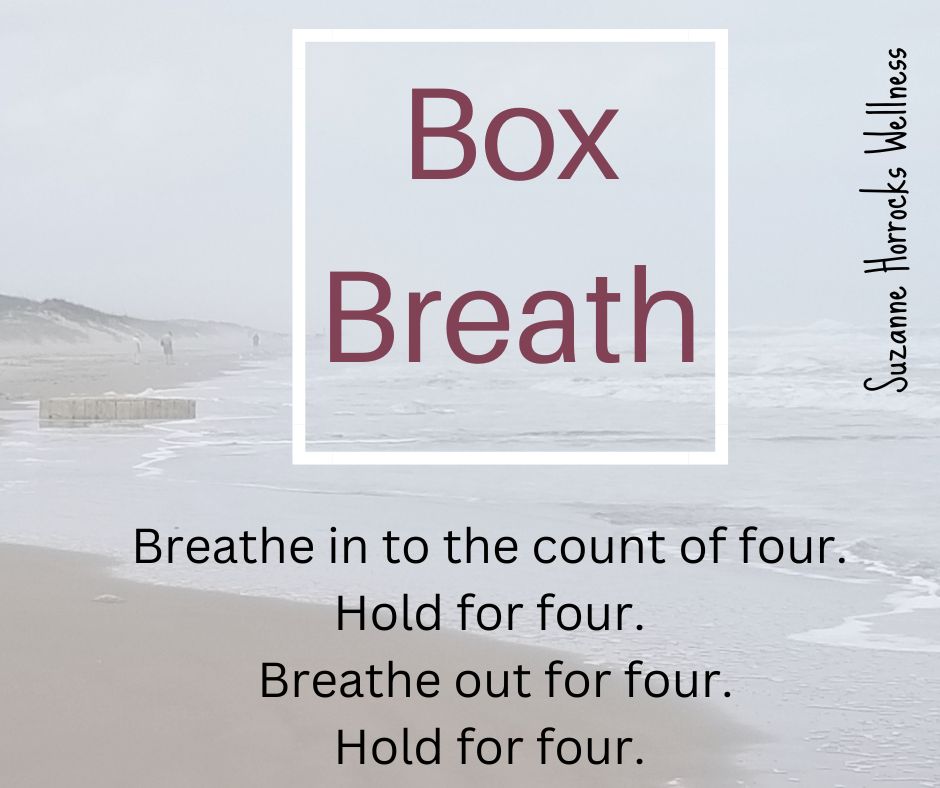
  • Inhale slowly through your nose for a count of four.
  • Hold that breath for a count of four.
  • Exhale slowly through your mouth for a count of four.
  • Repeat this cycle three to five times.

This simple “box breathing” technique can lower your heart rate, calm your nervous system, and bring you back to the present. It only takes one minute, but it can shift your entire mood.

Whenever you feel overwhelmed, anxious, or disconnected, come back to your breath. It’s always there, waiting to anchor you.


2. Gratitude Journaling: A Shift in Focus

It’s easy to focus on what’s missing in life—what didn’t get done, what’s gone wrong, or what we wish we had. But gratitude shifts the spotlight. It helps us see what’s already here and what’s working.

Here’s how to start a simple gratitude practice:

  • Get a notebook or open a notes app on your phone.
  • Every morning or evening, write down three things you’re thankful for.
  • They can be big (“My health”) or small (“The way my dog greeted me today”).

Some days, it might feel hard to find anything. On those days, start with the basics: a warm bed, running water, a kind smile from a stranger.

Writing it down makes it real. Over time, this habit trains your brain to look for the good—even on hard days.


3. One-Minute Mindfulness Moments

You don’t need to carve out a full hour to practice mindfulness. In fact, some of the most powerful moments happen in just 60 seconds.

Here are a few ideas:

  • Mindful Coffee: As you sip your morning coffee or tea, pause. Notice the warmth in your hands. The aroma. The taste. Let it be a quiet moment just for you.
  • Mindful Walks: Even if it’s just from your car to your front door, slow down. Feel your feet on the ground. Listen to the sounds around you. Let go of your to-do list for just a few steps.
  • Mindful Hand-Washing: Instead of rushing, feel the water, the soap, the sensation. These small pauses can turn routine into ritual.

4. The Magic of Being Where You Are

Have you ever read a page in a book and realized you didn’t absorb a single word? Or eaten an entire meal while scrolling your phone, barely tasting a bite?

We spend a lot of time disconnected from what we’re doing. Mindfulness invites us back.

You don’t have to change your life. Just change how you show up in it.

  • When you’re with someone, really listen.
  • When you eat, slow down and enjoy it.
  • When you walk, breathe deeply and look around.

These small acts are powerful. They remind us we’re alive—not just surviving, but living.


Why It Matters

Mindfulness won’t erase life’s challenges. But it will change the way you face them. It softens the edges of anxiety. It builds resilience. It creates space between what’s happening and how you choose to respond.

And perhaps most importantly, it helps you reconnect—to yourself, to the people around you, and to the beauty that still exists in the world, even on hard days.

You deserve moments of peace. You deserve to feel present in your own life. And you don’t need a retreat or a yoga mat to find it. Just a breath, a pause, a little gratitude—and a gentle willingness to begin.


Want More Like This?

If this message speaks to you, I invite you to explore more simple wellness practices on my blog. You can also follow me on Facebook and Pinterest for inspiration, tips, and encouragement for living a calmer, more connected life.

You don’t have to do it all. You just have to begin.


What Do You Want to Learn About Wellness?


When it comes to health and wellness, there’s no one-size-fits-all approach. We all have different needs, different challenges, and different goals. Some of us want to feel more energetic, some want to manage stress better, and others just want simple, realistic ways to take better care of ourselves.

That’s why I want to hear from you.

What questions do you have about wellness? What’s been on your mind when it comes to feeling your best? Whether you’re curious about healthy habits, self-care, movement, mindfulness, or anything in between, I want to make sure the content I share is helpful and relevant to you.

Wellness That Fits Your Life

There’s so much information out there about health, fitness, and self-care—sometimes it’s overwhelming. One expert says one thing, another says the opposite. It’s easy to get stuck in a cycle of reading, researching, and overthinking instead of taking small steps that actually make a difference.

That’s why I focus on real-life wellness—the kind that fits into your daily routine without feeling like another chore on your to-do list. I want to help you find what works for you rather than giving you a long list of things you “should” be doing.

But to do that, I need to know what you’re struggling with or what you’d like to learn more about.

Common Wellness Questions—Do Any of These Sound Like You?

If you’re not sure where to start, here are some common wellness topics people often ask about:

  • Simple ways to boost energy without relying on caffeine
  • How to create a self-care routine that actually works
  • Easy meal ideas for busy days
  • How to improve sleep naturally
  • Ways to stay consistent with healthy habits
  • Mindfulness and stress relief techniques that don’t take much time
  • How to move your body in ways that feel good, not like punishment

Do any of these resonate with you? Or do you have something else on your mind when it comes to wellness? Let me know—I’d love to create content that supports you on your journey.

Let’s Make Wellness Simple and Doable

Wellness doesn’t have to be complicated. It doesn’t have to be about strict diets, exhausting workouts, or rigid routines. Instead, it can be about small, sustainable choices that help you feel better—not overwhelmed.

So tell me, what do you want to learn more about? Drop your thoughts in the comments or send me a message. Your input will help shape future blog posts, emails, and community discussions.

I’m here to support you in a way that makes sense for your life. Let’s build a wellness journey that feels good—together.


Simple Self-Care Rituals to Start the New Year Strong

The start of a new year is the perfect time to embrace small changes that can make a big difference in your life. You don’t need a long list of resolutions or drastic measures to feel your best. Instead, focus on simple, sustainable self-care rituals that fit easily into your daily routine.

Here are five easy ways to start the year feeling refreshed, balanced, and ready to take on whatever comes your way.

1. Begin Your Day with Intention

How you start your morning sets the tone for your entire day. Take a few minutes each morning to ground yourself. This could mean sitting quietly with your coffee or tea, writing a quick to-do list, or practicing a moment of gratitude. For example, jot down three things you’re thankful for or something you’re looking forward to that day. This small act can shift your mindset and help you approach your day with a positive outlook.

2. Stay Hydrated

Drinking enough water is one of the easiest self-care habits to maintain, yet it’s often overlooked. Proper hydration boosts energy, supports digestion, and helps you feel more focused. Keep a reusable water bottle nearby and sip throughout the day. If plain water feels boring, add slices of lemon, cucumber, or a handful of berries for natural flavor. Aim for at least eight glasses a day, but listen to your body—it’ll let you know when you need more.

3. Move Your Body Daily

You don’t need to commit to an intense workout routine to feel the benefits of movement. Gentle activities like a 10-minute walk, light stretching, or dancing to your favorite song can work wonders for your mood and energy levels. Find something you enjoy, and don’t worry about perfection. The key is consistency—a little movement each day can add up to big results over time.

4. Simplify Your Meals

Eating well doesn’t have to be complicated. Start by adding one extra fruit or vegetable to your meals each day. Choose foods that make you feel good and provide the energy you need to tackle your day. A simple breakfast of oatmeal with fresh berries or a quick salad with your favorite toppings at lunch can keep you nourished without overwhelming your schedule.

5. Unplug and Recharge

In a world that never seems to slow down, taking breaks from technology can be a form of self-care. Set aside 30 minutes each evening to unplug from screens. Use this time to read, journal, or simply relax. Giving your mind a break from constant stimulation helps improve sleep and leaves you feeling more present in your daily life.

Final Thoughts

Self-care doesn’t have to be time-consuming or complicated. By focusing on small, achievable habits, you can create a foundation of well-being that supports you all year long. Start with one or two rituals from this list, and see how they make you feel. Remember, self-care is not about being perfect; it’s about showing up for yourself in ways that feel good and sustainable. Here’s to a happy, healthy new year!

Relieve Stress with Simple Mindfulness Practices

A middle-aged woman of color sitting outdoors in a relaxed environment, practicing a breathing exercise to relieve stress and anxiety. She appears calm and focused, with her eyes closed and her hands resting gently on her lap, surrounded by nature.

Stress and anxiety are part of life, but they don’t have to control it. If you’ve been feeling overwhelmed, you’re not alone. Many of us face daily stress from work, family, or just trying to balance everything. The good news? There are simple techniques you can practice to help reduce stress and bring more calm into your life. Let’s explore two powerful tools: guided meditation, and breathing exercises.

1. Guided Meditation

Guided meditation is a fantastic way to calm your mind and ease anxiety. If you’ve never meditated before, don’t worry, guided meditation makes it easy by providing step-by-step instructions, often with a soothing voice leading you through the process.

During a guided meditation, you might focus on your breath, a peaceful scene, or a specific thought that brings you calm. The aim is to gently pull your mind away from the chaos of daily life and into a state of peace. Studies have shown that regular meditation can lower cortisol levels, the hormone responsible for stress. Just 5-10 minutes a day can make a big difference.

You can try free guided meditation apps. I use an app called Moonly, or there is a wide range of guided meditations on YouTube.

If you’re new to meditation, starting with a guided session is a great way to feel comfortable and get the most out of your practice.

2. Breathing Exercises

Breathing exercises are another simple but effective way to reduce stress. When we’re anxious, our breathing becomes shallow, signaling to our body that we’re in danger. This can trigger the “fight or flight” response, making us feel even more stressed. By practicing deep, controlled breathing, we can reverse this process, telling our body and mind to relax.

A popular breathing technique is the 4-7-8 method:

  • Inhale through your nose for 4 seconds.
  • Hold your breath for 7 seconds.
  • Exhale slowly through your mouth for 8 seconds.

Doing this just a few times can quickly reduce tension and bring a sense of calm. (I use this at night, after I’ve gone to bed. It never fails to help me fall asleep.)

Anytime you feel stress building, take a moment to practice this breathing technique. It’s easy to do anywhere—whether you’re at home, work, or even in the car. With practice, it can become your go-to tool for managing anxiety.

Final Thoughts

Stress and anxiety don’t have to dominate your life. With simple mindfulness practices like guided meditation and breathing exercises, you can take back control and feel more relaxed. If you’re ready to explore these techniques further and find what works best for you, I’m here to help. Contact me today for a personalized session, and let’s work together to bring more calm into your everyday life.