Grace and ease

Wellness Guidance

I want to make a difference in people’s lives, in the health and wellness arena, specifically I want to guide people in living a wellness lifestyle with grace and ease.

Widow & Empty Nestor

As a widow whose is grappling with an empty nest, I have come to rely on, (more like depend on), wellness practices to keep from “going off the deep end.” Do you ever feel like you are on the tip of falling off a ledge that you may not be able to recover from?

That was me a few years ago.

To make a long story short, I have a few wellness practices that I can rely on to help me live life with grace and ease.

Here’s the definition of living life with grace and ease, according to AI.

“Living life with grace and ease is about finding a sense of inner peace and calmness that allows you to navigate life’s challenges with resilience and composure. It’s about accepting that life will have its ups and downs, but approaching them with a gentle strength and a positive attitude.

I couldn’t have said it better myself.

Follow along with me to learn some wellness practices that I’m sure will help you too.

Cheers

🚨Wellness Reminder🚨

🌟 Are you sipping soda more often than water? 🥤

💧 Let’s talk about how that can impact your hydration levels.

🚫 While soda might seem like a refreshing choice, it can actually lead to dehydration.

Here’s why:

1️⃣ High Sugar Content: Most sodas are loaded with sugar, which can actually increase your body’s need for water to process it. When you consume sugary drinks, your body works overtime to balance out the sugar levels, which can leave you feeling parched.

2️⃣ Caffeine Effect: Many sodas contain caffeine, which is a diuretic. This means it can increase urine production, leading to fluid loss and ultimately dehydration. Remember, caffeine can be dehydrating, so it’s essential to balance your intake with water.

3️⃣ Empty Calories: Soda provides little to no nutritional value, leaving you feeling unsatisfied and potentially craving more unhealthy snacks. Opting for water or other hydrating beverages can keep you feeling full and energized without the added calories and dehydration risk.

🌊 Stay Hydrated, Stay Healthy: Remember to prioritize water as your main source of hydration throughout the day. Aim for at least 8 glasses (64 ounces) daily, or adjust based on your activity level and climate.

✨ Let’s make choices that support our well-being, starting with staying hydrated! Swap out that soda for a refreshing glass of water and feel the difference it makes in your energy levels and overall health. Your body will thank you! 💦

Click here to begin your healthy lifestyle.

My Journey as a Wellness Guide: Nurturing Mind, Body, and Soul

As a wellness guide, I am here to help you nurture not just your body but also your mind and soul. My passion for holistic well-being stems from my own transformative experience.

Several years ago, I was in the midst of grieving the sudden death of my spouse, followed shortly by the death of my father from cancer. I was overwhelmed by grief, uncontrollable anger, struggling with poor health habits (including smoking and an addiction to drinking soda), and feeling disconnected from my inner self. It was a wake-up call that propelled me onto a path of self-discovery and healing.

Through diligent research, introspection, and a willingness to learn, I experimented with various wellness practices, from mindful meditation to nourishing nutrition. Each step brought me closer to a profound understanding of the interconnectedness of mind, body, and soul.

As I implemented these practices into my daily life, I experienced a remarkable transformation. I found inner peace, vitality, and a renewed sense of purpose. Thankfully I have stopped smoking and I have stopped drinking soda too. Inspired by my own journey, I have committed to sharing these invaluable insights with others.

I am a graduate of the Institute of Integrative Nutrition as a health coach. However, it’s not just the formal training that qualifies me as a wellness guide—it’s the authenticity of my journey and my willingness to share my insights and experiences.

Through this blog, Facebook, and emails (sign up here), I encourage women nearing retirement and empty nesters to begin on their own wellness journey. I believe that true well-being is not a destination but a lifelong pursuit, and I am honored to support others in their quest for health, happiness, and fulfillment.

Let’s go on this transformative journey together, nurturing mind, body, and soul every step of the way.

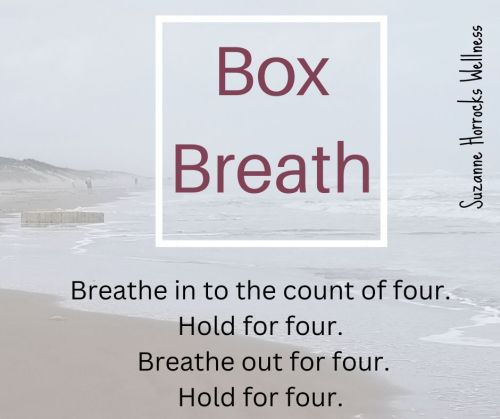
Use this breathing practice to help you fall asleep and anytime you need to calm your nerves.

Honestly, I don’t remember

What was the best compliment you’ve received?

I titled this, honestly, I don’t remember, because honestly, I don’t remember.

Compliments are not something that I hang my hat on. Mostly because I have a feeling that they are insincere.

The feeling is changing though.

As I partake more and more of the “cooperation before competition” mindset, we (by we, I mean the selfhelp mindset shift collective) are giving more compliments sincerely, as opposed to a conversation starter that they used to feel like.

It’s nice. It feels better. Maybe that’s because I feel better. I feel better moving farther away from competition and towards cooperation.

What are your thoughts about cooperation before competition?

Stop Drinking Soda Testimonial

Jenny Graves, Cancer survivor & Author

Jenny Graves, naturopath, cancer survivor, and author of Naturally Support Cancer Treatment has this to say about the Stop Drinking Soda Guidebook.

The book is clear and understandable, as well as easy to follow. It provides practical and actionable steps toward improving your wellness.

I was completely engaged throughout the entire guidebook as it resonates and aligns with my goals and values.

Two pieces of advice that I would add are:

The risk of osteoporosis increases with the consumption of soft drinks because of their high phosphoric acid content.

and

A reminder that “if you fall of the wagon, dust yourself off and get back on again.” Having a bad day is no reason to give up.


Click here to begin your wellness journey.

Switch your bad habits for good ones

The Power of Small Steps with Big Results

Are you ready to unlock the potential for positive change in your life? It’s time to embark on a journey of transformation by mastering your habits, one small step at a time.

You see, habits are like the building blocks of our lives. They shape our daily routines, influence our behaviors, and ultimately determine our outcomes. But breaking free from bad habits and embracing good ones can feel like an overwhelming task, right?

Well, I’m here to tell you that change doesn’t have to be daunting. In fact, it’s often the small, consistent actions that lead to the most significant results. That’s why I’m excited to share with you some simple yet powerful strategies for transforming your habits and reclaiming control over your life.

The #1 thing to do to break a bad habit is to admit that you have it. I recommend starting there. Start changing one habit. And start small. Baby steps will get you where you are going.

Now that you know which bad habit you are going to start with, decide which good habit that you want to replace it with. You need to fill that void.

Simple Yet Powerful Strategies

Write down the new habit that you want to adopt.
Tell your accountability partner about it.
Make it easy.
Use reminders.
Stack your new habit with another habit you already have, commonly referred to as habit stacking. i.e. brushing your teeth, brewing coffee in the am, walking the dog, etc.

Here’s a helpful acronym:
T.A.G. – Tiny. Achievable. Goal

Often, we get derailed from our good intentions because we get overwhelmed. Breaking a new habit down into bite sized pieces makes it much easier to adopt and internalize thereby making it a habit.

See what I did there? T.A.G.

Small Steps With Big Results

So, are you ready to take the first step towards a healthier, happier you?

Here’s to small steps and big results!

Remember, every small action you take towards breaking bad habits and forming good ones brings you one step closer to the life you’ve always dreamed of. You can make it happen. I believe in you.

Sound bath with stretching

My Sunday morning selfcare was playing a flute sound bath while stretching.

What are you doing for selfcare today?

Embracing the Journey of Aging

Aging successfully

As we gracefully navigate the journey of life, embracing the process of aging is an integral part of our well-being. Today, I want to share some simple yet powerful tips that can help you age successfully, focusing on taking care of your physical, mental, and cognitive health.

Taking Care of Your Physical Health:

  1. Stay Active:
    Embracing an active lifestyle doesn’t necessarily mean hitting the gym for intense workouts. Find activities you enjoy, whether it’s a leisurely walk, dancing to your favorite tunes, or tending to your garden. Physical activity not only benefits your body but also lifts your spirits.
  2. Make Healthy Food Choices:
    Nourishing your body with wholesome foods is key to aging well. Include a variety of fruits, vegetables, whole grains, and lean proteins in your diet. Stay hydrated by drinking enough water throughout the day. Remember, it’s not about restriction but about choosing foods that make you feel good.
  3. Get Enough Sleep:
    Quality sleep is a cornerstone of good health. Establish a bedtime routine that helps you unwind, and create a comfortable sleep environment. Aim for 7-9 hours of sleep per night to support your body’s natural rejuvenation process.

Taking Care of Your Mental Health:

  1. Practice Mindfulness:
    Incorporate mindfulness into your daily routine. Whether it’s a few minutes of deep breathing, meditation, or simply being present in the moment, these practices can help reduce stress and enhance your mental well-being.
  2. Cultivate Social Connections:
    Surround yourself with positive relationships. Spend time with loved ones, engage in activities that bring you joy, and foster meaningful connections. Social support is a powerful buffer against the challenges that life may present.
  3. Embrace Learning and Creativity:
    Keep your mind active and engaged. Pursue hobbies, learn new skills, and embrace your creativity. Whether it’s reading, painting, or solving puzzles, these activities stimulate your brain and contribute to mental agility.

Taking Care of Your Cognitive Health:

  1. Challenge Your Brain:
    Keep your mind sharp by engaging in activities that challenge your cognitive abilities. Crossword puzzles, sudoku, or learning a new language are excellent ways to exercise your brain and promote cognitive health.
  2. Prioritize Stress Management:
    Chronic stress can negatively impact cognitive function. Practice stress-reduction techniques such as deep breathing, yoga, or spending time in nature. Find what works for you and make it a regular part of your routine.
  3. Stay Curious and Open-Minded:
    Approach life with curiosity and an open mind. Be willing to explore new ideas, embrace change, and adapt to the evolving world around you. A curious mind remains vibrant and continues to grow.

Remember, aging is a natural and beautiful part of life. By incorporating these simple practices into your daily routine, you’re not only taking care of your physical, mental, and cognitive health but also savoring the richness that each stage of life brings.

Wishing you joy, vitality, and fulfillment on your journey of aging gracefully.

Down a rabbit hole again

Hello. I am Suzanne Horrocks

I am finally writing a memoir!!

It’s about a widow (me) determined to get through the grief process with her mental health intact.

I haven’t written a book before and am finding it quite difficult. I see why it’s called a craft. It’s takes a lot of trial and error to “craft” a good sentence, paragraph, or chapter.

I finally created an outline that feels right. One of the chapters is about selling our house.

It’s the first chapter I have really started digging in to and DAMN it’s hard!!

I knew it was going to be therapeutic for me to write it. But trying to keep a reader in mind or to keep the story flowing takes a lot more work than what you see in a book.

I’m going into some rather deep rabbit holes. For one, because the hole opens and I dive right in. I do that because writing this memoir is as much for me as it is for the readers.

So anyway, the advice I have heard says 30,000 to 40,000 words is a good size. With ten chapters, that’s 4,000 words each. I have ten chapters in my outline. I’m going for 4,000 words each.

I hand wrote most of this chapter first.

Then I typed the notes in to a computer file. The word count was just over 2,000 and I have only written about packing up the house. So, yay!!!!

Now I’m beginning to write about the real estate agent and the whole process I went through. I plunged head first into a rabbit hole about judgement, self confidence, and creativity. One just lead seamlessly into the next.

I can see why writing a memoir is therapeutic!! I’m diving deep. Or am I procrastinating? Ohhhhh, another rabbit hole I can distract myself with.

Ok now. I’m going back to the chapter. Thank you for reading this.

A pretty picture for no real reason.