A Holistic Approach to Health and Wellness

Middle-aged woman, thriving

Simple Habits for a Thriving Life

In a world that often pressures us to focus on quick fixes and isolated goals—like crash diets for weight loss or an intense gym routine to “get in shape”—it’s easy to feel overwhelmed and burnt out. The truth is, genuine, long-lasting wellness isn’t achieved through extremes; it’s a journey built on a foundation of integrated, balanced habits.

Welcome to the power of a holistic approach to health and wellness.

At SuzanneHorrocka.com, we believe that you are a whole being—not just a collection of separate parts. True vitality springs from nurturing your mind, body, and spirit equally. Adopting holistic healthy habits means stepping back and viewing your health as an interconnected system. When one area thrives, it lifts the others, creating a powerful synergy for a joyful, energetic, and sustainable life.

Ready to stop chasing fleeting fads and start creating a life of balance? Let’s dive into the core pillars of true mind body wellness and the simple, impactful habits you can start building today for a truly healthy lifestyle.


🥗 Pillar 1: Nourishment—The Fuel for Your Body and Mind

What you eat is the literal building block of your physical health, but it also profoundly impacts your mood, energy levels, and cognitive function. This pillar is about more than just counting calories; it’s about intentional, nourishing choices.

The Habit of Whole Foods

Focus on incorporating more whole, unprocessed foods into your daily diet. Think vibrant vegetables, lean proteins, healthy fats, and complex carbohydrates.

  • Mindful Eating: Slow down. Chew thoroughly. Put away the screen and pay attention to the textures and flavors of your meal. This simple act transforms eating from a hurried task into a moment of self-care.
  • Hydration is Key: Your body is over 60% water. Start your day with a large glass of water, and carry a water bottle throughout the day. Optimal hydration impacts everything from energy and digestion to clear skin and mental clarity.
  • Embrace Color: Try to “eat the rainbow” every day. The different colors in fruits and vegetables represent different vitamins and antioxidants, ensuring you get a broad spectrum of nutrients.

By creating healthy eating habits, you are laying the physical groundwork for emotional and mental resilience.


💪 Pillar 2: Movement—The Joy of an Active Body

Our bodies were designed to move. Movement isn’t punishment; it’s a celebration of what your body can do and a powerful tool for mood regulation. This pillar encompasses everything from a challenging workout to a gentle stretch.

The Habit of Daily Motion

Forget the pressure of a two-hour gym session. Consistency is the secret weapon for a healthy lifestyle.

  • Walk More: It’s arguably the most underrated form of exercise. A brisk 30-minute walk can clear your head, boost your metabolism, and get you your daily dose of Vitamin D (if you’re outdoors).
  • Find Your Joy: If you hate running, don’t run! Choose an activity that genuinely brings you happiness, whether it’s dancing, gardening, hiking, or swimming. When you enjoy it, it becomes a sustainable habit, not a chore.
  • Stretch and Mobilize: Dedicate five to ten minutes each day to light stretching or foam rolling. This improves flexibility, reduces muscle tension, and supports better posture—all vital components of physical wellness as we age.

🧠 Pillar 3: Inner Peace—Tending to Your Mental and Emotional Self

This is where the holistic difference truly shines. Your mental and emotional state dictates your stress levels, your relationships, and your overall outlook on life. Prioritizing this area is non-negotiable for holistic wellness.

The Habit of Mindful Connection

Modern life is loud. Creating space for silence and reflection is the antidote to chronic stress.

  • Schedule Rest: Rest is productive. It is when your body repairs and your brain consolidates memories. Ensure you’re getting 7-9 hours of quality sleep. This simple habit is the single most powerful health hack available.
  • Practice Meditation or Deep Breathing: Even five minutes a day can rewire your brain for calmness. Deep breathing (diaphragmatic breathing) immediately activates your parasympathetic nervous system, telling your body it’s safe and reducing cortisol.
  • Journal for Clarity: Unload the mental clutter onto a page. Journaling for just a few minutes can help you process emotions, identify stressors, and track patterns that are impacting your emotional health.

By focusing on mind body wellness, you stop reacting to stress and start responding to life with thoughtful intention.


🌟 Pillar 4: Purpose and Connection—Fueling Your Spirit

A sense of purpose and strong social connections are often overlooked in traditional health plans, yet they are crucial for a fulfilling and resilient life. This pillar is about feeling connected to something bigger than yourself.

The Habit of Growth and Contribution

A vibrant spirit comes from engaging with the world and continuing to grow.

  • Connect Authentically: Nurture your relationships with friends and family. Social connection is a powerful health determinant, lowering the risk of anxiety and depression. Schedule that phone call or coffee date.
  • Learn Something New: Engage your intellectual wellness by reading a new book, learning a language, or picking up a hobby. Challenging your brain keeps it agile and engaged.
  • Practice Gratitude: Every evening, write down three things you are genuinely grateful for. This simple spiritual habit shifts your focus from what is lacking to the abundance already present in your life.

🔑 Your Next Step on the Path to Holistic Health

The secret to building healthy habits for life isn’t doing everything all at once. It’s about taking one small, manageable step and making it non-negotiable.

Don’t overhaul your entire life today. Instead, choose one holistic healthy habit from the list above—perhaps drinking a glass of water before your coffee, or taking a five-minute walk after lunch—and commit to it for seven days. Once that habit feels effortless, layer on the next one.

The journey to true holistic health is a gentle, steady climb, not a sprint. Be patient with yourself, celebrate the small victories, and remember that every choice you make is an investment in your whole, wonderful self.


Which of these holistic healthy habits are you going to commit to this week? Share your pledge in the comments!

Daily Prompt Nov 17th

What is your favorite place to go in your city?

Excellent question!

My favorite place to go in my small town (rural north east Missouri) is the Mississippi River front. There’s a huge parking lot, a boat ramp, and an area with shade trees and picnic tables. (Also easy parking there.) There’s even two gazebos, perfect for chatting, storytelling, socializing, etc.

We enjoy stopping by there to see the moon rise over the water, and watching birds and barge traffic.

It’s easy to see the river as a support system for nature, i.e. plants and animals. Especially trees. The driftwood is amazing!

It’s also easy to see the transportation route the river creates. There’s train tracks running along, and across, it. The barge traffic also showcases the trade route.

I love imagining the original people of the area using canoes or handmade rafts to visit and trade with family, friends, and community members.

The Mississippi River front park is my favorite place to go in my small town.

Both/And: Choosing Wholeness Instead of Either/Or


Mindset shift

Life often presents us with choices that feel like a tug-of-war. We’re told we have to pick one side or the other—this or that, black or white, right or wrong. But what if the truth, and the peace we’re searching for, lies not in either/or but in both/and?

This gentle shift in thinking can change the way we live, love, and even care for ourselves. Let’s explore how embracing “both/and” can bring more balance, freedom, and wholeness into everyday life.


What Does “Both/And” Mean?

“Both/And” is a mindset that allows us to hold two truths at once, even if they seem opposite. Instead of reducing life to a narrow choice, it opens the door to possibility.

Think about these examples:

  • You can be strong and still feel vulnerable.
  • You can want change and still feel grateful for where you are.
  • You can be independent and still ask for help.

Life is rarely as simple as an “either/or.” When we give ourselves permission to live in the “both/and,” we stop forcing ourselves into boxes and start living more authentically.


Why “Either/Or” Thinking Feels So Limiting

Most of us were raised in a culture that rewards clarity and certainty. “Pick a side,” “make a decision,” or “choose wisely” were phrases we heard growing up. While decision-making is important, this mindset can create unnecessary stress and guilt.

Here are a few ways “either/or” thinking can hold us back:

  1. It creates pressure. Believing we must choose one right answer can leave us feeling stuck.
  2. It breeds self-judgment. If we choose one side and later wish we had chosen the other, guilt can creep in.
  3. It blocks creativity. Either/or limits us to two paths, while both/and allows for new ideas.

The Power of “Both/And” in Everyday Life

Shifting to a “both/and” mindset can feel like a breath of fresh air. It gives space for compassion, curiosity, and growth. Here are some ways it can show up in daily life:

1. Emotions

It’s normal to feel conflicting emotions. You can be excited about a new opportunity and nervous at the same time. Recognizing this helps you honor your full emotional experience without judgment.

2. Relationships

You can set boundaries and still be loving. You can forgive someone and still feel hurt. Healthy relationships thrive when we allow room for both/and.

3. Personal Growth

You can celebrate how far you’ve come while still reaching for new goals. Gratitude and growth are not opposites—they walk hand in hand.

4. Health and Wellness

You can enjoy dessert and still care about nourishing your body. You can rest and still be productive. Wellness isn’t about rigid choices—it’s about balance.


How to Practice a “Both/And” Mindset

Like any new habit, this shift takes practice. Here are some gentle ways to begin:

Notice Your Language

Pay attention to how often you use “either/or” words like but or should. Try replacing them with and. For example:

  • Instead of “I want to exercise, but I’m tired,” try, “I want to exercise, and I’m tired.”
    This opens the door to finding solutions that honor both truths.

Practice Curiosity

When you feel stuck between two options, ask: “What would it look like to hold both?” This question can spark creative answers that weren’t visible before.

Give Yourself Permission

Sometimes we need to remind ourselves it’s okay to feel two things at once. Write a note, repeat an affirmation, or take a breath when you notice inner conflict.

Try: “I allow myself to hold both truths with compassion.”

Slow Down

Both/and thinking requires space. Instead of rushing to a decision, pause and listen to what your body, mind, and heart are saying. Answers often emerge with time.


Why This Shift Supports Inner Peace

When we allow life to be “both/and,” we free ourselves from perfectionism. We stop trying to fit into rigid categories and instead embrace the fullness of being human.

This shift can lead to:

  • Less guilt over your choices
  • More compassion toward yourself and others
  • Greater creativity in problem-solving
  • Deeper relationships built on understanding and acceptance

Final Thoughts: Wholeness Over Perfection

Life doesn’t have to be a constant tug-of-war. By choosing “both/and” over “either/or,” we step into a more spacious way of living—one that honors complexity, balance, and truth.

The next time you feel pulled to choose sides, pause and ask: “What if both can be true?”

Wholeness lives in that question. Freedom lives there, too.


Simple Summer Wellness: 4 Tiny Habits That Make a Big Difference

Simple Summer Wellness

When summer rolls around, we often set big goals—more sunshine, better routines, healthier meals, longer walks. But let’s be honest: the heat, busy schedules, and constant noise can make even the best intentions feel like too much.

The truth is, you don’t need a complete life overhaul to feel better. Small, consistent habits can shift your entire day. And when it’s hot, crowded, or chaotic, tiny is just the right size.

Here are 4 tiny summer habits that are easy to keep and powerful enough to help you feel more grounded, refreshed, and in control—no matter what the season throws your way.


1. Drink Water Before Anything Else

You’ve heard it before, but it’s worth repeating: hydration changes everything. And during the summer months, when heat and sun can leave you feeling sluggish, starting your day with a glass of water can help you wake up faster and feel more alert.

I have been doing this for a long time. I drink a 10 ounce glass of water every morning, after setting up the coffee pot, before drinking any coffee (or anything else). While I”m waiting for the coffee to brew, I have already started rehydrating myself.

This is my #1 healthy habit I have formed in the last eight years.

Try this: Keep a glass of water beside your bed. When you wake up, take a few sips, or do as I do and have a glass of water while your coffee brews. It’s a small act that sets the tone for better choices all day.

Why it helps: Overnight, your body loses water—even more so if you’re sleeping in a warm room. Rehydrating first thing supports digestion, improves mood, and boosts energy.


2. Go Outside First Thing in the Morning

Before the day heats up, take 5–10 minutes outside. You don’t have to run or even walk far. Just step onto your porch, balcony, or backyard. Stand barefoot on the grass, breathe in the fresh air, and feel the sunlight on your face.

Try this: Make it part of your morning routine. Take your coffee or tea outside. Water your plants. Listen to the birds. Keep your phone inside.

Why it helps: Natural light first thing in the morning helps set your internal clock, improves sleep later, and gently shifts you out of “rush mode.” You’ll feel calmer, more focused, and more connected to your day.


3. Pause Midday for a Screen-Free Break

It’s easy to get swept up in scrolling, news updates, or never-ending to-do lists. But your brain needs space to reset—and summer is the perfect time to step away for even just a few minutes.

Try this: Set a reminder for a 10-minute break in the middle of your day. Turn off your phone, walk to a window, stretch, or sit in silence. If you’re working from home or on the go, you can still pause. The key is to actually pause.

Why it helps: Stepping away from screens for just a few minutes helps reduce stress and eye strain. It gives your mind a chance to reset and helps you come back to your tasks with more clarity and patience.


4. End the Day with One Good Thought

It’s easy to end the day thinking about what didn’t get done, what went wrong, or what needs fixing tomorrow. But you can train your mind to notice the good—and it starts with one small habit.

Try this: Before bed, jot down one thing that went well today. It can be as simple as “I took a walk” or “I made time to rest.” Keep a notebook by your bed.

Why it helps: Positive reflection helps you shift out of stress and into rest. It creates a sense of closure and helps your brain settle for better sleep. Over time, it builds a habit of noticing progress instead of pressure.


The Power of Tiny Shifts

You don’t have to change your entire life to feel better this summer.
Start with one of these small habits:

  • A glass of water
  • A few minutes outside
  • A midday pause
  • One good thought before bed

These aren’t big, fancy fixes. They’re steady, doable steps that add up over time.
And sometimes, that’s exactly what we need—just a little space to breathe, reset, and reconnect with ourselves.


Need a little nudge to get started?
Download this Habit Tracker to help you stay consistent with these small shifts. Print it out or keep it on your phone to check off each day—you’ll be amazed at how much better you feel by the end of the week. It’s free, btw.


7 Pillars of Self-Care for a Balanced Life

When most people hear “self-care,” they think of bubble baths, face masks, or maybe treating themselves to a latte. While those things can be enjoyable, real self-care goes deeper. It’s about creating a life that feels good on the inside, not just one that looks good on the outside.

In this post, we’ll explore the 7 pillars of self-care—a well-rounded way to support your body, mind, and spirit. These pillars aren’t fancy or complicated. They’re simple, doable, and powerful. Let’s dive in.


1. Physical Self-Care: Take Care of Your Body

This is the most obvious kind of self-care, but it’s often overlooked. Physical self-care means taking care of your body so it can take care of you.

Some basics:

  • Move your body regularly. Walking, stretching, dancing in your kitchen—it all counts.
  • Get enough sleep. Most adults need 7–9 hours a night.
  • Eat foods that fuel you. You don’t need to be perfect—just aim for balance.
  • Stay hydrated. Water matters more than we think.
  • Keep up with medical care. Go to your checkups and take your medications if prescribed.

Caring for your physical health helps you feel stronger, more energized, and more grounded.


2. Emotional Self-Care: Check In with Your Feelings

We all experience stress, sadness, frustration, and joy. Emotional self-care means giving yourself permission to feel and process those emotions, not stuff them down.

Here are a few ways to practice it:

  • Talk to someone you trust.
  • Journal your thoughts.
  • Say no when you need to.
  • Cry if you need to. Laugh as often as you can.
  • Seek professional help when emotions feel too heavy to carry alone.

Making space for your emotions isn’t weak—it’s human. And healthy.


3. Mental Self-Care: Stimulate Your Mind

Your brain needs care, too. Mental self-care includes anything that helps you grow, focus, and feel mentally strong.

Try this:

  • Read a book or listen to an audiobook.
  • Learn something new—maybe a hobby or a skill.
  • Take breaks from screens and social media.
  • Organize your space or create a to-do list to ease mental clutter.

Giving your brain something positive to chew on helps reduce stress and sharpen your thinking.


4. Spiritual Self-Care: Connect to Something Greater

You don’t need to be religious to practice spiritual self-care. This pillar is about feeling connected—to nature, to your values, or to a higher purpose.

Ways to practice:

  • Spend time in nature.
  • Meditate or pray.
  • Reflect on your values.
  • Read something inspiring.
  • Practice gratitude.

Spiritual self-care gives you perspective, peace, and a deeper sense of meaning in your life.


5. Social Self-Care: Build Healthy Relationships

Humans are social beings. We all need connection—even if we also enjoy alone time. Social self-care is about spending time with people who lift you up.

Here’s what it might look like:

  • Schedule a coffee date or phone call with a friend.
  • Join a club, group, or community (online or in person).
  • Set boundaries with people who drain you.
  • Ask for help when you need it.

Surrounding yourself with positive, supportive people can change everything.


6. Practical Self-Care: Take Care of Daily Life

This one often gets ignored in self-care lists, but it matters. Practical self-care includes the everyday things that reduce stress and make your life run more smoothly.

Examples:

  • Pay your bills on time.
  • Keep your home relatively tidy.
  • Meal prep to save time and energy during the week.
  • Stay on top of appointments and errands.

When your basic needs are met and your life feels organized, you can breathe easier.


7. Recreational Self-Care: Make Time for Fun

Last but definitely not least—fun. Joy is not a luxury. It’s a need.

Recreational self-care means doing things simply because they bring you happiness. Not because they’re productive. Not because you “should.” Just because they make you smile.

Ideas:

  • Watch your favorite show guilt-free.
  • Go on a weekend adventure.
  • Try a craft or creative hobby.
  • Play a game. Dance in your living room.

Play is essential. It helps you relax, recharge, and remember who you are.


Self-Care is Not Selfish

Taking care of yourself isn’t about being selfish—it’s about being whole. When you tend to all seven pillars of self-care, you feel more balanced, more alive, and more capable of handling whatever life throws your way.

You don’t have to do everything at once. Just start with one small step today. Maybe drink a little more water. Call a friend. Go to bed 30 minutes earlier. Each small act of care adds up.

You deserve to feel well. You deserve to feel whole. And it starts by making self-care a regular part of your life—not just something you squeeze in when you’re already burned out.


Mindfulness Made Simple: How to Find Peace in Everyday Moments


Feeling overwhelmed? Try this.

Have you ever felt like your mind was running a mile a minute—jumping from one worry to the next, barely catching a breath? If so, you’re not alone. Many of us spend our days in a mental rush, juggling tasks, responding to texts, and reacting to life as it comes at us. But here’s the truth: peace is available to us, even in the busiest moments. And the path to it starts with something simple—mindfulness.

Mindfulness isn’t a trend or a fancy technique. It’s the art of paying attention to your life as it happens, without judgment. It’s noticing how your coffee tastes in the morning, how the sun feels on your skin, or how your chest rises and falls as you breathe. And best of all, you don’t need hours of free time or any special tools. Just a few minutes a day can help you feel calmer, more grounded, and more present in your own life.

Let’s explore a few easy mindfulness practices you can start today.


1. The Power of a Deep Breath

When was the last time you took a slow, full breath? Not the quick, shallow kind we do on autopilot, but a real, intentional breath?

Try this:

  • Sit or stand comfortably.
  • Close your eyes or lower your gaze.
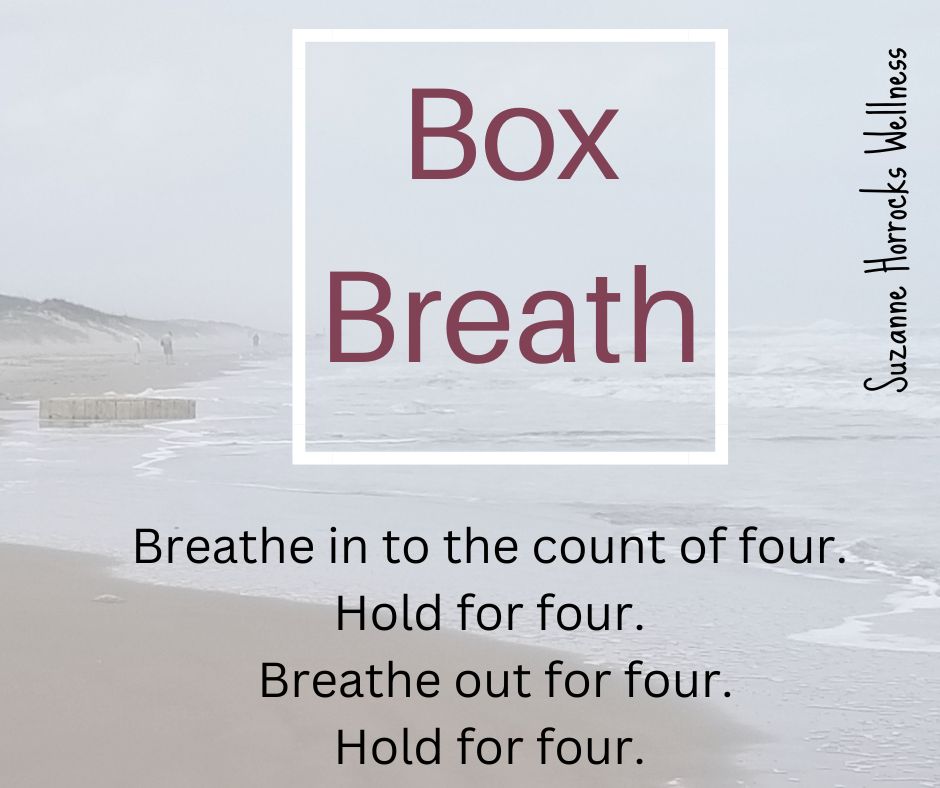
  • Inhale slowly through your nose for a count of four.
  • Hold that breath for a count of four.
  • Exhale slowly through your mouth for a count of four.
  • Repeat this cycle three to five times.

This simple “box breathing” technique can lower your heart rate, calm your nervous system, and bring you back to the present. It only takes one minute, but it can shift your entire mood.

Whenever you feel overwhelmed, anxious, or disconnected, come back to your breath. It’s always there, waiting to anchor you.


2. Gratitude Journaling: A Shift in Focus

It’s easy to focus on what’s missing in life—what didn’t get done, what’s gone wrong, or what we wish we had. But gratitude shifts the spotlight. It helps us see what’s already here and what’s working.

Here’s how to start a simple gratitude practice:

  • Get a notebook or open a notes app on your phone.
  • Every morning or evening, write down three things you’re thankful for.
  • They can be big (“My health”) or small (“The way my dog greeted me today”).

Some days, it might feel hard to find anything. On those days, start with the basics: a warm bed, running water, a kind smile from a stranger.

Writing it down makes it real. Over time, this habit trains your brain to look for the good—even on hard days.


3. One-Minute Mindfulness Moments

You don’t need to carve out a full hour to practice mindfulness. In fact, some of the most powerful moments happen in just 60 seconds.

Here are a few ideas:

  • Mindful Coffee: As you sip your morning coffee or tea, pause. Notice the warmth in your hands. The aroma. The taste. Let it be a quiet moment just for you.
  • Mindful Walks: Even if it’s just from your car to your front door, slow down. Feel your feet on the ground. Listen to the sounds around you. Let go of your to-do list for just a few steps.
  • Mindful Hand-Washing: Instead of rushing, feel the water, the soap, the sensation. These small pauses can turn routine into ritual.

4. The Magic of Being Where You Are

Have you ever read a page in a book and realized you didn’t absorb a single word? Or eaten an entire meal while scrolling your phone, barely tasting a bite?

We spend a lot of time disconnected from what we’re doing. Mindfulness invites us back.

You don’t have to change your life. Just change how you show up in it.

  • When you’re with someone, really listen.
  • When you eat, slow down and enjoy it.
  • When you walk, breathe deeply and look around.

These small acts are powerful. They remind us we’re alive—not just surviving, but living.


Why It Matters

Mindfulness won’t erase life’s challenges. But it will change the way you face them. It softens the edges of anxiety. It builds resilience. It creates space between what’s happening and how you choose to respond.

And perhaps most importantly, it helps you reconnect—to yourself, to the people around you, and to the beauty that still exists in the world, even on hard days.

You deserve moments of peace. You deserve to feel present in your own life. And you don’t need a retreat or a yoga mat to find it. Just a breath, a pause, a little gratitude—and a gentle willingness to begin.


Want More Like This?

If this message speaks to you, I invite you to explore more simple wellness practices on my blog. You can also follow me on Facebook and Pinterest for inspiration, tips, and encouragement for living a calmer, more connected life.

You don’t have to do it all. You just have to begin.


Simple Self-Care Rituals to Start the New Year Strong

The start of a new year is the perfect time to embrace small changes that can make a big difference in your life. You don’t need a long list of resolutions or drastic measures to feel your best. Instead, focus on simple, sustainable self-care rituals that fit easily into your daily routine.

Here are five easy ways to start the year feeling refreshed, balanced, and ready to take on whatever comes your way.

1. Begin Your Day with Intention

How you start your morning sets the tone for your entire day. Take a few minutes each morning to ground yourself. This could mean sitting quietly with your coffee or tea, writing a quick to-do list, or practicing a moment of gratitude. For example, jot down three things you’re thankful for or something you’re looking forward to that day. This small act can shift your mindset and help you approach your day with a positive outlook.

2. Stay Hydrated

Drinking enough water is one of the easiest self-care habits to maintain, yet it’s often overlooked. Proper hydration boosts energy, supports digestion, and helps you feel more focused. Keep a reusable water bottle nearby and sip throughout the day. If plain water feels boring, add slices of lemon, cucumber, or a handful of berries for natural flavor. Aim for at least eight glasses a day, but listen to your body—it’ll let you know when you need more.

3. Move Your Body Daily

You don’t need to commit to an intense workout routine to feel the benefits of movement. Gentle activities like a 10-minute walk, light stretching, or dancing to your favorite song can work wonders for your mood and energy levels. Find something you enjoy, and don’t worry about perfection. The key is consistency—a little movement each day can add up to big results over time.

4. Simplify Your Meals

Eating well doesn’t have to be complicated. Start by adding one extra fruit or vegetable to your meals each day. Choose foods that make you feel good and provide the energy you need to tackle your day. A simple breakfast of oatmeal with fresh berries or a quick salad with your favorite toppings at lunch can keep you nourished without overwhelming your schedule.

5. Unplug and Recharge

In a world that never seems to slow down, taking breaks from technology can be a form of self-care. Set aside 30 minutes each evening to unplug from screens. Use this time to read, journal, or simply relax. Giving your mind a break from constant stimulation helps improve sleep and leaves you feeling more present in your daily life.

Final Thoughts

Self-care doesn’t have to be time-consuming or complicated. By focusing on small, achievable habits, you can create a foundation of well-being that supports you all year long. Start with one or two rituals from this list, and see how they make you feel. Remember, self-care is not about being perfect; it’s about showing up for yourself in ways that feel good and sustainable. Here’s to a happy, healthy new year!

Crossing Bridges

Bridges help us cross difficult terrain, sometimes being the only way to get from here to there.

Are there memorable bridges in your life?

Speaking of bridges and crossings, and getting from here to there, I want to introduce you to a new endeavor I recently started. I am creating adult coloring books, journals, and to-do list notebooks. They are available on Amazon.

https://www.amazon.com/author/suzannehorrocks

This new endeavor feels like crossing a bridge because it is a new avenue, a new path, a new road. Having a bridge connecting my wellness journey, my entrepreneurial journey, and my dream of creating a line of blank books is priceless.

What bridge have you built or crossed that changed your life? (Small changes count too.)


Gratitude – July 31, 2019

Thank you Goddesses. Thank you Goddess of Abundance. Thank you Goddess of Wisdom. Thank you Goddess of Harmony. Thank you Goddess of Trust and Truth.

Thank you for this delicious and beautiful bowl of mango and strawberries. It’s a feast for the eyes as much as a feast for my tummy.

Thank you Universe for my opportunity to go to school for health coaching. I learned so much and my life is so much better now.

Thank you Family! Thank you Jes! I love you and it’s comforting to know you love me too.

Thank you Mother Nature for this gorgeous day! The temperature is great. The sky is amazing.

Thank you healers and your helpers. Thank you teachers and students. I add students because without us there would be no need to teachers, right?

Thank you leaders and followers. Thank you dreamers. Thank you hippies and peace freaks.

Thank you musicians. Thank you artists. Thank you storytellers, written and spoken.

This is an abundant Universe. Thank you Goddesses!!

Gratitude – July 29, 2019

Thank you Goddesses! Thank you Goddess of Abundance! Thank you sooooooo much.

Thank you for teaching me to stop and ask “What is this teaching me?” Thank you Goddess of Wisdom! What a difference that makes. I will try to describe what happened this morning. It feels like a miracle.

We live in a fixer upper house. It’s paid for so no mortgage payment, no rent. My previous self used to look at this as the best I can do. Like this is all that I can afford. This is my lot in life. This is as nice a house as I deserve to live in.

We have a back room that has eleven leaks in the roof. Yep, 11. It doesn’t take much rain either. Last night while we slept it apparently rained pretty hard. We didn’t have our buckets set up. This morning we woke up to a very wet floor. It’s only in one room, mind you. And we don’t use that room for much anyway. So it’s really not that big of a deal.

Anyway, as I was having my morning cuppa coffee, I was pondering this state of affairs. And instead of reacting in my usual bratty way (waaaaa poor me, the places I’m forced to live……), I posed the question – what am I supposed to learn from this.

The answer was – this is a fixer upper and you really dig doing projects like this. Seriously, this is your jam. This is your dream life. Well, not exactly my dream life, but I do really dig projects like this.

While I’m still striving to support myself financially, I’m already living part of my dream life. I can’t go buy a new-to-me car right now. My wardrobe is pretty thin. But, I get to ponder life over coffee for as long as I want to every morning. Every morning.

I don’t have to set an alarm. I get to write blog posts like this! I don’t have to write this post either. I’m choosing to write it. I get to choose how to spend my day.

That’s living the dream. Thank you Goddesses. I’m humbled and grateful.

Thank you Goddess of Abundance. Thank you Goddess of Wisdom. Thank you Goddess of Harmony. Thank you Goddess of Trust and Truth. Thank you all un-named Goddesses and Gods. Thank you Inner Goddess. Thank you Inner Child. Thank you Inner Wild One.

My heart is full. Thank you.