
The Best Book I’ve Read In A Long Time

Life of Pi by Yann Martel: A Captivating Tale of Survival and Spirituality

In the vast ocean of literature, certain books have the power to leave an indelible mark on readers’ hearts, and Yann Martel’s Life of Pi is undoubtedly one of them.

This captivating novel takes us on a remarkable journey of survival and spirituality, intertwining the essence of human resilience and the exploration of faith. In this blog post, we’ll delve into the mesmerizing world of Life of Pi while uncovering the profound themes that have touched the souls of millions worldwide.

A Tale of Survival

At the heart of “Life of Pi” lies an extraordinary survival story. The novel follows the life of Piscine Molitor Patel, known as Pi, a young Indian boy with a deep curiosity for spirituality and zoology. The story begins when Pi’s family decides to leave India and move to Canada, accompanied by some of the animals from their zoo. However, tragedy strikes when their ship sinks in the middle of the Pacific Ocean, leaving Pi as the lone human survivor on a lifeboat. Or is he truly alone?

The Unlikely Companion: A Bengal Tiger named Richard Parker

Amidst the vast expanse of the ocean, Pi’s survival takes an unexpected turn when he discovers an unlikely companion on the lifeboat – a fearsome Bengal tiger named Richard Parker. As days turn into weeks and weeks into months, Pi and Richard Parker form an extraordinary bond, transcending the boundaries of fear and dominance. Their shared struggle for survival becomes a testament to the unbreakable connection between living beings.

The Metaphorical Journey: Spirituality and Religion

Beyond its enthralling survival plot, Life of Pi weaves a profound tapestry of spirituality and religion. Pi’s upbringing in a multi-religious household allows him to embrace various faiths, including Hinduism, Christianity, and Islam. On the lifeboat, Pi’s spiritual journey takes center stage, as he finds solace and guidance in his belief in God. The novel beautifully explores the coexistence of different faiths and the power of faith in times of despair.

The Quest for Identity and Belonging

Throughout the narrative, Life of Pi delves into the theme of identity and belonging. Stranded at sea, Pi is forced to confront his deepest fears and desires, leading to a profound understanding of his own self. The isolation and introspection on the lifeboat become a metaphorical representation of the human quest for meaning, purpose, and a sense of belonging in this vast universe.

Allegory and Interpretations

Yann Martel’s masterful storytelling leaves ample room for interpretation, inviting readers to ponder the allegorical elements hidden within the narrative. Some perceive the novel as a metaphorical exploration of the human condition, while others view it as an allegory for the complexities of faith and belief. The ambiguity of the ending sparks debates about the nature of truth and the power of storytelling itself.

Embracing the Ineffable

In conclusion, Life of Pi by Yann Martel is an extraordinary novel that weaves together elements of survival, spirituality, and the human psyche. Through Pi’s journey, readers are taken on a profound exploration of faith, resilience, and the search for identity. The enigmatic narrative challenges us to embrace the ineffable aspects of life and find beauty in the unknown.

Whether you’re drawn to survival tales, spiritual introspection, or philosophical musings, Life of Pi has something profound to offer. Pick up this awe-inspiring book, and prepare to be captivated by its magic.

Dry brushing is more than skincare

Dry brushing is an ancient Ayurvedic practice that involves brushing your skin with a natural bristle brush in a specific pattern. This practice has become increasingly popular in recent years due to its numerous health benefits. So, what are the benefits of dry brushing and how is it done effectively?

Top four benefits

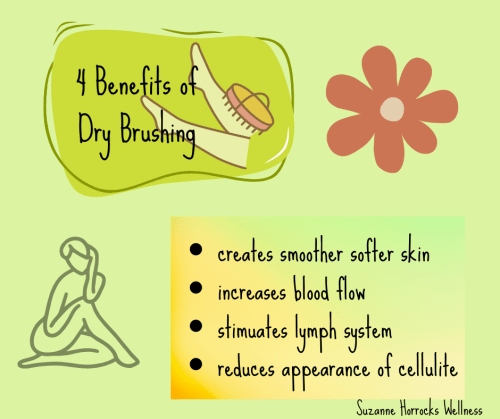
  1. Creates smoother softer skin

Dry brushing helps to exfoliate the skin by removing dead skin cells and unclogging pores. This can leave your skin feeling smoother and softer. Dry brushing also helps to stimulate the lymphatic system, which can aid in the elimination of toxins from the body.

  1. Increases blood flow

Dry brushing can increase blood flow and circulation to the skin, which can help to improve skin texture and tone. Improved circulation can also help to reduce the appearance of cellulite.

  1. Promotes lymphatic drainage

Dry brushing can help to promote lymphatic drainage, which is important for maintaining a healthy immune system. The lymphatic system helps to remove waste and toxins from the body, and dry brushing can help to stimulate this process.

4. Reduces the appearance of cellulite

Dry brushing helps break up fatty deposits thereby reducing the appearance of cellulite. Increasing blog flow (#2) helps too.

Other Benefits include

Dry brushing can also have a calming effect on the body and mind. The rhythmic brushing motion can help to reduce stress and anxiety, while the release of endorphins can improve mood and promote feelings of wellbeing.

Dry brushing can also help to enhance digestion and kidney function. The brushing motion can stimulate the digestive organs and promote the release of digestive enzymes. Additionally, the increased circulation can help to improve kidney function and promote the elimination of waste and toxins from the body.

How to Dry brush effectively

You will need a natural bristle brush with a long handle. Begin by brushing your feet and working your way up your body, using long, sweeping motions towards your heart. Use light pressure and avoid brushing over any areas of broken or irritated skin. After brushing, shower to wash away any dead skin cells.

Dry brushing is a simple and effective way to improve skin health and promote overall well-being. By incorporating this practice into your selfcare routine, you can enjoy the numerous benefits that it has to offer. So why not give it a try? Your skin and body will thank you.

Down a rabbit hole again

Hello. I am Suzanne Horrocks

I am finally writing a memoir!!

It’s about a widow (me) determined to get through the grief process with her mental health intact.

I haven’t written a book before and am finding it quite difficult. I see why it’s called a craft. It’s takes a lot of trial and error to “craft” a good sentence, paragraph, or chapter.

I finally created an outline that feels right. One of the chapters is about selling our house.

It’s the first chapter I have really started digging in to and DAMN it’s hard!!

I knew it was going to be therapeutic for me to write it. But trying to keep a reader in mind or to keep the story flowing takes a lot more work than what you see in a book.

I’m going into some rather deep rabbit holes. For one, because the hole opens and I dive right in. I do that because writing this memoir is as much for me as it is for the readers.

So anyway, the advice I have heard says 30,000 to 40,000 words is a good size. With ten chapters, that’s 4,000 words each. I have ten chapters in my outline. I’m going for 4,000 words each.

I hand wrote most of this chapter first.

Then I typed the notes in to a computer file. The word count was just over 2,000 and I have only written about packing up the house. So, yay!!!!

Now I’m beginning to write about the real estate agent and the whole process I went through. I plunged head first into a rabbit hole about judgement, self confidence, and creativity. One just lead seamlessly into the next.

I can see why writing a memoir is therapeutic!! I’m diving deep. Or am I procrastinating? Ohhhhh, another rabbit hole I can distract myself with.

Ok now. I’m going back to the chapter. Thank you for reading this.

A pretty picture for no real reason.

More Spirographs and Doodles

More Spirographs and doodles.

Presents to myself, from myself.

Holiday presents to myself, from myself.

The Back Window Can’t Hold Itself Up

The back window on my camper shell lost it’s shocks, the things that hold it up.

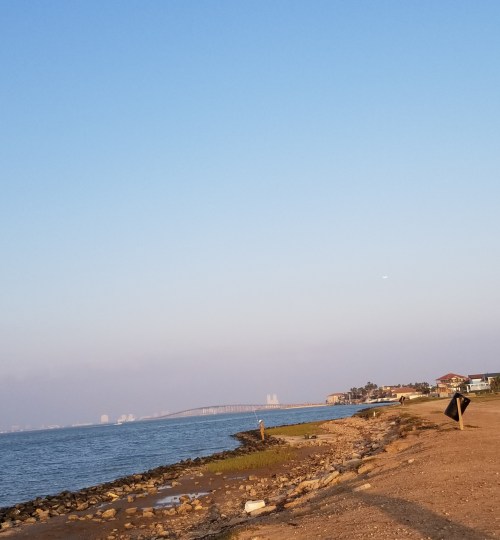
I lived about 15 minutes from a beach near Corpus Christi about 7 years ago. The truck spent a LOT of time very close to the salty spray. Not close enough to get stuck in the sand but really really close to the waves.

I didn’t get any rust except for those window holder-upper things. One went fairly quickly. The other one lasted a while but it finally gave way and leaked all of it’s oil out and never worked again.

It’s a pain in the butt to hold the window up with one hand while trying to open or close the tailgate.

Not to mention how awful it is to have to climb in there with a heavy window hitting you on the head.

Finding replacements has been it’s own challenge but we may have succeeded. We shall see.

**Edit to add that the new shocks have indeed worked very well. I’m pleased.**

I LOVE the convenience of having a truck but I abhor repairs. How about you? Does anything car related irritate you or do you take it in stride?

Heat Wave and Ants

Heat Wave

This article includes an Amazon Affiliate link. As an Amazon Associate, I earn a small commission from qualifying purchases.

Hello Summer!

It’s finally here and it is H.O.T.

Don’t get me wrong, I LOVE the heat. The humidity, though….. I could do without feeling like I could cut the air with a knife. Where’s the cool breeze? Where’s the relief with being in the shade?

I do my best to keep complaints to myself, or at least to a minimum. I prefer to use that privilege in the winter. Cause give me hot weather over cold all day.

Summer Vacation

Do you have a summer vacation planned?

We have quite a nice vegetable garden going, so we won’t be leaving it for an extended time this summer. The hot weather is good for the okra, peppers, and tomatoes. Mini vacays and mental breaks will suffice for us this summer. We get to eat yummy veggies though! It’s a good trade.

Ants Are Here

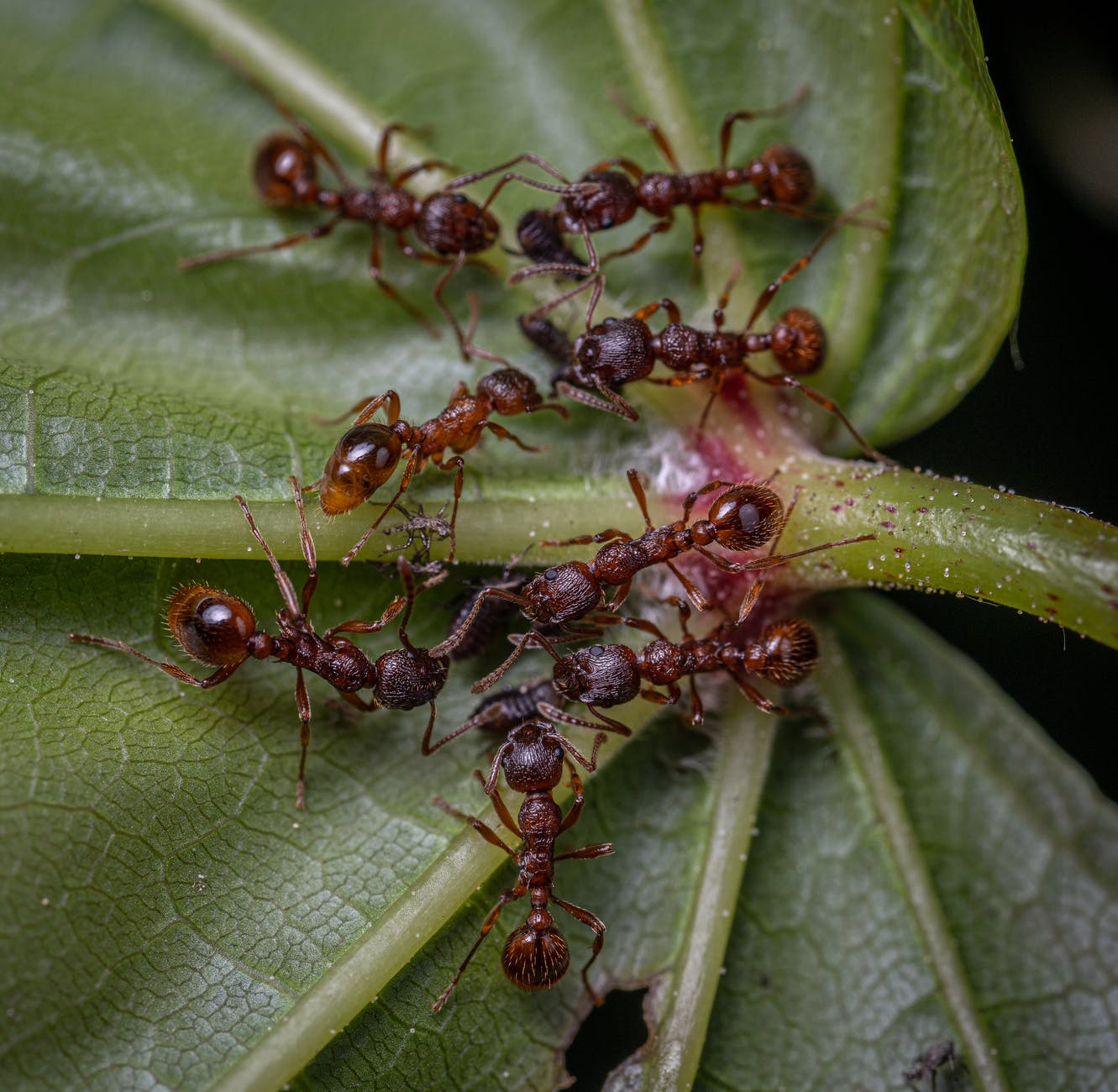
They don’t like the heat either. We currently have them in our bathtub, presumably in search of cool water to drink. They have been inundating the kitchen countertops, stove, and sink too.

While I feel for them and their plight, I don’t appreciate them running around my kitchen.

While being mindful of our limited space and our food prep area, we have been using Terro Liquid Ant Bait to keep them at bay. It works like a charm! If the darn things would just stay outside……

I Have Cataracts. Now What?

Photo by Craig Adderley on Pexels.com


Having been recently diagnosed with cataracts, I naturally have some questions. The diagnosis wasn’t a complete surprise. I am “of the age”. Plus I smoked for decades.

**If you smoke, this is another reason to stop asap**

———————

In this article:

What are cataracts?
What causes them?
How to know if you have them.
What you can do about it.
What makes them worse.
What to do as prevention.
———————–

What are cataracts? According to the American Academy of Ophthalmology, a cataract is when your eye’s natural lens becomes cloudy. Proteins in your lens break down and cause things to look blurry, hazy or less colorful. In other words, cataracts are the clouding of the lens of your eye, which is normally clear.

What causes cataracts? Most cataracts develop when aging or injury changes the tissue that makes up the eye’s lens. Proteins and fibers in the lens begin to break down, causing vision to become hazy or cloudy. Other factors can increase your risk of cataracts, such as genetics, diabetes, or high blood pressure.

How do you know if you have them? An eye doctor can give you a diagnosis. Regular eye exams are recommended, especially when you reach the age of 60. In most cases, that’s when cataracts start developing. However, changes in the lenses of your eyes can start to affect you in your 40s. Reading glasses anyone?

What can you do about them? At first, stronger lighting and eye glasses can help. If impaired vision begins interfering with your usual activities, you may need cataract surgery. Likewise, your eye doctor may recommend it. In the U.S., the average age for cataract surgery is 73.

What makes them worse? Dehydration, alcohol, smoking, and obesity speed up the development of cataracts. Uncontrolled blood sugar or high blood pressure are also contributing factors.

Prevention, please:

Get regular eye exams. They are helpful in early detection.
Quit smoking.
Manage other health problems.
Choose a healthy diet that includes plenty of fruit and veggies.
Wear sunglasses
Reduce alcohol use.

Now we know what cataracts are, what causes them, how to know if you have them. We also know what you can do if you have them, what causes them to get worse, and some preventative practices.

Hopefully, this answers some of your questions, just as it did for me.

Do you know someone with cataracts? Share this post with them. Sharing is caring.

Do you suspect you have cataracts? Tell us in the comments so we know we aren’t alone.
————————————————————————————————-

Being visually impaired or having low vision, doesn’t mean you can’t still journal, write, jot down notes, make lists, etc. As a journal creator with low vision, I have created a book designed just for us. It’s on Amazon. Here’s a link – https://www.amazon.com/Need-Vitamin-Sea-lined-notebook/dp/B09RNFY3GG/ref=sr_1_19?keywords=i+need+vitamin+sea+notebook&qid=1648062359&sr=8-19

Crossing Bridges

Bridges help us cross difficult terrain, sometimes being the only way to get from here to there.

Are there memorable bridges in your life?

Speaking of bridges and crossings, and getting from here to there, I want to introduce you to a new endeavor I recently started. I am creating adult coloring books, journals, and to-do list notebooks. They are available on Amazon.

https://www.amazon.com/author/suzannehorrocks

This new endeavor feels like crossing a bridge because it is a new avenue, a new path, a new road. Having a bridge connecting my wellness journey, my entrepreneurial journey, and my dream of creating a line of blank books is priceless.

What bridge have you built or crossed that changed your life? (Small changes count too.)