What If U.S. Military Bases Became Cultural Exchange Centers?


When you hear the words “U.S. military base,” what comes to mind? For many, it’s strength, defense, or global presence. But what if we reimagined these spaces? What if, instead of being symbols of power, they became symbols of peace, culture, and connection?

It’s a bold idea, but sometimes the most powerful changes begin with a simple question: What if?


From Bases of Defense to Homes of Peace

Across the world, U.S. military bases stand on foreign soil. They are reminders of history, politics, and protection. But as times change, so do the needs of humanity.

Imagine walking onto one of these bases and, instead of soldiers and weapons, you find:

🎶 Artists sharing music and traditions.

🌿 Yoga and wellness programs bringing healing.

🍲 Community kitchens where cultures exchange recipes and stories.

🎨 Studios filled with painting, dance, and storytelling.

📚 Classrooms where language, history, and skills are shared.


These once-military sites could become cultural exchange centers — places where people come together to learn, heal, and celebrate what unites us.


Why Cultural Exchange Matters

At the heart of cultural exchange is the simple truth: we understand each other better when we share our lives.

🌏 Connection builds peace. When people connect on a human level, barriers begin to fade.

🌸 Healing happens through sharing. Many communities carry wounds from conflict. Creative and cultural expression can help bridge divides.

💡 New ideas grow. Bringing together different perspectives leads to innovation and progress.


Instead of being remembered for war and defense, these places could become remembered for peace and creation.


How It Could Work

The transformation wouldn’t happen overnight, but step by step, it’s possible.

1. Decommissioning & Transition: Bases already closing or downsizing could be the first candidates.


2. Partnerships: Local governments, cultural organizations, and educators could co-create the vision.


3. Physical Reimagining: Dormitories become guest housing. Hangars become art studios. Mess halls become shared dining spaces.


4. Programs Begin: Language classes, cultural residencies, music festivals, wellness retreats, skill exchanges.


5. Global Network: A series of Peace & Culture Centers connected worldwide — turning old battlegrounds into new grounds for understanding.


A Ripple Effect

Imagine the ripple effect if just a few bases made this transition:

Host communities gain economic growth through education, wellness, and tourism.

Local and American participants gain mutual respect and lifelong connections.

The U.S. itself transforms its global role — from a nation known for its military might to one remembered for fostering understanding and peace.


What If Peace Had a Home Base?

It’s easy to think the world is too divided for big ideas like this. But every great change in history began with someone asking: What if things were different?

Reimagining U.S. military bases as cultural exchange centers is not just about buildings. It’s about a shift in vision: from fear to friendship, from defense to discovery, from war to wellness.

The question is not just whether it could work.
The question is: are we ready to dream of peace on a new scale?


🌿 Final Thought

Peace isn’t just the absence of war. It’s the presence of understanding, connection, and shared humanity.

Perhaps the greatest base of all is the one where we learn to see each other as family.


The Benefits of Drinking Water: Why Your Body Will Thank You

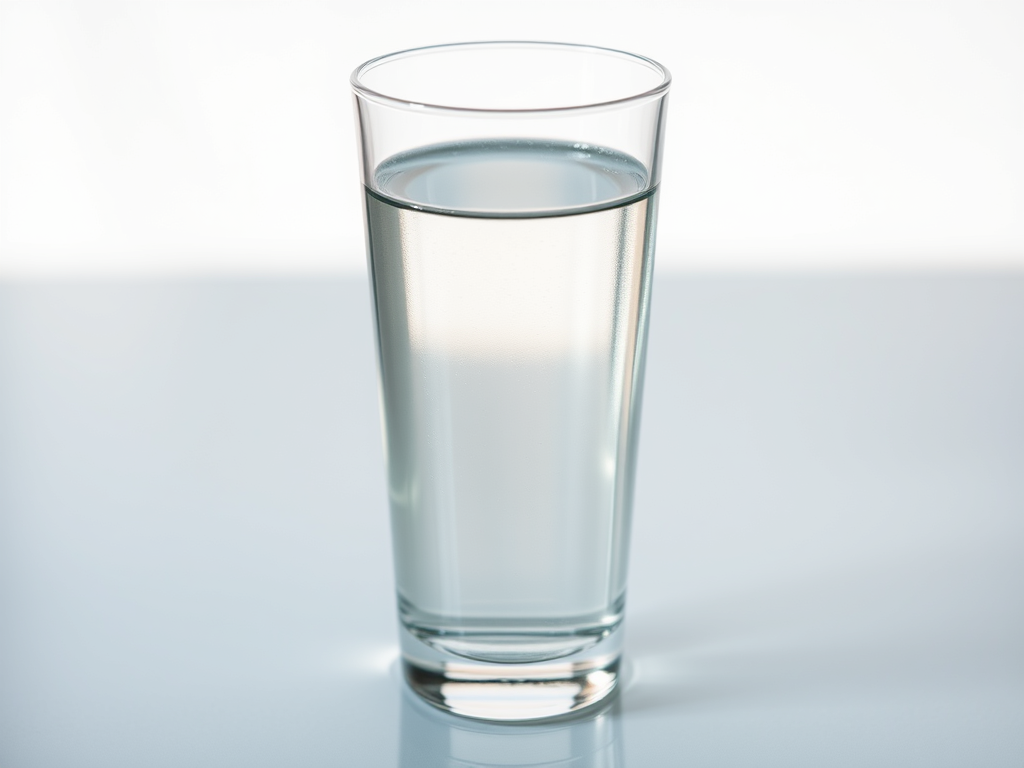
Water with lemon on a table

Have you ever noticed how good a glass of water feels when you’re really thirsty? It’s refreshing, energizing, and instantly makes you feel better. Water is one of the simplest and most powerful things you can give your body every single day. Yet, many of us don’t drink nearly enough of it. We get caught up with coffee, soda, tea, or energy drinks and forget the basics: our bodies are made up of mostly water, and we need it to function at our best.

In this post, we’ll talk about the benefits of drinking water, why it’s so important for your health, and how you can make it part of your daily routine.


Why Water Matters So Much

Water is like fuel for your body. Just like your car won’t run without gas, your body can’t run without water. Every single cell, tissue, and organ in your body needs it. From regulating your temperature to helping your brain stay sharp, water plays a role in almost everything your body does.

Think of water as the ultimate multitasker:

  • It keeps your skin healthy and glowing.
  • It cushions your joints and muscles.
  • It helps flush out toxins and waste.
  • It carries nutrients and oxygen to your cells.

When you don’t drink enough, you feel it—headaches, fatigue, dizziness, and even mood swings can all be signs of dehydration.


7 Amazing Benefits of Drinking Water

1. Boosts Your Energy

Feeling sluggish in the afternoon? Before reaching for another cup of coffee, try a glass of water. Dehydration is one of the top causes of fatigue. Even mild dehydration can make you feel tired and less focused. Water helps your blood flow more easily, so oxygen and nutrients can reach your cells. That means more energy and less brain fog.

2. Improves Digestion

Your digestive system needs water to break down food and absorb nutrients. Drinking water before or during meals can help prevent constipation and keep things moving smoothly. If you’ve ever struggled with bloating or discomfort after eating, upping your water intake might make a big difference.

3. Supports Weight Management

If you’re trying to lose weight or simply maintain a healthy one, water can be your best friend. Sometimes when you feel hungry, your body is actually thirsty. Drinking a glass of water before meals can help you feel full and keep you from overeating. Plus, swapping soda or sugary drinks for water can cut hundreds of calories a day without feeling like a sacrifice.

4. Keeps Your Skin Looking Fresh

Dry, tired-looking skin is often a sign of dehydration. While water won’t erase wrinkles, it does help your skin stay soft, smooth, and clear. Think of it as an inside-out moisturizer. When your body is well-hydrated, your skin has a natural glow that no lotion can match.

5. Helps Your Body Detox Naturally

Your kidneys rely on water to do their job—filtering out waste and toxins from your blood. Without enough water, your kidneys have to work harder, and waste can build up. Drinking water supports your body’s natural detox process and helps prevent problems like kidney stones and urinary tract infections.

6. Regulates Your Temperature

Have you ever noticed you sweat more when it’s hot outside or when you’re exercising? That’s your body’s way of cooling down. But sweating also means losing fluids. Drinking water replaces what you’ve lost and helps keep your temperature balanced. It’s especially important during summer months or if you’re physically active.

7. Supports Brain Function

Your brain is about 75% water, so it’s no surprise that staying hydrated helps you think more clearly. Dehydration can affect concentration, memory, and even mood. Studies show that people who drink enough water are less likely to feel anxious, irritable, or mentally drained.


How Much Water Do You Really Need?

You’ve probably heard the “8 glasses a day” rule, but the truth is, everyone’s needs are different. Your age, weight, activity level, and even the weather can all affect how much water you should drink.

A simple guideline: listen to your body. If you’re thirsty, drink. If your urine is light yellow or clear, you’re likely getting enough. Dark yellow? That’s a sign you may need more water.

A good starting point for most adults is about 64 ounces (8 cups) a day. But if you exercise, spend time outdoors, or drink dehydrating beverages like coffee or alcohol, you may need more.


Easy Tips to Drink More Water Every Day

If drinking water feels like a chore, try these simple tricks:

  • Start your morning with a glass of water before your coffee or tea.
  • Carry a reusable water bottle everywhere you go.
  • Add flavor naturally with lemon, lime, cucumber, or fresh berries.
  • Set reminders on your phone or use a water tracking app.
  • Swap one soda or sugary drink a day for water until it becomes a habit.

Remember, small steps add up. Even adding just one extra glass a day makes a difference.


Water is one of the easiest and most affordable ways to support your health. It fuels your energy, keeps your skin glowing, helps with digestion, and even boosts your mood. While it may not be as exciting as a fancy latte or as bubbly as soda, water gives your body exactly what it needs to thrive.

So the next time you’re reaching for a drink, make it water. Your body—and your future self—will thank you.


Stop Drinking Soda and Start Drinking Water: A Simple Change with Big Results


Have you ever thought about how much soda you drink in a week? Maybe it’s one can a day, or maybe it’s several. For many people, soda is a daily habit—something to grab at lunch, during a break, or while watching TV. It feels refreshing in the moment, but here’s the truth: soda isn’t doing your body any favors.

On the other hand, water is the simplest, healthiest, and most affordable drink there is. Making the switch from soda to water might seem small, but it can have a big impact on your health, energy, and even your mood.

In this post, we’ll talk about why soda is so harmful, why water is so good, and how you can make the switch without feeling deprived.


Why Soda Is So Bad for You

Soda has been around for a long time, and it’s marketed as something fun, bubbly, and satisfying. But what’s really inside that can or bottle?

1. Sugar Overload
A regular can of soda has around 39 grams of sugar—that’s almost 10 teaspoons! Drinking that much sugar in liquid form causes your blood sugar to spike, followed by a crash. Over time, all that sugar adds up, leading to weight gain, insulin resistance, and an increased risk of type 2 diabetes.


2. Empty Calories
Soda gives you calories but no nutrition. Unlike fruit, vegetables, or whole grains, soda has nothing your body can actually use to grow stronger or healthier. You’re left feeling unsatisfied and often still craving more food.


3. Dental Damage
The sugar and acidity in soda are a double hit for your teeth. They weaken enamel, cause cavities, and can lead to expensive dental problems down the road.


4. Hidden Health Risks
Studies have linked regular soda consumption to heart disease, fatty liver disease, and even certain cancers. It’s not just about weight—it’s about your long-term health.


And don’t think diet soda is the answer. Artificial sweeteners may be lower in calories, but they can still confuse your body, affect your metabolism, and keep you craving sweets.


Why Water Is So Good for You

Now let’s look at the flip side—what happens when you drink water instead of soda.

1. Hydration at Its Best
Water is what your body truly needs. Every cell depends on it. When you’re hydrated, your energy levels stay steady, your skin looks healthier, and your brain functions more clearly.


2. Supports Weight Loss
Water has zero calories. If you replace just one can of soda a day with water, you could cut out over 50,000 calories in a year—that’s about 15 pounds of weight without doing anything else.


3. Good for Digestion
Water helps your body break down food, absorb nutrients, and keep things moving smoothly. Soda, with its carbonation and sugar, often makes bloating and indigestion worse.


4. Saves Money
Bottled soda adds up fast. Even better, if you use a reusable water bottle and drink tap or filtered water, you’ll save hundreds of dollars a year.


5. Boosts Mood and Focus
Dehydration makes you feel sluggish and irritable. Staying hydrated improves your mood and helps you think more clearly.


How to Make the Switch from Soda to Water

Quitting soda cold turkey works for some people, but for most, a gradual approach is easier and more sustainable. Here are a few steps to help you get started:

1. Start Small
If you drink three sodas a day, cut back to two and replace one with water. Once that feels normal, replace another until soda is no longer your go-to.


2. Add Flavor to Your Water
If plain water feels boring, dress it up. Add lemon, lime, cucumber, berries, or even a splash of 100% fruit juice. Herbal teas (unsweetened) are another great option.


3. Use a Fun Water Bottle
Having a reusable bottle you enjoy using makes it easier to sip throughout the day. Try one with time markers to remind you to drink.


4. Pair It with a Routine
Make water the first thing you drink in the morning. Have a glass before each meal. These small habits add up.


5. Notice How You Feel
Pay attention to the changes in your body. You may notice fewer cravings, more energy, and better sleep. These benefits will keep you motivated.


The Big Picture: One Change at a Time

You don’t need to overhaul your entire lifestyle overnight. Something as simple as choosing water over soda can ripple into every area of your life. You’ll save money, protect your teeth, feel more energized, and lower your risk of serious health problems.

Remember, wellness doesn’t have to be complicated. It’s about making better choices, one step at a time. Today, that step might be filling up your water bottle instead of grabbing a soda.

So the next time you’re thirsty, ask yourself: Do I want a quick sugar rush, or do I want to feel genuinely refreshed? Your body will thank you for choosing water.


Final Thoughts

Soda may be tempting, but water is what your body craves. Making the switch doesn’t just help you lose weight—it helps you feel healthier, clearer, and more alive. Every sip of water is a step toward a stronger, better you.

If you’ve been thinking about cutting back on soda, start today. Even one less can makes a difference. You don’t have to be perfect—you just have to start.

So raise a glass of water. To your health, your energy, and your future.


Stop Drinking Soda and Start Drinking Water: A Simple Step Toward Feeling Better Every Day

Fruit infused water.

If you’ve ever reached for a can of soda out of habit, you’re not alone. Soda has become a go-to drink for many people. It’s sweet, fizzy, and gives a quick boost of energy. But here’s the truth—soda is one of the unhealthiest beverages you can put into your body.

On the other hand, water is simple, refreshing, and exactly what your body craves. Making the shift from soda to water may feel small, but it’s a powerful step toward better health, more energy, and even saving money.

Let’s look at why soda is so harmful, why water is so good for you, and how you can start making the switch today.


Why Soda Is So Bad for You

1. Sugar Overload

One can of soda contains around 35–40 grams of sugar. That’s about 9–10 teaspoons in a single drink. The American Heart Association recommends no more than 6 teaspoons of added sugar per day for women and 9 teaspoons for men. That means one soda can already put you over the limit.

Too much sugar raises your risk of weight gain, type 2 diabetes, and heart problems. It also causes energy crashes that leave you feeling tired and craving even more sugar.

2. Empty Calories

Soda provides calories, but no nutrition. It doesn’t fill you up, so you’re likely to eat the same amount of food as you would have without the soda—adding extra calories on top of your meals.

3. Acid on Your Teeth

Soda is acidic, which weakens tooth enamel. Combine that with sugar, and it’s no surprise soda is one of the biggest contributors to tooth decay.

4. Caffeine and Cravings

Many sodas contain caffeine. While small amounts of caffeine can be fine, daily reliance on it can leave you jittery, irritable, or struggling to sleep. And once your body gets used to it, skipping your daily soda can lead to headaches and fatigue.


Why Water Is So Good for You

Switching to water is one of the easiest ways to improve your health. Your body is made up of about 60% water, and every system depends on it.

1. Natural Energy Boost

When you’re even slightly dehydrated, you feel tired and sluggish. Drinking water keeps your energy levels up without the sugar crash that soda brings.

2. Supports Digestion and Metabolism

Water helps break down food and absorb nutrients. It also helps your body burn calories more efficiently, which can support healthy weight management.

3. Clearer Skin

Hydration plays a big role in skin health. Drinking enough water can reduce dryness, improve elasticity, and give your skin a healthy glow.

4. Healthier Teeth and Gums

Unlike soda, water isn’t acidic and doesn’t contain sugar. It rinses your mouth and helps protect your teeth.

5. Saves Money and the Planet

Think about how much soda costs compared to water. Even if you prefer bottled water, it’s usually cheaper. And if you use a reusable water bottle, you save money and cut down on plastic waste.


How to Start Drinking More Water and Less Soda

Breaking the soda habit may feel tough at first, but it’s completely doable. Here are some practical steps to make the transition easier:

1. Start Slow

If you drink several sodas a day, try cutting back one at a time. Replace your afternoon soda with water for a week, then your evening soda the next week, and so on. Small, steady changes add up.

2. Make Water Fun

If plain water feels boring, try adding natural flavor:

  • Fresh lemon or lime slices
  • Cucumber and mint
  • Berries or oranges

Infused water gives you variety without the sugar or chemicals.

3. Keep Water Nearby

Carry a reusable water bottle with you. Having water within reach makes you more likely to drink it.

4. Pair New Habits

Every time you sit down to eat, drink a glass of water first. Or drink water right after brushing your teeth. Linking water to daily routines helps it become automatic.

5. Notice the Benefits

After a week or two without soda, you’ll probably notice more energy, better sleep, and fewer cravings. Pay attention to these wins—they’ll motivate you to keep going.


What Happens When You Quit Soda?

Many people notice big changes once they stop drinking soda. Here are a few benefits you might experience within weeks:

  • Weight loss from cutting out empty calories.
  • More energy without sugar highs and crashes.
  • Better sleep once caffeine dependence fades.
  • Improved mood because your blood sugar stays more stable.
  • Stronger teeth thanks to less acid and sugar exposure.

It’s not about perfection—it’s about progress. Even cutting back on soda a few times a week makes a difference.


Water Water Water

Soda might taste good in the moment, but it does your body no favors. Water, on the other hand, supports every part of your health. By choosing water over soda, you give yourself the gift of better energy, clearer skin, stronger teeth, and long-term wellness.

The best part? This isn’t a complicated plan or an expensive program. It’s as simple as filling your glass with water instead of soda.

Start small, stay consistent, and celebrate the changes you notice along the way. Your body will thank you.


Why Water is Better: Say Goodbye to Soda

Stop drinking soda and start drinking water.

If you’ve ever tried to cut back on soda, you already know it can be tough. The fizz, the sweetness, and even the habit of grabbing a can at lunch or dinner can make it hard to let go. But the truth is, soda is one of the worst things you can drink for your health. The good news? Water is one of the best. By making the switch, you give your body what it truly needs, and the benefits can show up faster than you think.

In this post, we’ll talk about why soda is harmful, why water is so important, and how to make the switch in a way that feels doable.


Why Soda is So Bad for You

Soda might taste good in the moment, but it comes with a long list of health problems. Here are just a few reasons why it’s better to say goodbye to that particular beverage:

1. Too Much Sugar
A single can of regular soda has about 10 teaspoons of sugar. That’s more than most people should have in an entire day. All that sugar can lead to weight gain, blood sugar spikes, and a higher risk of type 2 diabetes.

2. Empty Calories
Soda is high in calories but gives you no real nutrition. You drink the calories, but your body doesn’t get the vitamins, minerals, or fiber it needs to stay healthy.

3. Damage to Teeth
The sugar and acid in soda are rough on your teeth. They can eat away at the enamel and lead to cavities. Even diet soda, which has no sugar, is still acidic and can damage your teeth over time.

4. Impact on Heart Health
Research shows that drinking too much soda can raise your risk of heart disease. That’s because the extra sugar leads to higher blood pressure, inflammation, and weight gain.

5. Addictive Qualities
The caffeine and sugar in soda can make it addictive. You might notice cravings, headaches, or low energy when you don’t drink it—signs that your body has gotten used to the habit.


Why Water is So Good for You

On the flip side, water is one of the best choices you can make for your health. It costs little, has no calories, and your body needs it for almost everything it does.

1. Hydration and Energy
Water keeps your body hydrated, which helps you feel more awake and alert. When you’re low on water, you may feel tired, cranky, or even get headaches.

2. Better Digestion
Drinking water helps your body digest food and absorb nutrients. It also helps prevent constipation.

3. Clearer Skin
Many people notice their skin looks clearer and healthier when they drink enough water. It helps flush out toxins and keeps your skin hydrated from the inside out.

4. Weight Control
Replacing soda with water cuts out hundreds of empty calories each week. Over time, this can lead to weight loss or make it easier to maintain a healthy weight.

5. Supports Every Cell in Your Body
Your muscles, organs, and brain all need water to work properly. When you drink enough, your body can function at its best.


Tips for Replacing Soda with Water

If you’re used to drinking soda every day, switching to water may feel overwhelming. But small changes add up. Here are some tips to make the transition easier:

1. Start Slow
If you drink several sodas a day, begin by cutting out just one and replacing it with water. Once that feels normal, cut out another.

2. Add Flavor to Your Water
If plain water feels boring, add lemon slices, cucumber, or berries for a natural flavor boost. Herbal teas (without added sugar) are another great option.

3. Keep Water Handy
Carry a reusable water bottle with you. If water is easy to grab, you’ll be more likely to drink it instead of soda.

4. Pay Attention to Triggers
Notice when you usually reach for soda. Is it with lunch? In the afternoon? Once you see the pattern, prepare to have water ready at those times. For me, it was when I wanted something cold to drink. The simple fix for that was having a pitcher of cold water or herbal tea in the fridge.

5. Celebrate Progress
Each time you replace soda with water, give yourself credit. Change takes time, and small wins matter.


What Happens When You Quit Soda

Many people notice changes in just a few weeks after quitting soda. You might have more energy, better sleep, clearer skin, and even a smaller waistline. Over time, the risk of serious health problems like diabetes and heart disease also goes down.

The best part is that water gives your body what it truly craves. Once you get used to it, you may even find soda tastes too sweet or heavy.


Choose water not soda

Stopping soda and switching to water might feel like a small choice, but it can lead to big results. By cutting out the sugar, the calories, and the chemicals, and replacing them with pure hydration, you give your body the chance to feel its best.

So next time you’re thirsty, skip the soda and pour yourself a glass of water. Your future self will thank you.


5 Hidden Benefits of Staying Hydrated During Winter

When we think about hydration, our minds often go to summer days, sweating under the sun. But staying hydrated in winter is just as important, if not more so.

During colder months, it’s easy to forget to drink water because we don’t feel as thirsty. However, your body still needs plenty of fluids to function at its best.

Beyond the obvious benefits, like keeping your skin moisturized and aiding digestion, here are five hidden perks of staying hydrated during winter that you might not know about.

1. Boosts Your Immune System

Winter often brings colds, the flu, and other seasonal illnesses. Staying hydrated can strengthen your immune system, giving you an extra layer of protection.

How does it work?

Water helps flush toxins out of your body, supports the production of lymph (a key fluid in your immune system), and ensures your organs function properly to fight off infections.

Dehydration can make you more susceptible to getting sick, as your body struggles to eliminate waste and transport nutrients effectively. By drinking enough water, you’re helping your immune system stay sharp and ready to tackle whatever winter throws your way.

2. Enhances Energy Levels

Feeling sluggish during the colder months? It’s not just the weather.

Dehydration is a sneaky culprit behind low energy levels. Even mild dehydration can cause fatigue and reduce your ability to concentrate.

Your body relies on water to carry oxygen and nutrients to your cells, which fuels your energy levels throughout the day.

In winter, we tend to reach for caffeinated drinks like coffee and tea to stay warm, but these can sometimes dehydrate you even more.

Balance those cozy cups with water, and you’ll notice a boost in your energy and focus.

3. Supports Joint and Muscle Health

Cold weather can make your joints and muscles feel stiff and achy. Hydration plays a crucial role in keeping them flexible and comfortable.

Water helps lubricate your joints by maintaining the fluid in your cartilage, which cushions bones and prevents discomfort.

If you’re active during winter—whether it’s skiing, snowshoeing, or just shoveling snow—staying hydrated can reduce the risk of cramps and improve your recovery time.

So, before you head out into the cold, grab a water bottle and give your joints the support they need.

4. Improves Skin’s Natural Glow

Winter air is dry, and indoor heating can sap even more moisture from your skin. While moisturizers help on the outside, hydration works wonders from within. Drinking enough water keeps your skin cells plump and reduces dryness, redness, and irritation.

Proper hydration can also slow the appearance of fine lines and wrinkles, giving you a natural, healthy glow despite the harsh winter conditions.

If you’re looking for a simple and affordable way to keep your skin radiant this season, start with a glass of water.

5. Supports Brain Health and Mood

The winter blues are real, and staying hydrated might be part of the solution.

Your brain is made up of about 75% water, and dehydration can affect your mood, memory, and overall cognitive function. When your body doesn’t have enough water, it’s harder for your brain to communicate effectively, which can lead to feelings of irritability and difficulty focusing.

Drinking water helps maintain mental clarity and can even improve your mood. Pair hydration with a bit of sunlight or exercise, and you’ll have a powerful combo for beating those winter blahs.


How to Stay Hydrated in Winter

Now that you know the benefits, here are a few tips to make staying hydrated easier during the colder months:

Invest in a good water bottle: A reusable bottle you love can make it easier to drink more water.

Drink warm water or herbal teas: These are cozy alternatives to cold water and can still keep you hydrated.

Eat water-rich foods: Soups, stews, oranges, and cucumbers are great options.

Set reminders: Use an app or alarm to prompt you to sip water throughout the day.

Staying hydrated during winter isn’t just about quenching thirst—it’s about giving your body the tools it needs to thrive in colder weather. From boosting your immune system to improving your mood, these hidden benefits prove that water is your winter wellness hero.

Fill up your glass and toast to your health this season.

Simple Solutions for Maintaining a Healthy Weight: Mindful Eating, Movement, and Mindset

A middle-aged woman mindfully eating a healthy, nourishing meal. She is seated at a table, savoring each bite of a colorful plate of fresh fruits, vegetables, and whole grains, enjoying the moment with a calm, focused expression.

Struggling with managing your weight can feel overwhelming, especially when life gets busy. But achieving and maintaining a healthy weight doesn’t have to be about strict diets or exhausting workout routines. Instead, small, sustainable changes can make all the difference. Let’s talk about three key strategies: mindful eating, regular movement, and shifting your mindset.

1. Mindful Eating: Slow Down and Tune In

Mindful eating is about paying attention to what you’re eating and how it makes you feel. When we eat on autopilot—whether it’s in front of the TV or while scrolling through our phones—it’s easy to overeat or make unhealthy choices. Mindful eating encourages us to slow down and really enjoy our food, which can naturally lead to better choices and portion control.

How to Eat Mindfully: Start by tuning into your hunger cues. Ask yourself if you’re eating out of true hunger or just because it’s a habit. As you eat, try to chew slowly and savor each bite. Notice the textures, flavors, and how your body feels. This practice not only helps you avoid overeating but also makes eating a more enjoyable experience.

2. Regular Movement: Make it Fun

You don’t have to spend hours at the gym to maintain a healthy weight. What matters most is finding a physical activity that you enjoy and making it a regular part of your routine. Physical activity boosts your metabolism, improves your mood, and helps you feel more energized throughout the day.

How to Stay Active: Whether it’s a brisk walk, dancing, yoga, or even playing with your kids, find activities that bring you joy. Aim for at least 30 minutes of movement most days of the week. The key is to choose something you enjoy, so it doesn’t feel like a chore. Over time, regular movement will become a habit that supports your goals.

3. Mindset Shifts: Focus on Progress, Not Perfection

One of the biggest barriers to maintaining a healthy weight is our mindset. Many people get stuck in an all-or-nothing mentality—feeling like they’ve failed if they don’t follow their plan perfectly. But your new healthy lifestyle is a journey, not a sprint. Shifting your mindset from perfection to progress can help you stay motivated and avoid frustration.

How to Shift Your Mindset: Celebrate small wins along the way, like choosing a healthy snack or getting outside for a walk. If you have a setback, don’t beat yourself up. Instead, focus on how you can get back on track. By focusing on progress and building healthier habits over time, you’ll find that managing your weight becomes more sustainable and less stressful.

Final Thoughts

Managing your weight doesn’t have to be complicated. By practicing mindful eating, incorporating regular movement, and shifting your mindset, you can create a sustainable, healthy lifestyle that supports your goals.

If you’re ready to take the next step and need guidance, I’m here to help! Let’s work together to create a personalized plan that fits your life and helps you feel your best.

Top 4 Common Wellness Issues and How to Overcome Them

Stop the struggle with common issues like stress, fatigue, poor sleep, and difficulty managing weight

In today’s fast-paced world, maintaining wellness can be a challenge. Many of us struggle with common issues like stress, fatigue, poor sleep, and difficulty managing weight. As a wellness guide, I want to shed light on these issues and offer practical solutions to help you take control of your health.

1. Stress and Anxiety

Stress and anxiety are among the most prevalent wellness concerns. Whether triggered by work, relationships, or daily life, chronic stress can lead to physical and mental health problems, including anxiety, high blood pressure, and heart disease.

A Solution for Stress And Anxiety:

Incorporating mindfulness practices such as guided meditation or breathing exercises can significantly reduce stress. In just 5-10 minutes a day, you can experience a sense of calm and relaxation.

2. Fatigue and Low Energy

Feeling tired all the time? Fatigue and low energy often result from poor nutrition, lack of exercise, or dehydration. Without addressing these root causes, you may feel drained and sluggish throughout the day.

Solutions for Fatigue And Low energy:

Hydration, balanced meals rich in nutrients, and regular physical activity can revitalize your energy.

3. Poor Sleep

Insomnia and poor sleep quality are common wellness problems that affect mood, memory, and productivity. Improving sleep is essential for mental and physical health.

Solutions for Sleep Problems:

Establishing a bedtime routine, minimizing screen time before bed, and practicing relaxation techniques can enhance sleep quality.

4. Weight Management

Weight management is a common issue, often compounded by stress, busy schedules, and unhealthy habits. Sustainable weight loss isn’t about fad diets, but rather building lasting habits.

Solutions for Weight Management:

Mindful eating, regular movement, and mindset shifts can make all the difference.

If you’re ready to take control of your wellness journey, I’m here to help. Contact me today to learn how we can work together to create a personalized wellness plan that supports your goals.

The Doctor Says I Have To Lose 30 Pounds, Part Two

Introducing a three part series

Welcome to our three-part series, “The Doctor Says I Have To Lose 30 Pounds.” In this series, we’ll explore the emotional and physical challenges of life as a busy woman, give practical tips for making healthier choices, and offer strategies for long-term success. Whether you’re starting your own weight loss journey or thinking about starting one, this series is here to give you hope. Here is PART TWO. Part One is here in case you want to go back.

A Simple Morning Habit

She has been looking everywhere on the internet for easy ways to lose 30 pounds.

The first thing she does is to start drinking a glass of water while her coffee brews. She’s normally a perfectionist (which gets in the way of any progress she makes) but taking this one baby step makes her feel better about herself.

This one thing may not help her lose 30 pounds but it makes her feel like she is doing something positive for herself.

Confidence Boosters

She also has a post-it note on her coffee maker that says she is fabulous, one on her closet door that says she is amazing, and one on her alarm clock that says she is wonderful. She doesn’t believe them yet, but she still says them out loud to herself.

Mindful eating

She still eats chocolate mint cookies at night while she’s winding down but now she puts four on a plate instead of eating them out of the bag. This keeps her from mindlessly noshing on the empty calories. She can always go in the kitchen and get four more if she wants.

Better Sleep

Her friends at work have told her about some good books they have read so she has started going to bed a little earlier and is reading.

She’s falling asleep easier and isn’t as tired in the morning so her days start off better.

Her mood is improving everyday, life is getting better.

Best of all, her weight doesn’t matter as much anymore.


The Doctor Says I Have To Lose 30 Pounds

Introducing a three part series

Welcome to our three-part series, “The Doctor Says I Have To Lose 30 Pounds.” In this series, we’ll explore the emotional and physical challenges of life as a busy woman, provide practical tips for making healthier choices, and offer strategies for long-term success. Whether you’re starting your own weight loss journey or thinking about starting one, this series is here to give you hope. Here is PART ONE. Here is PART TWO and PART THREE.

Emotional eating and unhealthy habits

She’s bored, she’s tired, she’s by herself. She wants to do something for herself that no one will judge her for, or look down at her, or bother her in any way. She wants to sit, have something sweet to eat, and do something mindless like watch TV, play computer games, or scroll TikTok. The trouble is that she hasn’t eaten very well all day—a protein bar for breakfast, a burger and fries with her bestie at lunch, chicken nuggets and mac and cheese out of a box like she used to make her kids for dinner. Now, she’s eating chocolate mint cookies that she keeps hidden in the upper cabinet.

Mindless snacking

That wouldn’t be a huge problem except she’s eating the cookies out of the package. Before she knows it, there are only three cookies left, so she may as well eat those too because leaving three cookies doesn’t make sense.

It’s bedtime

By this time, it’s almost midnight, and her alarm clock goes off at six because she’s a busy working mom. Except, her kids are grown. All she has to do in the morning is get herself ready for work, so what’s the big deal? She can sleep till seven. That’s seven hours of sleep.

She’s not getting enough sleep

She isn’t going to get seven hours of sleep because for one – she can’t fall asleep easily because she’s been looking at a digital screen for a few hours, ok, 3 hours. And two – she has to get up and pee at least once during the night and her hip hurts no matter which side she sleeps on.

So….she starts the next day tired which makes healthy choices that much harder to make.

She’s stuck in a vicious cycle.