
What If U.S. Military Bases Became Cultural Exchange Centers?


When you hear the words “U.S. military base,” what comes to mind? For many, it’s strength, defense, or global presence. But what if we reimagined these spaces? What if, instead of being symbols of power, they became symbols of peace, culture, and connection?

It’s a bold idea, but sometimes the most powerful changes begin with a simple question: What if?


From Bases of Defense to Homes of Peace

Across the world, U.S. military bases stand on foreign soil. They are reminders of history, politics, and protection. But as times change, so do the needs of humanity.

Imagine walking onto one of these bases and, instead of soldiers and weapons, you find:

🎶 Artists sharing music and traditions.

🌿 Yoga and wellness programs bringing healing.

🍲 Community kitchens where cultures exchange recipes and stories.

🎨 Studios filled with painting, dance, and storytelling.

📚 Classrooms where language, history, and skills are shared.


These once-military sites could become cultural exchange centers — places where people come together to learn, heal, and celebrate what unites us.


Why Cultural Exchange Matters

At the heart of cultural exchange is the simple truth: we understand each other better when we share our lives.

🌏 Connection builds peace. When people connect on a human level, barriers begin to fade.

🌸 Healing happens through sharing. Many communities carry wounds from conflict. Creative and cultural expression can help bridge divides.

💡 New ideas grow. Bringing together different perspectives leads to innovation and progress.


Instead of being remembered for war and defense, these places could become remembered for peace and creation.


How It Could Work

The transformation wouldn’t happen overnight, but step by step, it’s possible.

1. Decommissioning & Transition: Bases already closing or downsizing could be the first candidates.


2. Partnerships: Local governments, cultural organizations, and educators could co-create the vision.


3. Physical Reimagining: Dormitories become guest housing. Hangars become art studios. Mess halls become shared dining spaces.


4. Programs Begin: Language classes, cultural residencies, music festivals, wellness retreats, skill exchanges.


5. Global Network: A series of Peace & Culture Centers connected worldwide — turning old battlegrounds into new grounds for understanding.


A Ripple Effect

Imagine the ripple effect if just a few bases made this transition:

Host communities gain economic growth through education, wellness, and tourism.

Local and American participants gain mutual respect and lifelong connections.

The U.S. itself transforms its global role — from a nation known for its military might to one remembered for fostering understanding and peace.


What If Peace Had a Home Base?

It’s easy to think the world is too divided for big ideas like this. But every great change in history began with someone asking: What if things were different?

Reimagining U.S. military bases as cultural exchange centers is not just about buildings. It’s about a shift in vision: from fear to friendship, from defense to discovery, from war to wellness.

The question is not just whether it could work.
The question is: are we ready to dream of peace on a new scale?


🌿 Final Thought

Peace isn’t just the absence of war. It’s the presence of understanding, connection, and shared humanity.

Perhaps the greatest base of all is the one where we learn to see each other as family.


A Gentle Reset: 3 Ways to Start Your Month with Intention


There’s something about the beginning of a new month that invites us to pause and take stock. June, with its long days and promise of summer, offers the perfect opportunity to reset—not with pressure or perfectionism, but with gentle intention.

If life has felt a little chaotic or overwhelming lately, know that you don’t need a complete overhaul to feel better. Sometimes the smallest shifts can bring the most meaningful change. Below are three simple, doable ways to start your month with intention and a clear mind.

1. Clear One Space

You don’t need to deep clean your whole house to feel lighter. Start with one small area that you see or use every day—your bedside table, kitchen counter, desk, or even your purse.

Spend ten minutes clearing out anything that doesn’t belong. Wipe the surface clean. Put back only the items that serve a purpose or bring you peace. Add one small thing that makes you smile—a candle, a photo, or a fresh flower from the yard.

Why this matters: Physical clutter creates mental clutter. When you clear one space, you’re sending a message to yourself: “I’m ready for a fresh start.” And every time you pass that clean space, it becomes a visual reminder that you’re choosing calm over chaos.

2. Set a 3-Word Intention for the Month

Instead of setting a long list of goals or resolutions, try choosing just three words to guide your energy for the month ahead.

For example:

  • Rest. Nourish. Simplify.
  • Move. Laugh. Breathe.
  • Create. Connect. Trust.

There’s no wrong way to do this. Choose words that feel like a gentle nudge in the direction you want to go. Write them down and keep them visible—on a sticky note, your phone wallpaper, or in your journal.

Why this matters: Words shape our focus. When you return to your intention words throughout the month, they act as a compass, helping you make small daily choices that align with what really matters.

3. Make a “Yes List”

Instead of focusing on what you need to stop doing, try focusing on what you want to say yes to this month. It could be as simple as:

  • Yes to five quiet minutes before everyone else wakes up.
  • Yes to drinking a glass of water before coffee.
  • Yes to calling someone you miss.
  • Yes to sitting outside after dinner.
  • Yes to bedtime by 10.

Choose 3–5 things that feel doable and uplifting. This isn’t about discipline—it’s about creating small, feel-good habits that support the kind of life you want to live.

Why this matters: Focusing on what you want more of—rather than what you want less of—feels empowering. A “Yes List” creates momentum without pressure. And it makes space for more of what brings you joy, peace, and presence.


A Fresh Start Doesn’t Need to Be Big

We often wait for a major moment—a birthday, a New Year, or a big change—to start over. But every month, every Monday, every morning offers a chance to choose again.

This week, start small. Pick one space to clear. Choose three words to guide you. Say yes to what lifts you up.

You don’t need to have it all figured out. You just need to begin.

And June? It’s a beautiful place to begin.


Want more like this?
If this post spoke to you, I invite you to share it with a friend who could use a gentle reset, too. And if you’re looking for more practical, encouraging ways to take care of yourself, stay connected—there’s more to come each Monday this month.


What Do You Want to Learn About Wellness?


When it comes to health and wellness, there’s no one-size-fits-all approach. We all have different needs, different challenges, and different goals. Some of us want to feel more energetic, some want to manage stress better, and others just want simple, realistic ways to take better care of ourselves.

That’s why I want to hear from you.

What questions do you have about wellness? What’s been on your mind when it comes to feeling your best? Whether you’re curious about healthy habits, self-care, movement, mindfulness, or anything in between, I want to make sure the content I share is helpful and relevant to you.

Wellness That Fits Your Life

There’s so much information out there about health, fitness, and self-care—sometimes it’s overwhelming. One expert says one thing, another says the opposite. It’s easy to get stuck in a cycle of reading, researching, and overthinking instead of taking small steps that actually make a difference.

That’s why I focus on real-life wellness—the kind that fits into your daily routine without feeling like another chore on your to-do list. I want to help you find what works for you rather than giving you a long list of things you “should” be doing.

But to do that, I need to know what you’re struggling with or what you’d like to learn more about.

Common Wellness Questions—Do Any of These Sound Like You?

If you’re not sure where to start, here are some common wellness topics people often ask about:

  • Simple ways to boost energy without relying on caffeine
  • How to create a self-care routine that actually works
  • Easy meal ideas for busy days
  • How to improve sleep naturally
  • Ways to stay consistent with healthy habits
  • Mindfulness and stress relief techniques that don’t take much time
  • How to move your body in ways that feel good, not like punishment

Do any of these resonate with you? Or do you have something else on your mind when it comes to wellness? Let me know—I’d love to create content that supports you on your journey.

Let’s Make Wellness Simple and Doable

Wellness doesn’t have to be complicated. It doesn’t have to be about strict diets, exhausting workouts, or rigid routines. Instead, it can be about small, sustainable choices that help you feel better—not overwhelmed.

So tell me, what do you want to learn more about? Drop your thoughts in the comments or send me a message. Your input will help shape future blog posts, emails, and community discussions.

I’m here to support you in a way that makes sense for your life. Let’s build a wellness journey that feels good—together.


10 Effective Ways to Live a Healthy Lifestyle

In today’s fast-paced world, maintaining a healthy lifestyle can feel like a daunting task. Yet, with the right strategies, it’s not only achievable but also rewarding. A healthy lifestyle is not just about eating right or exercising but encompasses various aspects of our lives, contributing to our overall well-being.

According to the World Health Organization, a healthy lifestyle can prevent up to 80% of heart disease, stroke, and type 2 diabetes.

Let’s explore ten effective ways to embrace a healthy lifestyle.

1. Balanced Nutrition

Eating a balanced diet is fundamental to a healthy lifestyle. It provides essential nutrients that fuel our bodies and support bodily functions.

Tips:

  • Eat a Variety of Foods: Incorporate a mix of fruits, vegetables, lean proteins, and whole grains.
  • Portion Control: Use smaller plates to help manage portion sizes.
  • Limit Processed Foods: Opt for fresh, whole foods whenever possible

2. Regular Physical Activity

Exercise is crucial for maintaining a healthy lifestyle. It strengthens the heart, improves circulation, and boosts mental health.

Tips:

  • Set Realistic Goals: Aim for at least 150 minutes of moderate exercise weekly.
  • Mix It Up: Combine aerobic exercises with strength training.
  • Stay Consistent: Create a routine that fits your lifestyle.

3. Mindfulness and Meditation

Mindfulness and meditation can significantly reduce stress and improve mental health.

Tips:

  • Start Small: Begin with just five minutes of meditation each day.
  • Use Guided Sessions: Apps like Headspace offer guided meditations for beginners.
  • Practice Mindfulness Daily: Focus on being present in everyday tasks.

4. Adequate Sleep

Quality sleep is as integral to a healthy lifestyle as diet and exercise. The CDC states that adults need 7-9 hours of sleep per night.

Tips:

  • Create a Sleep Schedule: Go to bed and wake up at the same time daily.
  • Limit Screen Time Before Bed: Reduce exposure to screens at least an hour before sleeping.
  • Create a Relaxing Environment: Ensure your bedroom is dark, quiet, and cool.

5. Social Connections

Building and maintaining strong social connections is vital for emotional health.

Tips:

  • Schedule Regular Meet-Ups: Plan weekly or monthly gatherings with friends or family.
  • Join Clubs or Groups: Engage in community groups or clubs that align with your interests.
  • Volunteer: Volunteering can help build connections while contributing to the community.

6. Digital Detox

Taking regular breaks from digital devices can improve mental health and productivity.

Tips:

  • Set Specific Times for Digital Use: Allocate specific periods for checking emails or social media.
  • Engage in Offline Activities: Try hobbies that don’t involve screens, like gardening or crafting.
  • Create Tech-Free Zones: Designate spaces in your home where electronics are not allowed.

7. Hydration

Staying hydrated is critical for maintaining energy levels and supporting bodily functions.

Tips:

  • Carry a Water Bottle: Keep a reusable water bottle with you at all times.
  • Set Reminders: Use apps or alarms to remind you to drink water regularly.
  • Infuse with Flavor: Add fruits or herbs to your water for a refreshing taste.

8. Healthy Habits

Developing healthy habits can lead to long-term benefits.

Tips:

  • Start Small: Focus on one habit at a time to avoid overwhelm.
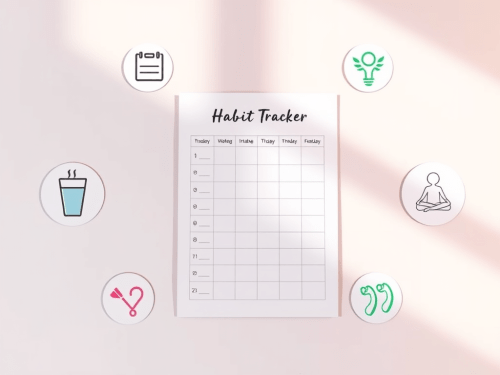
  • Track Progress: Use journals or apps to monitor your habits.
  • Reward Yourself: Celebrate small victories to stay motivated.

9. Financial Well-being

Financial health is an often-overlooked aspect of a healthy lifestyle but is crucial for reducing stress.

Tips:

  • Budgeting: Create a monthly budget to track expenses and savings.
  • Emergency Fund: Set aside a small amount each month for unexpected expenses.
  • Financial Education: Utilize online courses or books to improve financial literature.

10. Continuous Learning

Keeping your mind active and engaged is essential for cognitive health and personal growth.

Tips:

  • Read Regularly: Dedicate time each day to reading books or articles.
  • Enroll in Courses: Online platforms like Coursera offer a plethora of courses on various topics.
  • Attend Workshops and Seminars: Participate in local events to enhance your knowledge.

Conclusion

Embracing a healthy lifestyle is a journey that involves making conscious choices and building habits that promote well-being. From balanced nutrition and regular exercise to mindfulness and financial health, each strategy plays a vital role in enhancing your quality of life. Remember, small changes can lead to significant improvements over time.

As you begin to adopt healthy habits, ask yourself: What steps will you take today towards a healthier lifestyle? How can these changes positively impact your family and community? Embrace the challenge and enjoy the process of becoming the best version of yourself.

Here’s to a healthier, happier you!

5 Wellness Hacks for Busy Women

Prepare healthy snacks

Life as a busy woman often feels like a constant whirlwind. Between work, family, and social commitments, it can be challenging to prioritize your own well-being. But remember, selfcare isn’t selfish – it’s essential for your physical and mental health.

This isn’t about radical life overhauls or demanding wellness regimens. These are simple, practical hacks designed to fit easily into you already busy schedule.

1. The “Two-Minute Rule”

We’ve all been there: a mountain of small tasks looming over us, each task seems insignificant, but collectively, they drain our energy. This is where the “Two-Minute Rule” comes in.

The principle is simple: If a task takes two minute or less to complete, do it immediately. Anything from answering a quick email to putting dishes in the dishwasher.

By tackling these small tasks promptly, you keep them from piling up and creating a sense of overwhelm. This frees up mental space and it gives you a sense of accomplishment.

2. Mindful Movement: Sneak it in

Finding time for dedicated exercise can feel impossible when your schedule is packed. But, physical activity doesn’t have to be a formal workout.

*Take movement breaks – Take short, active breaks throughout the day. Instead of sitting at a desk all day, stand up and stretch every 30 minutes
*Walk during your lunch break – Fresh air and sunshine does wonders for your body and your mind.
*Move during everyday activities – Take the stairs instead of the elevator, park far away, do some squats or leg lifts while you wait for the kettle to boil.

These short bursts of activity can significantly boost your energy and improve your overall well-being.

3. Batch Similiar Task

Feeling scattered and unproductive? Try batching similar tasks together.

*Schedule all of your phone calls together.
*Dedicate an afternoon to running errands.
*Plan meals for the week. (Eliminating the “what’s for dinner?” dilemma.)

By grouping similar tasks, you streamline your workflow and increase your efficiency.

4. Prioritize Sleep

Sleep is often the first thing to go when life gets busy. But skimping on sleep can have significant negative impacts on you mood, energy level, and overall health. Here’s some tips to help

*Establish a relaxing bedtime routine.
*Create an environment that’s conducive to sleep. (Think dark, quiet, cool.)

Prioritize sleep even when your short on time. That 15-20 minutes of sleep makes a big difference in your overall health and well-being.

5. The Power Hour

In the hustle and bustle of daily life, it’s easy to forget to do things that bring you joy and fulfillment.

Dedicate one hour each day to something that you enjoy. Whether it’s reading, painting, spending time in nature, or simply relaxing with a cup of tea, this power hour allows you to recharge, reduce stress, and cultivate a sense of balance in your busy life.

Remember: Consistency is Key

These wellness hacks are most effective when practiced consistently. Start with one or two and gradually incorporate more as they become habits. Selfcare isn’t about perfection. It’s about finding small, sustainable ways to prioritize your well-being amidst the chaos of everyday life.

Simple Self-Care Rituals to Start the New Year Strong

The start of a new year is the perfect time to embrace small changes that can make a big difference in your life. You don’t need a long list of resolutions or drastic measures to feel your best. Instead, focus on simple, sustainable self-care rituals that fit easily into your daily routine.

Here are five easy ways to start the year feeling refreshed, balanced, and ready to take on whatever comes your way.

1. Begin Your Day with Intention

How you start your morning sets the tone for your entire day. Take a few minutes each morning to ground yourself. This could mean sitting quietly with your coffee or tea, writing a quick to-do list, or practicing a moment of gratitude. For example, jot down three things you’re thankful for or something you’re looking forward to that day. This small act can shift your mindset and help you approach your day with a positive outlook.

2. Stay Hydrated

Drinking enough water is one of the easiest self-care habits to maintain, yet it’s often overlooked. Proper hydration boosts energy, supports digestion, and helps you feel more focused. Keep a reusable water bottle nearby and sip throughout the day. If plain water feels boring, add slices of lemon, cucumber, or a handful of berries for natural flavor. Aim for at least eight glasses a day, but listen to your body—it’ll let you know when you need more.

3. Move Your Body Daily

You don’t need to commit to an intense workout routine to feel the benefits of movement. Gentle activities like a 10-minute walk, light stretching, or dancing to your favorite song can work wonders for your mood and energy levels. Find something you enjoy, and don’t worry about perfection. The key is consistency—a little movement each day can add up to big results over time.

4. Simplify Your Meals

Eating well doesn’t have to be complicated. Start by adding one extra fruit or vegetable to your meals each day. Choose foods that make you feel good and provide the energy you need to tackle your day. A simple breakfast of oatmeal with fresh berries or a quick salad with your favorite toppings at lunch can keep you nourished without overwhelming your schedule.

5. Unplug and Recharge

In a world that never seems to slow down, taking breaks from technology can be a form of self-care. Set aside 30 minutes each evening to unplug from screens. Use this time to read, journal, or simply relax. Giving your mind a break from constant stimulation helps improve sleep and leaves you feeling more present in your daily life.

Final Thoughts

Self-care doesn’t have to be time-consuming or complicated. By focusing on small, achievable habits, you can create a foundation of well-being that supports you all year long. Start with one or two rituals from this list, and see how they make you feel. Remember, self-care is not about being perfect; it’s about showing up for yourself in ways that feel good and sustainable. Here’s to a happy, healthy new year!

Relieve Stress with Simple Mindfulness Practices

A middle-aged woman of color sitting outdoors in a relaxed environment, practicing a breathing exercise to relieve stress and anxiety. She appears calm and focused, with her eyes closed and her hands resting gently on her lap, surrounded by nature.

Stress and anxiety are part of life, but they don’t have to control it. If you’ve been feeling overwhelmed, you’re not alone. Many of us face daily stress from work, family, or just trying to balance everything. The good news? There are simple techniques you can practice to help reduce stress and bring more calm into your life. Let’s explore two powerful tools: guided meditation, and breathing exercises.

1. Guided Meditation

Guided meditation is a fantastic way to calm your mind and ease anxiety. If you’ve never meditated before, don’t worry, guided meditation makes it easy by providing step-by-step instructions, often with a soothing voice leading you through the process.

During a guided meditation, you might focus on your breath, a peaceful scene, or a specific thought that brings you calm. The aim is to gently pull your mind away from the chaos of daily life and into a state of peace. Studies have shown that regular meditation can lower cortisol levels, the hormone responsible for stress. Just 5-10 minutes a day can make a big difference.

You can try free guided meditation apps. I use an app called Moonly, or there is a wide range of guided meditations on YouTube.

If you’re new to meditation, starting with a guided session is a great way to feel comfortable and get the most out of your practice.

2. Breathing Exercises

Breathing exercises are another simple but effective way to reduce stress. When we’re anxious, our breathing becomes shallow, signaling to our body that we’re in danger. This can trigger the “fight or flight” response, making us feel even more stressed. By practicing deep, controlled breathing, we can reverse this process, telling our body and mind to relax.

A popular breathing technique is the 4-7-8 method:

  • Inhale through your nose for 4 seconds.
  • Hold your breath for 7 seconds.
  • Exhale slowly through your mouth for 8 seconds.

Doing this just a few times can quickly reduce tension and bring a sense of calm. (I use this at night, after I’ve gone to bed. It never fails to help me fall asleep.)

Anytime you feel stress building, take a moment to practice this breathing technique. It’s easy to do anywhere—whether you’re at home, work, or even in the car. With practice, it can become your go-to tool for managing anxiety.

Final Thoughts

Stress and anxiety don’t have to dominate your life. With simple mindfulness practices like guided meditation and breathing exercises, you can take back control and feel more relaxed. If you’re ready to explore these techniques further and find what works best for you, I’m here to help. Contact me today for a personalized session, and let’s work together to bring more calm into your everyday life.

Top 4 Common Wellness Issues and How to Overcome Them

Stop the struggle with common issues like stress, fatigue, poor sleep, and difficulty managing weight

In today’s fast-paced world, maintaining wellness can be a challenge. Many of us struggle with common issues like stress, fatigue, poor sleep, and difficulty managing weight. As a wellness guide, I want to shed light on these issues and offer practical solutions to help you take control of your health.

1. Stress and Anxiety

Stress and anxiety are among the most prevalent wellness concerns. Whether triggered by work, relationships, or daily life, chronic stress can lead to physical and mental health problems, including anxiety, high blood pressure, and heart disease.

A Solution for Stress And Anxiety:

Incorporating mindfulness practices such as guided meditation or breathing exercises can significantly reduce stress. In just 5-10 minutes a day, you can experience a sense of calm and relaxation.

2. Fatigue and Low Energy

Feeling tired all the time? Fatigue and low energy often result from poor nutrition, lack of exercise, or dehydration. Without addressing these root causes, you may feel drained and sluggish throughout the day.

Solutions for Fatigue And Low energy:

Hydration, balanced meals rich in nutrients, and regular physical activity can revitalize your energy.

3. Poor Sleep

Insomnia and poor sleep quality are common wellness problems that affect mood, memory, and productivity. Improving sleep is essential for mental and physical health.

Solutions for Sleep Problems:

Establishing a bedtime routine, minimizing screen time before bed, and practicing relaxation techniques can enhance sleep quality.

4. Weight Management

Weight management is a common issue, often compounded by stress, busy schedules, and unhealthy habits. Sustainable weight loss isn’t about fad diets, but rather building lasting habits.

Solutions for Weight Management:

Mindful eating, regular movement, and mindset shifts can make all the difference.

If you’re ready to take control of your wellness journey, I’m here to help. Contact me today to learn how we can work together to create a personalized wellness plan that supports your goals.

Grace and ease

Wellness Guidance

I want to make a difference in people’s lives, in the health and wellness arena, specifically I want to guide people in living a wellness lifestyle with grace and ease.

Widow & Empty Nestor

As a widow whose is grappling with an empty nest, I have come to rely on, (more like depend on), wellness practices to keep from “going off the deep end.” Do you ever feel like you are on the tip of falling off a ledge that you may not be able to recover from?

That was me a few years ago.

To make a long story short, I have a few wellness practices that I can rely on to help me live life with grace and ease.

Here’s the definition of living life with grace and ease, according to AI.

“Living life with grace and ease is about finding a sense of inner peace and calmness that allows you to navigate life’s challenges with resilience and composure. It’s about accepting that life will have its ups and downs, but approaching them with a gentle strength and a positive attitude.

I couldn’t have said it better myself.

Follow along with me to learn some wellness practices that I’m sure will help you too.

Cheers

My Journey as a Wellness Guide: Nurturing Mind, Body, and Soul

As a wellness guide, I am here to help you nurture not just your body but also your mind and soul. My passion for holistic well-being stems from my own transformative experience.

Several years ago, I was in the midst of grieving the sudden death of my spouse, followed shortly by the death of my father from cancer. I was overwhelmed by grief, uncontrollable anger, struggling with poor health habits (including smoking and an addiction to drinking soda), and feeling disconnected from my inner self. It was a wake-up call that propelled me onto a path of self-discovery and healing.

Through diligent research, introspection, and a willingness to learn, I experimented with various wellness practices, from mindful meditation to nourishing nutrition. Each step brought me closer to a profound understanding of the interconnectedness of mind, body, and soul.

As I implemented these practices into my daily life, I experienced a remarkable transformation. I found inner peace, vitality, and a renewed sense of purpose. Thankfully I have stopped smoking and I have stopped drinking soda too. Inspired by my own journey, I have committed to sharing these invaluable insights with others.

I am a graduate of the Institute of Integrative Nutrition as a health coach. However, it’s not just the formal training that qualifies me as a wellness guide—it’s the authenticity of my journey and my willingness to share my insights and experiences.

Through this blog, Facebook, and emails (sign up here), I encourage women nearing retirement and empty nesters to begin on their own wellness journey. I believe that true well-being is not a destination but a lifelong pursuit, and I am honored to support others in their quest for health, happiness, and fulfillment.

Let’s go on this transformative journey together, nurturing mind, body, and soul every step of the way.

Use this breathing practice to help you fall asleep and anytime you need to calm your nerves.