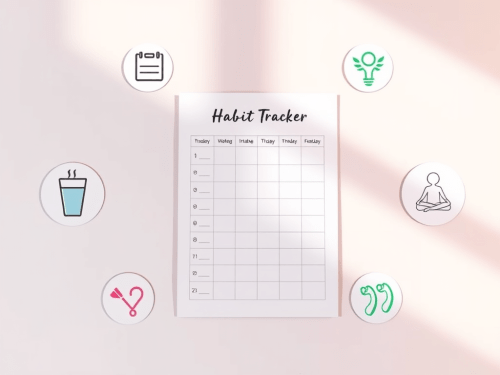
7 Simple Ways to Boost Your Energy Without Relying on Caffeine

When your energy dips, it’s easy to reach for a cup of coffee or an energy drink. And while caffeine can give you a quick boost, it often leads to a crash later, leaving you even more tired. The good news? You don’t need caffeine to feel more awake and alert. There are plenty of simple, natural ways to boost your energy that won’t leave you jittery or drained.

If you’re ready to feel more energized throughout the day without relying on coffee refills, here are seven easy and effective strategies.

1. Get Moving (Even for Just a Few Minutes)

When you’re low on energy, moving your body might feel like the last thing you want to do. But even a short burst of activity can give you a surprising energy lift.

Why? Physical movement gets your blood flowing, which delivers more oxygen to your brain and muscles. This wakes up your body and sharpens your focus.

Try this:

  • Walk around the block or take a few laps inside your home.
  • Do 10 jumping jacks or march in place for a minute.
  • Stretch your arms and legs to loosen up tight muscles.

You don’t need a full workout—just a little movement can help you shake off fatigue.

2. Hydrate, Hydrate, Hydrate

Dehydration is a sneaky energy zapper. Even mild dehydration can leave you feeling sluggish and foggy. Since your body relies on water to transport nutrients and oxygen, being low on fluids slows everything down.

Try this:

  • If you’re feeling tired, drink a full glass of water and wait 15–20 minutes. You might be surprised by how much better you feel.
  • Carry a water bottle with you throughout the day as a reminder to stay hydrated.
  • If plain water feels boring, add lemon slices, cucumber, or berries for a natural flavor boost.

3. Step Outside for Fresh Air and Sunlight

A few minutes of natural light and fresh air can do wonders for your energy levels. Sunlight helps regulate your body’s internal clock (circadian rhythm), which makes you feel more awake during the day and sleepier at night.

Try this:

  • Take a 5–10 minute walk outside during your lunch break.
  • If you’re stuck indoors, step outside for a quick stretch.
  • Open a window and breathe in the fresh air.

Even a short exposure to sunlight can improve your mood and help you feel more alert.

4. Snack Smart for Steady Energy

Sugary snacks might give you a temporary rush, but they quickly lead to an energy crash. Instead, opt for snacks that provide a steady release of energy by combining protein, fiber, and healthy fats.

Try this:

  • Apple slices with peanut butter
  • A handful of nuts and seeds
  • Greek yogurt with a sprinkle of granola
  • Carrot sticks with hummus

Balanced snacks keep your blood sugar stable, helping you avoid the rollercoaster of highs and lows.

5. Use Deep Breathing to Recharge

When you’re tired, your breathing tends to become shallow, which reduces the amount of oxygen reaching your brain. Taking a few deep, intentional breaths helps you feel more awake.

Try this:

  • Inhale slowly through your nose for a count of four.
  • Hold the breath for four seconds.
  • Exhale slowly through your mouth for four seconds.
  • Repeat this a few times and notice how you feel.

Deep breathing increases oxygen flow and calms your nervous system, giving you a natural energy boost.

6. Take a Power Nap (But Keep It Short)

If you have the flexibility, a quick nap can help you recharge—just make sure it’s short. Naps between 10–20 minutes can improve alertness and mood without making you feel groggy.

Try this:

  • Set an alarm for 20 minutes or less.
  • Find a quiet, comfortable spot.
  • Keep the room dark or wear an eye mask to fall asleep faster.

Short naps give you a mental reset without interfering with nighttime sleep.

7. Listen to Upbeat Music

Music is a powerful tool for shifting your mood and energy levels. Fast-paced, upbeat music stimulates your brain and can make you feel more lively, even when you’re tired.

Try this:

  • Create an “energy boost” playlist with your favorite lively songs.
  • When you feel sluggish, put on a song that makes you want to move.
  • Dance around or sing along—it’ll lift your energy even more.

Music activates your brain’s reward center, giving you a quick boost of feel-good energy.

You Don’t Need Caffeine to Feel Energized

While caffeine can give you a temporary lift, it’s not the only way to stay energized. By moving your body, hydrating, getting fresh air, snacking smart, and practicing deep breathing, you can naturally boost your energy throughout the day—no crash required.

The next time you feel drained, try one of these simple tips. You might be surprised by how quickly your energy bounces back – naturally.


When You Know What to Do, But Your Brain Won’t Let You


Have you ever known exactly what you should do to feel better, but you just can’t seem to do it? You tell yourself to go for a walk, reach out to a friend, drink some water, or finally make that therapy appointment—but instead, you sit there, stuck.

If this sounds familiar, you’re not alone.

Mental health struggles can feel like a paradox. You might have all the knowledge, all the tools, and even a plan—but when it comes time to take action, something inside holds you back. It’s frustrating. It’s exhausting. And worst of all, it can make you feel like you’re failing.

But here’s the truth: You’re not failing. Your brain is struggling.

Why Does This Happen?

When we talk about mental health, we often focus on solutions—exercise, mindfulness, therapy, routines. But when your brain is in survival mode, those solutions can feel impossible.

Here’s why:

  • Your brain sees everything as too much. When you’re overwhelmed, even small tasks can feel like climbing a mountain. Your brain isn’t trying to be difficult—it’s just stuck in a loop of exhaustion.
  • Low motivation isn’t laziness. Depression, anxiety, and stress can make even basic tasks feel like monumental efforts. It’s not that you don’t want to help yourself—you just can’t find the energy.
  • Your mind can work against you. Sometimes, mental health struggles come with a voice that whispers, What’s the point? It won’t help anyway. That voice isn’t the truth—it’s just a symptom of what you’re going through.

So, What Can You Do?

If you’re in this place, you don’t need a long list of “fixes.” You need small, doable steps that help you move forward without feeling overwhelmed.

1. Shrink the Task

If something feels too big, make it smaller. Instead of “I should clean my house,” try “I’ll pick up one thing.” Instead of “I need to exercise,” try “I’ll stretch for 30 seconds.”

Momentum starts with the smallest step. And when you take one, your brain starts to believe you can take another.

2. Talk to Yourself Like a Friend

If someone you loved was struggling, you wouldn’t tell them they’re lazy or failing. So why say that to yourself? Try, I know this is hard, but I’m doing my best today.

3. Remove the Pressure

Sometimes, the weight of “I have to do this” makes everything harder. What if, instead, you told yourself, I don’t have to do it all, but I can try one thing?

Giving yourself permission to do less can actually help you do more.

4. Reach Out in the Easiest Way Possible

If talking feels like too much, send a text. If a phone call feels overwhelming, message a friend with just a simple “Hey.” You don’t have to explain everything—you just have to break the silence.

5. Let Someone Else Help You Decide

When your brain is stuck, decision-making can feel impossible. Ask someone you trust: What’s one thing I could do today to feel just a little better? Sometimes, an outside perspective makes all the difference.

You’re Not Broken—You’re Just Struggling

It’s easy to feel like you should be able to think your way out of this. But mental health doesn’t work that way. Healing isn’t about forcing yourself to be “better”—it’s about meeting yourself where you are and taking steps, even tiny ones, toward feeling okay again.

And if you take nothing else from this, remember: Struggling doesn’t mean you’re failing. It just means you need support.

So if your brain is making everything feel impossible today, try one small step. Just one. It doesn’t have to be perfect. It just has to be something.

And if today isn’t the day? That’s okay too. Tomorrow is another chance.

What Do You Want to Learn About Wellness?


When it comes to health and wellness, there’s no one-size-fits-all approach. We all have different needs, different challenges, and different goals. Some of us want to feel more energetic, some want to manage stress better, and others just want simple, realistic ways to take better care of ourselves.

That’s why I want to hear from you.

What questions do you have about wellness? What’s been on your mind when it comes to feeling your best? Whether you’re curious about healthy habits, self-care, movement, mindfulness, or anything in between, I want to make sure the content I share is helpful and relevant to you.

Wellness That Fits Your Life

There’s so much information out there about health, fitness, and self-care—sometimes it’s overwhelming. One expert says one thing, another says the opposite. It’s easy to get stuck in a cycle of reading, researching, and overthinking instead of taking small steps that actually make a difference.

That’s why I focus on real-life wellness—the kind that fits into your daily routine without feeling like another chore on your to-do list. I want to help you find what works for you rather than giving you a long list of things you “should” be doing.

But to do that, I need to know what you’re struggling with or what you’d like to learn more about.

Common Wellness Questions—Do Any of These Sound Like You?

If you’re not sure where to start, here are some common wellness topics people often ask about:

  • Simple ways to boost energy without relying on caffeine
  • How to create a self-care routine that actually works
  • Easy meal ideas for busy days
  • How to improve sleep naturally
  • Ways to stay consistent with healthy habits
  • Mindfulness and stress relief techniques that don’t take much time
  • How to move your body in ways that feel good, not like punishment

Do any of these resonate with you? Or do you have something else on your mind when it comes to wellness? Let me know—I’d love to create content that supports you on your journey.

Let’s Make Wellness Simple and Doable

Wellness doesn’t have to be complicated. It doesn’t have to be about strict diets, exhausting workouts, or rigid routines. Instead, it can be about small, sustainable choices that help you feel better—not overwhelmed.

So tell me, what do you want to learn more about? Drop your thoughts in the comments or send me a message. Your input will help shape future blog posts, emails, and community discussions.

I’m here to support you in a way that makes sense for your life. Let’s build a wellness journey that feels good—together.


Understanding the Lymphatic System

When it comes to health and wellness, we often hear about the heart, brain, and digestive system. But there’s another important system in your body that deserves attention—the lymphatic system. While it doesn’t always get the spotlight, it plays a crucial role in keeping you healthy and feeling your best.

So, what exactly is the lymphatic system, and why should you care? Let’s dive into the basics.

What is the Lymphatic System?

The lymphatic system is a network of vessels, nodes, and organs that work together to remove waste, toxins, and excess fluids from your body. Think of it as your body’s drainage system, helping to keep things running smoothly.

It consists of:

  • Lymph – A clear fluid that carries waste, toxins, and immune cells.
  • Lymph nodes – Small, bean-shaped structures that filter harmful substances and produce immune cells.
  • Lymphatic vessels – Tubes that transport lymph throughout the body.
  • Organs like the spleen and thymus – These help produce and store immune cells.

This system works quietly behind the scenes to support your immune function and maintain fluid balance in your body.

Why is the Lymphatic System Important?

The lymphatic system has several essential functions:

  1. Removes Toxins and Waste – Just like taking out the trash keeps your home clean, the lymphatic system helps clear waste from your body.
  2. Supports Immunity – It plays a key role in defending against illness by carrying immune cells that fight infections.
  3. Maintains Fluid Balance – It prevents swelling by removing excess fluid from tissues and returning it to the bloodstream.
  4. Absorbs Nutrients – The lymphatic system helps absorb fats and fat-soluble vitamins from the digestive system.

Signs of a Sluggish Lymphatic System

When the lymphatic system isn’t working efficiently, waste and toxins can build up, leading to symptoms like:

  • Feeling sluggish or fatigued
  • Puffiness or swelling (especially in the legs or face)
  • Frequent colds or infections
  • Stiffness, especially in the morning
  • Skin issues like acne or dull complexion

While some of these symptoms can have multiple causes, supporting your lymphatic system can help you feel more energized and balanced.

How to Support Your Lymphatic System

Unlike the circulatory system, which has the heart to pump blood, the lymphatic system relies on movement to keep things flowing. Here are simple ways to support it:

  1. Move Your Body – Exercise, stretching, and even gentle movement like walking help stimulate lymph flow.
  2. Drink Plenty of Water – Hydration is key for keeping lymph fluid moving.
  3. Dry Brushing – Using a natural bristle brush on dry skin before a shower can encourage lymphatic circulation.
  4. Deep Breathing – Taking slow, deep breaths helps move lymph through the body.
  5. Massage and Lymphatic Drainage – Gentle massage techniques can help stimulate lymph flow and reduce swelling.
  6. Eat Nutrient-Rich Foods – Foods like leafy greens, citrus fruits, and healthy fats support lymphatic function.
  7. Reduce Toxins – Limiting processed foods, alcohol, and chemical-laden products can ease the burden on your lymphatic system.

Final Thoughts

The lymphatic system may not always get the attention it deserves, but it plays a vital role in your overall health. By making small lifestyle changes, you can support this essential system and help your body function at its best.

Have you ever thought about your lymphatic health? Try incorporating one or two of these tips into your routine and see how you feel.

How to Stay Motivated on Your Wellness Journey

Starting a wellness journey is exciting, but staying motivated can be challenging. Life gets busy, progress feels slow, and sometimes it’s easier to fall back into old habits. But the good news is that motivation isn’t something you either have or don’t have—it’s something you can create and maintain.

Here’s how to stay motivated on your wellness journey, even when the initial excitement fades.

1. Set Meaningful Goals

Instead of vague goals like “I want to be healthier,” set specific and realistic goals that matter to you. Whether it’s having more energy, being more flexible, having less pain, or simply feeling good in your body, defining your why will give you a reason to keep going.

Break big goals into smaller, achievable steps. Celebrating small wins will keep you motivated and help you stay on track.

2. Focus on Progress, Not Perfection

One of the biggest motivation killers is the belief that you have to be perfect. A wellness journey isn’t about following strict rules—it’s about making gradual improvements.

Missed a workout? Ate something that wasn’t part of your plan? That’s okay! What matters is what you do most of the time, not what happens once in a while. Give yourself grace and keep moving forward.

3. Find Activities You Enjoy

If your wellness routine feels like a chore, it’s going to be hard to stick with it. The best way to stay motivated is to choose activities that you actually like.

Don’t enjoy running? Try dancing, yoga, hiking, or swimming instead. Love cooking? Experiment with new healthy recipes. Wellness should enhance your life, not feel like a punishment.

4. Create a Routine That Fits Your Lifestyle

Motivation often fades when wellness feels like another obligation. Instead of trying to squeeze in workouts and meal prep around a busy schedule, find ways to integrate them into your daily life.

Take short walks during lunch breaks, prepare simple healthy meals, or stretch before bed. The easier your routine is to maintain, the more likely you are to stick with it.

5. Track Your Progress

Seeing how far you’ve come is one of the best ways to stay motivated. Keep a journal, take progress photos, or use an app to track workouts and habits. Even small improvements—like more energy, better sleep, or fewer cravings—are signs of progress worth celebrating.

6. Surround Yourself with Support

Motivation thrives in a supportive environment. Connect with friends, family, or an online community that shares your goals. Having people to encourage you, celebrate your wins, and lift you up when you struggle makes a huge difference.

If possible, find a wellness buddy. Exercising or meal planning with someone else can make the process more enjoyable and keep you accountable.

7. Keep It Fun and Fresh

Doing the same thing over and over can lead to boredom and burnout. Keep your wellness journey exciting by trying new things.

Switch up your workouts, try different healthy recipes, explore new outdoor activities, or take a wellness class. Variety keeps things interesting and helps prevent plateaus.

8. Practice Self-Compassion

It’s normal to have setbacks. Instead of being hard on yourself, recognize that progress isn’t always linear. What’s important is that you keep showing up for yourself, even when things don’t go perfectly.

When you feel discouraged, remind yourself why you started. Take a deep breath, refocus, and keep going. Your wellness journey is about feeling your best—not about being perfect.

Final Thoughts

Staying motivated on your wellness journey isn’t about willpower—it’s about setting yourself up for success. Find joy in the process, celebrate progress, and be kind to yourself along the way.

What’s one thing that keeps you motivated? Share in the comments—I’d love to hear your thoughts!

10 Effective Ways to Live a Healthy Lifestyle

In today’s fast-paced world, maintaining a healthy lifestyle can feel like a daunting task. Yet, with the right strategies, it’s not only achievable but also rewarding. A healthy lifestyle is not just about eating right or exercising but encompasses various aspects of our lives, contributing to our overall well-being.

According to the World Health Organization, a healthy lifestyle can prevent up to 80% of heart disease, stroke, and type 2 diabetes.

Let’s explore ten effective ways to embrace a healthy lifestyle.

1. Balanced Nutrition

Eating a balanced diet is fundamental to a healthy lifestyle. It provides essential nutrients that fuel our bodies and support bodily functions.

Tips:

  • Eat a Variety of Foods: Incorporate a mix of fruits, vegetables, lean proteins, and whole grains.
  • Portion Control: Use smaller plates to help manage portion sizes.
  • Limit Processed Foods: Opt for fresh, whole foods whenever possible

2. Regular Physical Activity

Exercise is crucial for maintaining a healthy lifestyle. It strengthens the heart, improves circulation, and boosts mental health.

Tips:

  • Set Realistic Goals: Aim for at least 150 minutes of moderate exercise weekly.
  • Mix It Up: Combine aerobic exercises with strength training.
  • Stay Consistent: Create a routine that fits your lifestyle.

3. Mindfulness and Meditation

Mindfulness and meditation can significantly reduce stress and improve mental health.

Tips:

  • Start Small: Begin with just five minutes of meditation each day.
  • Use Guided Sessions: Apps like Headspace offer guided meditations for beginners.
  • Practice Mindfulness Daily: Focus on being present in everyday tasks.

4. Adequate Sleep

Quality sleep is as integral to a healthy lifestyle as diet and exercise. The CDC states that adults need 7-9 hours of sleep per night.

Tips:

  • Create a Sleep Schedule: Go to bed and wake up at the same time daily.
  • Limit Screen Time Before Bed: Reduce exposure to screens at least an hour before sleeping.
  • Create a Relaxing Environment: Ensure your bedroom is dark, quiet, and cool.

5. Social Connections

Building and maintaining strong social connections is vital for emotional health.

Tips:

  • Schedule Regular Meet-Ups: Plan weekly or monthly gatherings with friends or family.
  • Join Clubs or Groups: Engage in community groups or clubs that align with your interests.
  • Volunteer: Volunteering can help build connections while contributing to the community.

6. Digital Detox

Taking regular breaks from digital devices can improve mental health and productivity.

Tips:

  • Set Specific Times for Digital Use: Allocate specific periods for checking emails or social media.
  • Engage in Offline Activities: Try hobbies that don’t involve screens, like gardening or crafting.
  • Create Tech-Free Zones: Designate spaces in your home where electronics are not allowed.

7. Hydration

Staying hydrated is critical for maintaining energy levels and supporting bodily functions.

Tips:

  • Carry a Water Bottle: Keep a reusable water bottle with you at all times.
  • Set Reminders: Use apps or alarms to remind you to drink water regularly.
  • Infuse with Flavor: Add fruits or herbs to your water for a refreshing taste.

8. Healthy Habits

Developing healthy habits can lead to long-term benefits.

Tips:

  • Start Small: Focus on one habit at a time to avoid overwhelm.
  • Track Progress: Use journals or apps to monitor your habits.
  • Reward Yourself: Celebrate small victories to stay motivated.

9. Financial Well-being

Financial health is an often-overlooked aspect of a healthy lifestyle but is crucial for reducing stress.

Tips:

  • Budgeting: Create a monthly budget to track expenses and savings.
  • Emergency Fund: Set aside a small amount each month for unexpected expenses.
  • Financial Education: Utilize online courses or books to improve financial literature.

10. Continuous Learning

Keeping your mind active and engaged is essential for cognitive health and personal growth.

Tips:

  • Read Regularly: Dedicate time each day to reading books or articles.
  • Enroll in Courses: Online platforms like Coursera offer a plethora of courses on various topics.
  • Attend Workshops and Seminars: Participate in local events to enhance your knowledge.

Conclusion

Embracing a healthy lifestyle is a journey that involves making conscious choices and building habits that promote well-being. From balanced nutrition and regular exercise to mindfulness and financial health, each strategy plays a vital role in enhancing your quality of life. Remember, small changes can lead to significant improvements over time.

As you begin to adopt healthy habits, ask yourself: What steps will you take today towards a healthier lifestyle? How can these changes positively impact your family and community? Embrace the challenge and enjoy the process of becoming the best version of yourself.

Here’s to a healthier, happier you!

Simple Self-Care Rituals to Start the New Year Strong

The start of a new year is the perfect time to embrace small changes that can make a big difference in your life. You don’t need a long list of resolutions or drastic measures to feel your best. Instead, focus on simple, sustainable self-care rituals that fit easily into your daily routine.

Here are five easy ways to start the year feeling refreshed, balanced, and ready to take on whatever comes your way.

1. Begin Your Day with Intention

How you start your morning sets the tone for your entire day. Take a few minutes each morning to ground yourself. This could mean sitting quietly with your coffee or tea, writing a quick to-do list, or practicing a moment of gratitude. For example, jot down three things you’re thankful for or something you’re looking forward to that day. This small act can shift your mindset and help you approach your day with a positive outlook.

2. Stay Hydrated

Drinking enough water is one of the easiest self-care habits to maintain, yet it’s often overlooked. Proper hydration boosts energy, supports digestion, and helps you feel more focused. Keep a reusable water bottle nearby and sip throughout the day. If plain water feels boring, add slices of lemon, cucumber, or a handful of berries for natural flavor. Aim for at least eight glasses a day, but listen to your body—it’ll let you know when you need more.

3. Move Your Body Daily

You don’t need to commit to an intense workout routine to feel the benefits of movement. Gentle activities like a 10-minute walk, light stretching, or dancing to your favorite song can work wonders for your mood and energy levels. Find something you enjoy, and don’t worry about perfection. The key is consistency—a little movement each day can add up to big results over time.

4. Simplify Your Meals

Eating well doesn’t have to be complicated. Start by adding one extra fruit or vegetable to your meals each day. Choose foods that make you feel good and provide the energy you need to tackle your day. A simple breakfast of oatmeal with fresh berries or a quick salad with your favorite toppings at lunch can keep you nourished without overwhelming your schedule.

5. Unplug and Recharge

In a world that never seems to slow down, taking breaks from technology can be a form of self-care. Set aside 30 minutes each evening to unplug from screens. Use this time to read, journal, or simply relax. Giving your mind a break from constant stimulation helps improve sleep and leaves you feeling more present in your daily life.

Final Thoughts

Self-care doesn’t have to be time-consuming or complicated. By focusing on small, achievable habits, you can create a foundation of well-being that supports you all year long. Start with one or two rituals from this list, and see how they make you feel. Remember, self-care is not about being perfect; it’s about showing up for yourself in ways that feel good and sustainable. Here’s to a happy, healthy new year!

Breast Cancer Awareness: What Every Woman Should Know

A middle-aged woman, smiling and appearing happy and healthy, standing outdoors on a sunny day with a bright blue sky. She is enjoying the sunshine and nature, radiating positivity and well-being.

October is Breast Cancer Awareness Month, a time dedicated to raising awareness about the importance of early detection and education. Here are some tips to help you stay informed, protect your health, and empower yourself with knowledge.

Understanding Breast Cancer

Breast cancer is the most common cancer among women worldwide, but it can be successfully treated if detected early. It occurs when cells in the breast grow uncontrollably, forming a lump or mass. Early-stage breast cancer often doesn’t cause noticeable symptoms, making regular screenings crucial.

Why Early Detection Matters

One of the most effective ways to reduce the risk of advanced breast cancer is through early detection. Regular mammograms can find cancer before any physical symptoms appear, significantly increasing the chances of successful treatment. Women over 40, or younger women with a family history of breast cancer, should discuss a personalized screening plan with their healthcare provider.

How to Reduce Your Risk

While we can’t completely eliminate the risk, there are ways to reduce it. Here are some wellness tips:

  • Stay Active: Regular physical activity helps maintain a healthy weight, which can lower your risk.
  • Balanced Diet: A diet rich in fruits, vegetables, and lean proteins supports your immune system and overall health.
  • Limit Alcohol Consumption: Excessive alcohol intake has been linked to a higher risk of breast cancer.
  • Self-Exams: Regularly performing self-exams helps you stay familiar with your body and recognize any changes early on.

Support for Breast Cancer Patients

If you or a loved one is diagnosed with breast cancer, remember that support is very helpful. Many communities offer support groups, and there are numerous resources available for guidance on treatment options, emotional well-being, and lifestyle changes.

Take Action Today

Breast cancer awareness isn’t just for October. Make a commitment today to schedule your screening, support a loved one, or even just share this information. Your health is your greatest asset.

Remember: Awareness leads to action, and action saves lives.

The Doctor Says I Have To Lose 30 Pounds, Part Three

Introducing a three part series

Welcome to our three-part series, “The Doctor Says I Have To Lose 30 Pounds.” In this series, we’ll explore the emotional and physical challenges of life as a busy woman, give practical tips for making healthier choices, and offer strategies for long-term success. Whether you’re starting your own weight loss journey or thinking about starting one, this series is here to give you hope. Here is PART THREE. Part One is here in case you want to go back. Here is PART TWO.

It’s time to see the doctor

It’s time for her doctor’s appointment. The same doc that told her to lose thirty pounds. Yeah, that guy.

This appointment will be different though because she is different. She is happier, friendlier, and more relaxed. Her newfound joy is reflected in her eyes.

Small shifts = big changes

She has been drinking more water, sleeping better, and eating more mindfully. She is beginning to believe her daily affirmations could be true.

Her life is getting better. She is getting better.

She has joined an online book club and …drum roll please…and an online exercise group. She’s socializing and enjoying it a lot.

That 30 pounds

The doctor didn’t mention those pesky extra pounds because she feels so much better than she did.

Instead of recommending she lose weight, or take another prescription, the doctor congratulated her on her progress and said to keep it up.

Keep it up

Of course she is going to keep it up. Even when the going gets hard, she knows what a difference her small changes have made.

This is the life she has wanted for a long time.

Kudos to our friend. She is on her way to a healthy, happy life.


Grace and ease

Wellness Guidance

I want to make a difference in people’s lives, in the health and wellness arena, specifically I want to guide people in living a wellness lifestyle with grace and ease.

Widow & Empty Nestor

As a widow whose is grappling with an empty nest, I have come to rely on, (more like depend on), wellness practices to keep from “going off the deep end.” Do you ever feel like you are on the tip of falling off a ledge that you may not be able to recover from?

That was me a few years ago.

To make a long story short, I have a few wellness practices that I can rely on to help me live life with grace and ease.

Here’s the definition of living life with grace and ease, according to AI.

“Living life with grace and ease is about finding a sense of inner peace and calmness that allows you to navigate life’s challenges with resilience and composure. It’s about accepting that life will have its ups and downs, but approaching them with a gentle strength and a positive attitude.

I couldn’t have said it better myself.

Follow along with me to learn some wellness practices that I’m sure will help you too.

Cheers