Cultivating Inner Peace

Sunbeams around and through trees

Simple Habits for Mental and Emotional Wellness

Welcome back!

We’ve explored how intentional nourishment fuels the body and how movement empowers it.

Now, we arrive at the critical third pillar of holistic health, as introduced in our foundational post, A Holistic Approach to Health and Wellness

Inner Peace

In our always-on, hyper-connected world, achieving true mental and emotional wellness often feels like a luxury rather than a necessity. But the reality is, chronic stress and mental clutter are two of the biggest threats to your physical health. When this pillar is neglected, it undermines the benefits of a healthy diet and a consistent exercise routine.

Inner peace is not the absence of problems; it is the presence of resilience and the capacity to meet life’s challenges with a sense of grounded calm. Let’s explore simple, powerful habits for stress reduction and the cultivation of a truly peaceful mind.

The Power of the Pause: Mindfulness for Adults

The practice of mindfulness is your most powerful tool for cultivating inner peace.

Mindfulness simply means paying attention, on purpose, to the present moment without judgment. It moves you out of the looping worries about the past or anxieties about the future.

Meditation. You don’t need to sit cross-legged for an hour. Commit to five minutes daily. Focus on the sensation of your breath. When your mind inevitably wanders (and it will!), gently guide your attention back to the breath. This simple practice fundamentally rewires your brain for calmness.
Create mindful gaps between tasks. Before you leave work, take 60 seconds to close your eyes and take three deep breaths. Before you eat, take a moment to be grateful for the food. These mini-pauses prevent the day’s stress from compounding.

Use deep breathing as an anchor. When stress hits, your breath becomes shallow and rapid (the “fight or flight” response). Learning to intentionally practice diaphragmatic (belly) breathing sends a signal to your nervous system that you are safe, instantly lowering your heart rate and cortisol levels.

These are vital stress reduction techniques.

Sleep: The Cornerstone of Emotional Resilience

We often treat sleep as a negotiable luxury, but it is a biological necessity—and arguably the single most important habit for mental and emotional wellness. It is during sleep that your brain cleanses itself of metabolic waste, consolidates memories, and processes emotions.


Prioritize Consistency: Try to go to bed and wake up around the same time, even on weekends. This stabilizes your body’s natural circadian rhythm.
Create a “Wind-Down” Routine: An hour before bed, dim the lights and ditch the screens (smartphones, tablets, TV). Read a book, listen to gentle music, or take a warm bath. This signals to your brain that it’s time to switch from doing to being.
Optimize Your Sleep Environment: Ensure your bedroom is dark, quiet, and cool.

Journaling: Unloading the Mental Clutter

Your mind is for generating ideas, not for storing every single worry, to-do list item, and scattered thought. Writing things down is one of the most effective inner peace habits available.


Morning Pages (Brain Dump): Spend 5–10 minutes writing out whatever is on your mind, uncensored. This clears the clutter and allows you to start the day with more mental bandwidth.
Emotional Processing: If you are dealing with a difficult emotion, write about it. Naming the feeling and describing its cause reduces its intensity and allows you to gain perspective on the situation.
Boundary Setting: Journaling helps you identify what is causing you stress—be it overcommitment, a toxic relationship, or a poorly managed schedule. This clarity is the first step toward establishing the healthy boundaries needed for work-life balance.

The Practice of Non-Judgment

A huge source of mental distress is our internal self-criticism and judgment. The holistic path encourages self-compassion.


Talk to Yourself Like a Friend: When you make a mistake, notice the internal dialogue. Would you speak to your best friend the way you speak to yourself? Replace harsh judgment with gentle encouragement.
Accept What You Can’t Control: Acknowledge that life has uncertainties. Release the need to control outcomes and focus your energy only on the things that are within your sphere of influence (your actions, your effort, and your attitude).

Cultivating inner peace habits is the daily work of tending to your soul. When you commit to a foundation of mental and emotional wellness, you dramatically enhance your capacity to benefit from all the other pillars of holistic health. You become centered, resilient, and fully present for the beautiful life you are creating.

What is one small way you can create a “pause” in your busy day today to cultivate inner peace?

How Drinking Water Helps Support Healthy Blood Sugar

Sunshine, large body of water, walking on a pier


Some of the most powerful shifts in our health are the ones we tend to overlook, and drinking water is one of them. When someone is trying to manage their blood sugar, it’s easy to focus on food and forget that hydration plays a quiet but important role. Our bodies rely on water to move sugar out of the bloodstream and into the places it needs to go. When we’re dehydrated, everything slows down. A simple glass of water can help the body steady itself, stay clear, and find a healthier rhythm.

Staying hydrated isn’t a “big” wellness change. It’s a steady, supportive one. And sometimes those are the habits that make the biggest difference over time.


Why Dehydration Makes Blood Sugar Harder to Manage

When the body doesn’t have enough water, the blood becomes more concentrated. That means the sugar already in the bloodstream becomes more concentrated too. Even if someone hasn’t eaten anything new, dehydration alone can make blood sugar readings look higher.

The kidneys also play a steady, behind-the-scenes role in blood sugar control. When you’re hydrated, your kidneys help filter excess sugar out of the bloodstream so your body can let go of what it doesn’t need. But when you’re dehydrated, the kidneys can’t do that job as well. The body holds on to more sugar simply because it doesn’t have the water it needs to flush things through.

This is why so many people notice that when they start drinking more water, their numbers look smoother. It’s not a magic fix—it’s the body finally getting the help it needs.


Water Helps the Body Use Insulin More Effectively

Insulin works like a key, helping sugar move from the bloodstream into the cells. But if the body is short on water, that key doesn’t work quite as efficiently. The cells become a little more resistant, and the sugar stays floating in the bloodstream longer.

When you drink enough water:

Your cells become more receptive

Insulin can do its job better

Sugar moves where it’s supposed to go

Blood sugar levels are easier to balance


This is one of the reasons doctors and diabetes educators often ask about hydration. It isn’t just general advice—it genuinely helps the body stay responsive.


Water Supports the Liver, Kidneys, and Digestive System

Balanced blood sugar isn’t just about sugar. It’s about the whole body working together in a steady rhythm.

Your kidneys

They help remove excess sugar.
They depend on water to filter properly.

Your liver

It stores sugar when you have extra and releases it when you need it.
Hydration helps keep that system smooth and steady.

Your digestive system

When digestion slows because of dehydration, blood sugar swings can become more noticeable.
A well-hydrated body digests more predictably.

Water doesn’t “fix” everything, but it supports all the places where blood sugar balance actually happens.


How Much Water Helps?

Everyone’s needs are a little different, but most adults feel better when they aim for 6–8 cups of water a day. That can be plain water, herbal tea, sparkling water, or water flavored with fruit slices. The key is steady hydration, not perfection.

Signs you might need more water:

You feel tired for no clear reason

Your mouth is dry

You’re craving sweets more than usual

You’re unusually thirsty

Your urine is dark yellow

Your blood sugar readings feel higher or “stickier” than usual


Again—none of this means you’ve done anything wrong. It’s simply your body whispering that it needs a little more support.


Small Ways to Add More Water Into Your Day

It doesn’t have to be complicated. Try one or two of these:

Start your morning with a glass of water before anything else.

It wakes up the kidneys and gives your metabolism a gentle, clean start.

Carry a bottle that feels good in your hand.

You’re more likely to drink from something you enjoy using.

Add fruit, herbs, or cucumber for flavor.

Sometimes drinking water becomes easier when it tastes refreshing.

Drink a glass before meals.

This helps with digestion and makes blood sugar swings less dramatic.

Set a gentle reminder on your phone.

Not a loud alarm—just a soft nudge.

Pair water with habits you already have.

After brushing your teeth, after checking your Facebook group, after writing a few paragraphs of your blog.

Steady hydration is about rhythm, not rules.


Water Helps Reduce Sugar Cravings

Many people don’t realize this, but dehydration often mimics hunger or sugar cravings. When the body is even slightly low on water, it can send mixed signals that feel like:

“I need something sweet”

“I need a snack”

“I’m still hungry even after eating”


A glass of water often settles the craving because the body wasn’t asking for food—it was asking for hydration.

When your body is hydrated, you’re less likely to reach for the fast, sugary options your body uses for quick energy.


Water and Medication Safety

For those who take diabetes medications, staying hydrated helps your body process them comfortably. Some medications rely on proper kidney function, and water helps keep those organs supported. Hydration also keeps you from feeling light-headed or sluggish when your blood sugar shifts.

Always check in with your doctor or pharmacist if you take medication, but hydration is almost always part of their recommendations.


A Simple Practice to Try This Week

Choose a time of day when your mind feels clear—morning, afternoon, or evening.
Then add one new habit:

A glass of water at the same time every day.

Just one.

When that feels natural, add a second.
Small steps become big changes when you take them with consistency, not urgency.


Final Thoughts

You don’t have to overhaul your life to support your blood sugar. You don’t need extreme diets, harsh rules, or complicated systems. Sometimes the body just needs the basics—gentle, steady hydration that helps everything work a little more easily.

Water is simple.
But simple isn’t small.
Simple is powerful.

And the more you support your body with little habits like this, the more confident you’ll feel in your ability to care for yourself in ways that truly matter.

If you’re ready to bring more ease and steadiness into your wellness journey, stay connected with me. Subscribe for simple, supportive tips that help you care for your body in ways that feel doable, compassionate, and real.

Your next small step starts here.

Who am I and why should you read my blog?


🌿 Hi, I’m Suzanne — the heart and voice behind Suzanne Horrocks Wellness.


Around here, we do wellness a little differently. I’m not here to sell you a perfect routine, a green smoothie obsession, or a 6 a.m. bootcamp (unless that’s your thing — then I’ll cheer you on!).

What I am here to do is help you rediscover what self-care really means — in real life, with real people, and real laughter along the way.


My journey has taken me from chasing “healthy” to living well — with curiosity, kindness, and a good dose of humor.

I share stories, resources, and gentle challenges that make wellness feel less like a checklist and more like an adventure back to yourself.


If you’ve ever thought, “I want to feel better, but I don’t know where to start,” you’re in the right place.

Let’s take it one step, one breath, one sip of water at a time.


✨ Welcome to Suzanne Horrocks Wellness — where self-care gets real, lighthearted, and beautifully human.

How to Make Your Heart Beautiful

Todod los dias la gente se arregla el cabello. Por que no el ❤️?

I have a dear sweet friend that has been collecting art for most of her life. She also used to teach Spanish and traveled (and studied) in Mexico. I asked her to translate this piece. Here’s her response,

“Every day people fix/comb/arrange their hair, why not their heart?” I think the artist is saying fix your heart everyday like you do your hair. Make it a habit to make your heart beautiful


We spend so much time caring for our bodies — eating better, moving more, trying to stay healthy — yet the heart, the very center of our being, often gets overlooked. Not just the physical heart, but the spiritual one — the quiet space inside where love, compassion, and peace live.

Working on making your heart beautiful isn’t about being perfect or endlessly positive. It’s about tending your inner garden — pulling a few weeds, watering what’s growing, and letting more light in. Here are a few ways to do that in everyday life.


🌸 Practice Gentle Awareness

Start by simply noticing how your heart feels throughout the day.
When it feels heavy — pause and breathe.
When it feels open — pause and give thanks.
Awareness alone is healing. It’s like sunlight finding its way through the clouds.


🌿 Forgive Often (Including Yourself)

Nothing makes the heart more radiant than forgiveness. When we let go of resentment, we free ourselves from carrying the past around.
You can even whisper to yourself:

> “I choose to forgive and free my heart.”
You do this not for others, but for your own peace.


💛 Practice Loving-Kindness

Each day, send a quiet blessing — to yourself, to someone you love, to someone you struggle with, and to the world.
It can be as simple as:

> “May you be happy. May you be safe. May you live with ease.”
This practice softens the edges and opens the door to compassion.


🌷 Live from Gratitude

A beautiful heart sees beauty everywhere.
Try keeping a gratitude list — not just for what’s going well, but for what’s teaching you.
Gratitude changes the texture of your heart. It turns pain into wisdom.


🌻 Protect Your Peace

Being kind doesn’t mean you have to say yes to everything.
A beautiful heart also knows when to step back, rest, and protect its energy. Boundaries are an act of self-love — they keep your light strong and your love authentic.


🌼 Be of Service

There’s nothing that beautifies the heart quite like helping someone else.
A kind word, a smile, a listening ear — small acts polish the heart until it shines.
Service connects us, reminding us that love is meant to flow through us, not stop with us.


🌙 Rest and Receive

Your heart, just like your body, needs rest.
Quiet moments — in nature, in stillness, or in meditation — refill the well within you.
Give yourself permission to slow down, to listen, and to receive the peace that’s always been waiting for you.


A beautiful heart isn’t something we earn — it’s something we uncover.
With time, intention, and a little grace, it begins to glow from the inside out — guiding us toward gentler days and deeper love.

What Wellness Looks Like in Real Life

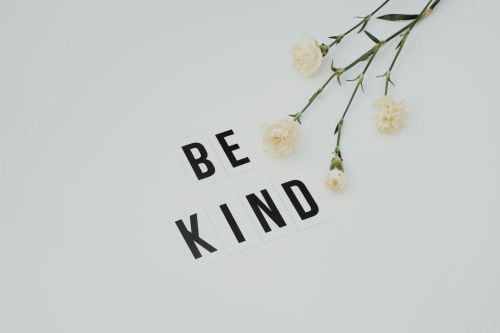
Be kind. White background. Pale yellow carnations.


If you scroll through social media, wellness can look like a curated dream — green smoothies in glass jars, spotless yoga mats, and early morning workouts on the beach. But in real life, wellness doesn’t always sparkle like that. It’s often a little messy, sometimes inconvenient, and usually a lot more human than what we see online.

For most of us, wellness isn’t about perfection. It’s about paying attention. It’s learning to listen to your body, give yourself grace, and make small choices that support the kind of life you actually want to live — not the one the internet tells you to have.

So what does wellness really look like in real life? Let’s take a look.


🌿 Wellness Looks Like Showing Up Imperfectly

Wellness isn’t about getting everything “right.”
It’s about showing up for yourself, even when things aren’t perfect.

Some days, it might mean going for a short walk because a full workout feels like too much. Other days, it might mean sitting on the porch with your morning coffee instead of rushing straight into emails. It’s the quiet decision to breathe before you react, to stretch your back before it aches, to pause before pouring another cup of caffeine.

Real wellness happens in those tiny moments of awareness — when you realize that you matter enough to slow down.


💧 Wellness Looks Like Listening to Your Body

Our bodies are always whispering to us, but it takes practice to hear them.

Sometimes they whisper, “I’m thirsty.”
Sometimes it’s, “I need rest.”
And sometimes it’s a quiet, “Please don’t push me today.”

We live in a world that rewards constant productivity, but your body isn’t a machine. Listening to what it needs is one of the most powerful wellness practices you can develop. Drink water when you’re thirsty. Eat real food when you’re hungry. Move in ways that feel good — not punishing.

When you treat your body like a trusted friend instead of an obstacle to manage, wellness starts to feel natural.


☀️ Wellness Looks Like Simplicity

You don’t need fancy products or complicated routines to be well.
You just need a few simple habits that make you feel grounded and balanced.

Maybe that means:

Drinking water first thing in the morning

Stretching before bed

Taking a 10-minute walk outside

Writing a few thoughts in a journal

Turning off your phone during dinner


The goal isn’t to overhaul your life. It’s to build rhythm — gentle, consistent actions that support your well-being one day at a time.

Wellness thrives in simplicity. When you remove the pressure to do everything, you create space for what really matters.


💖 Wellness Looks Like Self-Compassion

There will be days when you skip your walk, eat fast food, or scroll on your phone longer than you meant to. That doesn’t make you “off track.” It makes you human.

Beating yourself up never leads to better choices. But kindness does. When you approach yourself with compassion, it’s easier to start again — not from guilt, but from genuine care.

Try this: The next time you feel like you’ve “messed up,” talk to yourself the way you would talk to a friend. Offer understanding instead of criticism. Remind yourself that wellness isn’t about never falling — it’s about learning how to rise gently.


🌼 Wellness Looks Like Connection

We aren’t meant to do this alone.

Real wellness includes connection — with yourself, with others, and with something greater than you. It might be a conversation with a trusted friend, a walk in nature, or joining a community of people who share your values.

When you connect, you refill your emotional cup. You remember that being well isn’t just about your physical body; it’s about your whole self — mind, body, and spirit.


🌙 Wellness Looks Different for Everyone

There’s no one-size-fits-all version of wellness. What feels nourishing to one person might feel draining to another.
And that’s okay.

For some, wellness might mean yoga and meditation.
For others, it’s gardening, laughter, or a good night’s sleep.
For you, it might be drinking more water, saying “no” more often, or finally allowing yourself to rest without guilt.

The beauty of real-life wellness is that it’s deeply personal. It’s not about following someone else’s plan — it’s about finding what brings you balance, energy, and peace.


🌸 A Gentle Reminder

If you’re working toward a healthier lifestyle, don’t get discouraged by comparison.
The woman on Instagram with the perfect smoothie bowl doesn’t have it all figured out — none of us do.

Wellness isn’t a destination or a checklist. It’s a relationship with yourself that you keep choosing, one day at a time. It’s a journey full of grace, progress, and yes, a little imperfection.

So go ahead — take a deep breath, pour yourself some water, and celebrate the small steps.
Because this, right here, is what wellness really looks like in real life.

What If U.S. Military Bases Became Cultural Exchange Centers?


When you hear the words “U.S. military base,” what comes to mind? For many, it’s strength, defense, or global presence. But what if we reimagined these spaces? What if, instead of being symbols of power, they became symbols of peace, culture, and connection?

It’s a bold idea, but sometimes the most powerful changes begin with a simple question: What if?


From Bases of Defense to Homes of Peace

Across the world, U.S. military bases stand on foreign soil. They are reminders of history, politics, and protection. But as times change, so do the needs of humanity.

Imagine walking onto one of these bases and, instead of soldiers and weapons, you find:

🎶 Artists sharing music and traditions.

🌿 Yoga and wellness programs bringing healing.

🍲 Community kitchens where cultures exchange recipes and stories.

🎨 Studios filled with painting, dance, and storytelling.

📚 Classrooms where language, history, and skills are shared.


These once-military sites could become cultural exchange centers — places where people come together to learn, heal, and celebrate what unites us.


Why Cultural Exchange Matters

At the heart of cultural exchange is the simple truth: we understand each other better when we share our lives.

🌏 Connection builds peace. When people connect on a human level, barriers begin to fade.

🌸 Healing happens through sharing. Many communities carry wounds from conflict. Creative and cultural expression can help bridge divides.

💡 New ideas grow. Bringing together different perspectives leads to innovation and progress.


Instead of being remembered for war and defense, these places could become remembered for peace and creation.


How It Could Work

The transformation wouldn’t happen overnight, but step by step, it’s possible.

1. Decommissioning & Transition: Bases already closing or downsizing could be the first candidates.


2. Partnerships: Local governments, cultural organizations, and educators could co-create the vision.


3. Physical Reimagining: Dormitories become guest housing. Hangars become art studios. Mess halls become shared dining spaces.


4. Programs Begin: Language classes, cultural residencies, music festivals, wellness retreats, skill exchanges.


5. Global Network: A series of Peace & Culture Centers connected worldwide — turning old battlegrounds into new grounds for understanding.


A Ripple Effect

Imagine the ripple effect if just a few bases made this transition:

Host communities gain economic growth through education, wellness, and tourism.

Local and American participants gain mutual respect and lifelong connections.

The U.S. itself transforms its global role — from a nation known for its military might to one remembered for fostering understanding and peace.


What If Peace Had a Home Base?

It’s easy to think the world is too divided for big ideas like this. But every great change in history began with someone asking: What if things were different?

Reimagining U.S. military bases as cultural exchange centers is not just about buildings. It’s about a shift in vision: from fear to friendship, from defense to discovery, from war to wellness.

The question is not just whether it could work.
The question is: are we ready to dream of peace on a new scale?


🌿 Final Thought

Peace isn’t just the absence of war. It’s the presence of understanding, connection, and shared humanity.

Perhaps the greatest base of all is the one where we learn to see each other as family.


Easy, Healthy Meals for Busy Days

We all have those days when life moves too fast. Between work, family, errands, and everything in between, it can feel impossible to sit down and enjoy a healthy meal. The temptation to grab fast food or skip meals altogether is real—but it doesn’t have to be that way. With a little planning and a few simple recipes, you can have easy, nutritious meals ready to go, no matter how busy your schedule gets.

Here are some quick, healthy meal ideas that will keep you energized and feeling good throughout your day.

1. Overnight Oats for a Fast Breakfast

Mornings can be hectic, but skipping breakfast can leave you feeling sluggish. Overnight oats are an easy solution because they require no cooking and can be prepped the night before.

Basic Overnight Oats Recipe:

  • ½ cup rolled oats
  • ½ cup milk (or dairy-free alternative)
  • 1 tablespoon chia seeds (for extra fiber)
  • ½ teaspoon cinnamon
  • ½ cup fruit (berries, banana slices, or apple chunks)
  • 1 teaspoon honey or maple syrup (optional)

Mix everything in a jar, cover, and refrigerate overnight. In the morning, just grab and go! You can even add nuts or yogurt for more protein.

2. Quick & Healthy Wraps for Lunch

A wrap is a great way to get a balanced meal in minutes. Choose a whole wheat or spinach wrap, and fill it with lean protein, fresh veggies, and a tasty spread.

Simple Turkey & Avocado Wrap:

  • 1 whole wheat wrap
  • 3-4 slices turkey breast
  • ½ avocado, mashed
  • Handful of spinach or lettuce
  • 1 tablespoon hummus or mustard
  • Sliced tomatoes and cucumbers

Roll it up, slice in half, and enjoy. You can make this ahead of time and store it in the fridge for an easy grab-and-go meal.

3. One-Pan Dinners for Less Cleanup

When time is short, one-pan meals save the day. You get a healthy, homemade dinner without a pile of dishes.

Sheet Pan Chicken & Veggies:

  • 2 boneless, skinless chicken breasts (or tofu for a vegetarian option)
  • 1 bell pepper, sliced
  • 1 zucchini, chopped
  • 1 cup broccoli florets
  • 2 tablespoons olive oil
  • 1 teaspoon garlic powder
  • 1 teaspoon Italian seasoning
  • Salt & pepper to taste

Preheat oven to 400°F. Toss everything together on a sheet pan, spread evenly, and bake for 20-25 minutes until the chicken is cooked through. Serve with brown rice or quinoa for a complete meal.

4. Fast & Filling Smoothies

Smoothies are a great way to pack in nutrients when you don’t have time for a full meal.

Simple Green Smoothie:

  • 1 cup spinach
  • 1 banana
  • ½ cup frozen mango or pineapple
  • 1 cup almond milk (or regular milk)
  • 1 tablespoon peanut butter or almond butter (for protein)

Blend everything until smooth, and you have a refreshing, nutrient-packed meal in minutes. You can also prep smoothie ingredients in freezer bags ahead of time and just blend when you’re ready.

5. Protein-Packed Snack Boxes

If you find yourself snacking on chips or cookies because they’re convenient, try prepping a healthier alternative. A protein-packed snack box will keep you full and satisfied between meals.

Easy Snack Box Idea:

  • Hard-boiled eggs or cheese cubes
  • Almonds or walnuts
  • Sliced carrots and cucumbers
  • Hummus or Greek yogurt dip
  • Whole-grain crackers

Pack everything into a container, and you have a balanced snack ready whenever hunger strikes.

Meal Prep Tips for Even More Ease

  • Batch cook grains: Make a big batch of rice, quinoa, or pasta at the start of the week to use in multiple meals.
  • Chop veggies ahead of time: Store them in containers so they’re ready to throw into meals quickly.
  • Use rotisserie chicken: Shred it for wraps, salads, or grain bowls to save time.
  • Keep healthy staples on hand: Stock up on frozen veggies, canned beans, and pre-washed greens for easy meals anytime.

Final Thoughts

Eating healthy doesn’t have to be complicated or time-consuming. With a few smart choices and a little preparation, you can enjoy nutritious meals even on your busiest days. Try these easy recipes, mix and match ingredients you love, and set yourself up for success. Your body (and your schedule) will thank you!

What’s your favorite go-to meal when you’re short on time? Let me know in the comments!

7 Simple Ways to Boost Your Energy Without Relying on Caffeine

When your energy dips, it’s easy to reach for a cup of coffee or an energy drink. And while caffeine can give you a quick boost, it often leads to a crash later, leaving you even more tired. The good news? You don’t need caffeine to feel more awake and alert. There are plenty of simple, natural ways to boost your energy that won’t leave you jittery or drained.

If you’re ready to feel more energized throughout the day without relying on coffee refills, here are seven easy and effective strategies.

1. Get Moving (Even for Just a Few Minutes)

When you’re low on energy, moving your body might feel like the last thing you want to do. But even a short burst of activity can give you a surprising energy lift.

Why? Physical movement gets your blood flowing, which delivers more oxygen to your brain and muscles. This wakes up your body and sharpens your focus.

Try this:

  • Walk around the block or take a few laps inside your home.
  • Do 10 jumping jacks or march in place for a minute.
  • Stretch your arms and legs to loosen up tight muscles.

You don’t need a full workout—just a little movement can help you shake off fatigue.

2. Hydrate, Hydrate, Hydrate

Dehydration is a sneaky energy zapper. Even mild dehydration can leave you feeling sluggish and foggy. Since your body relies on water to transport nutrients and oxygen, being low on fluids slows everything down.

Try this:

  • If you’re feeling tired, drink a full glass of water and wait 15–20 minutes. You might be surprised by how much better you feel.
  • Carry a water bottle with you throughout the day as a reminder to stay hydrated.
  • If plain water feels boring, add lemon slices, cucumber, or berries for a natural flavor boost.

3. Step Outside for Fresh Air and Sunlight

A few minutes of natural light and fresh air can do wonders for your energy levels. Sunlight helps regulate your body’s internal clock (circadian rhythm), which makes you feel more awake during the day and sleepier at night.

Try this:

  • Take a 5–10 minute walk outside during your lunch break.
  • If you’re stuck indoors, step outside for a quick stretch.
  • Open a window and breathe in the fresh air.

Even a short exposure to sunlight can improve your mood and help you feel more alert.

4. Snack Smart for Steady Energy

Sugary snacks might give you a temporary rush, but they quickly lead to an energy crash. Instead, opt for snacks that provide a steady release of energy by combining protein, fiber, and healthy fats.

Try this:

  • Apple slices with peanut butter
  • A handful of nuts and seeds
  • Greek yogurt with a sprinkle of granola
  • Carrot sticks with hummus

Balanced snacks keep your blood sugar stable, helping you avoid the rollercoaster of highs and lows.

5. Use Deep Breathing to Recharge

When you’re tired, your breathing tends to become shallow, which reduces the amount of oxygen reaching your brain. Taking a few deep, intentional breaths helps you feel more awake.

Try this:

  • Inhale slowly through your nose for a count of four.
  • Hold the breath for four seconds.
  • Exhale slowly through your mouth for four seconds.
  • Repeat this a few times and notice how you feel.

Deep breathing increases oxygen flow and calms your nervous system, giving you a natural energy boost.

6. Take a Power Nap (But Keep It Short)

If you have the flexibility, a quick nap can help you recharge—just make sure it’s short. Naps between 10–20 minutes can improve alertness and mood without making you feel groggy.

Try this:

  • Set an alarm for 20 minutes or less.
  • Find a quiet, comfortable spot.
  • Keep the room dark or wear an eye mask to fall asleep faster.

Short naps give you a mental reset without interfering with nighttime sleep.

7. Listen to Upbeat Music

Music is a powerful tool for shifting your mood and energy levels. Fast-paced, upbeat music stimulates your brain and can make you feel more lively, even when you’re tired.

Try this:

  • Create an “energy boost” playlist with your favorite lively songs.
  • When you feel sluggish, put on a song that makes you want to move.
  • Dance around or sing along—it’ll lift your energy even more.

Music activates your brain’s reward center, giving you a quick boost of feel-good energy.

You Don’t Need Caffeine to Feel Energized

While caffeine can give you a temporary lift, it’s not the only way to stay energized. By moving your body, hydrating, getting fresh air, snacking smart, and practicing deep breathing, you can naturally boost your energy throughout the day—no crash required.

The next time you feel drained, try one of these simple tips. You might be surprised by how quickly your energy bounces back – naturally.

When You Know What to Do, But Your Brain Won’t Let You


Have you ever known exactly what you should do to feel better, but you just can’t seem to do it? You tell yourself to go for a walk, reach out to a friend, drink some water, or finally make that therapy appointment—but instead, you sit there, stuck.

If this sounds familiar, you’re not alone.

Mental health struggles can feel like a paradox. You might have all the knowledge, all the tools, and even a plan—but when it comes time to take action, something inside holds you back. It’s frustrating. It’s exhausting. And worst of all, it can make you feel like you’re failing.

But here’s the truth: You’re not failing. Your brain is struggling.

Why Does This Happen?

When we talk about mental health, we often focus on solutions—exercise, mindfulness, therapy, routines. But when your brain is in survival mode, those solutions can feel impossible.

Here’s why:

  • Your brain sees everything as too much. When you’re overwhelmed, even small tasks can feel like climbing a mountain. Your brain isn’t trying to be difficult—it’s just stuck in a loop of exhaustion.
  • Low motivation isn’t laziness. Depression, anxiety, and stress can make even basic tasks feel like monumental efforts. It’s not that you don’t want to help yourself—you just can’t find the energy.
  • Your mind can work against you. Sometimes, mental health struggles come with a voice that whispers, What’s the point? It won’t help anyway. That voice isn’t the truth—it’s just a symptom of what you’re going through.

So, What Can You Do?

If you’re in this place, you don’t need a long list of “fixes.” You need small, doable steps that help you move forward without feeling overwhelmed.

1. Shrink the Task

If something feels too big, make it smaller. Instead of “I should clean my house,” try “I’ll pick up one thing.” Instead of “I need to exercise,” try “I’ll stretch for 30 seconds.”

Momentum starts with the smallest step. And when you take one, your brain starts to believe you can take another.

2. Talk to Yourself Like a Friend

If someone you loved was struggling, you wouldn’t tell them they’re lazy or failing. So why say that to yourself? Try, I know this is hard, but I’m doing my best today.

3. Remove the Pressure

Sometimes, the weight of “I have to do this” makes everything harder. What if, instead, you told yourself, I don’t have to do it all, but I can try one thing?

Giving yourself permission to do less can actually help you do more.

4. Reach Out in the Easiest Way Possible

If talking feels like too much, send a text. If a phone call feels overwhelming, message a friend with just a simple “Hey.” You don’t have to explain everything—you just have to break the silence.

5. Let Someone Else Help You Decide

When your brain is stuck, decision-making can feel impossible. Ask someone you trust: What’s one thing I could do today to feel just a little better? Sometimes, an outside perspective makes all the difference.

You’re Not Broken—You’re Just Struggling

It’s easy to feel like you should be able to think your way out of this. But mental health doesn’t work that way. Healing isn’t about forcing yourself to be “better”—it’s about meeting yourself where you are and taking steps, even tiny ones, toward feeling okay again.

And if you take nothing else from this, remember: Struggling doesn’t mean you’re failing. It just means you need support.

So if your brain is making everything feel impossible today, try one small step. Just one. It doesn’t have to be perfect. It just has to be something.

And if today isn’t the day? That’s okay too. Tomorrow is another chance.

Understanding the Lymphatic System

When it comes to health and wellness, we often hear about the heart, brain, and digestive system. But there’s another important system in your body that deserves attention—the lymphatic system. While it doesn’t always get the spotlight, it plays a crucial role in keeping you healthy and feeling your best.

So, what exactly is the lymphatic system, and why should you care? Let’s dive into the basics.

What is the Lymphatic System?

The lymphatic system is a network of vessels, nodes, and organs that work together to remove waste, toxins, and excess fluids from your body. Think of it as your body’s drainage system, helping to keep things running smoothly.

It consists of:

  • Lymph – A clear fluid that carries waste, toxins, and immune cells.
  • Lymph nodes – Small, bean-shaped structures that filter harmful substances and produce immune cells.
  • Lymphatic vessels – Tubes that transport lymph throughout the body.
  • Organs like the spleen and thymus – These help produce and store immune cells.

This system works quietly behind the scenes to support your immune function and maintain fluid balance in your body.

Why is the Lymphatic System Important?

The lymphatic system has several essential functions:

  1. Removes Toxins and Waste – Just like taking out the trash keeps your home clean, the lymphatic system helps clear waste from your body.
  2. Supports Immunity – It plays a key role in defending against illness by carrying immune cells that fight infections.
  3. Maintains Fluid Balance – It prevents swelling by removing excess fluid from tissues and returning it to the bloodstream.
  4. Absorbs Nutrients – The lymphatic system helps absorb fats and fat-soluble vitamins from the digestive system.

Signs of a Sluggish Lymphatic System

When the lymphatic system isn’t working efficiently, waste and toxins can build up, leading to symptoms like:

  • Feeling sluggish or fatigued
  • Puffiness or swelling (especially in the legs or face)
  • Frequent colds or infections
  • Stiffness, especially in the morning
  • Skin issues like acne or dull complexion

While some of these symptoms can have multiple causes, supporting your lymphatic system can help you feel more energized and balanced.

How to Support Your Lymphatic System

Unlike the circulatory system, which has the heart to pump blood, the lymphatic system relies on movement to keep things flowing. Here are simple ways to support it:

  1. Move Your Body – Exercise, stretching, and even gentle movement like walking help stimulate lymph flow.
  2. Drink Plenty of Water – Hydration is key for keeping lymph fluid moving.
  3. Dry Brushing – Using a natural bristle brush on dry skin before a shower can encourage lymphatic circulation.
  4. Deep Breathing – Taking slow, deep breaths helps move lymph through the body.
  5. Massage and Lymphatic Drainage – Gentle massage techniques can help stimulate lymph flow and reduce swelling.
  6. Eat Nutrient-Rich Foods – Foods like leafy greens, citrus fruits, and healthy fats support lymphatic function.
  7. Reduce Toxins – Limiting processed foods, alcohol, and chemical-laden products can ease the burden on your lymphatic system.

Final Thoughts

The lymphatic system may not always get the attention it deserves, but it plays a vital role in your overall health. By making small lifestyle changes, you can support this essential system and help your body function at its best.

Have you ever thought about your lymphatic health? Try incorporating one or two of these tips into your routine and see how you feel.