
How Drinking Water Helps Support Healthy Blood Sugar

Sunshine, large body of water, walking on a pier


Some of the most powerful shifts in our health are the ones we tend to overlook, and drinking water is one of them. When someone is trying to manage their blood sugar, it’s easy to focus on food and forget that hydration plays a quiet but important role. Our bodies rely on water to move sugar out of the bloodstream and into the places it needs to go. When we’re dehydrated, everything slows down. A simple glass of water can help the body steady itself, stay clear, and find a healthier rhythm.

Staying hydrated isn’t a “big” wellness change. It’s a steady, supportive one. And sometimes those are the habits that make the biggest difference over time.


Why Dehydration Makes Blood Sugar Harder to Manage

When the body doesn’t have enough water, the blood becomes more concentrated. That means the sugar already in the bloodstream becomes more concentrated too. Even if someone hasn’t eaten anything new, dehydration alone can make blood sugar readings look higher.

The kidneys also play a steady, behind-the-scenes role in blood sugar control. When you’re hydrated, your kidneys help filter excess sugar out of the bloodstream so your body can let go of what it doesn’t need. But when you’re dehydrated, the kidneys can’t do that job as well. The body holds on to more sugar simply because it doesn’t have the water it needs to flush things through.

This is why so many people notice that when they start drinking more water, their numbers look smoother. It’s not a magic fix—it’s the body finally getting the help it needs.


Water Helps the Body Use Insulin More Effectively

Insulin works like a key, helping sugar move from the bloodstream into the cells. But if the body is short on water, that key doesn’t work quite as efficiently. The cells become a little more resistant, and the sugar stays floating in the bloodstream longer.

When you drink enough water:

Your cells become more receptive

Insulin can do its job better

Sugar moves where it’s supposed to go

Blood sugar levels are easier to balance


This is one of the reasons doctors and diabetes educators often ask about hydration. It isn’t just general advice—it genuinely helps the body stay responsive.


Water Supports the Liver, Kidneys, and Digestive System

Balanced blood sugar isn’t just about sugar. It’s about the whole body working together in a steady rhythm.

Your kidneys

They help remove excess sugar.
They depend on water to filter properly.

Your liver

It stores sugar when you have extra and releases it when you need it.
Hydration helps keep that system smooth and steady.

Your digestive system

When digestion slows because of dehydration, blood sugar swings can become more noticeable.
A well-hydrated body digests more predictably.

Water doesn’t “fix” everything, but it supports all the places where blood sugar balance actually happens.


How Much Water Helps?

Everyone’s needs are a little different, but most adults feel better when they aim for 6–8 cups of water a day. That can be plain water, herbal tea, sparkling water, or water flavored with fruit slices. The key is steady hydration, not perfection.

Signs you might need more water:

You feel tired for no clear reason

Your mouth is dry

You’re craving sweets more than usual

You’re unusually thirsty

Your urine is dark yellow

Your blood sugar readings feel higher or “stickier” than usual


Again—none of this means you’ve done anything wrong. It’s simply your body whispering that it needs a little more support.


Small Ways to Add More Water Into Your Day

It doesn’t have to be complicated. Try one or two of these:

Start your morning with a glass of water before anything else.

It wakes up the kidneys and gives your metabolism a gentle, clean start.

Carry a bottle that feels good in your hand.

You’re more likely to drink from something you enjoy using.

Add fruit, herbs, or cucumber for flavor.

Sometimes drinking water becomes easier when it tastes refreshing.

Drink a glass before meals.

This helps with digestion and makes blood sugar swings less dramatic.

Set a gentle reminder on your phone.

Not a loud alarm—just a soft nudge.

Pair water with habits you already have.

After brushing your teeth, after checking your Facebook group, after writing a few paragraphs of your blog.

Steady hydration is about rhythm, not rules.


Water Helps Reduce Sugar Cravings

Many people don’t realize this, but dehydration often mimics hunger or sugar cravings. When the body is even slightly low on water, it can send mixed signals that feel like:

“I need something sweet”

“I need a snack”

“I’m still hungry even after eating”


A glass of water often settles the craving because the body wasn’t asking for food—it was asking for hydration.

When your body is hydrated, you’re less likely to reach for the fast, sugary options your body uses for quick energy.


Water and Medication Safety

For those who take diabetes medications, staying hydrated helps your body process them comfortably. Some medications rely on proper kidney function, and water helps keep those organs supported. Hydration also keeps you from feeling light-headed or sluggish when your blood sugar shifts.

Always check in with your doctor or pharmacist if you take medication, but hydration is almost always part of their recommendations.


A Simple Practice to Try This Week

Choose a time of day when your mind feels clear—morning, afternoon, or evening.
Then add one new habit:

A glass of water at the same time every day.

Just one.

When that feels natural, add a second.
Small steps become big changes when you take them with consistency, not urgency.


Final Thoughts

You don’t have to overhaul your life to support your blood sugar. You don’t need extreme diets, harsh rules, or complicated systems. Sometimes the body just needs the basics—gentle, steady hydration that helps everything work a little more easily.

Water is simple.
But simple isn’t small.
Simple is powerful.

And the more you support your body with little habits like this, the more confident you’ll feel in your ability to care for yourself in ways that truly matter.

If you’re ready to bring more ease and steadiness into your wellness journey, stay connected with me. Subscribe for simple, supportive tips that help you care for your body in ways that feel doable, compassionate, and real.

Your next small step starts here.

10 Effective Ways to Live a Healthy Lifestyle

In today’s fast-paced world, maintaining a healthy lifestyle can feel like a daunting task. Yet, with the right strategies, it’s not only achievable but also rewarding. A healthy lifestyle is not just about eating right or exercising but encompasses various aspects of our lives, contributing to our overall well-being.

According to the World Health Organization, a healthy lifestyle can prevent up to 80% of heart disease, stroke, and type 2 diabetes.

Let’s explore ten effective ways to embrace a healthy lifestyle.

1. Balanced Nutrition

Eating a balanced diet is fundamental to a healthy lifestyle. It provides essential nutrients that fuel our bodies and support bodily functions.

Tips:

  • Eat a Variety of Foods: Incorporate a mix of fruits, vegetables, lean proteins, and whole grains.
  • Portion Control: Use smaller plates to help manage portion sizes.
  • Limit Processed Foods: Opt for fresh, whole foods whenever possible

2. Regular Physical Activity

Exercise is crucial for maintaining a healthy lifestyle. It strengthens the heart, improves circulation, and boosts mental health.

Tips:

  • Set Realistic Goals: Aim for at least 150 minutes of moderate exercise weekly.
  • Mix It Up: Combine aerobic exercises with strength training.
  • Stay Consistent: Create a routine that fits your lifestyle.

3. Mindfulness and Meditation

Mindfulness and meditation can significantly reduce stress and improve mental health.

Tips:

  • Start Small: Begin with just five minutes of meditation each day.
  • Use Guided Sessions: Apps like Headspace offer guided meditations for beginners.
  • Practice Mindfulness Daily: Focus on being present in everyday tasks.

4. Adequate Sleep

Quality sleep is as integral to a healthy lifestyle as diet and exercise. The CDC states that adults need 7-9 hours of sleep per night.

Tips:

  • Create a Sleep Schedule: Go to bed and wake up at the same time daily.
  • Limit Screen Time Before Bed: Reduce exposure to screens at least an hour before sleeping.
  • Create a Relaxing Environment: Ensure your bedroom is dark, quiet, and cool.

5. Social Connections

Building and maintaining strong social connections is vital for emotional health.

Tips:

  • Schedule Regular Meet-Ups: Plan weekly or monthly gatherings with friends or family.
  • Join Clubs or Groups: Engage in community groups or clubs that align with your interests.
  • Volunteer: Volunteering can help build connections while contributing to the community.

6. Digital Detox

Taking regular breaks from digital devices can improve mental health and productivity.

Tips:

  • Set Specific Times for Digital Use: Allocate specific periods for checking emails or social media.
  • Engage in Offline Activities: Try hobbies that don’t involve screens, like gardening or crafting.
  • Create Tech-Free Zones: Designate spaces in your home where electronics are not allowed.

7. Hydration

Staying hydrated is critical for maintaining energy levels and supporting bodily functions.

Tips:

  • Carry a Water Bottle: Keep a reusable water bottle with you at all times.
  • Set Reminders: Use apps or alarms to remind you to drink water regularly.
  • Infuse with Flavor: Add fruits or herbs to your water for a refreshing taste.

8. Healthy Habits

Developing healthy habits can lead to long-term benefits.

Tips:

  • Start Small: Focus on one habit at a time to avoid overwhelm.
  • Track Progress: Use journals or apps to monitor your habits.
  • Reward Yourself: Celebrate small victories to stay motivated.

9. Financial Well-being

Financial health is an often-overlooked aspect of a healthy lifestyle but is crucial for reducing stress.

Tips:

  • Budgeting: Create a monthly budget to track expenses and savings.
  • Emergency Fund: Set aside a small amount each month for unexpected expenses.
  • Financial Education: Utilize online courses or books to improve financial literature.

10. Continuous Learning

Keeping your mind active and engaged is essential for cognitive health and personal growth.

Tips:

  • Read Regularly: Dedicate time each day to reading books or articles.
  • Enroll in Courses: Online platforms like Coursera offer a plethora of courses on various topics.
  • Attend Workshops and Seminars: Participate in local events to enhance your knowledge.

Conclusion

Embracing a healthy lifestyle is a journey that involves making conscious choices and building habits that promote well-being. From balanced nutrition and regular exercise to mindfulness and financial health, each strategy plays a vital role in enhancing your quality of life. Remember, small changes can lead to significant improvements over time.

As you begin to adopt healthy habits, ask yourself: What steps will you take today towards a healthier lifestyle? How can these changes positively impact your family and community? Embrace the challenge and enjoy the process of becoming the best version of yourself.

Here’s to a healthier, happier you!

How to Stay Motivated on Your Wellness Journey

Starting a wellness journey is taking an exciting step toward a healthier, more vibrant you.

But let’s be honest—staying motivated isn’t always easy. Life happens, and the initial spark of enthusiasm can fade when faced with busy schedules, setbacks, or simply the grind of daily routines. The good news? Staying motivated is absolutely possible with the right mindset and strategies.

Here are some practical tips to keep you on track and inspired as you work toward your wellness goals.

1. Start with Your “Why”

Why did you begin your wellness journey? Take a moment to reflect on your reasons. Whether it’s improving your energy levels, being able to play with your kids, or managing a health condition, connecting with your “why” can reignite your motivation. Write it down and place it somewhere visible, like your fridge or bathroom mirror, to serve as a daily reminder.

2. Set Realistic Goals

One of the quickest ways to lose motivation is to aim for goals that feel overwhelming or unattainable. Instead, break your larger goals into smaller, achievable steps. For example, rather than saying, “I want to lose 30 pounds,” start with, “I want to lose 5 pounds this month.” Celebrate each small victory along the way—every step forward is progress.

3. Create a Routine You Enjoy

Wellness shouldn’t feel like a chore. Find activities, foods, and practices that genuinely bring you joy. If you dislike running, don’t force yourself to do it. Try dancing, swimming, or yoga instead. Experiment with new recipes or meal prep ideas until you find meals you look forward to eating. When your routine feels rewarding, sticking with it becomes much easier.

4. Track Your Progress

Keeping track of your progress can be a powerful motivator. You can use a journal, an app, or even a simple checklist to note your daily achievements. Whether it’s drinking enough water, completing a workout, or meditating for five minutes, tracking these small wins reminds you how far you’ve come. Seeing your progress visually can boost your confidence and encourage you to keep going.

5. Build a Support System

You don’t have to do this alone. Share your goals with friends, family, or a wellness group. Having people who encourage you and celebrate your successes can make a world of difference. If you’re comfortable, consider finding an accountability partner—someone who’s also working toward their goals. Checking in with each other can keep you both motivated and on track.

6. Be Kind to Yourself

No one’s wellness journey is perfect. You’re bound to have off days, miss a workout, or indulge in a treat—and that’s okay. What matters is how you respond. Instead of beating yourself up, practice self-compassion. Remind yourself that progress, not perfection, is the goal. One slip doesn’t erase all the hard work you’ve done.

7. Mix Things Up

If you feel your motivation waning, it might be time to shake up your routine. Try a new workout class, explore a different walking route, or experiment with a fresh recipe. Variety not only keeps things interesting but can also challenge your body and mind in new ways, helping you avoid plateaus and boredom.

8. Celebrate Non-Scale Victories

It’s easy to get caught up in numbers, whether it’s the scale, calories, or workout minutes. But wellness is about so much more. Celebrate the moments when you feel more energized, sleep better, or notice your clothes fitting differently. These non-scale victories are just as meaningful and often reflect deeper changes in your overall well-being.

9. Focus on the Present

It’s natural to think about where you want to be in the future, but don’t forget to focus on today. Ask yourself, “What’s one thing I can do right now to support my wellness?” It could be as simple as taking a deep breath, drinking a glass of water, or going for a quick walk. Focusing on small, present-moment actions can make the journey feel more manageable and less overwhelming.

10. Reward Yourself

Incorporating rewards into your wellness plan can boost motivation. These rewards don’t have to be extravagant—a relaxing bath, a new book, or treating yourself to a fun fitness accessory can be enough to keep you inspired. Just make sure your rewards align with your goals so they reinforce your progress.

Final Thoughts

Motivation isn’t something you find and hold onto forever; it’s something you cultivate daily. By staying connected to your “why,” setting realistic goals, and embracing flexibility, you can create a sustainable wellness journey that feels good for you.

Remember, it’s okay to go at your own pace.

Wellness is a lifelong journey, not a race. Celebrate every step, and know that you’re doing something amazing for yourself. Keep going—you’ve got this!

Simple Solutions for Maintaining a Healthy Weight: Mindful Eating, Movement, and Mindset

A middle-aged woman mindfully eating a healthy, nourishing meal. She is seated at a table, savoring each bite of a colorful plate of fresh fruits, vegetables, and whole grains, enjoying the moment with a calm, focused expression.

Struggling with managing your weight can feel overwhelming, especially when life gets busy. But achieving and maintaining a healthy weight doesn’t have to be about strict diets or exhausting workout routines. Instead, small, sustainable changes can make all the difference. Let’s talk about three key strategies: mindful eating, regular movement, and shifting your mindset.

1. Mindful Eating: Slow Down and Tune In

Mindful eating is about paying attention to what you’re eating and how it makes you feel. When we eat on autopilot—whether it’s in front of the TV or while scrolling through our phones—it’s easy to overeat or make unhealthy choices. Mindful eating encourages us to slow down and really enjoy our food, which can naturally lead to better choices and portion control.

How to Eat Mindfully: Start by tuning into your hunger cues. Ask yourself if you’re eating out of true hunger or just because it’s a habit. As you eat, try to chew slowly and savor each bite. Notice the textures, flavors, and how your body feels. This practice not only helps you avoid overeating but also makes eating a more enjoyable experience.

2. Regular Movement: Make it Fun

You don’t have to spend hours at the gym to maintain a healthy weight. What matters most is finding a physical activity that you enjoy and making it a regular part of your routine. Physical activity boosts your metabolism, improves your mood, and helps you feel more energized throughout the day.

How to Stay Active: Whether it’s a brisk walk, dancing, yoga, or even playing with your kids, find activities that bring you joy. Aim for at least 30 minutes of movement most days of the week. The key is to choose something you enjoy, so it doesn’t feel like a chore. Over time, regular movement will become a habit that supports your goals.

3. Mindset Shifts: Focus on Progress, Not Perfection

One of the biggest barriers to maintaining a healthy weight is our mindset. Many people get stuck in an all-or-nothing mentality—feeling like they’ve failed if they don’t follow their plan perfectly. But your new healthy lifestyle is a journey, not a sprint. Shifting your mindset from perfection to progress can help you stay motivated and avoid frustration.

How to Shift Your Mindset: Celebrate small wins along the way, like choosing a healthy snack or getting outside for a walk. If you have a setback, don’t beat yourself up. Instead, focus on how you can get back on track. By focusing on progress and building healthier habits over time, you’ll find that managing your weight becomes more sustainable and less stressful.

Final Thoughts

Managing your weight doesn’t have to be complicated. By practicing mindful eating, incorporating regular movement, and shifting your mindset, you can create a sustainable, healthy lifestyle that supports your goals.

If you’re ready to take the next step and need guidance, I’m here to help! Let’s work together to create a personalized plan that fits your life and helps you feel your best.

The Doctor Says I Have To Lose 30 Pounds, Part Two

Introducing a three part series

Welcome to our three-part series, “The Doctor Says I Have To Lose 30 Pounds.” In this series, we’ll explore the emotional and physical challenges of life as a busy woman, give practical tips for making healthier choices, and offer strategies for long-term success. Whether you’re starting your own weight loss journey or thinking about starting one, this series is here to give you hope. Here is PART TWO. Part One is here in case you want to go back.

A Simple Morning Habit

She has been looking everywhere on the internet for easy ways to lose 30 pounds.

The first thing she does is to start drinking a glass of water while her coffee brews. She’s normally a perfectionist (which gets in the way of any progress she makes) but taking this one baby step makes her feel better about herself.

This one thing may not help her lose 30 pounds but it makes her feel like she is doing something positive for herself.

Confidence Boosters

She also has a post-it note on her coffee maker that says she is fabulous, one on her closet door that says she is amazing, and one on her alarm clock that says she is wonderful. She doesn’t believe them yet, but she still says them out loud to herself.

Mindful eating

She still eats chocolate mint cookies at night while she’s winding down but now she puts four on a plate instead of eating them out of the bag. This keeps her from mindlessly noshing on the empty calories. She can always go in the kitchen and get four more if she wants.

Better Sleep

Her friends at work have told her about some good books they have read so she has started going to bed a little earlier and is reading.

She’s falling asleep easier and isn’t as tired in the morning so her days start off better.

Her mood is improving everyday, life is getting better.

Best of all, her weight doesn’t matter as much anymore.


Hot Summer Days

Wildflowers in Pierre Marquette State Park, Illinois

These are my favorite days.

So far today I have mowed the grass, dressed unused flower beds with fresh straw for our cats, made herbal tea from herbs that I grew and dried sweetened with local honey from my BIL.

Now I’m cooking yellow rice to go with the beans I have already cooked.

For lunch, I had a salad with raw spinach, cilantro, a little pickled cabbage, pumpkin and sunflower seeds, and my guilty pleasure – Ranch dressing. Topped with peanuts for more crunch.

I stretched and limbered up in the sun, in the backyard, in the freshly mowed grass.

I have been missing feeling strong. I’m beginning to feel strong again.

Now, back to my glass of herbal tea with lime.

I love hot summer days.

How Cutting Out Soda Elevates Your Well-Being

Hey everyone!

Today, let’s talk about something that’s a staple in many people’s diets but often stands in the way of living a healthier, happier life: soda. Yep, those fizzy drinks might seem harmless, but they pack a punch that can knock your health goals off track. Let’s dive into why kicking the soda habit is a game-changer and how it moves you closer to the vibrant, healthy lifestyle you deserve.

The Sneaky Culprit: Sugar Overload

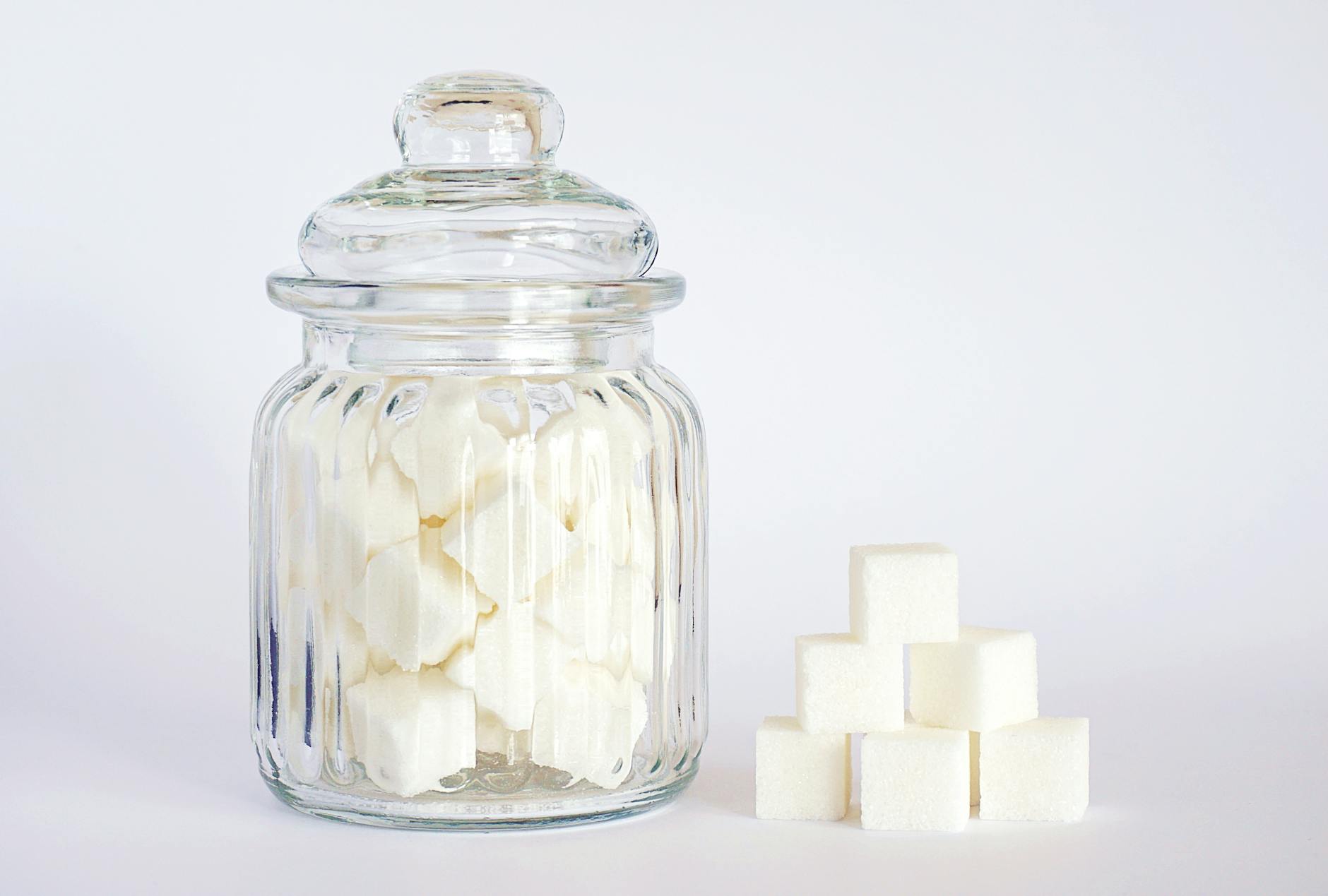
First off, let’s talk sugar. Soda is loaded with it, and not the natural kind you find in fruits, but the added, refined sugar that doesn’t do your body any favors. This sugar contributes to weight gain, spikes in blood sugar levels, and can even lead to type 2 diabetes. By cutting out soda, you’re drastically reducing your sugar intake, which is a major step towards managing your weight and keeping your blood sugar levels steady.

Calorie Bombs

One can of soda can have as many calories as a small meal, but without any of the nutritional benefits. These empty calories add up quickly and can lead to unwanted weight gain. By eliminating soda, you’re reducing your caloric intake, which can help you shed those extra pounds and feel more energetic throughout the day.

Say Goodbye to Crashes

Ever notice how you feel on top of the world right after drinking a soda, only to crash hard a little while later? That’s the sugar high followed by the inevitable sugar crash. When you stop drinking soda, you avoid these energy spikes and crashes, leading to more stable energy levels throughout the day. This means no more mid-afternoon slumps where you feel like you can’t keep your eyes open.

Hydration is Key

Soda might quench your thirst momentarily, but it doesn’t hydrate you the way water does. In fact, the caffeine and sugar in soda can lead to dehydration. By swapping soda for water, you’re keeping your body properly hydrated, which is crucial for everything from digestion to skin health to maintaining your energy levels.

Better for Your Teeth

Soda is notorious for wreaking havoc on your teeth. The combination of sugar and acidity can lead to cavities and enamel erosion. Giving up soda means you’re protecting your teeth and gums, leading to fewer trips to the dentist and a brighter smile.

Mindful Choices

Choosing to stop drinking soda is a step towards making more mindful decisions about what you put into your body. It’s about being aware of how certain foods and drinks affect your health and making choices that support your overall well-being. This mindfulness can extend to other areas of your life, helping you to make healthier choices consistently.

Setting an Example

When you make healthy choices, you inspire those around you to do the same. Whether it’s your family, friends, or coworkers, your decision to ditch soda can motivate others to think about their own health and make positive changes. Plus, it feels great to know that you’re leading by example and contributing to a healthier community.

Celebrate the Small Wins

Every time you choose water over soda, you’re celebrating a small win that adds up to big changes over time. These small victories are empowering and can boost your confidence as you continue on your wellness journey. Remember, it’s all about progress, not perfection.

Why Make Healthier Choices?

So, why go through the effort of making healthier choices? Because you’re worth it! Living a healthy lifestyle isn’t about depriving yourself; it’s about nourishing your body, feeling good, and enjoying life to the fullest. When you make healthier choices, you have more energy, a clearer mind, and a stronger body. You’re better equipped to handle stress, stay active, and enjoy the moments that matter most.

In conclusion, ditching soda might seem like a small change, but it’s one that can have a big impact on your overall health and well-being. It’s a step towards a more mindful, vibrant, and healthier you. So, let’s raise a glass (of water) and toast to making choices that support the amazing, healthy lifestyle you deserve!

Cheers to your health! 🥂


Feel free to share your own experiences with cutting out soda and how it’s impacted your health journey in the comments below. Let’s support each other on this path to wellness!

Unlock Your Healthy Lifestyle: Three Keys to Reducing Sugar In Your Diet

Welcome, health seekers!

Are you ready to unlock your healthy side?

Let’s begin by looking at the top three keys to reduce the amount of sugar you are consuming. These three keys pave the way to a healthier you and lead to improved well-being and vitality.

Key #1: Mindful Awareness

The first key to reducing sugar consumption begins with cultivating mindful awareness. Take a moment to investigate your current sugar consumption and its sources in your diet. Are you indulging in sugary snacks and beverages throughout the day? Are there hidden sugars lurking in your favorite packaged foods? By becoming aware of your habits, you empower yourself to make informed choices and take control of your health.

Start by reading food labels diligently, paying close attention to hidden sugars such as high-fructose corn syrup, dextrose, and sucrose. Consider keeping a food journal to track your sugar intake and identify patterns. Mindful awareness lays the foundation for meaningful change, setting the stage for a healthier lifestyle.

Key #2: Nourishing Alternatives

Once you’ve developed mindful awareness, it’s time to explore nourishing alternatives to satisfy your sweet cravings. Nature offers a bounty of wholesome options that delight the taste buds without wreaking havoc on your health. By incorporating fresh fruits like berries, apples, and citrus into your diet, you get to enjoy natural sweetness along with a host of vitamins, minerals, and antioxidants.

You can also experiment with homemade treats using natural sweeteners such as raw honey, maple syrup, or dates. These alternatives add sweetness to your recipes while providing additional nutritional benefits. Get creative in the kitchen and discover new ways to indulge in delights that support your well-being.

Key #3: Empowering Education

Knowledge is power when it comes to reducing sugar consumption and reclaiming your health. Take the time to educate yourself about the harmful effects of excessive sugar on your body and mind. Learn about the link between sugar and chronic conditions such as obesity, diabetes, and heart disease, as well as its impact on energy levels, mood, and mental clarity.

Explore alternative resources, books, and documentaries that shed light on the sugar industry’s influence and the prevalence of hidden sugars in processed foods. Arming yourself with knowledge empowers you to make informed choices that align with your health goals. Remember, every decision you make is a step towards a healthier, more vibrant you.

Conclusion

Remember: small changes can bring big results on your journey to optimal health. By cultivating mindful awareness, embracing nourishing alternatives, and empowering yourself with education, you hold the keys to unlock your sweetest health potential.

Ready to take the next step? Visit Suzanne Horrocks Wellness on Podia to discover exclusive resources, courses, and support on your wellness journey. Let’s walk together on the path of vibrant well-being and a life filled with sweetness in every sense of the word.

#StopDrinkingSoda

Sound bath with stretching

My Sunday morning selfcare was playing a flute sound bath while stretching.

What are you doing for selfcare today?

Embracing the Journey of Aging

Aging successfully

As we gracefully navigate the journey of life, embracing the process of aging is an integral part of our well-being. Today, I want to share some simple yet powerful tips that can help you age successfully, focusing on taking care of your physical, mental, and cognitive health.

Taking Care of Your Physical Health:

  1. Stay Active:
    Embracing an active lifestyle doesn’t necessarily mean hitting the gym for intense workouts. Find activities you enjoy, whether it’s a leisurely walk, dancing to your favorite tunes, or tending to your garden. Physical activity not only benefits your body but also lifts your spirits.
  2. Make Healthy Food Choices:
    Nourishing your body with wholesome foods is key to aging well. Include a variety of fruits, vegetables, whole grains, and lean proteins in your diet. Stay hydrated by drinking enough water throughout the day. Remember, it’s not about restriction but about choosing foods that make you feel good.
  3. Get Enough Sleep:
    Quality sleep is a cornerstone of good health. Establish a bedtime routine that helps you unwind, and create a comfortable sleep environment. Aim for 7-9 hours of sleep per night to support your body’s natural rejuvenation process.

Taking Care of Your Mental Health:

  1. Practice Mindfulness:
    Incorporate mindfulness into your daily routine. Whether it’s a few minutes of deep breathing, meditation, or simply being present in the moment, these practices can help reduce stress and enhance your mental well-being.
  2. Cultivate Social Connections:
    Surround yourself with positive relationships. Spend time with loved ones, engage in activities that bring you joy, and foster meaningful connections. Social support is a powerful buffer against the challenges that life may present.
  3. Embrace Learning and Creativity:
    Keep your mind active and engaged. Pursue hobbies, learn new skills, and embrace your creativity. Whether it’s reading, painting, or solving puzzles, these activities stimulate your brain and contribute to mental agility.

Taking Care of Your Cognitive Health:

  1. Challenge Your Brain:
    Keep your mind sharp by engaging in activities that challenge your cognitive abilities. Crossword puzzles, sudoku, or learning a new language are excellent ways to exercise your brain and promote cognitive health.
  2. Prioritize Stress Management:
    Chronic stress can negatively impact cognitive function. Practice stress-reduction techniques such as deep breathing, yoga, or spending time in nature. Find what works for you and make it a regular part of your routine.
  3. Stay Curious and Open-Minded:
    Approach life with curiosity and an open mind. Be willing to explore new ideas, embrace change, and adapt to the evolving world around you. A curious mind remains vibrant and continues to grow.

Remember, aging is a natural and beautiful part of life. By incorporating these simple practices into your daily routine, you’re not only taking care of your physical, mental, and cognitive health but also savoring the richness that each stage of life brings.

Wishing you joy, vitality, and fulfillment on your journey of aging gracefully.