Six Ways to Move your Body That Feels Good, Not Like Punishment

Reconnect. Rediscover. Rejoice in Movement.

When you hear the word “exercise,” what feelings come up for you?
Excitement? Dread? Guilt?

For many of us, moving our bodies has been tied to ideas of punishment—working off a big meal, changing how we look, or making up for “bad” choices. No wonder it can feel heavy, overwhelming, or even a little painful.

But it doesn’t have to be this way. Movement can be a celebration, not a chore. It can be a way to feel more alive, more connected, and more joyful. The key is learning how to move your body in ways that feel good, not like punishment.

Let’s explore how to shift your relationship with movement into something that truly supports your well-being.


1. Focus on How It Feels, Not How It Looks

Our culture often focuses on the appearance-related outcomes of exercise—weight loss, muscle tone, fitting into smaller clothes. But when we only look for visible results, we miss the real gifts movement gives us:

  • A clearer mind
  • A lighter mood
  • More energy
  • Better sleep
  • A sense of strength and empowerment

When you choose movement based on how it makes you feel—calm, strong, energized—you start to view it as a gift to yourself, not a task on a to-do list.

Ask yourself: How do I want to feel after I move today?
Let that answer guide your choices.


2. Find Your Joyful Movement

There’s no “right” way to move your body. If you don’t love the gym, you’re not alone—and you don’t have to force yourself to be there.

Movement can be anything that gets your body engaged:

  • Dancing in your kitchen
  • Taking a walk around the block
  • Stretching with a gentle yoga video
  • Playing tag with your kids or grandkids
  • Hiking in nature
  • Swimming, gardening, or even cleaning to your favorite upbeat music

If it brings you joy, if you lose track of time doing it—that’s your kind of movement. It doesn’t have to be structured or intense to count.


3. Give Yourself Permission to Move Differently Every Day

Some days you might crave a brisk walk. Other days, all your body wants is some light stretching or gentle breathing exercises. That’s not laziness—that’s wisdom.

Listen to your body.
Give yourself permission to choose a different type of movement depending on how you’re feeling physically, mentally, and emotionally. Honoring your body’s needs builds trust—and that trust helps you stay consistent over time.

Remember, consistency doesn’t mean doing the same thing every day. It means checking in with yourself and moving in the way you need most that day.


4. Ditch the “No Pain, No Gain” Mentality

You’ve probably heard the phrase “no pain, no gain.” And while it’s true that building strength sometimes means pushing a little, exercise should never feel like punishment.

Pain is your body’s way of saying, “Hey, something’s not right.”
Discomfort that comes from effort (like breathing harder during a walk) is normal. But sharp pain, dizziness, or feeling emotionally drained afterward are not signs of a healthy relationship with movement.

Respect your limits. Progress happens when we nurture our bodies, not when we beat them up.


5. Celebrate What Your Body Can Do

Instead of focusing on what you can’t do (yet), celebrate what you can:

  • Maybe you can walk for 10 minutes without stopping.
  • Maybe you can lift your arms higher than you could last week.
  • Maybe you can breathe more deeply and fully during a stretching session.

Every small step deserves celebration. Your body is strong and wise. It’s doing incredible things every day—even on the days that feel slow or gentle.


6. Create an Environment That Inspires You

Sometimes the hardest part of moving is simply getting started. Creating an environment that lifts your spirit can help.

  • Make a playlist of songs that energize you.
  • Wear clothes you feel good in.
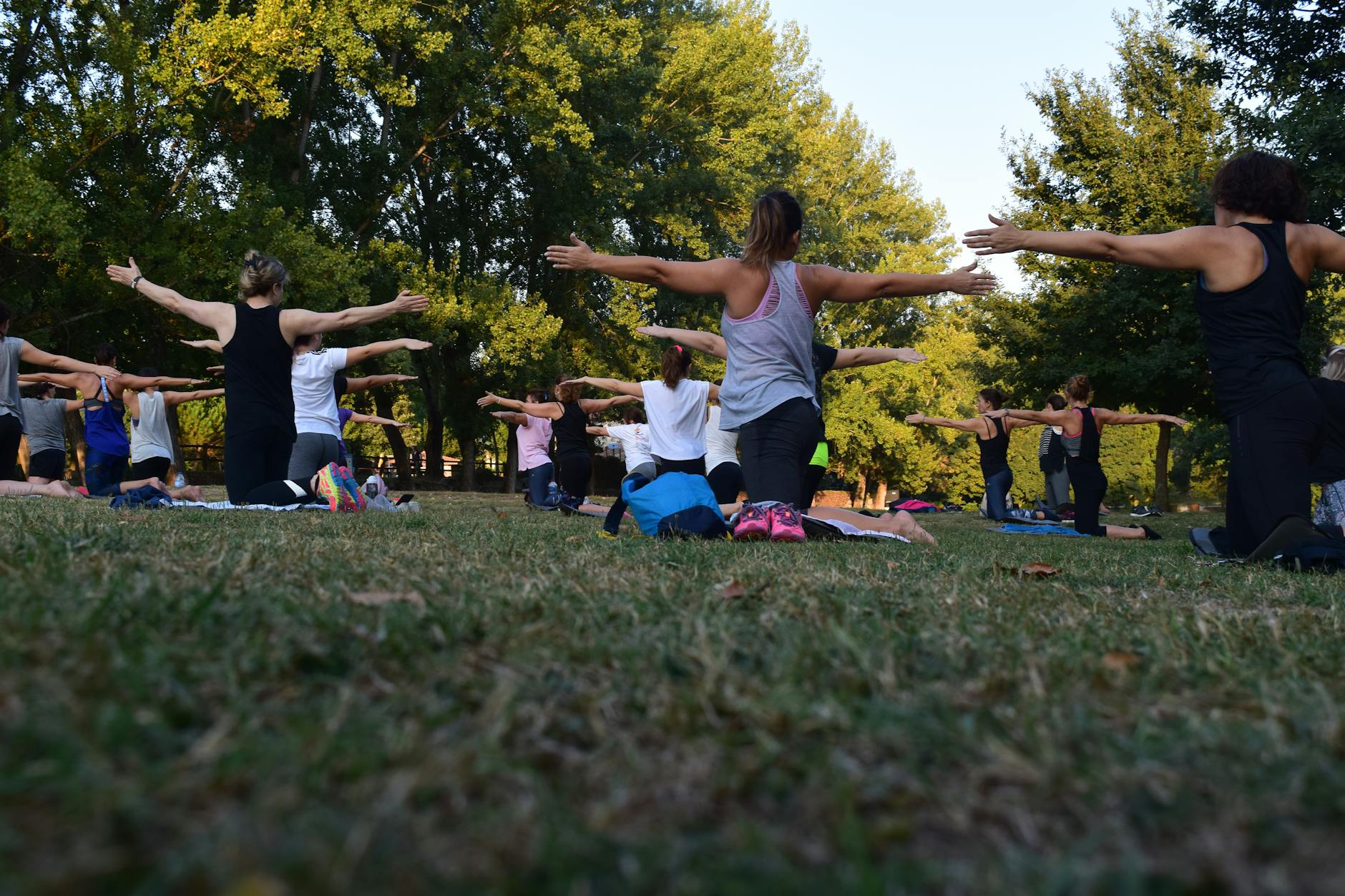
  • Move in a space that feels welcoming—whether it’s outdoors, in your living room, or at a favorite park.
  • Invite a friend to join you if community inspires you.

Setting the stage can turn movement into a time you actually look forward to.


Final Thoughts

Movement isn’t a punishment for the food you ate or the shape of your body. It’s a celebration of all the amazing things your body can do. It’s a way to show yourself care, love, and respect.

By choosing ways to move that feel good, you’re building a sustainable, joyful relationship with your body—one that will support your health and happiness for years to come.

So, today, instead of asking, “What workout should I do?”
Ask yourself, “How can I move my body in a way that feels good today?”

Your body—and your heart—will thank you.


10 Effective Ways to Live a Healthy Lifestyle

In today’s fast-paced world, maintaining a healthy lifestyle can feel like a daunting task. Yet, with the right strategies, it’s not only achievable but also rewarding. A healthy lifestyle is not just about eating right or exercising but encompasses various aspects of our lives, contributing to our overall well-being.

According to the World Health Organization, a healthy lifestyle can prevent up to 80% of heart disease, stroke, and type 2 diabetes.

Let’s explore ten effective ways to embrace a healthy lifestyle.

1. Balanced Nutrition

Eating a balanced diet is fundamental to a healthy lifestyle. It provides essential nutrients that fuel our bodies and support bodily functions.

Tips:

  • Eat a Variety of Foods: Incorporate a mix of fruits, vegetables, lean proteins, and whole grains.
  • Portion Control: Use smaller plates to help manage portion sizes.
  • Limit Processed Foods: Opt for fresh, whole foods whenever possible

2. Regular Physical Activity

Exercise is crucial for maintaining a healthy lifestyle. It strengthens the heart, improves circulation, and boosts mental health.

Tips:

  • Set Realistic Goals: Aim for at least 150 minutes of moderate exercise weekly.
  • Mix It Up: Combine aerobic exercises with strength training.
  • Stay Consistent: Create a routine that fits your lifestyle.

3. Mindfulness and Meditation

Mindfulness and meditation can significantly reduce stress and improve mental health.

Tips:

  • Start Small: Begin with just five minutes of meditation each day.
  • Use Guided Sessions: Apps like Headspace offer guided meditations for beginners.
  • Practice Mindfulness Daily: Focus on being present in everyday tasks.

4. Adequate Sleep

Quality sleep is as integral to a healthy lifestyle as diet and exercise. The CDC states that adults need 7-9 hours of sleep per night.

Tips:

  • Create a Sleep Schedule: Go to bed and wake up at the same time daily.
  • Limit Screen Time Before Bed: Reduce exposure to screens at least an hour before sleeping.
  • Create a Relaxing Environment: Ensure your bedroom is dark, quiet, and cool.

5. Social Connections

Building and maintaining strong social connections is vital for emotional health.

Tips:

  • Schedule Regular Meet-Ups: Plan weekly or monthly gatherings with friends or family.
  • Join Clubs or Groups: Engage in community groups or clubs that align with your interests.
  • Volunteer: Volunteering can help build connections while contributing to the community.

6. Digital Detox

Taking regular breaks from digital devices can improve mental health and productivity.

Tips:

  • Set Specific Times for Digital Use: Allocate specific periods for checking emails or social media.
  • Engage in Offline Activities: Try hobbies that don’t involve screens, like gardening or crafting.
  • Create Tech-Free Zones: Designate spaces in your home where electronics are not allowed.

7. Hydration

Staying hydrated is critical for maintaining energy levels and supporting bodily functions.

Tips:

  • Carry a Water Bottle: Keep a reusable water bottle with you at all times.
  • Set Reminders: Use apps or alarms to remind you to drink water regularly.
  • Infuse with Flavor: Add fruits or herbs to your water for a refreshing taste.

8. Healthy Habits

Developing healthy habits can lead to long-term benefits.

Tips:

  • Start Small: Focus on one habit at a time to avoid overwhelm.
  • Track Progress: Use journals or apps to monitor your habits.
  • Reward Yourself: Celebrate small victories to stay motivated.

9. Financial Well-being

Financial health is an often-overlooked aspect of a healthy lifestyle but is crucial for reducing stress.

Tips:

  • Budgeting: Create a monthly budget to track expenses and savings.
  • Emergency Fund: Set aside a small amount each month for unexpected expenses.
  • Financial Education: Utilize online courses or books to improve financial literature.

10. Continuous Learning

Keeping your mind active and engaged is essential for cognitive health and personal growth.

Tips:

  • Read Regularly: Dedicate time each day to reading books or articles.
  • Enroll in Courses: Online platforms like Coursera offer a plethora of courses on various topics.
  • Attend Workshops and Seminars: Participate in local events to enhance your knowledge.

Conclusion

Embracing a healthy lifestyle is a journey that involves making conscious choices and building habits that promote well-being. From balanced nutrition and regular exercise to mindfulness and financial health, each strategy plays a vital role in enhancing your quality of life. Remember, small changes can lead to significant improvements over time.

As you begin to adopt healthy habits, ask yourself: What steps will you take today towards a healthier lifestyle? How can these changes positively impact your family and community? Embrace the challenge and enjoy the process of becoming the best version of yourself.

Here’s to a healthier, happier you!

How to Stay Motivated on Your Wellness Journey

Starting a wellness journey is taking an exciting step toward a healthier, more vibrant you.

But let’s be honest—staying motivated isn’t always easy. Life happens, and the initial spark of enthusiasm can fade when faced with busy schedules, setbacks, or simply the grind of daily routines. The good news? Staying motivated is absolutely possible with the right mindset and strategies.

Here are some practical tips to keep you on track and inspired as you work toward your wellness goals.

1. Start with Your “Why”

Why did you begin your wellness journey? Take a moment to reflect on your reasons. Whether it’s improving your energy levels, being able to play with your kids, or managing a health condition, connecting with your “why” can reignite your motivation. Write it down and place it somewhere visible, like your fridge or bathroom mirror, to serve as a daily reminder.

2. Set Realistic Goals

One of the quickest ways to lose motivation is to aim for goals that feel overwhelming or unattainable. Instead, break your larger goals into smaller, achievable steps. For example, rather than saying, “I want to lose 30 pounds,” start with, “I want to lose 5 pounds this month.” Celebrate each small victory along the way—every step forward is progress.

3. Create a Routine You Enjoy

Wellness shouldn’t feel like a chore. Find activities, foods, and practices that genuinely bring you joy. If you dislike running, don’t force yourself to do it. Try dancing, swimming, or yoga instead. Experiment with new recipes or meal prep ideas until you find meals you look forward to eating. When your routine feels rewarding, sticking with it becomes much easier.

4. Track Your Progress

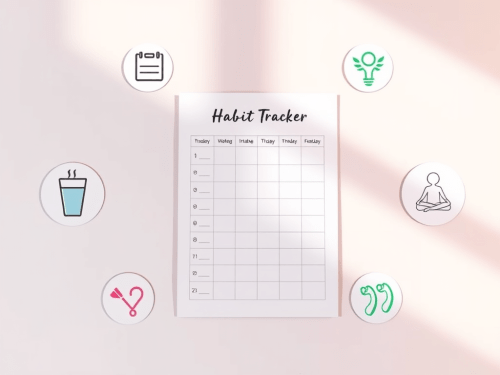
Keeping track of your progress can be a powerful motivator. You can use a journal, an app, or even a simple checklist to note your daily achievements. Whether it’s drinking enough water, completing a workout, or meditating for five minutes, tracking these small wins reminds you how far you’ve come. Seeing your progress visually can boost your confidence and encourage you to keep going.

5. Build a Support System

You don’t have to do this alone. Share your goals with friends, family, or a wellness group. Having people who encourage you and celebrate your successes can make a world of difference. If you’re comfortable, consider finding an accountability partner—someone who’s also working toward their goals. Checking in with each other can keep you both motivated and on track.

6. Be Kind to Yourself

No one’s wellness journey is perfect. You’re bound to have off days, miss a workout, or indulge in a treat—and that’s okay. What matters is how you respond. Instead of beating yourself up, practice self-compassion. Remind yourself that progress, not perfection, is the goal. One slip doesn’t erase all the hard work you’ve done.

7. Mix Things Up

If you feel your motivation waning, it might be time to shake up your routine. Try a new workout class, explore a different walking route, or experiment with a fresh recipe. Variety not only keeps things interesting but can also challenge your body and mind in new ways, helping you avoid plateaus and boredom.

8. Celebrate Non-Scale Victories

It’s easy to get caught up in numbers, whether it’s the scale, calories, or workout minutes. But wellness is about so much more. Celebrate the moments when you feel more energized, sleep better, or notice your clothes fitting differently. These non-scale victories are just as meaningful and often reflect deeper changes in your overall well-being.

9. Focus on the Present

It’s natural to think about where you want to be in the future, but don’t forget to focus on today. Ask yourself, “What’s one thing I can do right now to support my wellness?” It could be as simple as taking a deep breath, drinking a glass of water, or going for a quick walk. Focusing on small, present-moment actions can make the journey feel more manageable and less overwhelming.

10. Reward Yourself

Incorporating rewards into your wellness plan can boost motivation. These rewards don’t have to be extravagant—a relaxing bath, a new book, or treating yourself to a fun fitness accessory can be enough to keep you inspired. Just make sure your rewards align with your goals so they reinforce your progress.

Final Thoughts

Motivation isn’t something you find and hold onto forever; it’s something you cultivate daily. By staying connected to your “why,” setting realistic goals, and embracing flexibility, you can create a sustainable wellness journey that feels good for you.

Remember, it’s okay to go at your own pace.

Wellness is a lifelong journey, not a race. Celebrate every step, and know that you’re doing something amazing for yourself. Keep going—you’ve got this!