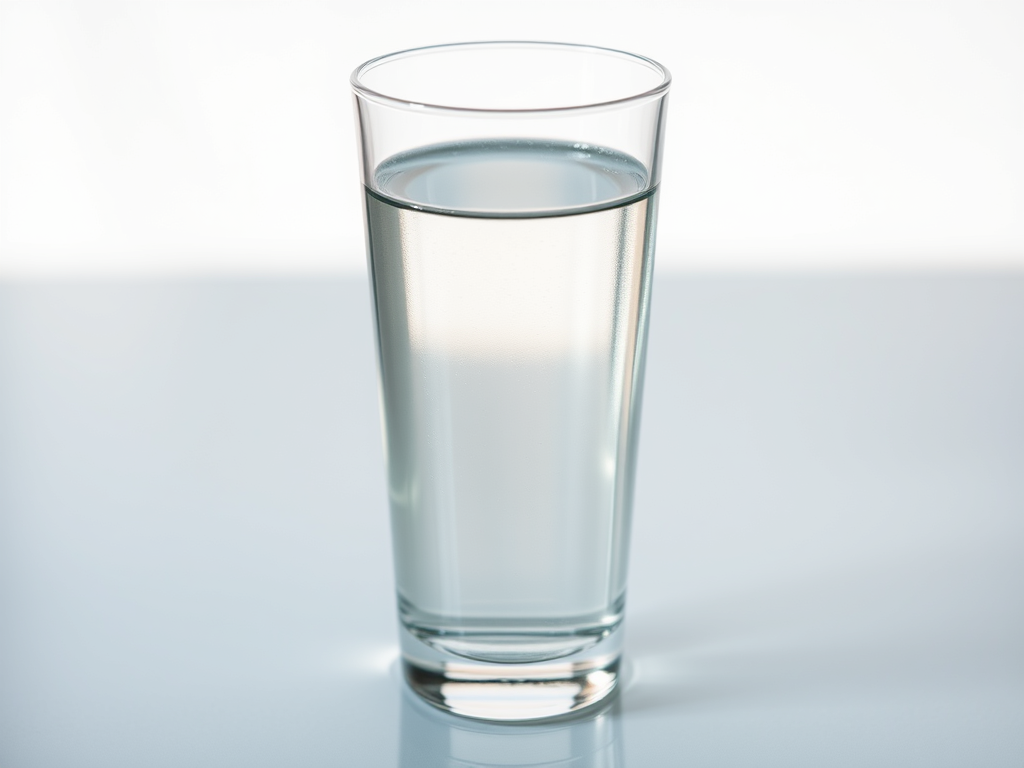
Why Drinking Water Is the Easiest Self-Care Habit to Incorporate into your busy life.

Do you ever feel tired, have trouble concentrating, or notice your skin looking dull? It might be your body’s way of asking for more water.

Drinking water is one of the simplest ways to feel better

Here are five quick benefits:

Boosts Energy
When you’re hydrated, your body works better. You might feel more awake and alert—no fancy drinks needed.

Improves Skin Health
Water helps your skin look and feel its best. Think of it as your glow-up in a glass.

Aids Digestion
Staying hydrated can keep things moving smoothly. Enough said!

Supports Focus
Feeling foggy? A glass of water can help sharpen your mind and keep you on track.

Helps Manage Cravings
Sometimes, thirst disguises itself as hunger. Try sipping water first to see if that’s what your body really needs.

The best part? You don’t have to overhaul your day. Just start small—keep a water bottle handy or swap a soda for water. Little changes add up!

Would you like a daily water tracker with a mini guide? Click here to download a complimentary copy.

Do you drink enough water every day? Tell us in the comments. You may help the next reader feel better about themselves. #SharingIsCaring

Simple Solutions for Maintaining a Healthy Weight: Mindful Eating, Movement, and Mindset

A middle-aged woman mindfully eating a healthy, nourishing meal. She is seated at a table, savoring each bite of a colorful plate of fresh fruits, vegetables, and whole grains, enjoying the moment with a calm, focused expression.

Struggling with managing your weight can feel overwhelming, especially when life gets busy. But achieving and maintaining a healthy weight doesn’t have to be about strict diets or exhausting workout routines. Instead, small, sustainable changes can make all the difference. Let’s talk about three key strategies: mindful eating, regular movement, and shifting your mindset.

1. Mindful Eating: Slow Down and Tune In

Mindful eating is about paying attention to what you’re eating and how it makes you feel. When we eat on autopilot—whether it’s in front of the TV or while scrolling through our phones—it’s easy to overeat or make unhealthy choices. Mindful eating encourages us to slow down and really enjoy our food, which can naturally lead to better choices and portion control.

How to Eat Mindfully: Start by tuning into your hunger cues. Ask yourself if you’re eating out of true hunger or just because it’s a habit. As you eat, try to chew slowly and savor each bite. Notice the textures, flavors, and how your body feels. This practice not only helps you avoid overeating but also makes eating a more enjoyable experience.

2. Regular Movement: Make it Fun

You don’t have to spend hours at the gym to maintain a healthy weight. What matters most is finding a physical activity that you enjoy and making it a regular part of your routine. Physical activity boosts your metabolism, improves your mood, and helps you feel more energized throughout the day.

How to Stay Active: Whether it’s a brisk walk, dancing, yoga, or even playing with your kids, find activities that bring you joy. Aim for at least 30 minutes of movement most days of the week. The key is to choose something you enjoy, so it doesn’t feel like a chore. Over time, regular movement will become a habit that supports your goals.

3. Mindset Shifts: Focus on Progress, Not Perfection

One of the biggest barriers to maintaining a healthy weight is our mindset. Many people get stuck in an all-or-nothing mentality—feeling like they’ve failed if they don’t follow their plan perfectly. But your new healthy lifestyle is a journey, not a sprint. Shifting your mindset from perfection to progress can help you stay motivated and avoid frustration.

How to Shift Your Mindset: Celebrate small wins along the way, like choosing a healthy snack or getting outside for a walk. If you have a setback, don’t beat yourself up. Instead, focus on how you can get back on track. By focusing on progress and building healthier habits over time, you’ll find that managing your weight becomes more sustainable and less stressful.

Final Thoughts

Managing your weight doesn’t have to be complicated. By practicing mindful eating, incorporating regular movement, and shifting your mindset, you can create a sustainable, healthy lifestyle that supports your goals.

If you’re ready to take the next step and need guidance, I’m here to help! Let’s work together to create a personalized plan that fits your life and helps you feel your best.

How to Sleep Better: Essential Strategies

A middle-aged woman peacefully sleeping at night in a cozy bedroom. She appears relaxed and comfortable, enjoying a restful night of sleep.

Struggling to fall asleep or stay asleep? You’re not alone. Sleep problems are common, but that doesn’t mean you have to put up with restless nights. Quality sleep is essential for your mental and physical health, and with a few simple adjustments, you can improve your sleep patterns. Let’s talk about three key strategies: creating a bedtime routine, reducing screen time before bed, and practicing relaxation techniques.

1. Establish a Bedtime Routine

Your body thrives on consistency, especially when it comes to sleep. A bedtime routine signals to your brain that it’s time to wind down. If you’re constantly going to bed at different times, it confuses your internal clock, making it harder to fall asleep.

How to Create a Routine: Try going to bed and waking up at the same time every day, even on weekends. Spend the last 30 minutes before bed doing something relaxing, like reading a book, stretching, or listening to calming music. Over time, this consistency helps regulate your sleep cycle, making it easier to fall asleep and wake up refreshed.

2. Minimize Screen Time Before Bed

Screens—whether it’s your phone, computer, or TV—emit blue light, which can interfere with your body’s production of melatonin, the hormone that regulates sleep. Scrolling through social media or watching TV right before bed keeps your brain active when it should be winding down.

What to Do Instead: Aim to turn off all screens at least 30 minutes before bed. If you enjoy reading before sleep, try using a physical book instead of an e-reader. And if you can, keep your phone out of reach while you sleep to avoid the temptation to check it during the night.

3. Practice Relaxation Techniques

Stress and anxiety can keep your mind racing long after you’ve climbed into bed. That’s where relaxation techniques come in. These simple practices can calm your mind and help you drift off to sleep more easily.

Techniques to Try: Breathing exercises, progressive muscle relaxation, or gentle stretching can help relax your body and quiet your mind. Try a breathing technique like 4-7-8 breathing (inhale for 4 seconds, hold for 7, and exhale for 8) to release tension and prepare your body for sleep. Guided meditation is another great tool to help you let go of stress before bed.

Final Thoughts

A good night’s sleep is within reach. By establishing a consistent bedtime routine, cutting down on screen time, and practicing relaxation techniques, you can improve both the quantity and quality of your sleep. If you’re ready to create a personalized plan for better sleep, I’m here to help! Let’s work together to find the solutions that work best for you.

Beat Fatigue and Boost Your Energy with These Simple Solutions

A middle-aged woman of color sitting outdoors in a relaxed setting, holding a bottle of water and smiling. She is staying hydrated to boost her energy and combat fatigue, enjoying the benefits of a healthy lifestyle.

Feeling tired all the time? You’re not alone! Fatigue and low energy are common struggles for many people. Between work, family, and everything in between, it’s easy to feel drained. But the good news is, there are simple ways to boost your energy levels and feel more vibrant throughout the day. Let’s explore three easy but powerful solutions: hydration, balanced nutrition, and regular physical activity.

1. Hydration: Water is Your Best Friend

Did you know that even mild dehydration can leave you feeling sluggish and unfocused? Our bodies are made up of about 60% water, and when we don’t drink enough, it affects how we function—mentally and physically.

How to Stay Hydrated: Aim to drink at least 8 glasses of water a day. Keep a water bottle with you to make it easy, and remember that staying hydrated doesn’t mean only drinking water. You can also hydrate through foods like fruits and vegetables, which are naturally high in water content.

Pro tip: Start your morning with a glass of water to wake up your body and kickstart your energy for the day!

2. Balanced Meals: Fuel Your Body the Right Way

What you eat plays a huge role in how you feel. If you’re constantly reaching for sugary snacks or processed foods, you might notice a quick energy boost followed by a crash. Instead, aim for balanced meals that provide long-lasting energy.

What to Include in Your Diet: Focus on nutrient-dense foods like whole grains, lean proteins, and plenty of fruits and veggies. These foods provide essential vitamins and minerals that keep your energy levels steady throughout the day. Healthy fats from sources like avocados, nuts, and seeds can also help fuel your body in a balanced way.

3. Physical Activity: Move to Boost Your Mood and Energy

It might seem counterintuitive, but regular physical activity is one of the best ways to combat fatigue. Exercise increases blood flow, which means more oxygen and nutrients are delivered to your muscles and brain—leading to improved energy and mental clarity.

How to Get Started: You don’t need to hit the gym for hours to see benefits. Even just 20-30 minutes of light activity, like walking, stretching, or yoga, can make a big difference. The key is consistency—make movement a regular part of your day, and you’ll start to notice the energy boost.

Final Thoughts

Fatigue doesn’t have to rule your day. With simple steps like staying hydrated, eating balanced meals, and incorporating regular physical activity, you can start feeling more energized and vibrant. If you’re ready to create a personalized wellness plan to tackle your fatigue, I’m here to help! Let’s work together to get your energy back on track.

Top 4 Common Wellness Issues and How to Overcome Them

Stop the struggle with common issues like stress, fatigue, poor sleep, and difficulty managing weight

In today’s fast-paced world, maintaining wellness can be a challenge. Many of us struggle with common issues like stress, fatigue, poor sleep, and difficulty managing weight. As a wellness guide, I want to shed light on these issues and offer practical solutions to help you take control of your health.

1. Stress and Anxiety

Stress and anxiety are among the most prevalent wellness concerns. Whether triggered by work, relationships, or daily life, chronic stress can lead to physical and mental health problems, including anxiety, high blood pressure, and heart disease.

A Solution for Stress And Anxiety:

Incorporating mindfulness practices such as guided meditation or breathing exercises can significantly reduce stress. In just 5-10 minutes a day, you can experience a sense of calm and relaxation.

2. Fatigue and Low Energy

Feeling tired all the time? Fatigue and low energy often result from poor nutrition, lack of exercise, or dehydration. Without addressing these root causes, you may feel drained and sluggish throughout the day.

Solutions for Fatigue And Low energy:

Hydration, balanced meals rich in nutrients, and regular physical activity can revitalize your energy.

3. Poor Sleep

Insomnia and poor sleep quality are common wellness problems that affect mood, memory, and productivity. Improving sleep is essential for mental and physical health.

Solutions for Sleep Problems:

Establishing a bedtime routine, minimizing screen time before bed, and practicing relaxation techniques can enhance sleep quality.

4. Weight Management

Weight management is a common issue, often compounded by stress, busy schedules, and unhealthy habits. Sustainable weight loss isn’t about fad diets, but rather building lasting habits.

Solutions for Weight Management:

Mindful eating, regular movement, and mindset shifts can make all the difference.

If you’re ready to take control of your wellness journey, I’m here to help. Contact me today to learn how we can work together to create a personalized wellness plan that supports your goals.

The Doctor Says I Have To Lose 30 Pounds, Part Three

Introducing a three part series

Welcome to our three-part series, “The Doctor Says I Have To Lose 30 Pounds.” In this series, we’ll explore the emotional and physical challenges of life as a busy woman, give practical tips for making healthier choices, and offer strategies for long-term success. Whether you’re starting your own weight loss journey or thinking about starting one, this series is here to give you hope. Here is PART THREE. Part One is here in case you want to go back. Here is PART TWO.

It’s time to see the doctor

It’s time for her doctor’s appointment. The same doc that told her to lose thirty pounds. Yeah, that guy.

This appointment will be different though because she is different. She is happier, friendlier, and more relaxed. Her newfound joy is reflected in her eyes.

Small shifts = big changes

She has been drinking more water, sleeping better, and eating more mindfully. She is beginning to believe her daily affirmations could be true.

Her life is getting better. She is getting better.

She has joined an online book club and …drum roll please…and an online exercise group. She’s socializing and enjoying it a lot.

That 30 pounds

The doctor didn’t mention those pesky extra pounds because she feels so much better than she did.

Instead of recommending she lose weight, or take another prescription, the doctor congratulated her on her progress and said to keep it up.

Keep it up

Of course she is going to keep it up. Even when the going gets hard, she knows what a difference her small changes have made.

This is the life she has wanted for a long time.

Kudos to our friend. She is on her way to a healthy, happy life.


The Doctor Says I Have To Lose 30 Pounds, Part Two

Introducing a three part series

Welcome to our three-part series, “The Doctor Says I Have To Lose 30 Pounds.” In this series, we’ll explore the emotional and physical challenges of life as a busy woman, give practical tips for making healthier choices, and offer strategies for long-term success. Whether you’re starting your own weight loss journey or thinking about starting one, this series is here to give you hope. Here is PART TWO. Part One is here in case you want to go back.

A Simple Morning Habit

She has been looking everywhere on the internet for easy ways to lose 30 pounds.

The first thing she does is to start drinking a glass of water while her coffee brews. She’s normally a perfectionist (which gets in the way of any progress she makes) but taking this one baby step makes her feel better about herself.

This one thing may not help her lose 30 pounds but it makes her feel like she is doing something positive for herself.

Confidence Boosters

She also has a post-it note on her coffee maker that says she is fabulous, one on her closet door that says she is amazing, and one on her alarm clock that says she is wonderful. She doesn’t believe them yet, but she still says them out loud to herself.

Mindful eating

She still eats chocolate mint cookies at night while she’s winding down but now she puts four on a plate instead of eating them out of the bag. This keeps her from mindlessly noshing on the empty calories. She can always go in the kitchen and get four more if she wants.

Better Sleep

Her friends at work have told her about some good books they have read so she has started going to bed a little earlier and is reading.

She’s falling asleep easier and isn’t as tired in the morning so her days start off better.

Her mood is improving everyday, life is getting better.

Best of all, her weight doesn’t matter as much anymore.


The Doctor Says I Have To Lose 30 Pounds

Introducing a three part series

Welcome to our three-part series, “The Doctor Says I Have To Lose 30 Pounds.” In this series, we’ll explore the emotional and physical challenges of life as a busy woman, provide practical tips for making healthier choices, and offer strategies for long-term success. Whether you’re starting your own weight loss journey or thinking about starting one, this series is here to give you hope. Here is PART ONE. Here is PART TWO and PART THREE.

Emotional eating and unhealthy habits

She’s bored, she’s tired, she’s by herself. She wants to do something for herself that no one will judge her for, or look down at her, or bother her in any way. She wants to sit, have something sweet to eat, and do something mindless like watch TV, play computer games, or scroll TikTok. The trouble is that she hasn’t eaten very well all day—a protein bar for breakfast, a burger and fries with her bestie at lunch, chicken nuggets and mac and cheese out of a box like she used to make her kids for dinner. Now, she’s eating chocolate mint cookies that she keeps hidden in the upper cabinet.

Mindless snacking

That wouldn’t be a huge problem except she’s eating the cookies out of the package. Before she knows it, there are only three cookies left, so she may as well eat those too because leaving three cookies doesn’t make sense.

It’s bedtime

By this time, it’s almost midnight, and her alarm clock goes off at six because she’s a busy working mom. Except, her kids are grown. All she has to do in the morning is get herself ready for work, so what’s the big deal? She can sleep till seven. That’s seven hours of sleep.

She’s not getting enough sleep

She isn’t going to get seven hours of sleep because for one – she can’t fall asleep easily because she’s been looking at a digital screen for a few hours, ok, 3 hours. And two – she has to get up and pee at least once during the night and her hip hurts no matter which side she sleeps on.

So….she starts the next day tired which makes healthy choices that much harder to make.

She’s stuck in a vicious cycle.


Grace and ease

Wellness Guidance

I want to make a difference in people’s lives, in the health and wellness arena, specifically I want to guide people in living a wellness lifestyle with grace and ease.

Widow & Empty Nestor

As a widow whose is grappling with an empty nest, I have come to rely on, (more like depend on), wellness practices to keep from “going off the deep end.” Do you ever feel like you are on the tip of falling off a ledge that you may not be able to recover from?

That was me a few years ago.

To make a long story short, I have a few wellness practices that I can rely on to help me live life with grace and ease.

Here’s the definition of living life with grace and ease, according to AI.

“Living life with grace and ease is about finding a sense of inner peace and calmness that allows you to navigate life’s challenges with resilience and composure. It’s about accepting that life will have its ups and downs, but approaching them with a gentle strength and a positive attitude.

I couldn’t have said it better myself.

Follow along with me to learn some wellness practices that I’m sure will help you too.

Cheers

Hot Summer Days

Wildflowers in Pierre Marquette State Park, Illinois

These are my favorite days.

So far today I have mowed the grass, dressed unused flower beds with fresh straw for our cats, made herbal tea from herbs that I grew and dried sweetened with local honey from my BIL.

Now I’m cooking yellow rice to go with the beans I have already cooked.

For lunch, I had a salad with raw spinach, cilantro, a little pickled cabbage, pumpkin and sunflower seeds, and my guilty pleasure – Ranch dressing. Topped with peanuts for more crunch.

I stretched and limbered up in the sun, in the backyard, in the freshly mowed grass.

I have been missing feeling strong. I’m beginning to feel strong again.

Now, back to my glass of herbal tea with lime.

I love hot summer days.