Midmonth Selfcare: Reconnect and Realign

Take Care of Yourself

We’re halfway through July, and if you’re like most people, the month is flying by. Maybe your calendar is full, your to-do list is long, and your energy is running a little low. That’s why today I want to invite you to take a gentle pause.

This isn’t about falling behind or pushing harder. It’s about checking in—honestly, kindly, and without judgment. How are you really doing?


Why a Mid-Month Check-In Matters

We often start a new month with good intentions. Maybe you set a few goals, made a list of things to work on, or even promised yourself a slower, more intentional pace. But somewhere along the way, life happens. The days get busy. The routines slip. And without even noticing, you might find yourself running on autopilot.

That’s why the middle of the month is the perfect time to pause. It’s a natural point to reset, realign, and reconnect with yourself before the month slips away.


Ask Yourself These 5 Questions

Take a few moments—five minutes, even—to ask yourself the following questions. You can write your answers in a journal, type them into your phone, or simply reflect in your mind. No pressure. No perfection. Just honesty.

  1. How do I feel in my body today?
    • Are you rested or tired? Energized or sluggish? Tense or relaxed? Try to notice without fixing.
  2. What’s been taking up most of my mental space this month?
    • Work? Family? Worry? Plans? Social media? Is it helpful or draining?
  3. What’s one thing I’ve done well this month?
    • Celebrate it. Big or small, give yourself credit.
  4. What’s something I need right now?
    • Maybe it’s more sleep, more quiet, more laughter, or less screen time.
  5. What’s one gentle shift I can make this week to feel more like myself?
    • Not an overhaul—just a small, loving step.

You Don’t Have to Hustle Through July

There’s a quiet kind of strength in resting. In fact, rest is a form of productivity—it refuels your mind, body, and spirit. When we pause and care for ourselves, we show up more fully in every other area of our lives.

So if you’re feeling tired, scattered, or overwhelmed, it doesn’t mean you’ve failed. It simply means it’s time to realign. That could look like:

  • A slow morning without rushing into the day
  • A walk outside without your phone
  • A simple meal that nourishes instead of stresses
  • A conversation with someone who makes you feel like yourself

Sometimes the most meaningful progress happens when we stop and breathe.


Realignment Isn’t Complicated

You don’t need a full day at the spa or a week off work to reset. Realignment is about noticing what’s not working and gently choosing something that feels better.

Maybe you’ve been staying up too late scrolling. Tonight, you light a candle and read a few pages of a book instead.

Maybe your meals have been on-the-go and not filling. Today, you take five extra minutes to sit down and eat without multitasking.

Maybe your mornings have been chaotic. Tomorrow, you wake up ten minutes early for a few quiet sips of coffee before the world wakes up.

These are simple things. But they matter. They remind your body and mind that you matter.


A Reflection Activity for You

If you want to go a little deeper today, try this journal prompt:

“If I treated myself like someone I deeply care about, what would I do differently today?”

Let the answer guide you through the rest of the month. Let it remind you that self-care isn’t selfish—it’s wise. And it’s necessary.


A Gentle Reminder

You are allowed to start over at any point in the month.

You’re allowed to rest.

You’re allowed to shift direction, to release what’s not working, and to return to what helps you feel grounded.

Mid-month is not too late. It’s right on time.


Before You Go…

Take one deep breath. Roll your shoulders. Unclench your jaw. Place a hand over your heart and say, “I’m doing my best.” Because you are.

This July, give yourself permission to pause. The rest will still be there when you’re ready—but you come first.


Let’s keep showing up—for ourselves—one gentle step at a time.

Loving Your Body Through the Summer Heat: Simple Wellness Practices That Soothe


When the heat of summer settles in, it can feel like everything slows down—your energy, your appetite, your motivation. And honestly? That’s okay. Summer is a season of warmth, yes—but also a time to shift into softer rhythms and care for your body in more mindful, nurturing ways.

Rather than pushing through the heat or trying to keep up the same pace you had in cooler months, this is a season to listen, adjust, and soothe. Below are simple, gentle wellness practices that can help you feel better in your body this summer, even on the hottest days.


1. Stay Cool With Hydrating Foods

We all know we should drink more water when it’s hot—but don’t forget that your food can help keep you hydrated, too.

Reach for foods that naturally cool and hydrate your system:

  • Fresh watermelon, cucumbers, oranges, and berries
  • Leafy greens like romaine or spinach
  • Yogurt or smoothies with frozen fruit
  • Light salads with citrus-based dressings

Not only do these foods help your body stay hydrated, but they’re also easier to digest than heavier meals—something your body will thank you for in the heat.

Tip: Add a pinch of sea salt or a few slices of cucumber to your water to boost hydration and give it a refreshing twist.


2. Shift to Morning or Evening Movement

Moving your body is important, but mid-afternoon in July isn’t always the best time to do it. Summer is a great opportunity to reconnect with the natural rhythm of the day. The early morning and late evening hours are cooler, calmer, and often more peaceful.

Try:

  • A gentle walk just after sunrise
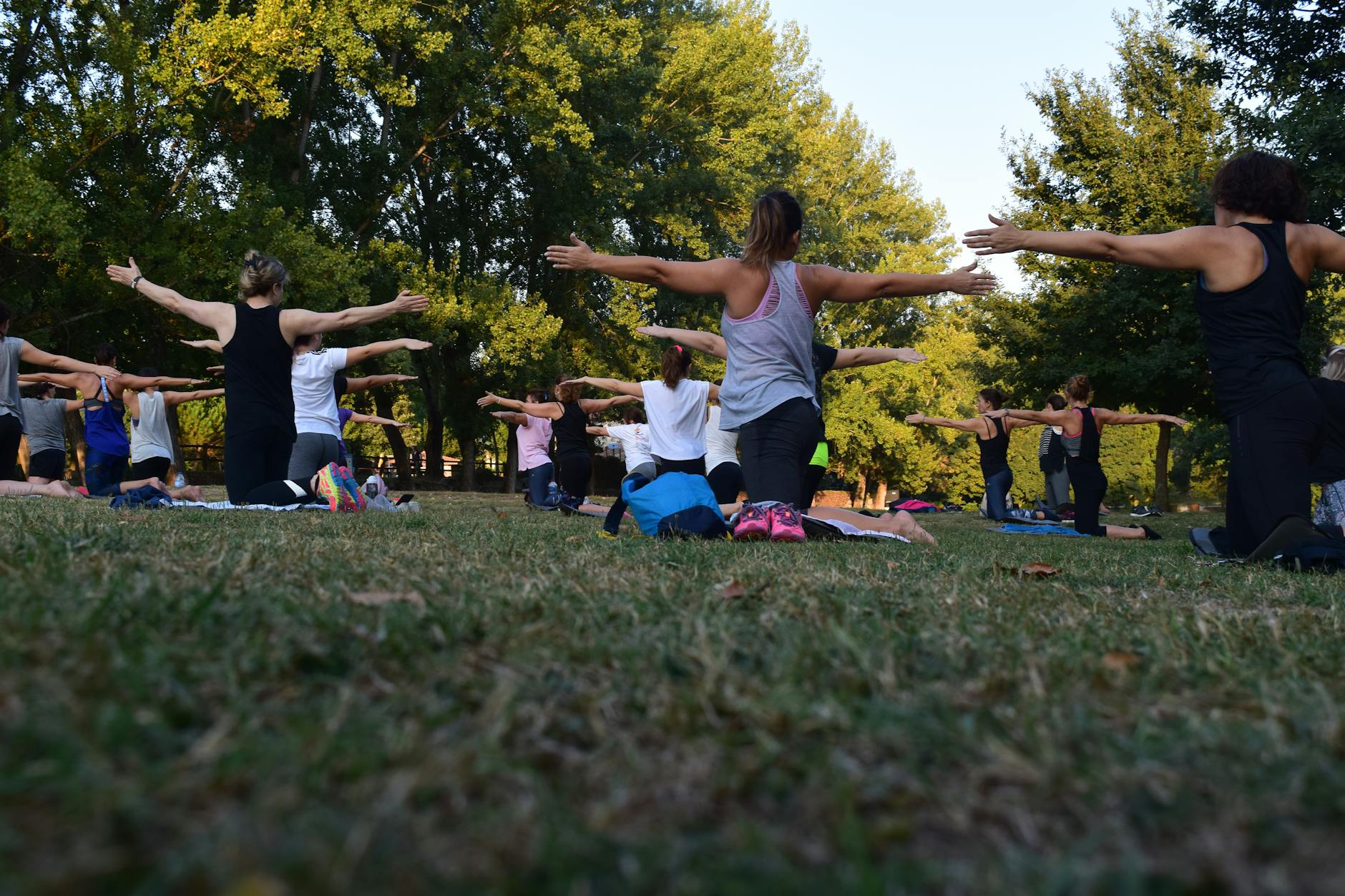
  • Evening stretching or yoga on the porch
  • Water activities like swimming or wading
  • Gardening before the sun is high

You don’t need to break a sweat to feel good. Just moving your body a little each day—in a way that feels kind and doable—can help keep your energy flowing without overheating.


3. Protect Your Energy (and Your Skin)

Summer can come with lots of invitations: backyard barbecues, family visits, day trips. It’s okay to say yes to what feels good and no to what drains you.

Protecting your energy also means protecting your body. That might look like:

  • Wearing lightweight, breathable fabrics like cotton or linen
  • Using a wide-brimmed hat or umbrella for shade
  • Applying a gentle, fragrance-free sunscreen
  • Taking midday breaks in the shade or indoors

Give yourself permission to slow down, cool off, and say no to extra obligations when your body needs a break. Rest isn’t just allowed—it’s essential.


4. Create a Cooling Wind-Down Routine

Hot nights can make it harder to fall asleep and stay asleep. Try building a calming, cooling bedtime routine that tells your body it’s time to rest.

Some soothing nighttime practices:

  • Take a lukewarm (not hot) shower before bed
  • Use a cold washcloth on your forehead or neck
  • Sip a small glass of water with a slice of lemon or mint
  • Turn on a fan or use breathable cotton sheets
  • Dim the lights an hour before bedtime to help your body unwind

When you give yourself time to slow down before bed, you sleep more deeply—and your body wakes up ready for a new day.


5. Let Summer Teach You to Soften

At its heart, summer is an invitation to soften. The days are long. The air is heavy. The pace is slower. It’s a season that reminds us: you don’t have to go full speed to be well.

Loving your body through the summer heat isn’t about doing more. It’s about doing what feels good. It’s choosing a shaded bench over an extra errand. It’s skipping the oven in favor of a cold salad. It’s giving yourself grace when the heat makes everything feel harder.

When you treat your body with that kind of respect and care, it responds in kind—with more peace, more comfort, and more ease.

Summer will pass

Summer will pass, as all seasons do. But while it’s here, let it be a time of rest and gentle care. These small, soothing wellness practices don’t require a big plan—they just ask for your attention and kindness.

So drink the water. Sit in the shade. Walk early. Eat something fresh. Let yourself enjoy the sweetness of slowing down.

This season is not just about getting through—it’s about learning to thrive in a different rhythm.


Want more like this?
Be sure to check back next Monday for more simple ways to care for yourself with ease. And if this post helped you, consider sharing it with a friend who’s looking for ways to feel better this summer.

7 Pillars of Self-Care for a Balanced Life

When most people hear “self-care,” they think of bubble baths, face masks, or maybe treating themselves to a latte. While those things can be enjoyable, real self-care goes deeper. It’s about creating a life that feels good on the inside, not just one that looks good on the outside.

In this post, we’ll explore the 7 pillars of self-care—a well-rounded way to support your body, mind, and spirit. These pillars aren’t fancy or complicated. They’re simple, doable, and powerful. Let’s dive in.


1. Physical Self-Care: Take Care of Your Body

This is the most obvious kind of self-care, but it’s often overlooked. Physical self-care means taking care of your body so it can take care of you.

Some basics:

  • Move your body regularly. Walking, stretching, dancing in your kitchen—it all counts.
  • Get enough sleep. Most adults need 7–9 hours a night.
  • Eat foods that fuel you. You don’t need to be perfect—just aim for balance.
  • Stay hydrated. Water matters more than we think.
  • Keep up with medical care. Go to your checkups and take your medications if prescribed.

Caring for your physical health helps you feel stronger, more energized, and more grounded.


2. Emotional Self-Care: Check In with Your Feelings

We all experience stress, sadness, frustration, and joy. Emotional self-care means giving yourself permission to feel and process those emotions, not stuff them down.

Here are a few ways to practice it:

  • Talk to someone you trust.
  • Journal your thoughts.
  • Say no when you need to.
  • Cry if you need to. Laugh as often as you can.
  • Seek professional help when emotions feel too heavy to carry alone.

Making space for your emotions isn’t weak—it’s human. And healthy.


3. Mental Self-Care: Stimulate Your Mind

Your brain needs care, too. Mental self-care includes anything that helps you grow, focus, and feel mentally strong.

Try this:

  • Read a book or listen to an audiobook.
  • Learn something new—maybe a hobby or a skill.
  • Take breaks from screens and social media.
  • Organize your space or create a to-do list to ease mental clutter.

Giving your brain something positive to chew on helps reduce stress and sharpen your thinking.


4. Spiritual Self-Care: Connect to Something Greater

You don’t need to be religious to practice spiritual self-care. This pillar is about feeling connected—to nature, to your values, or to a higher purpose.

Ways to practice:

  • Spend time in nature.
  • Meditate or pray.
  • Reflect on your values.
  • Read something inspiring.
  • Practice gratitude.

Spiritual self-care gives you perspective, peace, and a deeper sense of meaning in your life.


5. Social Self-Care: Build Healthy Relationships

Humans are social beings. We all need connection—even if we also enjoy alone time. Social self-care is about spending time with people who lift you up.

Here’s what it might look like:

  • Schedule a coffee date or phone call with a friend.
  • Join a club, group, or community (online or in person).
  • Set boundaries with people who drain you.
  • Ask for help when you need it.

Surrounding yourself with positive, supportive people can change everything.


6. Practical Self-Care: Take Care of Daily Life

This one often gets ignored in self-care lists, but it matters. Practical self-care includes the everyday things that reduce stress and make your life run more smoothly.

Examples:

  • Pay your bills on time.
  • Keep your home relatively tidy.
  • Meal prep to save time and energy during the week.
  • Stay on top of appointments and errands.

When your basic needs are met and your life feels organized, you can breathe easier.


7. Recreational Self-Care: Make Time for Fun

Last but definitely not least—fun. Joy is not a luxury. It’s a need.

Recreational self-care means doing things simply because they bring you happiness. Not because they’re productive. Not because you “should.” Just because they make you smile.

Ideas:

  • Watch your favorite show guilt-free.
  • Go on a weekend adventure.
  • Try a craft or creative hobby.
  • Play a game. Dance in your living room.

Play is essential. It helps you relax, recharge, and remember who you are.


Self-Care is Not Selfish

Taking care of yourself isn’t about being selfish—it’s about being whole. When you tend to all seven pillars of self-care, you feel more balanced, more alive, and more capable of handling whatever life throws your way.

You don’t have to do everything at once. Just start with one small step today. Maybe drink a little more water. Call a friend. Go to bed 30 minutes earlier. Each small act of care adds up.

You deserve to feel well. You deserve to feel whole. And it starts by making self-care a regular part of your life—not just something you squeeze in when you’re already burned out.


Six Ways to Move your Body That Feels Good, Not Like Punishment

Reconnect. Rediscover. Rejoice in Movement.

When you hear the word “exercise,” what feelings come up for you?
Excitement? Dread? Guilt?

For many of us, moving our bodies has been tied to ideas of punishment—working off a big meal, changing how we look, or making up for “bad” choices. No wonder it can feel heavy, overwhelming, or even a little painful.

But it doesn’t have to be this way. Movement can be a celebration, not a chore. It can be a way to feel more alive, more connected, and more joyful. The key is learning how to move your body in ways that feel good, not like punishment.

Let’s explore how to shift your relationship with movement into something that truly supports your well-being.


1. Focus on How It Feels, Not How It Looks

Our culture often focuses on the appearance-related outcomes of exercise—weight loss, muscle tone, fitting into smaller clothes. But when we only look for visible results, we miss the real gifts movement gives us:

  • A clearer mind
  • A lighter mood
  • More energy
  • Better sleep
  • A sense of strength and empowerment

When you choose movement based on how it makes you feel—calm, strong, energized—you start to view it as a gift to yourself, not a task on a to-do list.

Ask yourself: How do I want to feel after I move today?
Let that answer guide your choices.


2. Find Your Joyful Movement

There’s no “right” way to move your body. If you don’t love the gym, you’re not alone—and you don’t have to force yourself to be there.

Movement can be anything that gets your body engaged:

  • Dancing in your kitchen
  • Taking a walk around the block
  • Stretching with a gentle yoga video
  • Playing tag with your kids or grandkids
  • Hiking in nature
  • Swimming, gardening, or even cleaning to your favorite upbeat music

If it brings you joy, if you lose track of time doing it—that’s your kind of movement. It doesn’t have to be structured or intense to count.


3. Give Yourself Permission to Move Differently Every Day

Some days you might crave a brisk walk. Other days, all your body wants is some light stretching or gentle breathing exercises. That’s not laziness—that’s wisdom.

Listen to your body.
Give yourself permission to choose a different type of movement depending on how you’re feeling physically, mentally, and emotionally. Honoring your body’s needs builds trust—and that trust helps you stay consistent over time.

Remember, consistency doesn’t mean doing the same thing every day. It means checking in with yourself and moving in the way you need most that day.


4. Ditch the “No Pain, No Gain” Mentality

You’ve probably heard the phrase “no pain, no gain.” And while it’s true that building strength sometimes means pushing a little, exercise should never feel like punishment.

Pain is your body’s way of saying, “Hey, something’s not right.”
Discomfort that comes from effort (like breathing harder during a walk) is normal. But sharp pain, dizziness, or feeling emotionally drained afterward are not signs of a healthy relationship with movement.

Respect your limits. Progress happens when we nurture our bodies, not when we beat them up.


5. Celebrate What Your Body Can Do

Instead of focusing on what you can’t do (yet), celebrate what you can:

  • Maybe you can walk for 10 minutes without stopping.
  • Maybe you can lift your arms higher than you could last week.
  • Maybe you can breathe more deeply and fully during a stretching session.

Every small step deserves celebration. Your body is strong and wise. It’s doing incredible things every day—even on the days that feel slow or gentle.


6. Create an Environment That Inspires You

Sometimes the hardest part of moving is simply getting started. Creating an environment that lifts your spirit can help.

  • Make a playlist of songs that energize you.
  • Wear clothes you feel good in.
  • Move in a space that feels welcoming—whether it’s outdoors, in your living room, or at a favorite park.
  • Invite a friend to join you if community inspires you.

Setting the stage can turn movement into a time you actually look forward to.


Final Thoughts

Movement isn’t a punishment for the food you ate or the shape of your body. It’s a celebration of all the amazing things your body can do. It’s a way to show yourself care, love, and respect.

By choosing ways to move that feel good, you’re building a sustainable, joyful relationship with your body—one that will support your health and happiness for years to come.

So, today, instead of asking, “What workout should I do?”
Ask yourself, “How can I move my body in a way that feels good today?”

Your body—and your heart—will thank you.


What Do You Want to Learn About Wellness?


When it comes to health and wellness, there’s no one-size-fits-all approach. We all have different needs, different challenges, and different goals. Some of us want to feel more energetic, some want to manage stress better, and others just want simple, realistic ways to take better care of ourselves.

That’s why I want to hear from you.

What questions do you have about wellness? What’s been on your mind when it comes to feeling your best? Whether you’re curious about healthy habits, self-care, movement, mindfulness, or anything in between, I want to make sure the content I share is helpful and relevant to you.

Wellness That Fits Your Life

There’s so much information out there about health, fitness, and self-care—sometimes it’s overwhelming. One expert says one thing, another says the opposite. It’s easy to get stuck in a cycle of reading, researching, and overthinking instead of taking small steps that actually make a difference.

That’s why I focus on real-life wellness—the kind that fits into your daily routine without feeling like another chore on your to-do list. I want to help you find what works for you rather than giving you a long list of things you “should” be doing.

But to do that, I need to know what you’re struggling with or what you’d like to learn more about.

Common Wellness Questions—Do Any of These Sound Like You?

If you’re not sure where to start, here are some common wellness topics people often ask about:

  • Simple ways to boost energy without relying on caffeine
  • How to create a self-care routine that actually works
  • Easy meal ideas for busy days
  • How to improve sleep naturally
  • Ways to stay consistent with healthy habits
  • Mindfulness and stress relief techniques that don’t take much time
  • How to move your body in ways that feel good, not like punishment

Do any of these resonate with you? Or do you have something else on your mind when it comes to wellness? Let me know—I’d love to create content that supports you on your journey.

Let’s Make Wellness Simple and Doable

Wellness doesn’t have to be complicated. It doesn’t have to be about strict diets, exhausting workouts, or rigid routines. Instead, it can be about small, sustainable choices that help you feel better—not overwhelmed.

So tell me, what do you want to learn more about? Drop your thoughts in the comments or send me a message. Your input will help shape future blog posts, emails, and community discussions.

I’m here to support you in a way that makes sense for your life. Let’s build a wellness journey that feels good—together.


How to Stay Motivated on Your Wellness Journey

Starting a wellness journey is exciting, but staying motivated can be challenging. Life gets busy, progress feels slow, and sometimes it’s easier to fall back into old habits. But the good news is that motivation isn’t something you either have or don’t have—it’s something you can create and maintain.

Here’s how to stay motivated on your wellness journey, even when the initial excitement fades.

1. Set Meaningful Goals

Instead of vague goals like “I want to be healthier,” set specific and realistic goals that matter to you. Whether it’s having more energy, being more flexible, having less pain, or simply feeling good in your body, defining your why will give you a reason to keep going.

Break big goals into smaller, achievable steps. Celebrating small wins will keep you motivated and help you stay on track.

2. Focus on Progress, Not Perfection

One of the biggest motivation killers is the belief that you have to be perfect. A wellness journey isn’t about following strict rules—it’s about making gradual improvements.

Missed a workout? Ate something that wasn’t part of your plan? That’s okay! What matters is what you do most of the time, not what happens once in a while. Give yourself grace and keep moving forward.

3. Find Activities You Enjoy

If your wellness routine feels like a chore, it’s going to be hard to stick with it. The best way to stay motivated is to choose activities that you actually like.

Don’t enjoy running? Try dancing, yoga, hiking, or swimming instead. Love cooking? Experiment with new healthy recipes. Wellness should enhance your life, not feel like a punishment.

4. Create a Routine That Fits Your Lifestyle

Motivation often fades when wellness feels like another obligation. Instead of trying to squeeze in workouts and meal prep around a busy schedule, find ways to integrate them into your daily life.

Take short walks during lunch breaks, prepare simple healthy meals, or stretch before bed. The easier your routine is to maintain, the more likely you are to stick with it.

5. Track Your Progress

Seeing how far you’ve come is one of the best ways to stay motivated. Keep a journal, take progress photos, or use an app to track workouts and habits. Even small improvements—like more energy, better sleep, or fewer cravings—are signs of progress worth celebrating.

6. Surround Yourself with Support

Motivation thrives in a supportive environment. Connect with friends, family, or an online community that shares your goals. Having people to encourage you, celebrate your wins, and lift you up when you struggle makes a huge difference.

If possible, find a wellness buddy. Exercising or meal planning with someone else can make the process more enjoyable and keep you accountable.

7. Keep It Fun and Fresh

Doing the same thing over and over can lead to boredom and burnout. Keep your wellness journey exciting by trying new things.

Switch up your workouts, try different healthy recipes, explore new outdoor activities, or take a wellness class. Variety keeps things interesting and helps prevent plateaus.

8. Practice Self-Compassion

It’s normal to have setbacks. Instead of being hard on yourself, recognize that progress isn’t always linear. What’s important is that you keep showing up for yourself, even when things don’t go perfectly.

When you feel discouraged, remind yourself why you started. Take a deep breath, refocus, and keep going. Your wellness journey is about feeling your best—not about being perfect.

Final Thoughts

Staying motivated on your wellness journey isn’t about willpower—it’s about setting yourself up for success. Find joy in the process, celebrate progress, and be kind to yourself along the way.

What’s one thing that keeps you motivated? Share in the comments—I’d love to hear your thoughts!

How to Start a Healthier Lifestyle Without Feeling Deprived

When you think about getting healthier, does it feel overwhelming? Many people associate a healthy lifestyle with strict diets, giving up favorite foods, or spending hours at the gym. But the truth is, living healthier doesn’t have to mean deprivation. In fact, small, enjoyable changes can lead to big results.

Here’s how to embrace a healthier lifestyle without feeling like you’re missing out.

1. Shift Your Mindset

Instead of thinking about what you have to give up, focus on what you can add to your life. A healthier lifestyle isn’t about restriction—it’s about making choices that help you feel better every day.

For example, instead of saying, “I can’t have dessert,” shift to, “I’ll choose a dessert that nourishes my body and satisfies my sweet tooth.” This small change in thinking can make a big difference in how you feel about your choices.

2. Make One Change at a Time

Trying to change everything overnight often leads to frustration. Instead, pick one small habit to focus on at a time. Maybe you start by drinking more water, going for a short walk each day, or adding more vegetables to your meals. Once that habit feels natural, add another. Slow, steady changes are more likely to last than extreme overhauls.

3. Choose Foods You Enjoy

Healthy eating doesn’t mean you have to eat bland salads or say goodbye to your favorite meals. There are plenty of delicious, nutrient-dense foods that taste amazing.

If you love pasta, try swapping white pasta for whole wheat or chickpea pasta. If you crave something sweet, enjoy fresh fruit with a little dark chocolate. Instead of eliminating foods, find healthier versions that still bring you joy.

4. Move in a Way That Feels Good

Exercise shouldn’t feel like punishment. The best workout is the one you actually enjoy. If you hate running, don’t run! Try dancing, swimming, yoga, hiking, or even just walking while listening to your favorite podcast.

Movement should be something you want to do, not something you have to do. When you find joy in movement, it becomes a natural part of your routine instead of a chore.

5. Listen to Your Body

Your body gives you signals all day long. Instead of following strict diet rules or exercise plans, pay attention to what your body needs. Are you truly hungry, or are you bored? Do you need rest, or do you have energy to move?

Honoring your body’s signals—eating when you’re hungry, stopping when you’re full, resting when you need to—creates a balanced approach to health that doesn’t feel restrictive.

6. Prioritize Sleep and Stress Management

A healthy lifestyle isn’t just about food and exercise. Sleep and stress play a huge role in overall well-being. Lack of sleep can lead to cravings, low energy, and increased stress, making it harder to make healthy choices.

Create a bedtime routine that helps you wind down. This could include reading, stretching, or turning off screens an hour before bed. Managing stress with deep breathing, journaling, or spending time in nature can also help you feel more balanced and in control.

7. Give Yourself Grace

Perfection isn’t the goal—progress is. There will be days when you eat more than you planned, skip a workout, or feel unmotivated. That’s okay! One less-than-perfect choice doesn’t erase all your progress. What matters is what you do consistently over time.

Instead of feeling guilty, remind yourself that balance is key. A healthy lifestyle is meant to enhance your life, not make it harder.

8. Surround Yourself with Support

Making lifestyle changes is easier when you have support. Find a friend, family member, or community that encourages your journey. Join a fitness class, a healthy cooking group, or an online wellness community where you can share wins and challenges.

Having people to celebrate progress with and lean on during tough times can keep you motivated and inspired.

Final Thoughts

Starting a healthier lifestyle doesn’t have to mean giving up the foods and activities you love. By making small, enjoyable changes, you can create habits that feel good and last a lifetime. Focus on progress, not perfection, and remember—health is about feeling your best, not following rigid rules.

What’s one small change you can start today? Let me know in the comments—I’d love to hear about your journey!

10 Effective Ways to Live a Healthy Lifestyle

In today’s fast-paced world, maintaining a healthy lifestyle can feel like a daunting task. Yet, with the right strategies, it’s not only achievable but also rewarding. A healthy lifestyle is not just about eating right or exercising but encompasses various aspects of our lives, contributing to our overall well-being.

According to the World Health Organization, a healthy lifestyle can prevent up to 80% of heart disease, stroke, and type 2 diabetes.

Let’s explore ten effective ways to embrace a healthy lifestyle.

1. Balanced Nutrition

Eating a balanced diet is fundamental to a healthy lifestyle. It provides essential nutrients that fuel our bodies and support bodily functions.

Tips:

  • Eat a Variety of Foods: Incorporate a mix of fruits, vegetables, lean proteins, and whole grains.
  • Portion Control: Use smaller plates to help manage portion sizes.
  • Limit Processed Foods: Opt for fresh, whole foods whenever possible

2. Regular Physical Activity

Exercise is crucial for maintaining a healthy lifestyle. It strengthens the heart, improves circulation, and boosts mental health.

Tips:

  • Set Realistic Goals: Aim for at least 150 minutes of moderate exercise weekly.
  • Mix It Up: Combine aerobic exercises with strength training.
  • Stay Consistent: Create a routine that fits your lifestyle.

3. Mindfulness and Meditation

Mindfulness and meditation can significantly reduce stress and improve mental health.

Tips:

  • Start Small: Begin with just five minutes of meditation each day.
  • Use Guided Sessions: Apps like Headspace offer guided meditations for beginners.
  • Practice Mindfulness Daily: Focus on being present in everyday tasks.

4. Adequate Sleep

Quality sleep is as integral to a healthy lifestyle as diet and exercise. The CDC states that adults need 7-9 hours of sleep per night.

Tips:

  • Create a Sleep Schedule: Go to bed and wake up at the same time daily.
  • Limit Screen Time Before Bed: Reduce exposure to screens at least an hour before sleeping.
  • Create a Relaxing Environment: Ensure your bedroom is dark, quiet, and cool.

5. Social Connections

Building and maintaining strong social connections is vital for emotional health.

Tips:

  • Schedule Regular Meet-Ups: Plan weekly or monthly gatherings with friends or family.
  • Join Clubs or Groups: Engage in community groups or clubs that align with your interests.
  • Volunteer: Volunteering can help build connections while contributing to the community.

6. Digital Detox

Taking regular breaks from digital devices can improve mental health and productivity.

Tips:

  • Set Specific Times for Digital Use: Allocate specific periods for checking emails or social media.
  • Engage in Offline Activities: Try hobbies that don’t involve screens, like gardening or crafting.
  • Create Tech-Free Zones: Designate spaces in your home where electronics are not allowed.

7. Hydration

Staying hydrated is critical for maintaining energy levels and supporting bodily functions.

Tips:

  • Carry a Water Bottle: Keep a reusable water bottle with you at all times.
  • Set Reminders: Use apps or alarms to remind you to drink water regularly.
  • Infuse with Flavor: Add fruits or herbs to your water for a refreshing taste.

8. Healthy Habits

Developing healthy habits can lead to long-term benefits.

Tips:

  • Start Small: Focus on one habit at a time to avoid overwhelm.
  • Track Progress: Use journals or apps to monitor your habits.
  • Reward Yourself: Celebrate small victories to stay motivated.

9. Financial Well-being

Financial health is an often-overlooked aspect of a healthy lifestyle but is crucial for reducing stress.

Tips:

  • Budgeting: Create a monthly budget to track expenses and savings.
  • Emergency Fund: Set aside a small amount each month for unexpected expenses.
  • Financial Education: Utilize online courses or books to improve financial literature.

10. Continuous Learning

Keeping your mind active and engaged is essential for cognitive health and personal growth.

Tips:

  • Read Regularly: Dedicate time each day to reading books or articles.
  • Enroll in Courses: Online platforms like Coursera offer a plethora of courses on various topics.
  • Attend Workshops and Seminars: Participate in local events to enhance your knowledge.

Conclusion

Embracing a healthy lifestyle is a journey that involves making conscious choices and building habits that promote well-being. From balanced nutrition and regular exercise to mindfulness and financial health, each strategy plays a vital role in enhancing your quality of life. Remember, small changes can lead to significant improvements over time.

As you begin to adopt healthy habits, ask yourself: What steps will you take today towards a healthier lifestyle? How can these changes positively impact your family and community? Embrace the challenge and enjoy the process of becoming the best version of yourself.

Here’s to a healthier, happier you!

5 Hidden Benefits of Staying Hydrated During Winter

When we think about hydration, our minds often go to summer days, sweating under the sun. But staying hydrated in winter is just as important, if not more so.

During colder months, it’s easy to forget to drink water because we don’t feel as thirsty. However, your body still needs plenty of fluids to function at its best.

Beyond the obvious benefits, like keeping your skin moisturized and aiding digestion, here are five hidden perks of staying hydrated during winter that you might not know about.

1. Boosts Your Immune System

Winter often brings colds, the flu, and other seasonal illnesses. Staying hydrated can strengthen your immune system, giving you an extra layer of protection.

How does it work?

Water helps flush toxins out of your body, supports the production of lymph (a key fluid in your immune system), and ensures your organs function properly to fight off infections.

Dehydration can make you more susceptible to getting sick, as your body struggles to eliminate waste and transport nutrients effectively. By drinking enough water, you’re helping your immune system stay sharp and ready to tackle whatever winter throws your way.

2. Enhances Energy Levels

Feeling sluggish during the colder months? It’s not just the weather.

Dehydration is a sneaky culprit behind low energy levels. Even mild dehydration can cause fatigue and reduce your ability to concentrate.

Your body relies on water to carry oxygen and nutrients to your cells, which fuels your energy levels throughout the day.

In winter, we tend to reach for caffeinated drinks like coffee and tea to stay warm, but these can sometimes dehydrate you even more.

Balance those cozy cups with water, and you’ll notice a boost in your energy and focus.

3. Supports Joint and Muscle Health

Cold weather can make your joints and muscles feel stiff and achy. Hydration plays a crucial role in keeping them flexible and comfortable.

Water helps lubricate your joints by maintaining the fluid in your cartilage, which cushions bones and prevents discomfort.

If you’re active during winter—whether it’s skiing, snowshoeing, or just shoveling snow—staying hydrated can reduce the risk of cramps and improve your recovery time.

So, before you head out into the cold, grab a water bottle and give your joints the support they need.

4. Improves Skin’s Natural Glow

Winter air is dry, and indoor heating can sap even more moisture from your skin. While moisturizers help on the outside, hydration works wonders from within. Drinking enough water keeps your skin cells plump and reduces dryness, redness, and irritation.

Proper hydration can also slow the appearance of fine lines and wrinkles, giving you a natural, healthy glow despite the harsh winter conditions.

If you’re looking for a simple and affordable way to keep your skin radiant this season, start with a glass of water.

5. Supports Brain Health and Mood

The winter blues are real, and staying hydrated might be part of the solution.

Your brain is made up of about 75% water, and dehydration can affect your mood, memory, and overall cognitive function. When your body doesn’t have enough water, it’s harder for your brain to communicate effectively, which can lead to feelings of irritability and difficulty focusing.

Drinking water helps maintain mental clarity and can even improve your mood. Pair hydration with a bit of sunlight or exercise, and you’ll have a powerful combo for beating those winter blahs.


How to Stay Hydrated in Winter

Now that you know the benefits, here are a few tips to make staying hydrated easier during the colder months:

Invest in a good water bottle: A reusable bottle you love can make it easier to drink more water.

Drink warm water or herbal teas: These are cozy alternatives to cold water and can still keep you hydrated.

Eat water-rich foods: Soups, stews, oranges, and cucumbers are great options.

Set reminders: Use an app or alarm to prompt you to sip water throughout the day.

Staying hydrated during winter isn’t just about quenching thirst—it’s about giving your body the tools it needs to thrive in colder weather. From boosting your immune system to improving your mood, these hidden benefits prove that water is your winter wellness hero.

Fill up your glass and toast to your health this season.

5 Wellness Hacks for Busy Women

Prepare healthy snacks

Life as a busy woman often feels like a constant whirlwind. Between work, family, and social commitments, it can be challenging to prioritize your own well-being. But remember, selfcare isn’t selfish – it’s essential for your physical and mental health.

This isn’t about radical life overhauls or demanding wellness regimens. These are simple, practical hacks designed to fit easily into you already busy schedule.

1. The “Two-Minute Rule”

We’ve all been there: a mountain of small tasks looming over us, each task seems insignificant, but collectively, they drain our energy. This is where the “Two-Minute Rule” comes in.

The principle is simple: If a task takes two minute or less to complete, do it immediately. Anything from answering a quick email to putting dishes in the dishwasher.

By tackling these small tasks promptly, you keep them from piling up and creating a sense of overwhelm. This frees up mental space and it gives you a sense of accomplishment.

2. Mindful Movement: Sneak it in

Finding time for dedicated exercise can feel impossible when your schedule is packed. But, physical activity doesn’t have to be a formal workout.

*Take movement breaks – Take short, active breaks throughout the day. Instead of sitting at a desk all day, stand up and stretch every 30 minutes
*Walk during your lunch break – Fresh air and sunshine does wonders for your body and your mind.
*Move during everyday activities – Take the stairs instead of the elevator, park far away, do some squats or leg lifts while you wait for the kettle to boil.

These short bursts of activity can significantly boost your energy and improve your overall well-being.

3. Batch Similiar Task

Feeling scattered and unproductive? Try batching similar tasks together.

*Schedule all of your phone calls together.
*Dedicate an afternoon to running errands.
*Plan meals for the week. (Eliminating the “what’s for dinner?” dilemma.)

By grouping similar tasks, you streamline your workflow and increase your efficiency.

4. Prioritize Sleep

Sleep is often the first thing to go when life gets busy. But skimping on sleep can have significant negative impacts on you mood, energy level, and overall health. Here’s some tips to help

*Establish a relaxing bedtime routine.
*Create an environment that’s conducive to sleep. (Think dark, quiet, cool.)

Prioritize sleep even when your short on time. That 15-20 minutes of sleep makes a big difference in your overall health and well-being.

5. The Power Hour

In the hustle and bustle of daily life, it’s easy to forget to do things that bring you joy and fulfillment.

Dedicate one hour each day to something that you enjoy. Whether it’s reading, painting, spending time in nature, or simply relaxing with a cup of tea, this power hour allows you to recharge, reduce stress, and cultivate a sense of balance in your busy life.

Remember: Consistency is Key

These wellness hacks are most effective when practiced consistently. Start with one or two and gradually incorporate more as they become habits. Selfcare isn’t about perfection. It’s about finding small, sustainable ways to prioritize your well-being amidst the chaos of everyday life.