Simple Summer Wellness: 4 Tiny Habits That Make a Big Difference

Simple Summer Wellness

When summer rolls around, we often set big goals—more sunshine, better routines, healthier meals, longer walks. But let’s be honest: the heat, busy schedules, and constant noise can make even the best intentions feel like too much.

The truth is, you don’t need a complete life overhaul to feel better. Small, consistent habits can shift your entire day. And when it’s hot, crowded, or chaotic, tiny is just the right size.

Here are 4 tiny summer habits that are easy to keep and powerful enough to help you feel more grounded, refreshed, and in control—no matter what the season throws your way.


1. Drink Water Before Anything Else

You’ve heard it before, but it’s worth repeating: hydration changes everything. And during the summer months, when heat and sun can leave you feeling sluggish, starting your day with a glass of water can help you wake up faster and feel more alert.

I have been doing this for a long time. I drink a 10 ounce glass of water every morning, after setting up the coffee pot, before drinking any coffee (or anything else). While I”m waiting for the coffee to brew, I have already started rehydrating myself.

This is my #1 healthy habit I have formed in the last eight years.

Try this: Keep a glass of water beside your bed. When you wake up, take a few sips, or do as I do and have a glass of water while your coffee brews. It’s a small act that sets the tone for better choices all day.

Why it helps: Overnight, your body loses water—even more so if you’re sleeping in a warm room. Rehydrating first thing supports digestion, improves mood, and boosts energy.


2. Go Outside First Thing in the Morning

Before the day heats up, take 5–10 minutes outside. You don’t have to run or even walk far. Just step onto your porch, balcony, or backyard. Stand barefoot on the grass, breathe in the fresh air, and feel the sunlight on your face.

Try this: Make it part of your morning routine. Take your coffee or tea outside. Water your plants. Listen to the birds. Keep your phone inside.

Why it helps: Natural light first thing in the morning helps set your internal clock, improves sleep later, and gently shifts you out of “rush mode.” You’ll feel calmer, more focused, and more connected to your day.


3. Pause Midday for a Screen-Free Break

It’s easy to get swept up in scrolling, news updates, or never-ending to-do lists. But your brain needs space to reset—and summer is the perfect time to step away for even just a few minutes.

Try this: Set a reminder for a 10-minute break in the middle of your day. Turn off your phone, walk to a window, stretch, or sit in silence. If you’re working from home or on the go, you can still pause. The key is to actually pause.

Why it helps: Stepping away from screens for just a few minutes helps reduce stress and eye strain. It gives your mind a chance to reset and helps you come back to your tasks with more clarity and patience.


4. End the Day with One Good Thought

It’s easy to end the day thinking about what didn’t get done, what went wrong, or what needs fixing tomorrow. But you can train your mind to notice the good—and it starts with one small habit.

Try this: Before bed, jot down one thing that went well today. It can be as simple as “I took a walk” or “I made time to rest.” Keep a notebook by your bed.

Why it helps: Positive reflection helps you shift out of stress and into rest. It creates a sense of closure and helps your brain settle for better sleep. Over time, it builds a habit of noticing progress instead of pressure.


The Power of Tiny Shifts

You don’t have to change your entire life to feel better this summer.
Start with one of these small habits:

  • A glass of water
  • A few minutes outside
  • A midday pause
  • One good thought before bed

These aren’t big, fancy fixes. They’re steady, doable steps that add up over time.
And sometimes, that’s exactly what we need—just a little space to breathe, reset, and reconnect with ourselves.


Need a little nudge to get started?
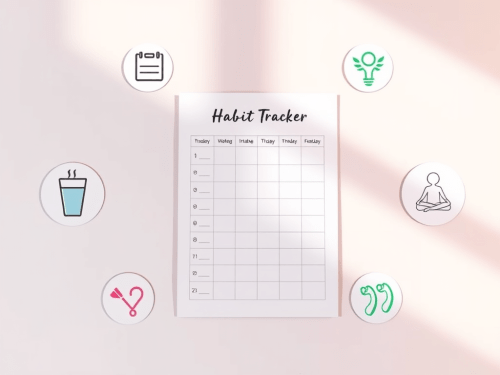
Download this Habit Tracker to help you stay consistent with these small shifts. Print it out or keep it on your phone to check off each day—you’ll be amazed at how much better you feel by the end of the week. It’s free, btw.


Why Rest Is Productive: The Power of Doing Less to Feel More


Pause and enjoy the flowers

We often think of productivity as being tied to doing more—more tasks, more hustle, more checking off the to-do list. But what if the real secret to getting more out of life is actually doing less?

It’s a hard idea to wrap our heads around, especially in a world that praises busyness. But rest isn’t a luxury. It’s a powerful part of being human. And when we learn to honor it, we gain clarity, energy, and a deeper connection to what really matters.

Let’s explore how rest can be one of the most productive things you do—not just for your body, but for your whole life.


The Productivity Myth

Our culture often treats rest like a reward, something we have to earn after we’ve worked hard enough. We’re taught that if we’re not doing something “useful,” we’re wasting time.

But here’s the truth: being busy all the time doesn’t always mean we’re being effective. It usually just means we’re exhausted.

When we run on empty for too long, everything starts to suffer—our focus, our mood, our relationships, and even our health. We get things done, yes—but often at the cost of our own well-being.


Rest Is Not Doing Nothing

Rest isn’t laziness. It’s intentional. It’s choosing to pause and recharge so you can show up more fully for your life.

It can look like:

  • Going to bed 30 minutes earlier
  • Saying no to one more obligation
  • Sitting outside for ten quiet minutes
  • Turning your phone off for an hour
  • Taking a slow walk without multitasking

These are not empty moments. They’re the moments where your mind and body start to heal, reset, and reconnect. That is powerful.


What Happens When You Rest

You might be surprised by how much happens when you allow yourself to slow down.

  • Your brain gets sharper. Research shows that breaks help improve memory, decision-making, and creativity.
  • Your stress levels drop. When you rest, your nervous system has a chance to shift out of fight-or-flight mode and into a calmer state.
  • You notice more. When you stop rushing, you start noticing the good stuff—like how the light filters through the trees or the sound of your child’s laughter.
  • You make better choices. Rest gives you space to respond instead of react, to reflect instead of run on autopilot.

When you rest, you’re not falling behind. You’re coming back to yourself. You’re filling your cup. And that creates space for more clarity and purpose in how you move through the world.


Doing Less to Feel More

One of the most surprising gifts of rest is that it helps you feel more—more grounded, more connected, more like yourself.

In the quiet moments, you can hear what your body is trying to tell you. You can check in with your own needs, rather than everyone else’s. You can remember what you love, what you long for, and what lights you up.

Rest isn’t just about sleep. It’s about permission. Permission to pause. Permission to step off the treadmill. Permission to be human.

And when you give yourself that permission, you often find that you return to your life with more patience, more joy, and more energy for the things that truly matter.


How to Begin

You don’t need a weeklong vacation to start resting. You can begin with five minutes today.

Here are a few small ways to practice rest:

  • Turn off notifications for one hour.
  • Lie on the floor and breathe deeply for five minutes.
  • Sit on your porch or by a window and watch the sky.
  • Write down three things you’re grateful for.
  • Close your eyes for a few minutes between tasks.

Start small. Be kind to yourself. Even a little rest makes a difference.


Rest is a quiet kind of power

Rest isn’t a sign of weakness. It’s a strength. It’s a quiet kind of power that helps you come back to your life with fresh eyes and an open heart.

This week, try doing a little less—and see what you notice. Pay attention to how your body responds, how your mood shifts, how your thoughts settle.

You might just find that rest is the most productive thing you do all day.


Looking for more gentle reminders like this?
Sign up for my weekly notes of encouragement, or share this post with someone who could use permission to rest today. Let’s normalize slowing down—and feeling good about it.


How to Improve Sleep Naturally

If you’ve ever struggled to fall asleep—or stay asleep—you’re not alone. A good night’s sleep is essential for feeling your best, yet so many people toss and turn through the night. Before turning to sleep aids or medications, consider natural ways to support your body’s ability to rest.

Improving your sleep naturally is possible, and it starts with small, intentional habits that signal to your body and mind that it’s time to wind down. Let’s explore some easy-to-follow strategies to help you sleep better, feel better, and wake up refreshed.

1. Create a Consistent Sleep Schedule

One of the best ways to improve your sleep is to go to bed and wake up at the same time every day—even on weekends. Your body thrives on rhythm, and a consistent sleep schedule helps regulate your internal clock.

Try setting a regular bedtime that allows for 7 to 9 hours of sleep and stick with it as much as possible. Over time, your body will begin to recognize when it’s time to rest, making it easier to fall asleep naturally.

2. Build a Calming Bedtime Routine

A relaxing evening routine signals to your brain that it’s time to slow down. Choose calming activities that help you unwind, such as:

  • Reading a book
  • Taking a warm bath
  • Gentle stretching
  • Journaling or writing down a gratitude list
  • Listening to soft music or a calming podcast

Try to start your routine about 30 to 60 minutes before bed. Avoid anything that feels stimulating or stressful, like checking emails or watching intense TV shows.

3. Limit Screen Time Before Bed

Phones, tablets, and TVs emit blue light that can interfere with the production of melatonin, a hormone that helps you sleep. Try turning off screens at least an hour before bed to give your brain a chance to wind down.

If you do need to use a screen in the evening, consider turning on a blue light filter or wearing blue light-blocking glasses.

4. Create a Comfortable Sleep Environment

Your bedroom should feel like a peaceful retreat. Keep your sleep space clean, quiet, and cool. Here are a few ways to set the scene:

  • Use blackout curtains to block light
  • Turn on a fan or white noise machine to drown out background noise
  • Choose soft, breathable bedding
  • Keep the temperature cool—most people sleep best between 60 and 67 degrees Fahrenheit

Even small changes to your environment can make a big difference in how well you sleep.

5. Be Mindful of What You Eat and Drink

What you consume during the day affects your sleep at night. To support restful sleep:

  • Avoid caffeine in the afternoon and evening
  • Limit heavy meals close to bedtime
  • Stay hydrated, but reduce fluids an hour before bed to avoid waking up for bathroom trips
  • Skip alcohol before bed—it may make you sleepy at first but can disrupt your sleep cycle later in the night

6. Move Your Body During the Day

Physical activity helps regulate your energy levels and can improve the quality of your sleep. Aim for at least 20 to 30 minutes of movement most days of the week. This could be walking, stretching, dancing, or any activity you enjoy.

Try not to exercise too close to bedtime, as it may leave you feeling too energized to sleep.

7. Get Morning Sunlight

Exposure to natural light during the day—especially in the morning—can help set your body’s internal clock. Open your curtains first thing in the morning, step outside for a few minutes, or take a walk in the daylight.

Natural light signals to your brain that it’s time to be awake, which helps improve your sleep rhythm when it’s time to wind down.

8. Manage Stress and Worry

If your mind races at night, it may be helpful to find ways to reduce stress during the day. Practices like journaling, talking with a friend, meditating, or spending time in nature can help calm your thoughts.

If worry tends to pop up at bedtime, try writing down your thoughts or to-do list earlier in the evening so your mind feels more settled when it’s time to rest.

=====

Improving sleep naturally is about creating a lifestyle that supports rest, rather than pushing or forcing yourself to fall asleep. With a few small changes, your body can begin to respond to a calmer rhythm.

Start with one or two of the tips above, and give your body time to adjust. Sleep is not just a luxury—it’s a foundation of good health. When you sleep better, everything else feels a little easier.

What’s your favorite way to wind down at night? I’d love to hear your tips and experiences in the comments.

What Do You Want to Learn About Wellness?


When it comes to health and wellness, there’s no one-size-fits-all approach. We all have different needs, different challenges, and different goals. Some of us want to feel more energetic, some want to manage stress better, and others just want simple, realistic ways to take better care of ourselves.

That’s why I want to hear from you.

What questions do you have about wellness? What’s been on your mind when it comes to feeling your best? Whether you’re curious about healthy habits, self-care, movement, mindfulness, or anything in between, I want to make sure the content I share is helpful and relevant to you.

Wellness That Fits Your Life

There’s so much information out there about health, fitness, and self-care—sometimes it’s overwhelming. One expert says one thing, another says the opposite. It’s easy to get stuck in a cycle of reading, researching, and overthinking instead of taking small steps that actually make a difference.

That’s why I focus on real-life wellness—the kind that fits into your daily routine without feeling like another chore on your to-do list. I want to help you find what works for you rather than giving you a long list of things you “should” be doing.

But to do that, I need to know what you’re struggling with or what you’d like to learn more about.

Common Wellness Questions—Do Any of These Sound Like You?

If you’re not sure where to start, here are some common wellness topics people often ask about:

  • Simple ways to boost energy without relying on caffeine
  • How to create a self-care routine that actually works
  • Easy meal ideas for busy days
  • How to improve sleep naturally
  • Ways to stay consistent with healthy habits
  • Mindfulness and stress relief techniques that don’t take much time
  • How to move your body in ways that feel good, not like punishment

Do any of these resonate with you? Or do you have something else on your mind when it comes to wellness? Let me know—I’d love to create content that supports you on your journey.

Let’s Make Wellness Simple and Doable

Wellness doesn’t have to be complicated. It doesn’t have to be about strict diets, exhausting workouts, or rigid routines. Instead, it can be about small, sustainable choices that help you feel better—not overwhelmed.

So tell me, what do you want to learn more about? Drop your thoughts in the comments or send me a message. Your input will help shape future blog posts, emails, and community discussions.

I’m here to support you in a way that makes sense for your life. Let’s build a wellness journey that feels good—together.


How to Start a Healthier Lifestyle Without Feeling Deprived

When you think about getting healthier, does it feel overwhelming? Many people associate a healthy lifestyle with strict diets, giving up favorite foods, or spending hours at the gym. But the truth is, living healthier doesn’t have to mean deprivation. In fact, small, enjoyable changes can lead to big results.

Here’s how to embrace a healthier lifestyle without feeling like you’re missing out.

1. Shift Your Mindset

Instead of thinking about what you have to give up, focus on what you can add to your life. A healthier lifestyle isn’t about restriction—it’s about making choices that help you feel better every day.

For example, instead of saying, “I can’t have dessert,” shift to, “I’ll choose a dessert that nourishes my body and satisfies my sweet tooth.” This small change in thinking can make a big difference in how you feel about your choices.

2. Make One Change at a Time

Trying to change everything overnight often leads to frustration. Instead, pick one small habit to focus on at a time. Maybe you start by drinking more water, going for a short walk each day, or adding more vegetables to your meals. Once that habit feels natural, add another. Slow, steady changes are more likely to last than extreme overhauls.

3. Choose Foods You Enjoy

Healthy eating doesn’t mean you have to eat bland salads or say goodbye to your favorite meals. There are plenty of delicious, nutrient-dense foods that taste amazing.

If you love pasta, try swapping white pasta for whole wheat or chickpea pasta. If you crave something sweet, enjoy fresh fruit with a little dark chocolate. Instead of eliminating foods, find healthier versions that still bring you joy.

4. Move in a Way That Feels Good

Exercise shouldn’t feel like punishment. The best workout is the one you actually enjoy. If you hate running, don’t run! Try dancing, swimming, yoga, hiking, or even just walking while listening to your favorite podcast.

Movement should be something you want to do, not something you have to do. When you find joy in movement, it becomes a natural part of your routine instead of a chore.

5. Listen to Your Body

Your body gives you signals all day long. Instead of following strict diet rules or exercise plans, pay attention to what your body needs. Are you truly hungry, or are you bored? Do you need rest, or do you have energy to move?

Honoring your body’s signals—eating when you’re hungry, stopping when you’re full, resting when you need to—creates a balanced approach to health that doesn’t feel restrictive.

6. Prioritize Sleep and Stress Management

A healthy lifestyle isn’t just about food and exercise. Sleep and stress play a huge role in overall well-being. Lack of sleep can lead to cravings, low energy, and increased stress, making it harder to make healthy choices.

Create a bedtime routine that helps you wind down. This could include reading, stretching, or turning off screens an hour before bed. Managing stress with deep breathing, journaling, or spending time in nature can also help you feel more balanced and in control.

7. Give Yourself Grace

Perfection isn’t the goal—progress is. There will be days when you eat more than you planned, skip a workout, or feel unmotivated. That’s okay! One less-than-perfect choice doesn’t erase all your progress. What matters is what you do consistently over time.

Instead of feeling guilty, remind yourself that balance is key. A healthy lifestyle is meant to enhance your life, not make it harder.

8. Surround Yourself with Support

Making lifestyle changes is easier when you have support. Find a friend, family member, or community that encourages your journey. Join a fitness class, a healthy cooking group, or an online wellness community where you can share wins and challenges.

Having people to celebrate progress with and lean on during tough times can keep you motivated and inspired.

Final Thoughts

Starting a healthier lifestyle doesn’t have to mean giving up the foods and activities you love. By making small, enjoyable changes, you can create habits that feel good and last a lifetime. Focus on progress, not perfection, and remember—health is about feeling your best, not following rigid rules.

What’s one small change you can start today? Let me know in the comments—I’d love to hear about your journey!

10 Effective Ways to Live a Healthy Lifestyle

In today’s fast-paced world, maintaining a healthy lifestyle can feel like a daunting task. Yet, with the right strategies, it’s not only achievable but also rewarding. A healthy lifestyle is not just about eating right or exercising but encompasses various aspects of our lives, contributing to our overall well-being.

According to the World Health Organization, a healthy lifestyle can prevent up to 80% of heart disease, stroke, and type 2 diabetes.

Let’s explore ten effective ways to embrace a healthy lifestyle.

1. Balanced Nutrition

Eating a balanced diet is fundamental to a healthy lifestyle. It provides essential nutrients that fuel our bodies and support bodily functions.

Tips:

  • Eat a Variety of Foods: Incorporate a mix of fruits, vegetables, lean proteins, and whole grains.
  • Portion Control: Use smaller plates to help manage portion sizes.
  • Limit Processed Foods: Opt for fresh, whole foods whenever possible

2. Regular Physical Activity

Exercise is crucial for maintaining a healthy lifestyle. It strengthens the heart, improves circulation, and boosts mental health.

Tips:

  • Set Realistic Goals: Aim for at least 150 minutes of moderate exercise weekly.
  • Mix It Up: Combine aerobic exercises with strength training.
  • Stay Consistent: Create a routine that fits your lifestyle.

3. Mindfulness and Meditation

Mindfulness and meditation can significantly reduce stress and improve mental health.

Tips:

  • Start Small: Begin with just five minutes of meditation each day.
  • Use Guided Sessions: Apps like Headspace offer guided meditations for beginners.
  • Practice Mindfulness Daily: Focus on being present in everyday tasks.

4. Adequate Sleep

Quality sleep is as integral to a healthy lifestyle as diet and exercise. The CDC states that adults need 7-9 hours of sleep per night.

Tips:

  • Create a Sleep Schedule: Go to bed and wake up at the same time daily.
  • Limit Screen Time Before Bed: Reduce exposure to screens at least an hour before sleeping.
  • Create a Relaxing Environment: Ensure your bedroom is dark, quiet, and cool.

5. Social Connections

Building and maintaining strong social connections is vital for emotional health.

Tips:

  • Schedule Regular Meet-Ups: Plan weekly or monthly gatherings with friends or family.
  • Join Clubs or Groups: Engage in community groups or clubs that align with your interests.
  • Volunteer: Volunteering can help build connections while contributing to the community.

6. Digital Detox

Taking regular breaks from digital devices can improve mental health and productivity.

Tips:

  • Set Specific Times for Digital Use: Allocate specific periods for checking emails or social media.
  • Engage in Offline Activities: Try hobbies that don’t involve screens, like gardening or crafting.
  • Create Tech-Free Zones: Designate spaces in your home where electronics are not allowed.

7. Hydration

Staying hydrated is critical for maintaining energy levels and supporting bodily functions.

Tips:

  • Carry a Water Bottle: Keep a reusable water bottle with you at all times.
  • Set Reminders: Use apps or alarms to remind you to drink water regularly.
  • Infuse with Flavor: Add fruits or herbs to your water for a refreshing taste.

8. Healthy Habits

Developing healthy habits can lead to long-term benefits.

Tips:

  • Start Small: Focus on one habit at a time to avoid overwhelm.
  • Track Progress: Use journals or apps to monitor your habits.
  • Reward Yourself: Celebrate small victories to stay motivated.

9. Financial Well-being

Financial health is an often-overlooked aspect of a healthy lifestyle but is crucial for reducing stress.

Tips:

  • Budgeting: Create a monthly budget to track expenses and savings.
  • Emergency Fund: Set aside a small amount each month for unexpected expenses.
  • Financial Education: Utilize online courses or books to improve financial literature.

10. Continuous Learning

Keeping your mind active and engaged is essential for cognitive health and personal growth.

Tips:

  • Read Regularly: Dedicate time each day to reading books or articles.
  • Enroll in Courses: Online platforms like Coursera offer a plethora of courses on various topics.
  • Attend Workshops and Seminars: Participate in local events to enhance your knowledge.

Conclusion

Embracing a healthy lifestyle is a journey that involves making conscious choices and building habits that promote well-being. From balanced nutrition and regular exercise to mindfulness and financial health, each strategy plays a vital role in enhancing your quality of life. Remember, small changes can lead to significant improvements over time.

As you begin to adopt healthy habits, ask yourself: What steps will you take today towards a healthier lifestyle? How can these changes positively impact your family and community? Embrace the challenge and enjoy the process of becoming the best version of yourself.

Here’s to a healthier, happier you!

How to Sleep Better: Essential Strategies

A middle-aged woman peacefully sleeping at night in a cozy bedroom. She appears relaxed and comfortable, enjoying a restful night of sleep.

Struggling to fall asleep or stay asleep? You’re not alone. Sleep problems are common, but that doesn’t mean you have to put up with restless nights. Quality sleep is essential for your mental and physical health, and with a few simple adjustments, you can improve your sleep patterns. Let’s talk about three key strategies: creating a bedtime routine, reducing screen time before bed, and practicing relaxation techniques.

1. Establish a Bedtime Routine

Your body thrives on consistency, especially when it comes to sleep. A bedtime routine signals to your brain that it’s time to wind down. If you’re constantly going to bed at different times, it confuses your internal clock, making it harder to fall asleep.

How to Create a Routine: Try going to bed and waking up at the same time every day, even on weekends. Spend the last 30 minutes before bed doing something relaxing, like reading a book, stretching, or listening to calming music. Over time, this consistency helps regulate your sleep cycle, making it easier to fall asleep and wake up refreshed.

2. Minimize Screen Time Before Bed

Screens—whether it’s your phone, computer, or TV—emit blue light, which can interfere with your body’s production of melatonin, the hormone that regulates sleep. Scrolling through social media or watching TV right before bed keeps your brain active when it should be winding down.

What to Do Instead: Aim to turn off all screens at least 30 minutes before bed. If you enjoy reading before sleep, try using a physical book instead of an e-reader. And if you can, keep your phone out of reach while you sleep to avoid the temptation to check it during the night.

3. Practice Relaxation Techniques

Stress and anxiety can keep your mind racing long after you’ve climbed into bed. That’s where relaxation techniques come in. These simple practices can calm your mind and help you drift off to sleep more easily.

Techniques to Try: Breathing exercises, progressive muscle relaxation, or gentle stretching can help relax your body and quiet your mind. Try a breathing technique like 4-7-8 breathing (inhale for 4 seconds, hold for 7, and exhale for 8) to release tension and prepare your body for sleep. Guided meditation is another great tool to help you let go of stress before bed.

Final Thoughts

A good night’s sleep is within reach. By establishing a consistent bedtime routine, cutting down on screen time, and practicing relaxation techniques, you can improve both the quantity and quality of your sleep. If you’re ready to create a personalized plan for better sleep, I’m here to help! Let’s work together to find the solutions that work best for you.

The Doctor Says I Have To Lose 30 Pounds, Part Three

Introducing a three part series

Welcome to our three-part series, “The Doctor Says I Have To Lose 30 Pounds.” In this series, we’ll explore the emotional and physical challenges of life as a busy woman, give practical tips for making healthier choices, and offer strategies for long-term success. Whether you’re starting your own weight loss journey or thinking about starting one, this series is here to give you hope. Here is PART THREE. Part One is here in case you want to go back. Here is PART TWO.

It’s time to see the doctor

It’s time for her doctor’s appointment. The same doc that told her to lose thirty pounds. Yeah, that guy.

This appointment will be different though because she is different. She is happier, friendlier, and more relaxed. Her newfound joy is reflected in her eyes.

Small shifts = big changes

She has been drinking more water, sleeping better, and eating more mindfully. She is beginning to believe her daily affirmations could be true.

Her life is getting better. She is getting better.

She has joined an online book club and …drum roll please…and an online exercise group. She’s socializing and enjoying it a lot.

That 30 pounds

The doctor didn’t mention those pesky extra pounds because she feels so much better than she did.

Instead of recommending she lose weight, or take another prescription, the doctor congratulated her on her progress and said to keep it up.

Keep it up

Of course she is going to keep it up. Even when the going gets hard, she knows what a difference her small changes have made.

This is the life she has wanted for a long time.

Kudos to our friend. She is on her way to a healthy, happy life.


The Doctor Says I Have To Lose 30 Pounds, Part Two

Introducing a three part series

Welcome to our three-part series, “The Doctor Says I Have To Lose 30 Pounds.” In this series, we’ll explore the emotional and physical challenges of life as a busy woman, give practical tips for making healthier choices, and offer strategies for long-term success. Whether you’re starting your own weight loss journey or thinking about starting one, this series is here to give you hope. Here is PART TWO. Part One is here in case you want to go back.

A Simple Morning Habit

She has been looking everywhere on the internet for easy ways to lose 30 pounds.

The first thing she does is to start drinking a glass of water while her coffee brews. She’s normally a perfectionist (which gets in the way of any progress she makes) but taking this one baby step makes her feel better about herself.

This one thing may not help her lose 30 pounds but it makes her feel like she is doing something positive for herself.

Confidence Boosters

She also has a post-it note on her coffee maker that says she is fabulous, one on her closet door that says she is amazing, and one on her alarm clock that says she is wonderful. She doesn’t believe them yet, but she still says them out loud to herself.

Mindful eating

She still eats chocolate mint cookies at night while she’s winding down but now she puts four on a plate instead of eating them out of the bag. This keeps her from mindlessly noshing on the empty calories. She can always go in the kitchen and get four more if she wants.

Better Sleep

Her friends at work have told her about some good books they have read so she has started going to bed a little earlier and is reading.

She’s falling asleep easier and isn’t as tired in the morning so her days start off better.

Her mood is improving everyday, life is getting better.

Best of all, her weight doesn’t matter as much anymore.


The Doctor Says I Have To Lose 30 Pounds

Introducing a three part series

Welcome to our three-part series, “The Doctor Says I Have To Lose 30 Pounds.” In this series, we’ll explore the emotional and physical challenges of life as a busy woman, provide practical tips for making healthier choices, and offer strategies for long-term success. Whether you’re starting your own weight loss journey or thinking about starting one, this series is here to give you hope. Here is PART ONE. Here is PART TWO and PART THREE.

Emotional eating and unhealthy habits

She’s bored, she’s tired, she’s by herself. She wants to do something for herself that no one will judge her for, or look down at her, or bother her in any way. She wants to sit, have something sweet to eat, and do something mindless like watch TV, play computer games, or scroll TikTok. The trouble is that she hasn’t eaten very well all day—a protein bar for breakfast, a burger and fries with her bestie at lunch, chicken nuggets and mac and cheese out of a box like she used to make her kids for dinner. Now, she’s eating chocolate mint cookies that she keeps hidden in the upper cabinet.

Mindless snacking

That wouldn’t be a huge problem except she’s eating the cookies out of the package. Before she knows it, there are only three cookies left, so she may as well eat those too because leaving three cookies doesn’t make sense.

It’s bedtime

By this time, it’s almost midnight, and her alarm clock goes off at six because she’s a busy working mom. Except, her kids are grown. All she has to do in the morning is get herself ready for work, so what’s the big deal? She can sleep till seven. That’s seven hours of sleep.

She’s not getting enough sleep

She isn’t going to get seven hours of sleep because for one – she can’t fall asleep easily because she’s been looking at a digital screen for a few hours, ok, 3 hours. And two – she has to get up and pee at least once during the night and her hip hurts no matter which side she sleeps on.

So….she starts the next day tired which makes healthy choices that much harder to make.

She’s stuck in a vicious cycle.