How to Stay Motivated on Your Wellness Journey

Starting a wellness journey is taking an exciting step toward a healthier, more vibrant you.

But let’s be honest—staying motivated isn’t always easy. Life happens, and the initial spark of enthusiasm can fade when faced with busy schedules, setbacks, or simply the grind of daily routines. The good news? Staying motivated is absolutely possible with the right mindset and strategies.

Here are some practical tips to keep you on track and inspired as you work toward your wellness goals.

1. Start with Your “Why”

Why did you begin your wellness journey? Take a moment to reflect on your reasons. Whether it’s improving your energy levels, being able to play with your kids, or managing a health condition, connecting with your “why” can reignite your motivation. Write it down and place it somewhere visible, like your fridge or bathroom mirror, to serve as a daily reminder.

2. Set Realistic Goals

One of the quickest ways to lose motivation is to aim for goals that feel overwhelming or unattainable. Instead, break your larger goals into smaller, achievable steps. For example, rather than saying, “I want to lose 30 pounds,” start with, “I want to lose 5 pounds this month.” Celebrate each small victory along the way—every step forward is progress.

3. Create a Routine You Enjoy

Wellness shouldn’t feel like a chore. Find activities, foods, and practices that genuinely bring you joy. If you dislike running, don’t force yourself to do it. Try dancing, swimming, or yoga instead. Experiment with new recipes or meal prep ideas until you find meals you look forward to eating. When your routine feels rewarding, sticking with it becomes much easier.

4. Track Your Progress

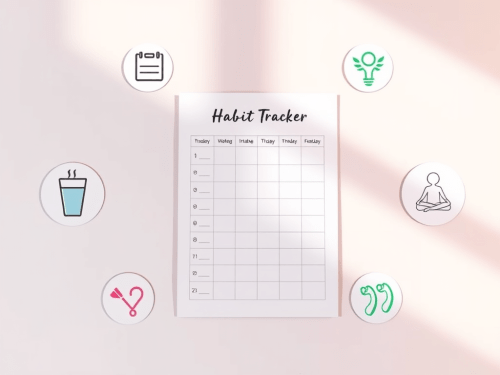
Keeping track of your progress can be a powerful motivator. You can use a journal, an app, or even a simple checklist to note your daily achievements. Whether it’s drinking enough water, completing a workout, or meditating for five minutes, tracking these small wins reminds you how far you’ve come. Seeing your progress visually can boost your confidence and encourage you to keep going.

5. Build a Support System

You don’t have to do this alone. Share your goals with friends, family, or a wellness group. Having people who encourage you and celebrate your successes can make a world of difference. If you’re comfortable, consider finding an accountability partner—someone who’s also working toward their goals. Checking in with each other can keep you both motivated and on track.

6. Be Kind to Yourself

No one’s wellness journey is perfect. You’re bound to have off days, miss a workout, or indulge in a treat—and that’s okay. What matters is how you respond. Instead of beating yourself up, practice self-compassion. Remind yourself that progress, not perfection, is the goal. One slip doesn’t erase all the hard work you’ve done.

7. Mix Things Up

If you feel your motivation waning, it might be time to shake up your routine. Try a new workout class, explore a different walking route, or experiment with a fresh recipe. Variety not only keeps things interesting but can also challenge your body and mind in new ways, helping you avoid plateaus and boredom.

8. Celebrate Non-Scale Victories

It’s easy to get caught up in numbers, whether it’s the scale, calories, or workout minutes. But wellness is about so much more. Celebrate the moments when you feel more energized, sleep better, or notice your clothes fitting differently. These non-scale victories are just as meaningful and often reflect deeper changes in your overall well-being.

9. Focus on the Present

It’s natural to think about where you want to be in the future, but don’t forget to focus on today. Ask yourself, “What’s one thing I can do right now to support my wellness?” It could be as simple as taking a deep breath, drinking a glass of water, or going for a quick walk. Focusing on small, present-moment actions can make the journey feel more manageable and less overwhelming.

10. Reward Yourself

Incorporating rewards into your wellness plan can boost motivation. These rewards don’t have to be extravagant—a relaxing bath, a new book, or treating yourself to a fun fitness accessory can be enough to keep you inspired. Just make sure your rewards align with your goals so they reinforce your progress.

Final Thoughts

Motivation isn’t something you find and hold onto forever; it’s something you cultivate daily. By staying connected to your “why,” setting realistic goals, and embracing flexibility, you can create a sustainable wellness journey that feels good for you.

Remember, it’s okay to go at your own pace.

Wellness is a lifelong journey, not a race. Celebrate every step, and know that you’re doing something amazing for yourself. Keep going—you’ve got this!

Simple Self-Care Rituals to Start the New Year Strong

The start of a new year is the perfect time to embrace small changes that can make a big difference in your life. You don’t need a long list of resolutions or drastic measures to feel your best. Instead, focus on simple, sustainable self-care rituals that fit easily into your daily routine.

Here are five easy ways to start the year feeling refreshed, balanced, and ready to take on whatever comes your way.

1. Begin Your Day with Intention

How you start your morning sets the tone for your entire day. Take a few minutes each morning to ground yourself. This could mean sitting quietly with your coffee or tea, writing a quick to-do list, or practicing a moment of gratitude. For example, jot down three things you’re thankful for or something you’re looking forward to that day. This small act can shift your mindset and help you approach your day with a positive outlook.

2. Stay Hydrated

Drinking enough water is one of the easiest self-care habits to maintain, yet it’s often overlooked. Proper hydration boosts energy, supports digestion, and helps you feel more focused. Keep a reusable water bottle nearby and sip throughout the day. If plain water feels boring, add slices of lemon, cucumber, or a handful of berries for natural flavor. Aim for at least eight glasses a day, but listen to your body—it’ll let you know when you need more.

3. Move Your Body Daily

You don’t need to commit to an intense workout routine to feel the benefits of movement. Gentle activities like a 10-minute walk, light stretching, or dancing to your favorite song can work wonders for your mood and energy levels. Find something you enjoy, and don’t worry about perfection. The key is consistency—a little movement each day can add up to big results over time.

4. Simplify Your Meals

Eating well doesn’t have to be complicated. Start by adding one extra fruit or vegetable to your meals each day. Choose foods that make you feel good and provide the energy you need to tackle your day. A simple breakfast of oatmeal with fresh berries or a quick salad with your favorite toppings at lunch can keep you nourished without overwhelming your schedule.

5. Unplug and Recharge

In a world that never seems to slow down, taking breaks from technology can be a form of self-care. Set aside 30 minutes each evening to unplug from screens. Use this time to read, journal, or simply relax. Giving your mind a break from constant stimulation helps improve sleep and leaves you feeling more present in your daily life.

Final Thoughts

Self-care doesn’t have to be time-consuming or complicated. By focusing on small, achievable habits, you can create a foundation of well-being that supports you all year long. Start with one or two rituals from this list, and see how they make you feel. Remember, self-care is not about being perfect; it’s about showing up for yourself in ways that feel good and sustainable. Here’s to a happy, healthy new year!

Why Drinking Water Is the Easiest Self-Care Habit to Incorporate into your busy life.

Do you ever feel tired, have trouble concentrating, or notice your skin looking dull? It might be your body’s way of asking for more water.

Drinking water is one of the simplest ways to feel better

Here are five quick benefits:

Boosts Energy
When you’re hydrated, your body works better. You might feel more awake and alert—no fancy drinks needed.

Improves Skin Health
Water helps your skin look and feel its best. Think of it as your glow-up in a glass.

Aids Digestion
Staying hydrated can keep things moving smoothly. Enough said!

Supports Focus
Feeling foggy? A glass of water can help sharpen your mind and keep you on track.

Helps Manage Cravings
Sometimes, thirst disguises itself as hunger. Try sipping water first to see if that’s what your body really needs.

The best part? You don’t have to overhaul your day. Just start small—keep a water bottle handy or swap a soda for water. Little changes add up!

Would you like a daily water tracker with a mini guide? Click here to download a complimentary copy.

Do you drink enough water every day? Tell us in the comments. You may help the next reader feel better about themselves. #SharingIsCaring

Breast Cancer Awareness: What Every Woman Should Know

A middle-aged woman, smiling and appearing happy and healthy, standing outdoors on a sunny day with a bright blue sky. She is enjoying the sunshine and nature, radiating positivity and well-being.

October is Breast Cancer Awareness Month, a time dedicated to raising awareness about the importance of early detection and education. Here are some tips to help you stay informed, protect your health, and empower yourself with knowledge.

Understanding Breast Cancer

Breast cancer is the most common cancer among women worldwide, but it can be successfully treated if detected early. It occurs when cells in the breast grow uncontrollably, forming a lump or mass. Early-stage breast cancer often doesn’t cause noticeable symptoms, making regular screenings crucial.

Why Early Detection Matters

One of the most effective ways to reduce the risk of advanced breast cancer is through early detection. Regular mammograms can find cancer before any physical symptoms appear, significantly increasing the chances of successful treatment. Women over 40, or younger women with a family history of breast cancer, should discuss a personalized screening plan with their healthcare provider.

How to Reduce Your Risk

While we can’t completely eliminate the risk, there are ways to reduce it. Here are some wellness tips:

  • Stay Active: Regular physical activity helps maintain a healthy weight, which can lower your risk.
  • Balanced Diet: A diet rich in fruits, vegetables, and lean proteins supports your immune system and overall health.
  • Limit Alcohol Consumption: Excessive alcohol intake has been linked to a higher risk of breast cancer.
  • Self-Exams: Regularly performing self-exams helps you stay familiar with your body and recognize any changes early on.

Support for Breast Cancer Patients

If you or a loved one is diagnosed with breast cancer, remember that support is very helpful. Many communities offer support groups, and there are numerous resources available for guidance on treatment options, emotional well-being, and lifestyle changes.

Take Action Today

Breast cancer awareness isn’t just for October. Make a commitment today to schedule your screening, support a loved one, or even just share this information. Your health is your greatest asset.

Remember: Awareness leads to action, and action saves lives.

Simple Solutions for Maintaining a Healthy Weight: Mindful Eating, Movement, and Mindset

A middle-aged woman mindfully eating a healthy, nourishing meal. She is seated at a table, savoring each bite of a colorful plate of fresh fruits, vegetables, and whole grains, enjoying the moment with a calm, focused expression.

Struggling with managing your weight can feel overwhelming, especially when life gets busy. But achieving and maintaining a healthy weight doesn’t have to be about strict diets or exhausting workout routines. Instead, small, sustainable changes can make all the difference. Let’s talk about three key strategies: mindful eating, regular movement, and shifting your mindset.

1. Mindful Eating: Slow Down and Tune In

Mindful eating is about paying attention to what you’re eating and how it makes you feel. When we eat on autopilot—whether it’s in front of the TV or while scrolling through our phones—it’s easy to overeat or make unhealthy choices. Mindful eating encourages us to slow down and really enjoy our food, which can naturally lead to better choices and portion control.

How to Eat Mindfully: Start by tuning into your hunger cues. Ask yourself if you’re eating out of true hunger or just because it’s a habit. As you eat, try to chew slowly and savor each bite. Notice the textures, flavors, and how your body feels. This practice not only helps you avoid overeating but also makes eating a more enjoyable experience.

2. Regular Movement: Make it Fun

You don’t have to spend hours at the gym to maintain a healthy weight. What matters most is finding a physical activity that you enjoy and making it a regular part of your routine. Physical activity boosts your metabolism, improves your mood, and helps you feel more energized throughout the day.

How to Stay Active: Whether it’s a brisk walk, dancing, yoga, or even playing with your kids, find activities that bring you joy. Aim for at least 30 minutes of movement most days of the week. The key is to choose something you enjoy, so it doesn’t feel like a chore. Over time, regular movement will become a habit that supports your goals.

3. Mindset Shifts: Focus on Progress, Not Perfection

One of the biggest barriers to maintaining a healthy weight is our mindset. Many people get stuck in an all-or-nothing mentality—feeling like they’ve failed if they don’t follow their plan perfectly. But your new healthy lifestyle is a journey, not a sprint. Shifting your mindset from perfection to progress can help you stay motivated and avoid frustration.

How to Shift Your Mindset: Celebrate small wins along the way, like choosing a healthy snack or getting outside for a walk. If you have a setback, don’t beat yourself up. Instead, focus on how you can get back on track. By focusing on progress and building healthier habits over time, you’ll find that managing your weight becomes more sustainable and less stressful.

Final Thoughts

Managing your weight doesn’t have to be complicated. By practicing mindful eating, incorporating regular movement, and shifting your mindset, you can create a sustainable, healthy lifestyle that supports your goals.

If you’re ready to take the next step and need guidance, I’m here to help! Let’s work together to create a personalized plan that fits your life and helps you feel your best.

How to Sleep Better: Essential Strategies

A middle-aged woman peacefully sleeping at night in a cozy bedroom. She appears relaxed and comfortable, enjoying a restful night of sleep.

Struggling to fall asleep or stay asleep? You’re not alone. Sleep problems are common, but that doesn’t mean you have to put up with restless nights. Quality sleep is essential for your mental and physical health, and with a few simple adjustments, you can improve your sleep patterns. Let’s talk about three key strategies: creating a bedtime routine, reducing screen time before bed, and practicing relaxation techniques.

1. Establish a Bedtime Routine

Your body thrives on consistency, especially when it comes to sleep. A bedtime routine signals to your brain that it’s time to wind down. If you’re constantly going to bed at different times, it confuses your internal clock, making it harder to fall asleep.

How to Create a Routine: Try going to bed and waking up at the same time every day, even on weekends. Spend the last 30 minutes before bed doing something relaxing, like reading a book, stretching, or listening to calming music. Over time, this consistency helps regulate your sleep cycle, making it easier to fall asleep and wake up refreshed.

2. Minimize Screen Time Before Bed

Screens—whether it’s your phone, computer, or TV—emit blue light, which can interfere with your body’s production of melatonin, the hormone that regulates sleep. Scrolling through social media or watching TV right before bed keeps your brain active when it should be winding down.

What to Do Instead: Aim to turn off all screens at least 30 minutes before bed. If you enjoy reading before sleep, try using a physical book instead of an e-reader. And if you can, keep your phone out of reach while you sleep to avoid the temptation to check it during the night.

3. Practice Relaxation Techniques

Stress and anxiety can keep your mind racing long after you’ve climbed into bed. That’s where relaxation techniques come in. These simple practices can calm your mind and help you drift off to sleep more easily.

Techniques to Try: Breathing exercises, progressive muscle relaxation, or gentle stretching can help relax your body and quiet your mind. Try a breathing technique like 4-7-8 breathing (inhale for 4 seconds, hold for 7, and exhale for 8) to release tension and prepare your body for sleep. Guided meditation is another great tool to help you let go of stress before bed.

Final Thoughts

A good night’s sleep is within reach. By establishing a consistent bedtime routine, cutting down on screen time, and practicing relaxation techniques, you can improve both the quantity and quality of your sleep. If you’re ready to create a personalized plan for better sleep, I’m here to help! Let’s work together to find the solutions that work best for you.

Beat Fatigue and Boost Your Energy with These Simple Solutions

A middle-aged woman of color sitting outdoors in a relaxed setting, holding a bottle of water and smiling. She is staying hydrated to boost her energy and combat fatigue, enjoying the benefits of a healthy lifestyle.

Feeling tired all the time? You’re not alone! Fatigue and low energy are common struggles for many people. Between work, family, and everything in between, it’s easy to feel drained. But the good news is, there are simple ways to boost your energy levels and feel more vibrant throughout the day. Let’s explore three easy but powerful solutions: hydration, balanced nutrition, and regular physical activity.

1. Hydration: Water is Your Best Friend

Did you know that even mild dehydration can leave you feeling sluggish and unfocused? Our bodies are made up of about 60% water, and when we don’t drink enough, it affects how we function—mentally and physically.

How to Stay Hydrated: Aim to drink at least 8 glasses of water a day. Keep a water bottle with you to make it easy, and remember that staying hydrated doesn’t mean only drinking water. You can also hydrate through foods like fruits and vegetables, which are naturally high in water content.

Pro tip: Start your morning with a glass of water to wake up your body and kickstart your energy for the day!

2. Balanced Meals: Fuel Your Body the Right Way

What you eat plays a huge role in how you feel. If you’re constantly reaching for sugary snacks or processed foods, you might notice a quick energy boost followed by a crash. Instead, aim for balanced meals that provide long-lasting energy.

What to Include in Your Diet: Focus on nutrient-dense foods like whole grains, lean proteins, and plenty of fruits and veggies. These foods provide essential vitamins and minerals that keep your energy levels steady throughout the day. Healthy fats from sources like avocados, nuts, and seeds can also help fuel your body in a balanced way.

3. Physical Activity: Move to Boost Your Mood and Energy

It might seem counterintuitive, but regular physical activity is one of the best ways to combat fatigue. Exercise increases blood flow, which means more oxygen and nutrients are delivered to your muscles and brain—leading to improved energy and mental clarity.

How to Get Started: You don’t need to hit the gym for hours to see benefits. Even just 20-30 minutes of light activity, like walking, stretching, or yoga, can make a big difference. The key is consistency—make movement a regular part of your day, and you’ll start to notice the energy boost.

Final Thoughts

Fatigue doesn’t have to rule your day. With simple steps like staying hydrated, eating balanced meals, and incorporating regular physical activity, you can start feeling more energized and vibrant. If you’re ready to create a personalized wellness plan to tackle your fatigue, I’m here to help! Let’s work together to get your energy back on track.

Relieve Stress with Simple Mindfulness Practices

A middle-aged woman of color sitting outdoors in a relaxed environment, practicing a breathing exercise to relieve stress and anxiety. She appears calm and focused, with her eyes closed and her hands resting gently on her lap, surrounded by nature.

Stress and anxiety are part of life, but they don’t have to control it. If you’ve been feeling overwhelmed, you’re not alone. Many of us face daily stress from work, family, or just trying to balance everything. The good news? There are simple techniques you can practice to help reduce stress and bring more calm into your life. Let’s explore two powerful tools: guided meditation, and breathing exercises.

1. Guided Meditation

Guided meditation is a fantastic way to calm your mind and ease anxiety. If you’ve never meditated before, don’t worry, guided meditation makes it easy by providing step-by-step instructions, often with a soothing voice leading you through the process.

During a guided meditation, you might focus on your breath, a peaceful scene, or a specific thought that brings you calm. The aim is to gently pull your mind away from the chaos of daily life and into a state of peace. Studies have shown that regular meditation can lower cortisol levels, the hormone responsible for stress. Just 5-10 minutes a day can make a big difference.

You can try free guided meditation apps. I use an app called Moonly, or there is a wide range of guided meditations on YouTube.

If you’re new to meditation, starting with a guided session is a great way to feel comfortable and get the most out of your practice.

2. Breathing Exercises

Breathing exercises are another simple but effective way to reduce stress. When we’re anxious, our breathing becomes shallow, signaling to our body that we’re in danger. This can trigger the “fight or flight” response, making us feel even more stressed. By practicing deep, controlled breathing, we can reverse this process, telling our body and mind to relax.

A popular breathing technique is the 4-7-8 method:

  • Inhale through your nose for 4 seconds.
  • Hold your breath for 7 seconds.
  • Exhale slowly through your mouth for 8 seconds.

Doing this just a few times can quickly reduce tension and bring a sense of calm. (I use this at night, after I’ve gone to bed. It never fails to help me fall asleep.)

Anytime you feel stress building, take a moment to practice this breathing technique. It’s easy to do anywhere—whether you’re at home, work, or even in the car. With practice, it can become your go-to tool for managing anxiety.

Final Thoughts

Stress and anxiety don’t have to dominate your life. With simple mindfulness practices like guided meditation and breathing exercises, you can take back control and feel more relaxed. If you’re ready to explore these techniques further and find what works best for you, I’m here to help. Contact me today for a personalized session, and let’s work together to bring more calm into your everyday life.

Top 4 Common Wellness Issues and How to Overcome Them

Stop the struggle with common issues like stress, fatigue, poor sleep, and difficulty managing weight

In today’s fast-paced world, maintaining wellness can be a challenge. Many of us struggle with common issues like stress, fatigue, poor sleep, and difficulty managing weight. As a wellness guide, I want to shed light on these issues and offer practical solutions to help you take control of your health.

1. Stress and Anxiety

Stress and anxiety are among the most prevalent wellness concerns. Whether triggered by work, relationships, or daily life, chronic stress can lead to physical and mental health problems, including anxiety, high blood pressure, and heart disease.

A Solution for Stress And Anxiety:

Incorporating mindfulness practices such as guided meditation or breathing exercises can significantly reduce stress. In just 5-10 minutes a day, you can experience a sense of calm and relaxation.

2. Fatigue and Low Energy

Feeling tired all the time? Fatigue and low energy often result from poor nutrition, lack of exercise, or dehydration. Without addressing these root causes, you may feel drained and sluggish throughout the day.

Solutions for Fatigue And Low energy:

Hydration, balanced meals rich in nutrients, and regular physical activity can revitalize your energy.

3. Poor Sleep

Insomnia and poor sleep quality are common wellness problems that affect mood, memory, and productivity. Improving sleep is essential for mental and physical health.

Solutions for Sleep Problems:

Establishing a bedtime routine, minimizing screen time before bed, and practicing relaxation techniques can enhance sleep quality.

4. Weight Management

Weight management is a common issue, often compounded by stress, busy schedules, and unhealthy habits. Sustainable weight loss isn’t about fad diets, but rather building lasting habits.

Solutions for Weight Management:

Mindful eating, regular movement, and mindset shifts can make all the difference.

If you’re ready to take control of your wellness journey, I’m here to help. Contact me today to learn how we can work together to create a personalized wellness plan that supports your goals.

The Doctor Says I Have To Lose 30 Pounds, Part Three

Introducing a three part series

Welcome to our three-part series, “The Doctor Says I Have To Lose 30 Pounds.” In this series, we’ll explore the emotional and physical challenges of life as a busy woman, give practical tips for making healthier choices, and offer strategies for long-term success. Whether you’re starting your own weight loss journey or thinking about starting one, this series is here to give you hope. Here is PART THREE. Part One is here in case you want to go back. Here is PART TWO.

It’s time to see the doctor

It’s time for her doctor’s appointment. The same doc that told her to lose thirty pounds. Yeah, that guy.

This appointment will be different though because she is different. She is happier, friendlier, and more relaxed. Her newfound joy is reflected in her eyes.

Small shifts = big changes

She has been drinking more water, sleeping better, and eating more mindfully. She is beginning to believe her daily affirmations could be true.

Her life is getting better. She is getting better.

She has joined an online book club and …drum roll please…and an online exercise group. She’s socializing and enjoying it a lot.

That 30 pounds

The doctor didn’t mention those pesky extra pounds because she feels so much better than she did.

Instead of recommending she lose weight, or take another prescription, the doctor congratulated her on her progress and said to keep it up.

Keep it up

Of course she is going to keep it up. Even when the going gets hard, she knows what a difference her small changes have made.

This is the life she has wanted for a long time.

Kudos to our friend. She is on her way to a healthy, happy life.