7 Simple Ways to Boost Your Energy Without Relying on Caffeine

When your energy dips, it’s easy to reach for a cup of coffee or an energy drink. And while caffeine can give you a quick boost, it often leads to a crash later, leaving you even more tired. The good news? You don’t need caffeine to feel more awake and alert. There are plenty of simple, natural ways to boost your energy that won’t leave you jittery or drained.

If you’re ready to feel more energized throughout the day without relying on coffee refills, here are seven easy and effective strategies.

1. Get Moving (Even for Just a Few Minutes)

When you’re low on energy, moving your body might feel like the last thing you want to do. But even a short burst of activity can give you a surprising energy lift.

Why? Physical movement gets your blood flowing, which delivers more oxygen to your brain and muscles. This wakes up your body and sharpens your focus.

Try this:

  • Walk around the block or take a few laps inside your home.
  • Do 10 jumping jacks or march in place for a minute.
  • Stretch your arms and legs to loosen up tight muscles.

You don’t need a full workout—just a little movement can help you shake off fatigue.

2. Hydrate, Hydrate, Hydrate

Dehydration is a sneaky energy zapper. Even mild dehydration can leave you feeling sluggish and foggy. Since your body relies on water to transport nutrients and oxygen, being low on fluids slows everything down.

Try this:

  • If you’re feeling tired, drink a full glass of water and wait 15–20 minutes. You might be surprised by how much better you feel.
  • Carry a water bottle with you throughout the day as a reminder to stay hydrated.
  • If plain water feels boring, add lemon slices, cucumber, or berries for a natural flavor boost.

3. Step Outside for Fresh Air and Sunlight

A few minutes of natural light and fresh air can do wonders for your energy levels. Sunlight helps regulate your body’s internal clock (circadian rhythm), which makes you feel more awake during the day and sleepier at night.

Try this:

  • Take a 5–10 minute walk outside during your lunch break.
  • If you’re stuck indoors, step outside for a quick stretch.
  • Open a window and breathe in the fresh air.

Even a short exposure to sunlight can improve your mood and help you feel more alert.

4. Snack Smart for Steady Energy

Sugary snacks might give you a temporary rush, but they quickly lead to an energy crash. Instead, opt for snacks that provide a steady release of energy by combining protein, fiber, and healthy fats.

Try this:

  • Apple slices with peanut butter
  • A handful of nuts and seeds
  • Greek yogurt with a sprinkle of granola
  • Carrot sticks with hummus

Balanced snacks keep your blood sugar stable, helping you avoid the rollercoaster of highs and lows.

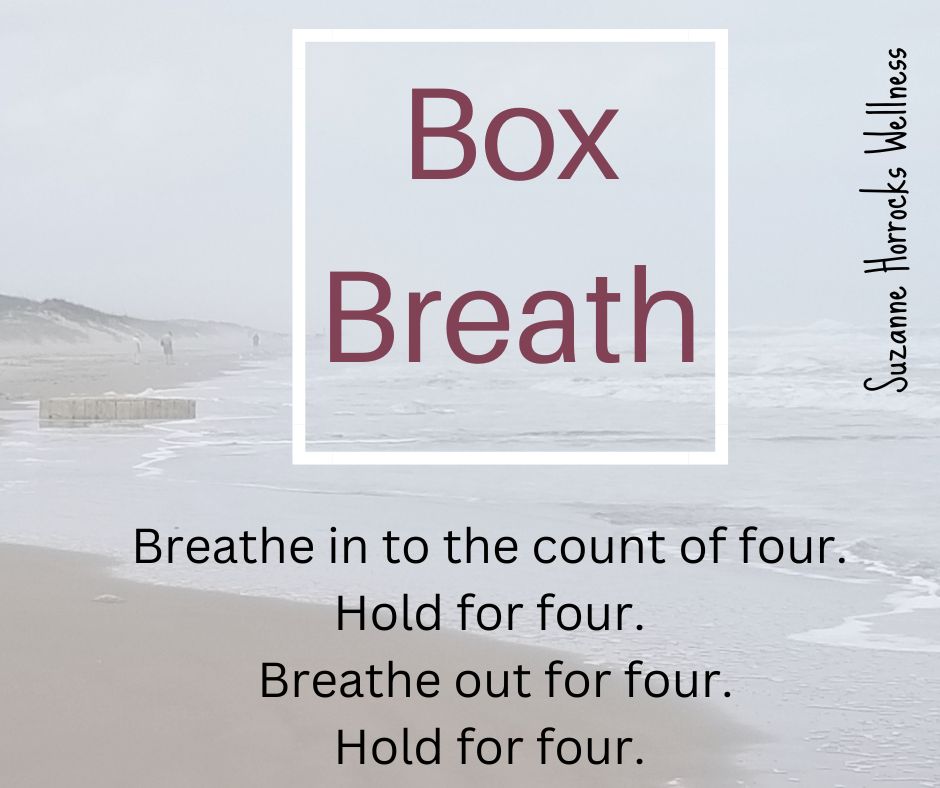
5. Use Deep Breathing to Recharge

When you’re tired, your breathing tends to become shallow, which reduces the amount of oxygen reaching your brain. Taking a few deep, intentional breaths helps you feel more awake.

Try this:

  • Inhale slowly through your nose for a count of four.
  • Hold the breath for four seconds.
  • Exhale slowly through your mouth for four seconds.
  • Repeat this a few times and notice how you feel.

Deep breathing increases oxygen flow and calms your nervous system, giving you a natural energy boost.

6. Take a Power Nap (But Keep It Short)

If you have the flexibility, a quick nap can help you recharge—just make sure it’s short. Naps between 10–20 minutes can improve alertness and mood without making you feel groggy.

Try this:

  • Set an alarm for 20 minutes or less.
  • Find a quiet, comfortable spot.
  • Keep the room dark or wear an eye mask to fall asleep faster.

Short naps give you a mental reset without interfering with nighttime sleep.

7. Listen to Upbeat Music

Music is a powerful tool for shifting your mood and energy levels. Fast-paced, upbeat music stimulates your brain and can make you feel more lively, even when you’re tired.

Try this:

  • Create an “energy boost” playlist with your favorite lively songs.
  • When you feel sluggish, put on a song that makes you want to move.
  • Dance around or sing along—it’ll lift your energy even more.

Music activates your brain’s reward center, giving you a quick boost of feel-good energy.

You Don’t Need Caffeine to Feel Energized

While caffeine can give you a temporary lift, it’s not the only way to stay energized. By moving your body, hydrating, getting fresh air, snacking smart, and practicing deep breathing, you can naturally boost your energy throughout the day—no crash required.

The next time you feel drained, try one of these simple tips. You might be surprised by how quickly your energy bounces back – naturally.

When You Know What to Do, But Your Brain Won’t Let You


Have you ever known exactly what you should do to feel better, but you just can’t seem to do it? You tell yourself to go for a walk, reach out to a friend, drink some water, or finally make that therapy appointment—but instead, you sit there, stuck.

If this sounds familiar, you’re not alone.

Mental health struggles can feel like a paradox. You might have all the knowledge, all the tools, and even a plan—but when it comes time to take action, something inside holds you back. It’s frustrating. It’s exhausting. And worst of all, it can make you feel like you’re failing.

But here’s the truth: You’re not failing. Your brain is struggling.

Why Does This Happen?

When we talk about mental health, we often focus on solutions—exercise, mindfulness, therapy, routines. But when your brain is in survival mode, those solutions can feel impossible.

Here’s why:

  • Your brain sees everything as too much. When you’re overwhelmed, even small tasks can feel like climbing a mountain. Your brain isn’t trying to be difficult—it’s just stuck in a loop of exhaustion.
  • Low motivation isn’t laziness. Depression, anxiety, and stress can make even basic tasks feel like monumental efforts. It’s not that you don’t want to help yourself—you just can’t find the energy.
  • Your mind can work against you. Sometimes, mental health struggles come with a voice that whispers, What’s the point? It won’t help anyway. That voice isn’t the truth—it’s just a symptom of what you’re going through.

So, What Can You Do?

If you’re in this place, you don’t need a long list of “fixes.” You need small, doable steps that help you move forward without feeling overwhelmed.

1. Shrink the Task

If something feels too big, make it smaller. Instead of “I should clean my house,” try “I’ll pick up one thing.” Instead of “I need to exercise,” try “I’ll stretch for 30 seconds.”

Momentum starts with the smallest step. And when you take one, your brain starts to believe you can take another.

2. Talk to Yourself Like a Friend

If someone you loved was struggling, you wouldn’t tell them they’re lazy or failing. So why say that to yourself? Try, I know this is hard, but I’m doing my best today.

3. Remove the Pressure

Sometimes, the weight of “I have to do this” makes everything harder. What if, instead, you told yourself, I don’t have to do it all, but I can try one thing?

Giving yourself permission to do less can actually help you do more.

4. Reach Out in the Easiest Way Possible

If talking feels like too much, send a text. If a phone call feels overwhelming, message a friend with just a simple “Hey.” You don’t have to explain everything—you just have to break the silence.

5. Let Someone Else Help You Decide

When your brain is stuck, decision-making can feel impossible. Ask someone you trust: What’s one thing I could do today to feel just a little better? Sometimes, an outside perspective makes all the difference.

You’re Not Broken—You’re Just Struggling

It’s easy to feel like you should be able to think your way out of this. But mental health doesn’t work that way. Healing isn’t about forcing yourself to be “better”—it’s about meeting yourself where you are and taking steps, even tiny ones, toward feeling okay again.

And if you take nothing else from this, remember: Struggling doesn’t mean you’re failing. It just means you need support.

So if your brain is making everything feel impossible today, try one small step. Just one. It doesn’t have to be perfect. It just has to be something.

And if today isn’t the day? That’s okay too. Tomorrow is another chance.

What Do You Want to Learn About Wellness?


When it comes to health and wellness, there’s no one-size-fits-all approach. We all have different needs, different challenges, and different goals. Some of us want to feel more energetic, some want to manage stress better, and others just want simple, realistic ways to take better care of ourselves.

That’s why I want to hear from you.

What questions do you have about wellness? What’s been on your mind when it comes to feeling your best? Whether you’re curious about healthy habits, self-care, movement, mindfulness, or anything in between, I want to make sure the content I share is helpful and relevant to you.

Wellness That Fits Your Life

There’s so much information out there about health, fitness, and self-care—sometimes it’s overwhelming. One expert says one thing, another says the opposite. It’s easy to get stuck in a cycle of reading, researching, and overthinking instead of taking small steps that actually make a difference.

That’s why I focus on real-life wellness—the kind that fits into your daily routine without feeling like another chore on your to-do list. I want to help you find what works for you rather than giving you a long list of things you “should” be doing.

But to do that, I need to know what you’re struggling with or what you’d like to learn more about.

Common Wellness Questions—Do Any of These Sound Like You?

If you’re not sure where to start, here are some common wellness topics people often ask about:

  • Simple ways to boost energy without relying on caffeine
  • How to create a self-care routine that actually works
  • Easy meal ideas for busy days
  • How to improve sleep naturally
  • Ways to stay consistent with healthy habits
  • Mindfulness and stress relief techniques that don’t take much time
  • How to move your body in ways that feel good, not like punishment

Do any of these resonate with you? Or do you have something else on your mind when it comes to wellness? Let me know—I’d love to create content that supports you on your journey.

Let’s Make Wellness Simple and Doable

Wellness doesn’t have to be complicated. It doesn’t have to be about strict diets, exhausting workouts, or rigid routines. Instead, it can be about small, sustainable choices that help you feel better—not overwhelmed.

So tell me, what do you want to learn more about? Drop your thoughts in the comments or send me a message. Your input will help shape future blog posts, emails, and community discussions.

I’m here to support you in a way that makes sense for your life. Let’s build a wellness journey that feels good—together.


Understanding the Lymphatic System

When it comes to health and wellness, we often hear about the heart, brain, and digestive system. But there’s another important system in your body that deserves attention—the lymphatic system. While it doesn’t always get the spotlight, it plays a crucial role in keeping you healthy and feeling your best.

So, what exactly is the lymphatic system, and why should you care? Let’s dive into the basics.

What is the Lymphatic System?

The lymphatic system is a network of vessels, nodes, and organs that work together to remove waste, toxins, and excess fluids from your body. Think of it as your body’s drainage system, helping to keep things running smoothly.

It consists of:

  • Lymph – A clear fluid that carries waste, toxins, and immune cells.
  • Lymph nodes – Small, bean-shaped structures that filter harmful substances and produce immune cells.
  • Lymphatic vessels – Tubes that transport lymph throughout the body.
  • Organs like the spleen and thymus – These help produce and store immune cells.

This system works quietly behind the scenes to support your immune function and maintain fluid balance in your body.

Why is the Lymphatic System Important?

The lymphatic system has several essential functions:

  1. Removes Toxins and Waste – Just like taking out the trash keeps your home clean, the lymphatic system helps clear waste from your body.
  2. Supports Immunity – It plays a key role in defending against illness by carrying immune cells that fight infections.
  3. Maintains Fluid Balance – It prevents swelling by removing excess fluid from tissues and returning it to the bloodstream.
  4. Absorbs Nutrients – The lymphatic system helps absorb fats and fat-soluble vitamins from the digestive system.

Signs of a Sluggish Lymphatic System

When the lymphatic system isn’t working efficiently, waste and toxins can build up, leading to symptoms like:

  • Feeling sluggish or fatigued
  • Puffiness or swelling (especially in the legs or face)
  • Frequent colds or infections
  • Stiffness, especially in the morning
  • Skin issues like acne or dull complexion

While some of these symptoms can have multiple causes, supporting your lymphatic system can help you feel more energized and balanced.

How to Support Your Lymphatic System

Unlike the circulatory system, which has the heart to pump blood, the lymphatic system relies on movement to keep things flowing. Here are simple ways to support it:

  1. Move Your Body – Exercise, stretching, and even gentle movement like walking help stimulate lymph flow.
  2. Drink Plenty of Water – Hydration is key for keeping lymph fluid moving.
  3. Dry Brushing – Using a natural bristle brush on dry skin before a shower can encourage lymphatic circulation.
  4. Deep Breathing – Taking slow, deep breaths helps move lymph through the body.
  5. Massage and Lymphatic Drainage – Gentle massage techniques can help stimulate lymph flow and reduce swelling.
  6. Eat Nutrient-Rich Foods – Foods like leafy greens, citrus fruits, and healthy fats support lymphatic function.
  7. Reduce Toxins – Limiting processed foods, alcohol, and chemical-laden products can ease the burden on your lymphatic system.

Final Thoughts

The lymphatic system may not always get the attention it deserves, but it plays a vital role in your overall health. By making small lifestyle changes, you can support this essential system and help your body function at its best.

Have you ever thought about your lymphatic health? Try incorporating one or two of these tips into your routine and see how you feel.

How to Stay Motivated on Your Wellness Journey

Starting a wellness journey is exciting, but staying motivated can be challenging. Life gets busy, progress feels slow, and sometimes it’s easier to fall back into old habits. But the good news is that motivation isn’t something you either have or don’t have—it’s something you can create and maintain.

Here’s how to stay motivated on your wellness journey, even when the initial excitement fades.

1. Set Meaningful Goals

Instead of vague goals like “I want to be healthier,” set specific and realistic goals that matter to you. Whether it’s having more energy, being more flexible, having less pain, or simply feeling good in your body, defining your why will give you a reason to keep going.

Break big goals into smaller, achievable steps. Celebrating small wins will keep you motivated and help you stay on track.

2. Focus on Progress, Not Perfection

One of the biggest motivation killers is the belief that you have to be perfect. A wellness journey isn’t about following strict rules—it’s about making gradual improvements.

Missed a workout? Ate something that wasn’t part of your plan? That’s okay! What matters is what you do most of the time, not what happens once in a while. Give yourself grace and keep moving forward.

3. Find Activities You Enjoy

If your wellness routine feels like a chore, it’s going to be hard to stick with it. The best way to stay motivated is to choose activities that you actually like.

Don’t enjoy running? Try dancing, yoga, hiking, or swimming instead. Love cooking? Experiment with new healthy recipes. Wellness should enhance your life, not feel like a punishment.

4. Create a Routine That Fits Your Lifestyle

Motivation often fades when wellness feels like another obligation. Instead of trying to squeeze in workouts and meal prep around a busy schedule, find ways to integrate them into your daily life.

Take short walks during lunch breaks, prepare simple healthy meals, or stretch before bed. The easier your routine is to maintain, the more likely you are to stick with it.

5. Track Your Progress

Seeing how far you’ve come is one of the best ways to stay motivated. Keep a journal, take progress photos, or use an app to track workouts and habits. Even small improvements—like more energy, better sleep, or fewer cravings—are signs of progress worth celebrating.

6. Surround Yourself with Support

Motivation thrives in a supportive environment. Connect with friends, family, or an online community that shares your goals. Having people to encourage you, celebrate your wins, and lift you up when you struggle makes a huge difference.

If possible, find a wellness buddy. Exercising or meal planning with someone else can make the process more enjoyable and keep you accountable.

7. Keep It Fun and Fresh

Doing the same thing over and over can lead to boredom and burnout. Keep your wellness journey exciting by trying new things.

Switch up your workouts, try different healthy recipes, explore new outdoor activities, or take a wellness class. Variety keeps things interesting and helps prevent plateaus.

8. Practice Self-Compassion

It’s normal to have setbacks. Instead of being hard on yourself, recognize that progress isn’t always linear. What’s important is that you keep showing up for yourself, even when things don’t go perfectly.

When you feel discouraged, remind yourself why you started. Take a deep breath, refocus, and keep going. Your wellness journey is about feeling your best—not about being perfect.

Final Thoughts

Staying motivated on your wellness journey isn’t about willpower—it’s about setting yourself up for success. Find joy in the process, celebrate progress, and be kind to yourself along the way.

What’s one thing that keeps you motivated? Share in the comments—I’d love to hear your thoughts!

How to Start a Healthier Lifestyle Without Feeling Deprived

When you think about getting healthier, does it feel overwhelming? Many people associate a healthy lifestyle with strict diets, giving up favorite foods, or spending hours at the gym. But the truth is, living healthier doesn’t have to mean deprivation. In fact, small, enjoyable changes can lead to big results.

Here’s how to embrace a healthier lifestyle without feeling like you’re missing out.

1. Shift Your Mindset

Instead of thinking about what you have to give up, focus on what you can add to your life. A healthier lifestyle isn’t about restriction—it’s about making choices that help you feel better every day.

For example, instead of saying, “I can’t have dessert,” shift to, “I’ll choose a dessert that nourishes my body and satisfies my sweet tooth.” This small change in thinking can make a big difference in how you feel about your choices.

2. Make One Change at a Time

Trying to change everything overnight often leads to frustration. Instead, pick one small habit to focus on at a time. Maybe you start by drinking more water, going for a short walk each day, or adding more vegetables to your meals. Once that habit feels natural, add another. Slow, steady changes are more likely to last than extreme overhauls.

3. Choose Foods You Enjoy

Healthy eating doesn’t mean you have to eat bland salads or say goodbye to your favorite meals. There are plenty of delicious, nutrient-dense foods that taste amazing.

If you love pasta, try swapping white pasta for whole wheat or chickpea pasta. If you crave something sweet, enjoy fresh fruit with a little dark chocolate. Instead of eliminating foods, find healthier versions that still bring you joy.

4. Move in a Way That Feels Good

Exercise shouldn’t feel like punishment. The best workout is the one you actually enjoy. If you hate running, don’t run! Try dancing, swimming, yoga, hiking, or even just walking while listening to your favorite podcast.

Movement should be something you want to do, not something you have to do. When you find joy in movement, it becomes a natural part of your routine instead of a chore.

5. Listen to Your Body

Your body gives you signals all day long. Instead of following strict diet rules or exercise plans, pay attention to what your body needs. Are you truly hungry, or are you bored? Do you need rest, or do you have energy to move?

Honoring your body’s signals—eating when you’re hungry, stopping when you’re full, resting when you need to—creates a balanced approach to health that doesn’t feel restrictive.

6. Prioritize Sleep and Stress Management

A healthy lifestyle isn’t just about food and exercise. Sleep and stress play a huge role in overall well-being. Lack of sleep can lead to cravings, low energy, and increased stress, making it harder to make healthy choices.

Create a bedtime routine that helps you wind down. This could include reading, stretching, or turning off screens an hour before bed. Managing stress with deep breathing, journaling, or spending time in nature can also help you feel more balanced and in control.

7. Give Yourself Grace

Perfection isn’t the goal—progress is. There will be days when you eat more than you planned, skip a workout, or feel unmotivated. That’s okay! One less-than-perfect choice doesn’t erase all your progress. What matters is what you do consistently over time.

Instead of feeling guilty, remind yourself that balance is key. A healthy lifestyle is meant to enhance your life, not make it harder.

8. Surround Yourself with Support

Making lifestyle changes is easier when you have support. Find a friend, family member, or community that encourages your journey. Join a fitness class, a healthy cooking group, or an online wellness community where you can share wins and challenges.

Having people to celebrate progress with and lean on during tough times can keep you motivated and inspired.

Final Thoughts

Starting a healthier lifestyle doesn’t have to mean giving up the foods and activities you love. By making small, enjoyable changes, you can create habits that feel good and last a lifetime. Focus on progress, not perfection, and remember—health is about feeling your best, not following rigid rules.

What’s one small change you can start today? Let me know in the comments—I’d love to hear about your journey!

10 Effective Ways to Live a Healthy Lifestyle

In today’s fast-paced world, maintaining a healthy lifestyle can feel like a daunting task. Yet, with the right strategies, it’s not only achievable but also rewarding. A healthy lifestyle is not just about eating right or exercising but encompasses various aspects of our lives, contributing to our overall well-being.

According to the World Health Organization, a healthy lifestyle can prevent up to 80% of heart disease, stroke, and type 2 diabetes.

Let’s explore ten effective ways to embrace a healthy lifestyle.

1. Balanced Nutrition

Eating a balanced diet is fundamental to a healthy lifestyle. It provides essential nutrients that fuel our bodies and support bodily functions.

Tips:

  • Eat a Variety of Foods: Incorporate a mix of fruits, vegetables, lean proteins, and whole grains.
  • Portion Control: Use smaller plates to help manage portion sizes.
  • Limit Processed Foods: Opt for fresh, whole foods whenever possible

2. Regular Physical Activity

Exercise is crucial for maintaining a healthy lifestyle. It strengthens the heart, improves circulation, and boosts mental health.

Tips:

  • Set Realistic Goals: Aim for at least 150 minutes of moderate exercise weekly.
  • Mix It Up: Combine aerobic exercises with strength training.
  • Stay Consistent: Create a routine that fits your lifestyle.

3. Mindfulness and Meditation

Mindfulness and meditation can significantly reduce stress and improve mental health.

Tips:

  • Start Small: Begin with just five minutes of meditation each day.
  • Use Guided Sessions: Apps like Headspace offer guided meditations for beginners.
  • Practice Mindfulness Daily: Focus on being present in everyday tasks.

4. Adequate Sleep

Quality sleep is as integral to a healthy lifestyle as diet and exercise. The CDC states that adults need 7-9 hours of sleep per night.

Tips:

  • Create a Sleep Schedule: Go to bed and wake up at the same time daily.
  • Limit Screen Time Before Bed: Reduce exposure to screens at least an hour before sleeping.
  • Create a Relaxing Environment: Ensure your bedroom is dark, quiet, and cool.

5. Social Connections

Building and maintaining strong social connections is vital for emotional health.

Tips:

  • Schedule Regular Meet-Ups: Plan weekly or monthly gatherings with friends or family.
  • Join Clubs or Groups: Engage in community groups or clubs that align with your interests.
  • Volunteer: Volunteering can help build connections while contributing to the community.

6. Digital Detox

Taking regular breaks from digital devices can improve mental health and productivity.

Tips:

  • Set Specific Times for Digital Use: Allocate specific periods for checking emails or social media.
  • Engage in Offline Activities: Try hobbies that don’t involve screens, like gardening or crafting.
  • Create Tech-Free Zones: Designate spaces in your home where electronics are not allowed.

7. Hydration

Staying hydrated is critical for maintaining energy levels and supporting bodily functions.

Tips:

  • Carry a Water Bottle: Keep a reusable water bottle with you at all times.
  • Set Reminders: Use apps or alarms to remind you to drink water regularly.
  • Infuse with Flavor: Add fruits or herbs to your water for a refreshing taste.

8. Healthy Habits

Developing healthy habits can lead to long-term benefits.

Tips:

  • Start Small: Focus on one habit at a time to avoid overwhelm.
  • Track Progress: Use journals or apps to monitor your habits.
  • Reward Yourself: Celebrate small victories to stay motivated.

9. Financial Well-being

Financial health is an often-overlooked aspect of a healthy lifestyle but is crucial for reducing stress.

Tips:

  • Budgeting: Create a monthly budget to track expenses and savings.
  • Emergency Fund: Set aside a small amount each month for unexpected expenses.
  • Financial Education: Utilize online courses or books to improve financial literature.

10. Continuous Learning

Keeping your mind active and engaged is essential for cognitive health and personal growth.

Tips:

  • Read Regularly: Dedicate time each day to reading books or articles.
  • Enroll in Courses: Online platforms like Coursera offer a plethora of courses on various topics.
  • Attend Workshops and Seminars: Participate in local events to enhance your knowledge.

Conclusion

Embracing a healthy lifestyle is a journey that involves making conscious choices and building habits that promote well-being. From balanced nutrition and regular exercise to mindfulness and financial health, each strategy plays a vital role in enhancing your quality of life. Remember, small changes can lead to significant improvements over time.

As you begin to adopt healthy habits, ask yourself: What steps will you take today towards a healthier lifestyle? How can these changes positively impact your family and community? Embrace the challenge and enjoy the process of becoming the best version of yourself.

Here’s to a healthier, happier you!

5 Hidden Benefits of Staying Hydrated During Winter

When we think about hydration, our minds often go to summer days, sweating under the sun. But staying hydrated in winter is just as important, if not more so.

During colder months, it’s easy to forget to drink water because we don’t feel as thirsty. However, your body still needs plenty of fluids to function at its best.

Beyond the obvious benefits, like keeping your skin moisturized and aiding digestion, here are five hidden perks of staying hydrated during winter that you might not know about.

1. Boosts Your Immune System

Winter often brings colds, the flu, and other seasonal illnesses. Staying hydrated can strengthen your immune system, giving you an extra layer of protection.

How does it work?

Water helps flush toxins out of your body, supports the production of lymph (a key fluid in your immune system), and ensures your organs function properly to fight off infections.

Dehydration can make you more susceptible to getting sick, as your body struggles to eliminate waste and transport nutrients effectively. By drinking enough water, you’re helping your immune system stay sharp and ready to tackle whatever winter throws your way.

2. Enhances Energy Levels

Feeling sluggish during the colder months? It’s not just the weather.

Dehydration is a sneaky culprit behind low energy levels. Even mild dehydration can cause fatigue and reduce your ability to concentrate.

Your body relies on water to carry oxygen and nutrients to your cells, which fuels your energy levels throughout the day.

In winter, we tend to reach for caffeinated drinks like coffee and tea to stay warm, but these can sometimes dehydrate you even more.

Balance those cozy cups with water, and you’ll notice a boost in your energy and focus.

3. Supports Joint and Muscle Health

Cold weather can make your joints and muscles feel stiff and achy. Hydration plays a crucial role in keeping them flexible and comfortable.

Water helps lubricate your joints by maintaining the fluid in your cartilage, which cushions bones and prevents discomfort.

If you’re active during winter—whether it’s skiing, snowshoeing, or just shoveling snow—staying hydrated can reduce the risk of cramps and improve your recovery time.

So, before you head out into the cold, grab a water bottle and give your joints the support they need.

4. Improves Skin’s Natural Glow

Winter air is dry, and indoor heating can sap even more moisture from your skin. While moisturizers help on the outside, hydration works wonders from within. Drinking enough water keeps your skin cells plump and reduces dryness, redness, and irritation.

Proper hydration can also slow the appearance of fine lines and wrinkles, giving you a natural, healthy glow despite the harsh winter conditions.

If you’re looking for a simple and affordable way to keep your skin radiant this season, start with a glass of water.

5. Supports Brain Health and Mood

The winter blues are real, and staying hydrated might be part of the solution.

Your brain is made up of about 75% water, and dehydration can affect your mood, memory, and overall cognitive function. When your body doesn’t have enough water, it’s harder for your brain to communicate effectively, which can lead to feelings of irritability and difficulty focusing.

Drinking water helps maintain mental clarity and can even improve your mood. Pair hydration with a bit of sunlight or exercise, and you’ll have a powerful combo for beating those winter blahs.


How to Stay Hydrated in Winter

Now that you know the benefits, here are a few tips to make staying hydrated easier during the colder months:

Invest in a good water bottle: A reusable bottle you love can make it easier to drink more water.

Drink warm water or herbal teas: These are cozy alternatives to cold water and can still keep you hydrated.

Eat water-rich foods: Soups, stews, oranges, and cucumbers are great options.

Set reminders: Use an app or alarm to prompt you to sip water throughout the day.

Staying hydrated during winter isn’t just about quenching thirst—it’s about giving your body the tools it needs to thrive in colder weather. From boosting your immune system to improving your mood, these hidden benefits prove that water is your winter wellness hero.

Fill up your glass and toast to your health this season.

5 Wellness Hacks for Busy Women

Prepare healthy snacks

Life as a busy woman often feels like a constant whirlwind. Between work, family, and social commitments, it can be challenging to prioritize your own well-being. But remember, selfcare isn’t selfish – it’s essential for your physical and mental health.

This isn’t about radical life overhauls or demanding wellness regimens. These are simple, practical hacks designed to fit easily into you already busy schedule.

1. The “Two-Minute Rule”

We’ve all been there: a mountain of small tasks looming over us, each task seems insignificant, but collectively, they drain our energy. This is where the “Two-Minute Rule” comes in.

The principle is simple: If a task takes two minute or less to complete, do it immediately. Anything from answering a quick email to putting dishes in the dishwasher.

By tackling these small tasks promptly, you keep them from piling up and creating a sense of overwhelm. This frees up mental space and it gives you a sense of accomplishment.

2. Mindful Movement: Sneak it in

Finding time for dedicated exercise can feel impossible when your schedule is packed. But, physical activity doesn’t have to be a formal workout.

*Take movement breaks – Take short, active breaks throughout the day. Instead of sitting at a desk all day, stand up and stretch every 30 minutes
*Walk during your lunch break – Fresh air and sunshine does wonders for your body and your mind.
*Move during everyday activities – Take the stairs instead of the elevator, park far away, do some squats or leg lifts while you wait for the kettle to boil.

These short bursts of activity can significantly boost your energy and improve your overall well-being.

3. Batch Similiar Task

Feeling scattered and unproductive? Try batching similar tasks together.

*Schedule all of your phone calls together.
*Dedicate an afternoon to running errands.
*Plan meals for the week. (Eliminating the “what’s for dinner?” dilemma.)

By grouping similar tasks, you streamline your workflow and increase your efficiency.

4. Prioritize Sleep

Sleep is often the first thing to go when life gets busy. But skimping on sleep can have significant negative impacts on you mood, energy level, and overall health. Here’s some tips to help

*Establish a relaxing bedtime routine.
*Create an environment that’s conducive to sleep. (Think dark, quiet, cool.)

Prioritize sleep even when your short on time. That 15-20 minutes of sleep makes a big difference in your overall health and well-being.

5. The Power Hour

In the hustle and bustle of daily life, it’s easy to forget to do things that bring you joy and fulfillment.

Dedicate one hour each day to something that you enjoy. Whether it’s reading, painting, spending time in nature, or simply relaxing with a cup of tea, this power hour allows you to recharge, reduce stress, and cultivate a sense of balance in your busy life.

Remember: Consistency is Key

These wellness hacks are most effective when practiced consistently. Start with one or two and gradually incorporate more as they become habits. Selfcare isn’t about perfection. It’s about finding small, sustainable ways to prioritize your well-being amidst the chaos of everyday life.

Transform Your Life with a Free Habit Tracker

Are you ready to make meaningful changes in your life?
Whether you’re looking to drink more water, exercise regularly, practice mindfulness, or achieve another goal, the secret to success lies in your daily habits. The good news? You don’t have to do it alone. Our habit tracker is here to help you stay focused, consistent, and motivated every step of the way. Click here to download a free copy that you can reprint as many times as you like.

Why Habits Matter

Habits are the foundation of our lives. They shape how we spend our time and ultimately determine the results we achieve. Good habits help us build momentum toward our goals, while bad habits can hold us back. But here’s the thing: habits don’t change overnight. They’re built one small step at a time—and that’s where a habit tracker comes in.

What is a Habit Tracker?

Think of a habit tracker as your personal accountability partner. It’s a simple tool that allows you to:

  • Set Clear Goals: Define what habits you want to build and why they matter to you.
  • Track Progress: Mark off each day you complete a habit and watch your consistency grow.
  • Stay Motivated: Celebrate your streaks and see how small, consistent actions add up to big results.

How The Habit Tracker Works

The habit tracker is designed with simplicity in mind. You don’t need fancy apps or complex tools—just a clear plan and the commitment to take action. Here’s how to use it:

  1. Download Your Tracker: Click here to grab your free habit tracker.
  2. List Your Habits: Write down the habits you want to focus on. Be specific and realistic. Use one sheet per habit. 
  3. Start Tracking: Each day, mark off the habits you complete. Missed a day? No problem. Just pick up where you left off.
  4. Reflect and Adjust: At the end of the week, or month, review your progress and tweak your plan if needed.

Why You’ll Love It

The habit tracker isn’t just a tool; it’s a way to transform your goals into reality. With each checkmark, you’ll build confidence, gain clarity, and take control of your journey. It’s perfect for anyone who wants to:

  • Stay consistent with daily routines
  • Break old habits and build healthier ones
  • See tangible proof of their progress

Download Your Habit Tracker Today

Don’t wait for the “perfect” time to start working on your goals. The best time to start is now! The free habit tracker is ready to guide you toward the changes you’ve been dreaming about.

Small steps lead to big transformations. Take the first step today, and let’s build a life you love, one habit at a time!