Better Balance, Less Stress


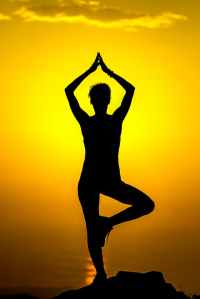
Sunset over still water

Why Yoga, Tai Chi, and Qi Gong Are the Ultimate Trio for Longevity

When you think about “getting in shape,” your mind probably jumps to high-intensity interval training, heavy weights, or long-distance running. While those have their place, there is a quieter, equally powerful category of exercise that often gets overlooked by the modern fitness world.

I’m talking about Yoga, Tai Chi, and Qi Gong.

If you’ve spent any time on social media lately, you’ve likely seen these practices buried under layers of “wellness” buzzwords and complex philosophy. But if we strip away the jargon, what we are left with are three of the most effective tools for maintaining a mobile, pain-free, and resilient body as we age.

Whether you are looking to soothe a nagging backache , knees that ache, or simply want to feel more steady on your feet, understanding the practical differences—and shared benefits—of these three practices is a game-changer.

The Foundations: What’s the Difference?

Before we dive into the benefits, let’s clear up what these practices actually are. While they all involve mindful movement, they come from different traditions and offer different physical “inputs” for your body.

Yoga

Originating in India, yoga is perhaps the most well-known of the three. While there are dozens of styles, most western yoga focuses on postures (asanas). Yoga is fantastic for structural alignment, core strength, and flexibility. It often involves holding positions to build isometric strength or flowing through sequences to increase your heart rate.

Tai Chi

Tai Chi is a Chinese martial art often described as “meditation in motion.” It consists of a series of slow, continuous movements that flow into one another. Unlike the static holds you might find in a yoga class, Tai Chi is about constant transition. It focuses heavily on weight shifting, which is why it is world-renowned for improving balance.

Qi Gong

Qi Gong (pronounced chee-gung) is the ancestor of Tai Chi. It is generally simpler to learn because it often involves repeating a single movement several times rather than memorizing a long, complex sequence. It focuses on coordinated breathing and gentle movement to release physical tension and improve circulation.

1. Functional Balance and Fall Prevention

As we get older, balance isn’t just a “nice to have”—it’s a safety requirement.

Tai Chi, in particular, is one of the most researched forms of exercise for fall prevention. Because the practice requires you to constantly shift your weight from one leg to the other while maintaining a straight spine, it trains your brain and muscles to communicate more effectively.

When you practice Tai Chi or Yoga, you are strengthening the “stabilizer” muscles around your ankles, knees, and hips. These are the muscles that catch you if you trip on an uneven sidewalk or lose your footing on a rug.

2. Low-Impact Strength Building

You don’t need to lift 100 pounds to build functional strength. Yoga uses your own body weight to create resistance. Holding a “Warrior II” pose or a plank builds muscle endurance in your legs, arms, and core without the jarring impact on your joints that comes with running or jumping.

For those dealing with osteoarthritis or joint sensitivity, Qi Gong and Tai Chi offer a way to keep the body moving without causing flare-ups. The slow, controlled movements lubricate the joints (increasing synovial fluid) and keep the tendons supple, which can significantly reduce daily stiffness.

3. Better Breathing, Better Health

Most of us are “chest breathers.” When we are stressed, our breath becomes shallow and high in the chest, which can actually keep our bodies in a state of “fight or flight.”

All three of these practices prioritize diaphragmatic breathing (belly breathing). By consciously slowing down your breath to match your movement, you send a physical signal to your nervous system that it is safe to relax. This doesn’t just feel good in the moment; it helps lower your heart rate, reduce blood pressure, and improve your quality of sleep.

4. Mental Clarity and Focus

Have you ever finished a workout and felt more frazzled than when you started? That rarely happens with Yoga, Tai Chi, or Qi Gong.

Because these exercises require you to pay close attention to where your foot is placed or how your arm is moving, they act as a form of active concentration. You aren’t distracted by a TV screen at the gym or a podcast in your ears; you are focused on the task at hand. This “mindful” aspect helps clear the mental clutter, leaving you feeling focused and calm.

How to Choose the Right One for You

The best part about these practices is that you don’t have to choose just one. They complement each other beautifully.

  • Choose Yoga if you want to focus on flexibility, core strength, and physical “stretching.”
  • Choose Tai Chi if you want to improve your balance, coordination, and grace.
  • Choose Qi Gong if you want something gentle, easy to learn, and focused on relaxation and circulation.

Getting Started: No Special Equipment Required

One of the biggest barriers to starting a new exercise routine is the “stuff.” You think you need the right shoes, the right outfit, or an expensive gym membership.

Yoga, Tai Chi, and Qi Gong are incredibly accessible. You can do Qi Gong in your pajamas in your living room. You can practice Tai Chi in a park with zero equipment. All you really need is a small space and the willingness to move slowly for a few minutes a day.

On A Final Note

As a wellness guide, my goal is to help you move through life with more ease and less pain. Incorporating just 15 to 20 minutes of these “slow” exercises into your week can have a profound impact on how your body feels.

The goal isn’t to be the most flexible person in the room or to master a complex martial arts form. The goal is to build a body that serves you well, allows you to stay active, and keeps you feeling steady and strong for years to come.

7 Ways Sunshine Promotes Better Health


There is something deeply comforting about stepping outside and feeling the sun on your face.

On October 28, 2025, in a post titled Benefits of Sunshine in Fall and Winter, we explored how even cooler-season sunlight can lift your mood and help you feel more like yourself when the days grow shorter.

That gentle reminder still holds true: sunshine is not just about warmth. It’s about energy, rhythm, and overall well-being.

Today, let’s take a broader look at the health benefits of sunshine and why spending time outdoors—year-round—can support your body and mind in simple, meaningful ways.

1. Sunshine and Vitamin D: Stronger Bones and Better Immunity

One of the most well-known benefits of sunshine is its role in helping your body produce vitamin D.

When sunlight touches your skin, your body naturally makes this essential nutrient. Vitamin D supports:

  • Strong bones
  • Healthy teeth
  • Muscle function
  • Immune system support

Low vitamin D levels have been linked to fatigue, frequent illness, and low mood. While food and supplements can help, safe sun exposure is one of the most natural sources available.

Just 10–30 minutes of sunlight several times a week (depending on your skin tone and location) can make a difference. Morning or late afternoon sun is often gentler on the skin.


2. Sunshine and Mood: A Natural Lift

Have you ever noticed how a sunny day feels lighter than a gray one?

Sunlight helps your brain produce serotonin, a chemical that supports mood, focus, and calmness. Lower sunlight exposure—especially in fall and winter—can contribute to seasonal mood shifts.

This is why stepping outside for even a short walk can feel like a reset.

Research on Seasonal Affective Disorder (SAD) shows that light plays a powerful role in emotional well-being. While severe cases may require professional support, daily natural light can be a steady, supportive habit for many people.

If you work indoors, try:

  • Drinking your morning coffee outside
  • Taking a 10-minute walking break at lunch
  • Sitting near a sunny window

Small choices add up.


3. Better Sleep Through Natural Light

It may seem surprising, but sunshine during the day can improve your sleep at night.

Sunlight helps regulate your circadian rhythm—your body’s internal clock. When your eyes are exposed to natural light in the morning, your brain gets the message: It’s time to be awake. Later, as the light fades, your body prepares for rest.

People who spend more time in natural daylight often:

  • Fall asleep more easily
  • Sleep more deeply
  • Wake up feeling more refreshed

If you struggle with sleep, one simple step is to get outside within an hour of waking up. Even five to fifteen minutes of morning light can help reset your rhythm.


4. Sunshine Supports Heart Health

Moderate sun exposure may also benefit heart health.

Some studies suggest sunlight can help lower blood pressure. One reason may be that sunlight triggers the release of nitric oxide in the skin, which helps blood vessels relax and widen.

Lower blood pressure supports:

  • Reduced strain on the heart
  • Better circulation
  • Lower risk of heart-related concerns

Of course, sunshine isn’t a replacement for healthy habits like movement and balanced eating. But when combined with daily walks and time outdoors, it becomes part of a supportive lifestyle.


5. Time in the Sun Encourages Gentle Movement

Sunshine naturally draws us outside.

When the weather is bright, you’re more likely to:

  • Walk
  • Garden
  • Stretch
  • Sit outside instead of on the couch

That gentle movement improves circulation, joint mobility, and energy levels.

For many adults—especially those navigating midlife changes or an empty nest—this can be a simple way to stay active without committing to an intense routine.

Movement doesn’t have to be complicated. A slow walk around the block in the sunshine counts.


6. Sunshine and Mental Clarity

Spending time outdoors in natural light may also improve focus and mental clarity.

Indoor lighting can leave you feeling tired or foggy. Sunlight stimulates alertness and can help reduce that mid-afternoon slump.

If you’re working from home or managing daily responsibilities, try taking phone calls outside or doing light tasks on a patio or porch. The shift in environment can refresh your thinking.

Sometimes clarity begins with a breath of fresh air.


7. Sunshine and Stress Reduction

There’s something grounding about standing in the sun.

Warmth on your skin can relax tight muscles. Natural light combined with fresh air helps calm the nervous system. Even a few quiet minutes outdoors can lower stress levels.

In our earlier fall and winter post, we reminded readers that sunshine is available even on cooler days. That’s important. You don’t need summer heat to benefit from light.

Bundle up if needed. Step outside anyway.

The body responds to light, even when temperatures drop.


Safe Sun Exposure Matters

While sunshine has many benefits, balance is key.

Too much direct sun—especially during peak midday hours—can increase the risk of skin damage. Protect your skin by:

  • Avoiding long exposure during peak UV hours
  • Wearing protective clothing
  • Using sunscreen when staying out longer

The goal isn’t to bake in the sun. It’s to welcome it wisely.

Short, consistent exposure is often more helpful than occasional overexposure.


Simple Ways to Get More Sunshine Daily

If you want to experience the health benefits of sunshine, start small:

  • Open your curtains first thing in the morning
  • Eat one meal outside
  • Take a five-minute sunshine break
  • Walk after dinner
  • Sit near a sunny window while reading

Think of sunshine as nourishment. Not something extreme—just something steady.


Why Sunshine Still Matters in Every Season

As we shared in Benefits of Sunshine in Fall and Winter, light doesn’t lose its value when temperatures drop.

In fact, when days grow shorter, natural light becomes even more important.

Whether it’s summer brightness or winter softness, sunshine supports:

  • Mood
  • Sleep
  • Bone health
  • Heart health
  • Mental clarity
  • Gentle movement

It’s one of the simplest wellness tools available—and it’s free.


A Gentle Invitation

When was the last time you intentionally stepped outside just to feel the light on your face?

This week, try adding a few minutes of sunshine to your daily rhythm and notice how you feel.

Have you experienced a change in your mood, sleep, or energy from spending more time outdoors? Share your thoughts in the comments. Your experience may encourage someone else to step into the light, too.

Find Your Flow

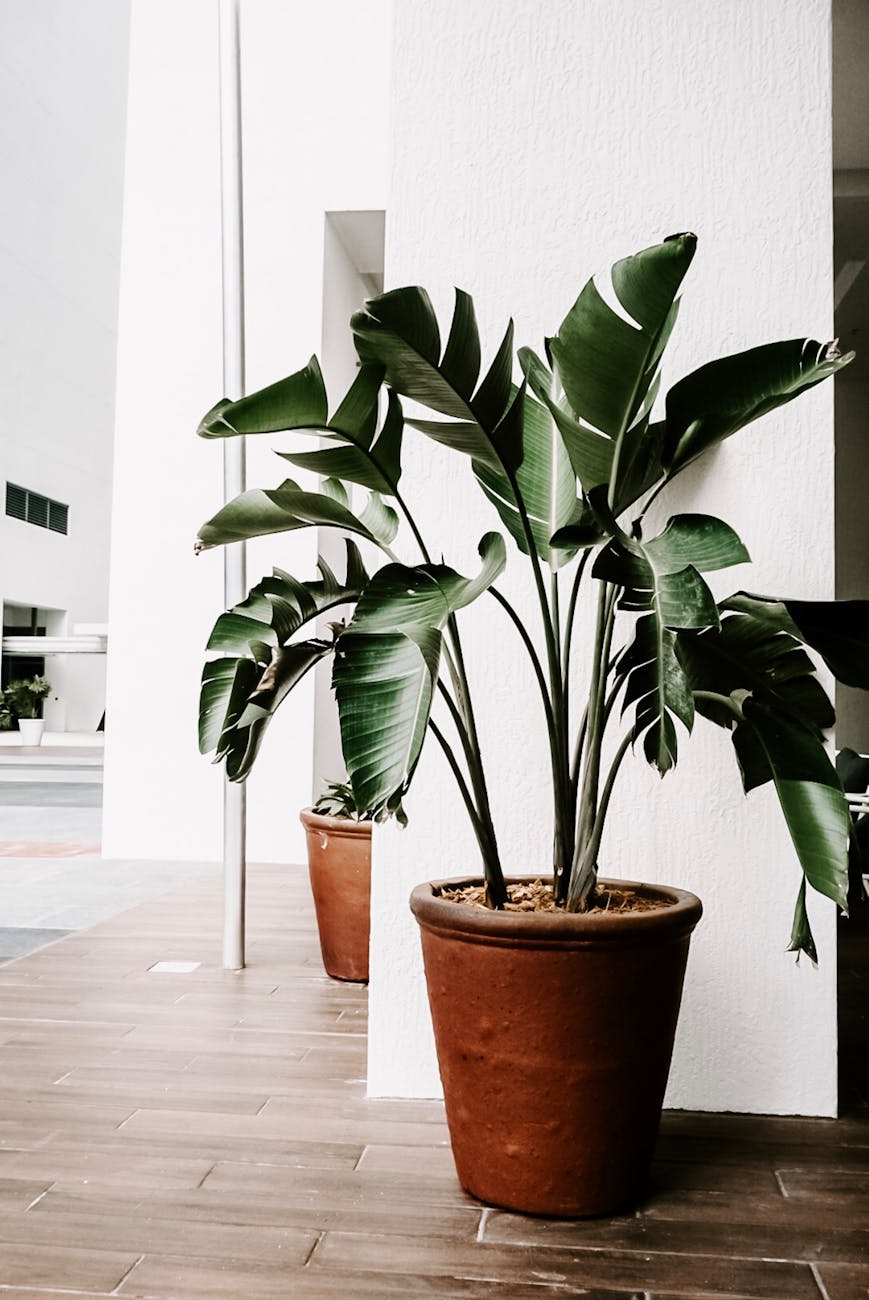
Indoor potted plant

Why Tai Chi is the Ultimate Winter Workout for Your 60s and Beyond

Let’s be honest: when the temperature drops and the sidewalk looks more like a skating rink than a walking path, the motivation to “get active” tends to go into hibernation. For those of us in our 60s, the “Great Indoors” becomes our sanctuary—but it can also become a place where our joints get stiff and our energy levels dip.

If you’re middle-aged (old enough to know better, young enough to still do it), you might be looking for something more sophisticated than a basic stretching routine but less jarring than a HIIT class.

Enter Tai Chi.

Often called “meditation in motion,” Tai Chi is the secret weapon for staying limber, focused, and surprisingly strong without ever having to lace up a pair of running shoes or brave the wind chill. Here is why this ancient practice is the perfect indoor companion.


What Exactly is Tai Chi?

Tai Chi is a centuries-old Chinese tradition that involves a series of movements performed in a slow, focused manner, accompanied by deep breathing. Unlike yoga, which often involves holding static poses, Tai Chi is a continuous flow.

Think of it as a slow-motion dance that focuses on posture, balance, and internal energy. It’s low-impact, puts minimal stress on muscles and joints, and is generally safe for all fitness levels.


1. The “Balance” Factor: Staying Steady on Your Feet

One of the biggest concerns as we move through our midlife and beyond is balance. Falls aren’t just an inconvenience; they are a genuine health risk.

Tai Chi works wonders for proprioception—the sense of where your body is in space. By practicing the slow, deliberate weight shifts inherent in Tai Chi, you are retraining your brain and legs to work in harmony. Studies have shown that regular practice can reduce the risk of falls by up to 50%. It’s like installing an internal gyroscope that keeps you upright, even when the floor (or the world) feels a bit shaky.

2. Joint Health Without the “Ouch”

High-impact exercises like jogging or aerobics can be tough on knees and hips that have already seen decades of service. Tai Chi provides a low-impact alternative that lubricates the joints.

The gentle circular motions help maintain range of motion and can significantly reduce the pain associated with arthritis. It’s exercise that feels like a massage from the inside out.

3. A Mental Escape from “Winter Brain”

Being stuck indoors can lead to a bit of cabin fever or “winter blues.” The deep breathing used in Tai Chi triggers the parasympathetic nervous system—the part of your brain that tells you to “rest and digest” rather than “fight or flight.”

Practicing Tai Chi for 20 minutes can:

  • Lower cortisol (the stress hormone) levels.
  • Improve sleep quality (which can be tricky during the shorter days).
  • Sharpen cognitive focus and memory.

Why It’s Perfect for Small Indoor Spaces

The beauty of Tai Chi is its minimalism. You don’t need a gym membership, a Peloton, or even a yoga mat.

  • Space Requirements: If you have enough room to take two steps in any direction, you have a Tai Chi studio.
  • Equipment: None. You can practice in your pajamas or comfortable loungewear.
  • Zero Noise: No jumping or heavy equipment means you won’t disturb anyone else in the house (or the neighbors below).

Pro Tip: While Tai Chi is often done barefoot, if your floors are cold, a pair of non-slip “grippy” socks is a great investment to keep your toes warm while maintaining stability.


How to Get Started (Today!)

You don’t need to fly to a monastery to learn the basics. Since you’re already indoors, the internet is your best friend.

  1. Search for “Tai Chi for Beginners” or “Tai Chi for Seniors” on YouTube. Look for instructors who focus on the “24 Form”—this is a standard set of movements that is very popular and easy to follow.
  2. Start with 10 Minutes: Don’t feel pressured to do an hour-long session. Even ten minutes of “Cloud Hands” (a basic move) can change your mood.
  3. Focus on the Breath: If the footwork gets confusing, just keep breathing. The movement of your breath is more important than the perfect placement of your heel.

Here is a quick list of Tai Chi benefits for middle-aged and older adults:

  • Better Balance: Reduces fall risk.
  • Heart Health: Lowers blood pressure gently.
  • Mental Clarity: Reduces anxiety and “brain fog.”
  • Bone Density: Supports weight-bearing strength.
  • Arthritis Relief: Increases joint flexibility.

Remember…

In your middle-aged years and beyond, your body is a finely tuned machine that requires a different kind of fuel and maintenance than it did at 24. Tai Chi isn’t just “exercise”; it’s a way to reclaim your movement and find peace in the middle of a cold winter. It’s proof that you don’t have to break a sweat to build strength, and you don’t have to leave your living room to find your flow.

Winter Wellness: A Gentle Return to Yourself

Winter Wellness

December invites us to slow down, breathe a little deeper, and gather ourselves in the softness of winter. While the world around us moves quickly—holiday lists, travel plans, extra commitments—our bodies whisper a different message: rest, restore, and nourish from the inside out.

This is the heart of winter wellness, and December is the perfect place to begin.


Winter carries a rhythm all its own. Shorter days and colder weather naturally draw us indoors, asking us to ground, reflect, and create more intentional space. Instead of fighting that rhythm, we can lean into it—with practices that strengthen our energy, support our mood, and help us stay well during the season.

At the center of winter wellness is one simple truth: your body thrives when you treat it with steady, mindful care. December becomes a real invitation to tune in and honor what you need.


1. Slow Down Without Stopping Your Self-Care

Many people go into December with good intentions: more rest, fewer commitments, healthier routines. But once the calendar fills, self-care fades into the background.

This month offers an opportunity to shift that pattern.

You don’t need elaborate routines or long checklists. Wellness in winter often looks like small, grounding habits you practice consistently:

  • Waking up a little earlier for quiet time before the day begins
  • Drinking a full glass of water before your morning coffee
  • Five minutes of gentle stretching or deep breathing
  • Choosing meals that warm and nourish you
  • Building small pockets of stillness into your busy days

These simple acts create steadiness—something the season often lacks.


2. Hydration Matters More Than You Think in Winter

Most people associate dehydration with summer heat, but winter dryness is just as powerful. Indoor heat, cold air, and holiday drinks all pull moisture out of your system.

Even slight dehydration can contribute to:

  • Low energy
  • Dry skin
  • Irritability
  • Brain fog
  • Cravings for sugary drinks
  • Headaches

Adding more water sounds simple, yet it’s one of the most transformative winter wellness habits you can commit to.

To make hydration effortless:

  • Keep a water bottle in your most-used spaces
  • Drink a glass of water before every meal
  • Swap one sugary drink each day for herbal tea or lemon water
  • Add electrolyte minerals if dry winter air leaves you feeling depleted

And if soda is part of your daily routine, December is a beautiful time to explore healthier swaps. Small shifts now bring big benefits by the new year.

If you’re wanting support, my Stop Drinking Soda Guide is available on my website and also on my Buy Me A Coffee page. It offers simple, practical steps to help you break the cycle and feel better in your body this winter.


3. Nourishing Foods to Support Winter Energy

December invites warm foods that comfort without weighing you down. Choose meals that help stabilize your energy and support your immune system through the coldest months:

  • Soups and stews with vegetables, beans, or lean protein
  • Roasted root vegetables
  • Herbal teas like ginger, peppermint, or chamomile
  • Oats, chia pudding, or warm grains for easy breakfasts
  • Foods rich in vitamin C (oranges, berries, peppers)
  • Broths and hydrating foods like cucumbers, citrus, or apples

Winter meals don’t have to be complicated—just steady, warm, and nourishing.


4. Move Your Body in Ways That Feel Good (Not Forced)

Movement in December doesn’t need to be demanding. Shorter days and colder temperatures naturally lower our energy. Instead of pushing against your body, work with your winter rhythm.

Try gentle, grounding movement like:

  • Yoga
  • Stretching
  • Walking indoors or outdoors
  • Light strength training
  • Chair yoga or mobility work

Even ten minutes of movement can shift your mood, warm your body, and help you feel more centered during busy weeks.


5. Create a Calm Mind Through Simple Rituals

December can overwhelm the mind as much as the body. A few grounding rituals can bring calm back into your days:

  • Lighting a candle before you start work
  • Journaling for 3–5 minutes each morning
  • Turning off screens an hour before bed
  • Practicing deep breathing when you feel rushed
  • Creating a simple “evening wind-down” routine

These practices pave the way for steady emotional wellness through the season.


6. Protect Your Energy and Set Seasonal Boundaries

Winter reminds us that even nature protects its energy. Trees pull inward. Animals burrow. The planet itself slows down.

You’re allowed to do the same.

This month, practice saying no to things that drain you and yes to what nourishes you:

  • Choose rest over obligation
  • Keep your mornings or evenings sacred
  • Limit overcommitment
  • Make space for quiet moments
  • Ask for help when needed

Your wellness deepens when you stop stretching yourself thin.


7. Use December as a “Soft Start” for the New Year

Many people wait until January 1 to think about their health, but starting in December actually creates a smoother, gentler transition.

Instead of resolutions, think of December as your soft opening.

Choose one or two small habits:

  • Drink more water
  • Reduce soda intake
  • Go on a daily walk
  • Add a mindfulness practice
  • Prepare simple nourishing meals

These tiny shifts build momentum so you begin the new year already aligned with the life you want to step into.


Winter Wellness Is a Return to the Body

Winter wellness isn’t about perfection. It’s about listening, noticing, and responding with care. December gives you the space to reconnect with yourself before the new year begins.

It’s an invitation to honor your body, support your energy, and build rituals that bring steadiness during the darkest days of the season.


A Gentle Next Step

If one of your goals this season is to feel better in your body—especially by cutting back on sugary sodas—my Stop Drinking Soda Guide is ready for you. It offers tools, swaps, and support to help you make real, sustainable shifts.

You can find it at:
SuzanneHorrocks.com
and
BuyMeACoffee.com/SuzanneHorrocksWellness

This winter, choose the version of you that feels nourished, steady, hydrated, and deeply supported. Your body will thank you every single day of the season.

Before Fall Begins: 3 Ways to Ground Yourself This Week

Ground yourself this week

Late August carries a unique energy. Summer still lingers in the warm afternoons, but the mornings are cooler, the days a little shorter, and fall is on the horizon. This in-between season can feel exciting, but it can also stir up restlessness.

That’s why this is the perfect week to slow down and ground yourself. Instead of rushing headfirst into the busy pace of September, take a few intentional steps to feel steady, calm, and centered.

Here are three simple ways to ground yourself before fall begins.


1. Connect With Nature Daily

One of the easiest and most powerful ways to ground yourself is to step outside and let the natural world steady you.

Summer often pulls us outdoors for vacations, barbecues, and beach trips. But as schedules tighten, it’s easy to spend more time inside. This week, give yourself the gift of reconnecting with nature—even in small ways.

  • Take a short walk after dinner and notice how the light changes at dusk.
  • Stand barefoot on the grass or sand and feel the ground beneath you.
  • Sit under a tree and take in the shade, the texture of the bark, and the sound of the leaves.

Nature has a quiet way of reminding us that change is natural. Watching the season shift outdoors can help you trust the changes happening in your own life, too.

Grounding tip: Each day this week, spend at least 10 minutes outside without distractions. Leave your phone behind and let your senses guide you.


2. Simplify Your Space

Our physical environment impacts our mental state more than we realize. When your home feels cluttered or chaotic, it’s harder to feel calm and steady.

Before fall begins, take a little time to simplify your surroundings. You don’t need a full home makeover—just small steps that create breathing room.

  • Clear one countertop, dresser, or table that tends to collect clutter.
  • Put away summer gear you’re no longer using, like beach towels or picnic baskets.
  • Refresh your entryway with a small touch that makes you smile—a candle, a vase of flowers, or even just a clean, open space.

As the new season arrives, your home can support you instead of overwhelming you. Think of it as setting the stage for the months ahead.

Grounding tip: Pick one small space to refresh each day this week. Even a 10-minute tidy-up can make a big difference in how grounded you feel.


3. Create a Gentle Evening Routine

As the seasons shift, your body craves rhythm. One of the best ways to support yourself is by creating a simple evening routine that signals to your mind: It’s time to wind down.

This doesn’t have to be elaborate or time-consuming. The goal is consistency. Choose one or two calming activities and practice them at the same time each night.

Some ideas include:

  • Turning off screens 30 minutes before bed.
  • Drinking a cup of herbal tea.
  • Reading a chapter of a book.
  • Writing a short gratitude list.
  • Stretching or breathing deeply for a few minutes.

A grounding evening routine helps you rest more deeply and wake up with steadier energy. As the days grow shorter and schedules busier, this small ritual can anchor you.

Grounding tip: Choose one calming practice this week and commit to doing it each evening. Keep it simple so it feels doable.


Why Grounding Matters Before Fall

The transition from summer to fall often brings a faster pace—school schedules, work projects, and social commitments all seem to pick up at once. Without grounding practices, it’s easy to feel swept up and scattered.

Grounding yourself now—through nature, your environment, and simple daily rituals—helps you move into the new season with steadiness and clarity. Instead of reacting to the rush, you’ll be better prepared to navigate it calmly.


The Bottom Line

You don’t need big changes to feel grounded. This week, focus on three simple practices:

  1. Spend time in nature each day.
  2. Simplify your space to create breathing room.
  3. Create a gentle evening routine that supports rest.

As you step into the final days of August, give yourself the gift of presence and steadiness. Fall will come, with all of its beauty and busyness—but you can enter it rooted, calm, and ready.


Simple Summer Wellness: 4 Tiny Habits That Make a Big Difference

Simple Summer Wellness

When summer rolls around, we often set big goals—more sunshine, better routines, healthier meals, longer walks. But let’s be honest: the heat, busy schedules, and constant noise can make even the best intentions feel like too much.

The truth is, you don’t need a complete life overhaul to feel better. Small, consistent habits can shift your entire day. And when it’s hot, crowded, or chaotic, tiny is just the right size.

Here are 4 tiny summer habits that are easy to keep and powerful enough to help you feel more grounded, refreshed, and in control—no matter what the season throws your way.


1. Drink Water Before Anything Else

You’ve heard it before, but it’s worth repeating: hydration changes everything. And during the summer months, when heat and sun can leave you feeling sluggish, starting your day with a glass of water can help you wake up faster and feel more alert.

I have been doing this for a long time. I drink a 10 ounce glass of water every morning, after setting up the coffee pot, before drinking any coffee (or anything else). While I”m waiting for the coffee to brew, I have already started rehydrating myself.

This is my #1 healthy habit I have formed in the last eight years.

Try this: Keep a glass of water beside your bed. When you wake up, take a few sips, or do as I do and have a glass of water while your coffee brews. It’s a small act that sets the tone for better choices all day.

Why it helps: Overnight, your body loses water—even more so if you’re sleeping in a warm room. Rehydrating first thing supports digestion, improves mood, and boosts energy.


2. Go Outside First Thing in the Morning

Before the day heats up, take 5–10 minutes outside. You don’t have to run or even walk far. Just step onto your porch, balcony, or backyard. Stand barefoot on the grass, breathe in the fresh air, and feel the sunlight on your face.

Try this: Make it part of your morning routine. Take your coffee or tea outside. Water your plants. Listen to the birds. Keep your phone inside.

Why it helps: Natural light first thing in the morning helps set your internal clock, improves sleep later, and gently shifts you out of “rush mode.” You’ll feel calmer, more focused, and more connected to your day.


3. Pause Midday for a Screen-Free Break

It’s easy to get swept up in scrolling, news updates, or never-ending to-do lists. But your brain needs space to reset—and summer is the perfect time to step away for even just a few minutes.

Try this: Set a reminder for a 10-minute break in the middle of your day. Turn off your phone, walk to a window, stretch, or sit in silence. If you’re working from home or on the go, you can still pause. The key is to actually pause.

Why it helps: Stepping away from screens for just a few minutes helps reduce stress and eye strain. It gives your mind a chance to reset and helps you come back to your tasks with more clarity and patience.


4. End the Day with One Good Thought

It’s easy to end the day thinking about what didn’t get done, what went wrong, or what needs fixing tomorrow. But you can train your mind to notice the good—and it starts with one small habit.

Try this: Before bed, jot down one thing that went well today. It can be as simple as “I took a walk” or “I made time to rest.” Keep a notebook by your bed.

Why it helps: Positive reflection helps you shift out of stress and into rest. It creates a sense of closure and helps your brain settle for better sleep. Over time, it builds a habit of noticing progress instead of pressure.


The Power of Tiny Shifts

You don’t have to change your entire life to feel better this summer.
Start with one of these small habits:

  • A glass of water
  • A few minutes outside
  • A midday pause
  • One good thought before bed

These aren’t big, fancy fixes. They’re steady, doable steps that add up over time.
And sometimes, that’s exactly what we need—just a little space to breathe, reset, and reconnect with ourselves.


Need a little nudge to get started?
Download this Habit Tracker to help you stay consistent with these small shifts. Print it out or keep it on your phone to check off each day—you’ll be amazed at how much better you feel by the end of the week. It’s free, btw.