Reclaiming Your Health

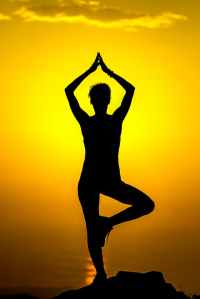
A black silhouette in tree pose with
a gradient (Yellow to brown) background

The Power of Sovereign, Earth-Rooted Wellness

In a world that feels increasingly loud, it’s easy to feel like our health is no longer our own. Between the constant “ping” of wearable gadgets telling us how we slept and the confusing headlines blending wellness with complicated ideologies, many of us are left feeling more stressed than centered.

If you’ve been feeling a pull to walk away from the noise and return to something simpler, you aren’t alone. We are seeing a massive shift toward what many are calling the “Return to Human” movement. It’s a move away from over-complicating our bodies and a move back toward the sovereign self.

But what does it actually mean to be “sovereign” in your wellness, and how can getting back to basics help you feel more grounded?


What is the Sovereign Self?

Being sovereign simply means you are the leading authority on your own body. For years, the wellness industry has tried to convince us that we need a subscription, a tracker, or a specific “guru” to tell us if we are healthy.

True sovereignty is about reclaiming your intuition. It’s the quiet confidence that comes when you stop outsourcing your self-worth to an app and start listening to your own physical signals. When you move because it feels good, eat because it nourishes you, and rest because you’re tired, you are practicing sovereign wellness.

This isn’t about “prospering” or achieving a status symbol; it’s about the essential right to feel at home in your own skin.


Earth-Rooted Wellness: Finding Your Foundation

One of the most effective ways to reclaim that sovereignty is through earth-rooted wellness. This is the practice of aligning your daily habits with the natural world rather than a digital one. In 2026, this “lo-fi” approach is becoming a necessity for our mental and physical health.

Here are three straightforward ways to root your wellness in the earth:

1. Sunlight

Instead of checking a sleep-score on your phone, try the simplest “hack” there is: get outside. Viewing natural light within the first hour of waking up helps reset your internal clock (your circadian rhythm). It’s a direct way to signal to your brain that the day has begun, which naturally leads to better sleep at night without the need for a fancy gadget.

2. Grounding

There is a growing interest in “grounding”—the simple act of walking barefoot on the grass or soil. Beyond just feeling nice, it’s a way to reconnect with the physical world. For those of us who enjoy gentle movement like Tai Chi or Hatha Yoga, practicing outdoors can deepen that sense of stability and balance.

3. Real Food from Real Places, and Real People

Sovereign wellness also means knowing where your nourishment comes from. Choosing locally sourced, whole foods—like eggs from a neighbor’s farm or vegetables from a local market—removes the industrial “middleman” from your plate. When we eat food that was grown in real soil near our homes, we are literally ingesting the vitality of our own environment, our local economy, and our neighbors.


Back to Basics: The “Essential” Movement

If you are feeling overwhelmed, the best thing you can do is simplify. We often think we need to do more to be healthy, but often, the answer is doing less with more intention.

Nervous System Regulation is a big term for a very simple concept: making your body feel safe. You don’t need a specialized clinic for this. You can regulate your nervous system through:

  • Somatic Movement: Slow, intentional movement like Qi Gong or restorative stretching that focuses on how your body feels rather than how many calories you are burning.
  • Micro-Rest: Taking five minutes to sit in silence or breathe deeply while the tea kettle boils.
  • Community Connection: True health often happens in the company of others. Whether it’s a walking club or a small group meditation, we are wired for collective healing.

A Simple Path Forward

Wellness doesn’t have to be a performance, and it certainly shouldn’t be a source of “horror” or political division. It is the quiet, essential work of taking care of yourself and your community.

As you go through your week, I invite you to ask yourself: Is this choice making me feel more sovereign and connected to the earth, or is it just adding more noise?

By focusing on the basics—sunlight, real food, and gentle, intentional movement—we can quiet the outside world and remember that we already have everything we need to be well.


Are you ready to simplify your routine? Join our community of women focusing on the essentials of Yoga, Tai Chi, and mindful living. Let’s get back to basics, together.


What Is Soma?

A laptop computer on a white desk

A Simple Guide to Somatics and How Your Body Holds Your Story

Have you ever noticed your shoulders tighten when you feel stressed? Or how your stomach reacts before your mind fully understands what’s happening?

That’s your body speaking.

In recent years, more people have become curious about the connection between the body and the mind. This is where the ideas of soma and somatics come in. While the words may sound unfamiliar, the experience is something you already know.

Let’s break it down in a way that feels clear and simple.


What Does “Soma” Mean?

The word soma simply means “the body as it is felt from the inside.”

Most of us are used to thinking about the body from the outside—how it looks, how it moves, or how it performs. But soma is different. It’s about your personal, inner experience of your body.

For example:

  • The warmth in your chest when you feel calm
  • The tightness in your jaw during a difficult conversation
  • The heaviness in your body after a long day

These are all part of your soma—your lived, felt experience.


What Are Somatics?

Somatics is the practice of paying attention to these inner sensations and learning from them.

It’s not about pushing your body harder or fixing something that’s “wrong.” Instead, it’s about noticing what’s already there and allowing your body to guide you.

Somatics can include simple things like:

  • Slowing down and noticing your breath
  • Gently moving your body with awareness
  • Pausing to feel where you’re holding tension

There’s no special equipment needed. Your body is the starting point.


Why Somatics Matters

Many of us spend our days in our heads—thinking, planning, worrying, or replaying conversations. Over time, we can lose touch with what our body is trying to tell us.

Your body keeps a quiet record of your experiences.

Stress, emotions, and even past events can show up as:

  • Tight shoulders
  • A clenched stomach
  • Restlessness or fatigue
  • Shallow breathing

When you ignore these signals, they often get louder. When you listen, they begin to soften.

Somatics offers a gentle way to reconnect.


The Body and Stress

Think about a time when you felt overwhelmed.

Maybe your heart raced. Maybe your breathing became quick and shallow. Maybe your muscles tightened without you even noticing.

This is your body responding to stress.

The body doesn’t always know the difference between a real danger and a stressful thought. It reacts first, often before the mind catches up.

Somatic awareness helps you notice these patterns early. And when you notice, you can respond differently.

Instead of pushing through, you might:

  • Pause
  • Take a slow breath
  • Relax your shoulders
  • Sit or stand in a way that feels supportive

These small shifts can calm your system more than you might expect.


A Simple Way to Begin

You don’t need a long routine to start exploring somatics. You can begin right where you are.

Try this:

1. Pause for a moment
Sit or stand comfortably. Let your body be supported.

2. Notice your breath
Don’t change it. Just observe it. Is it fast? Slow? Shallow? Deep?

3. Scan your body
Gently bring your attention from your head down to your feet. Notice any areas of tension, warmth, or ease.

4. Soften what you can
If you notice tightness, see if you can soften it just a little. No force. Just a gentle release.

5. Stay for a few breaths
Give yourself a minute or two. That’s enough.

This is somatics in its simplest form—awareness without pressure.


Everyday Moments to Practice

Somatics doesn’t have to be a separate activity. You can weave it into your day.

Try noticing your body when you:

  • Drink your morning coffee
  • Walk from one room to another
  • Sit in your car before starting the engine
  • Lie down at night

Ask yourself:

  • What do I feel right now?
  • Where am I holding tension?
  • Can I soften, even slightly?

These small check-ins help you stay connected.


Letting the Body Lead

One of the most helpful shifts with somatics is learning to trust your body.

Your body often knows what it needs before your mind does.

You might notice:

  • A need to rest
  • A desire to move or stretch
  • A feeling that something isn’t quite right

Instead of ignoring these signals, somatics invites you to listen.

This doesn’t mean you have to act on every feeling. It simply means you give your body a voice.


Common Misunderstandings

It’s easy to think somatics is complicated or only for certain people. But that’s not true.

Here are a few things it is not:

  • It’s not about being perfect
  • It’s not about doing it “right”
  • It’s not about forcing change

It’s a gentle practice of noticing.

Even a few seconds of awareness can make a difference.


The Quiet Benefits

When you begin to pay attention to your body, you may notice small changes over time.

You might feel:

  • More relaxed
  • More aware of stress before it builds
  • More connected to yourself
  • More at ease in your daily life

These changes don’t come from pushing. They come from listening.


Bringing It All Together

Soma is your body as you feel it from the inside.
Somatics is the practice of paying attention to that experience.

It’s simple. It’s quiet. And it’s always available to you.

You don’t need more information or more effort. Just a moment of awareness.

Your body is already speaking.

The question is—are you listening?


Let’s open the conversation:

Have you ever noticed how your body responds to stress or emotion? Share your thoughts or experiences with somatics in the comments. I’d love to hear your thoughts.

Beyond the Burnout

Why It’s Time to Give Your Nervous System a Hug

For years, your life was a whirlwind of schedules. There were carpools to manage, dinners to stretch, and a house full of noise. Then, the silence arrived. Whether you are navigating the quiet of an empty nest or the profound, heavy stillness of losing a partner, this chapter of life brings a different kind of exhaustion.

It isn’t the “I stayed up too late” kind of tired. It’s a deep, cellular weariness. You might find yourself startling at small noises, struggling to focus on a book, or feeling a sense of “internal humming” that won’t turn off.

In the wellness world, people are calling the solution to this “neurowellness.” But let’s take the fancy labels off. What we are really talking about is calming your nervous system and teaching your body that it is safe to finally relax.

The Invisible Weight of “Survival Mode”

Most women in our stage of life have spent decades in “fight or flight” mode. We were the protectors, the planners, and the emotional anchors. When you face a major life transition—like your children moving out or the passing of a spouse—your body doesn’t automatically “turn off” that high-alert setting.

Instead, your nervous system stays stuck. You might feel “wired but tired.” This happens because your vagus nerve—the long nerve that acts as the body’s internal control center for relaxation—has forgotten how to do its job.

The good news? You don’t need expensive gadgets or a degree in biology to fix this. You just need a few gentle, daily shifts to invite peace back into your home and your body.

1. The Power of “Micro-Soothed” Moments

When we think of self-care, we often think of big things: a week-long retreat or a day at the spa. But for a nervous system that feels frayed, big changes can actually feel stressful.

The secret is micro-soothing. These are 30-second habits that signal to your brain: “Everything is okay right now.”

  • The Warm Hug: If you live alone, you might miss the physical touch of a loved one. Your nervous system craves that pressure. Try wrapping yourself tightly in a weighted blanket or simply placing both hands over your heart and taking three slow breaths. This “self-touch” actually releases oxytocin, the “cuddle hormone.”
  • The Sight of Green: Spend five minutes looking at a tree or a plant. Research shows that looking at “fractals”—the repeating patterns in nature—naturally lowers our heart rate.

2. Humming Your Way to Peace

It sounds silly, but one of the fastest ways to stimulate your vagus nerve and exit “stress mode” is through sound. The vagus nerve passes right by your vocal cords.

When you hum, sing softly to the radio, or even gargle water in the morning, the vibration physically “massages” the nerve. If you find the silence of your house overwhelming, don’t just turn on the news (which can increase anxiety). Turn on some gentle choral music or a podcast of someone with a soothing voice, and hum along. It’s a physical reset button for your brain.

3. The 4-7-8 Breath: Your Secret Tool

If you find yourself lying awake at 3:00 AM with a racing mind, this is your best friend. It’s a simple breathing pattern that acts like a natural tranquilizer.

  1. Inhale through your nose for a count of 4.
  2. Hold that breath for a count of 7.
  3. Exhale completely through your mouth with a “whoosh” sound for a count of 8.

The long exhale is the most important part. It tells your heart to slow down and tells your brain that there is no immediate danger.

4. Moving with Joy, Not Effort

We’ve been told for years to “work out” to stay healthy. But if your nervous system is already stressed, a high-intensity gym session can actually make you feel worse.

At this stage of life, movement should be about pleasure and circulation. A slow walk through the neighborhood, a gentle yoga stretch on the living room rug, or even gardening is enough. We aren’t trying to “burn off” calories; we are trying to “flow out” the tension.

5. Creating a “Nervous System Sanctuary”

Your home is likely different than it was five or ten years ago. Now is the time to audit your environment. Is your home helping you heal, or is it keeping you on edge?

  • Lighting: Harsh overhead lights can trigger a stress response. As the sun goes down, switch to warm lamps or candles.
  • Clutter: If a room feels overwhelming, your brain perceives it as a “to-do list.” You don’t have to clean the whole house—just pick one corner, put a comfortable chair there, and make it your “peace zone.”
  • Scent: Lavender, bergamot, and cedarwood are scientifically proven to lower cortisol. A simple diffuser can change the entire “mood” of a room.

A Note on Loneliness and Healing

For those who are grieving or feeling the “empty” in their nest, please know that social connection is a biological necessity for a healthy nervous system.

We often isolate when we feel overwhelmed, but “co-regulation”—the act of being near another calm human—is how we heal. Whether it’s a weekly coffee with a friend, a local craft circle, or even just a brief chat with the librarian, these small interactions tell your body you are part of a tribe. You are not alone.

Moving Forward Gently

You don’t have to master all of these at once. Wellness isn’t a chore; it’s an act of kindness toward yourself. Start with one thing today—maybe a hum while you make tea or a few 4-7-8 breaths before bed.

Your nervous system has spent years taking care of everyone else. Now, it’s time to let it rest.


I would love to hear from you.

Making space for yourself after years of looking after others can feel strange at first. Which of these small “resets” feels like something you could try today? Maybe it’s the 4-7-8 breath, or perhaps just lighting a candle as the sun goes down?

Please leave a comment below and share what “peace” looks like in your home right now. Your words might be exactly what another woman needs to read today.

Better Balance, Less Stress


Sunset over still water

Why Yoga, Tai Chi, and Qi Gong Are the Ultimate Trio for Longevity

When you think about “getting in shape,” your mind probably jumps to high-intensity interval training, heavy weights, or long-distance running. While those have their place, there is a quieter, equally powerful category of exercise that often gets overlooked by the modern fitness world.

I’m talking about Yoga, Tai Chi, and Qi Gong.

If you’ve spent any time on social media lately, you’ve likely seen these practices buried under layers of “wellness” buzzwords and complex philosophy. But if we strip away the jargon, what we are left with are three of the most effective tools for maintaining a mobile, pain-free, and resilient body as we age.

Whether you are looking to soothe a nagging backache , knees that ache, or simply want to feel more steady on your feet, understanding the practical differences—and shared benefits—of these three practices is a game-changer.

The Foundations: What’s the Difference?

Before we dive into the benefits, let’s clear up what these practices actually are. While they all involve mindful movement, they come from different traditions and offer different physical “inputs” for your body.

Yoga

Originating in India, yoga is perhaps the most well-known of the three. While there are dozens of styles, most western yoga focuses on postures (asanas). Yoga is fantastic for structural alignment, core strength, and flexibility. It often involves holding positions to build isometric strength or flowing through sequences to increase your heart rate.

Tai Chi

Tai Chi is a Chinese martial art often described as “meditation in motion.” It consists of a series of slow, continuous movements that flow into one another. Unlike the static holds you might find in a yoga class, Tai Chi is about constant transition. It focuses heavily on weight shifting, which is why it is world-renowned for improving balance.

Qi Gong

Qi Gong (pronounced chee-gung) is the ancestor of Tai Chi. It is generally simpler to learn because it often involves repeating a single movement several times rather than memorizing a long, complex sequence. It focuses on coordinated breathing and gentle movement to release physical tension and improve circulation.

1. Functional Balance and Fall Prevention

As we get older, balance isn’t just a “nice to have”—it’s a safety requirement.

Tai Chi, in particular, is one of the most researched forms of exercise for fall prevention. Because the practice requires you to constantly shift your weight from one leg to the other while maintaining a straight spine, it trains your brain and muscles to communicate more effectively.

When you practice Tai Chi or Yoga, you are strengthening the “stabilizer” muscles around your ankles, knees, and hips. These are the muscles that catch you if you trip on an uneven sidewalk or lose your footing on a rug.

2. Low-Impact Strength Building

You don’t need to lift 100 pounds to build functional strength. Yoga uses your own body weight to create resistance. Holding a “Warrior II” pose or a plank builds muscle endurance in your legs, arms, and core without the jarring impact on your joints that comes with running or jumping.

For those dealing with osteoarthritis or joint sensitivity, Qi Gong and Tai Chi offer a way to keep the body moving without causing flare-ups. The slow, controlled movements lubricate the joints (increasing synovial fluid) and keep the tendons supple, which can significantly reduce daily stiffness.

3. Better Breathing, Better Health

Most of us are “chest breathers.” When we are stressed, our breath becomes shallow and high in the chest, which can actually keep our bodies in a state of “fight or flight.”

All three of these practices prioritize diaphragmatic breathing (belly breathing). By consciously slowing down your breath to match your movement, you send a physical signal to your nervous system that it is safe to relax. This doesn’t just feel good in the moment; it helps lower your heart rate, reduce blood pressure, and improve your quality of sleep.

4. Mental Clarity and Focus

Have you ever finished a workout and felt more frazzled than when you started? That rarely happens with Yoga, Tai Chi, or Qi Gong.

Because these exercises require you to pay close attention to where your foot is placed or how your arm is moving, they act as a form of active concentration. You aren’t distracted by a TV screen at the gym or a podcast in your ears; you are focused on the task at hand. This “mindful” aspect helps clear the mental clutter, leaving you feeling focused and calm.

How to Choose the Right One for You

The best part about these practices is that you don’t have to choose just one. They complement each other beautifully.

  • Choose Yoga if you want to focus on flexibility, core strength, and physical “stretching.”
  • Choose Tai Chi if you want to improve your balance, coordination, and grace.
  • Choose Qi Gong if you want something gentle, easy to learn, and focused on relaxation and circulation.

Getting Started: No Special Equipment Required

One of the biggest barriers to starting a new exercise routine is the “stuff.” You think you need the right shoes, the right outfit, or an expensive gym membership.

Yoga, Tai Chi, and Qi Gong are incredibly accessible. You can do Qi Gong in your pajamas in your living room. You can practice Tai Chi in a park with zero equipment. All you really need is a small space and the willingness to move slowly for a few minutes a day.

On A Final Note

As a wellness guide, my goal is to help you move through life with more ease and less pain. Incorporating just 15 to 20 minutes of these “slow” exercises into your week can have a profound impact on how your body feels.

The goal isn’t to be the most flexible person in the room or to master a complex martial arts form. The goal is to build a body that serves you well, allows you to stay active, and keeps you feeling steady and strong for years to come.

7 Ways Sunshine Promotes Better Health


There is something deeply comforting about stepping outside and feeling the sun on your face.

On October 28, 2025, in a post titled Benefits of Sunshine in Fall and Winter, we explored how even cooler-season sunlight can lift your mood and help you feel more like yourself when the days grow shorter.

That gentle reminder still holds true: sunshine is not just about warmth. It’s about energy, rhythm, and overall well-being.

Today, let’s take a broader look at the health benefits of sunshine and why spending time outdoors—year-round—can support your body and mind in simple, meaningful ways.

1. Sunshine and Vitamin D: Stronger Bones and Better Immunity

One of the most well-known benefits of sunshine is its role in helping your body produce vitamin D.

When sunlight touches your skin, your body naturally makes this essential nutrient. Vitamin D supports:

  • Strong bones
  • Healthy teeth
  • Muscle function
  • Immune system support

Low vitamin D levels have been linked to fatigue, frequent illness, and low mood. While food and supplements can help, safe sun exposure is one of the most natural sources available.

Just 10–30 minutes of sunlight several times a week (depending on your skin tone and location) can make a difference. Morning or late afternoon sun is often gentler on the skin.


2. Sunshine and Mood: A Natural Lift

Have you ever noticed how a sunny day feels lighter than a gray one?

Sunlight helps your brain produce serotonin, a chemical that supports mood, focus, and calmness. Lower sunlight exposure—especially in fall and winter—can contribute to seasonal mood shifts.

This is why stepping outside for even a short walk can feel like a reset.

Research on Seasonal Affective Disorder (SAD) shows that light plays a powerful role in emotional well-being. While severe cases may require professional support, daily natural light can be a steady, supportive habit for many people.

If you work indoors, try:

  • Drinking your morning coffee outside
  • Taking a 10-minute walking break at lunch
  • Sitting near a sunny window

Small choices add up.


3. Better Sleep Through Natural Light

It may seem surprising, but sunshine during the day can improve your sleep at night.

Sunlight helps regulate your circadian rhythm—your body’s internal clock. When your eyes are exposed to natural light in the morning, your brain gets the message: It’s time to be awake. Later, as the light fades, your body prepares for rest.

People who spend more time in natural daylight often:

  • Fall asleep more easily
  • Sleep more deeply
  • Wake up feeling more refreshed

If you struggle with sleep, one simple step is to get outside within an hour of waking up. Even five to fifteen minutes of morning light can help reset your rhythm.


4. Sunshine Supports Heart Health

Moderate sun exposure may also benefit heart health.

Some studies suggest sunlight can help lower blood pressure. One reason may be that sunlight triggers the release of nitric oxide in the skin, which helps blood vessels relax and widen.

Lower blood pressure supports:

  • Reduced strain on the heart
  • Better circulation
  • Lower risk of heart-related concerns

Of course, sunshine isn’t a replacement for healthy habits like movement and balanced eating. But when combined with daily walks and time outdoors, it becomes part of a supportive lifestyle.


5. Time in the Sun Encourages Gentle Movement

Sunshine naturally draws us outside.

When the weather is bright, you’re more likely to:

  • Walk
  • Garden
  • Stretch
  • Sit outside instead of on the couch

That gentle movement improves circulation, joint mobility, and energy levels.

For many adults—especially those navigating midlife changes or an empty nest—this can be a simple way to stay active without committing to an intense routine.

Movement doesn’t have to be complicated. A slow walk around the block in the sunshine counts.


6. Sunshine and Mental Clarity

Spending time outdoors in natural light may also improve focus and mental clarity.

Indoor lighting can leave you feeling tired or foggy. Sunlight stimulates alertness and can help reduce that mid-afternoon slump.

If you’re working from home or managing daily responsibilities, try taking phone calls outside or doing light tasks on a patio or porch. The shift in environment can refresh your thinking.

Sometimes clarity begins with a breath of fresh air.


7. Sunshine and Stress Reduction

There’s something grounding about standing in the sun.

Warmth on your skin can relax tight muscles. Natural light combined with fresh air helps calm the nervous system. Even a few quiet minutes outdoors can lower stress levels.

In our earlier fall and winter post, we reminded readers that sunshine is available even on cooler days. That’s important. You don’t need summer heat to benefit from light.

Bundle up if needed. Step outside anyway.

The body responds to light, even when temperatures drop.


Safe Sun Exposure Matters

While sunshine has many benefits, balance is key.

Too much direct sun—especially during peak midday hours—can increase the risk of skin damage. Protect your skin by:

  • Avoiding long exposure during peak UV hours
  • Wearing protective clothing
  • Using sunscreen when staying out longer

The goal isn’t to bake in the sun. It’s to welcome it wisely.

Short, consistent exposure is often more helpful than occasional overexposure.


Simple Ways to Get More Sunshine Daily

If you want to experience the health benefits of sunshine, start small:

  • Open your curtains first thing in the morning
  • Eat one meal outside
  • Take a five-minute sunshine break
  • Walk after dinner
  • Sit near a sunny window while reading

Think of sunshine as nourishment. Not something extreme—just something steady.


Why Sunshine Still Matters in Every Season

As we shared in Benefits of Sunshine in Fall and Winter, light doesn’t lose its value when temperatures drop.

In fact, when days grow shorter, natural light becomes even more important.

Whether it’s summer brightness or winter softness, sunshine supports:

  • Mood
  • Sleep
  • Bone health
  • Heart health
  • Mental clarity
  • Gentle movement

It’s one of the simplest wellness tools available—and it’s free.


A Gentle Invitation

When was the last time you intentionally stepped outside just to feel the light on your face?

This week, try adding a few minutes of sunshine to your daily rhythm and notice how you feel.

Have you experienced a change in your mood, sleep, or energy from spending more time outdoors? Share your thoughts in the comments. Your experience may encourage someone else to step into the light, too.

Tinnitus

A white rabbit with large pink ears, sitting in green grass.

Tinnitus and a Clogged Ear?!?
Why It Happens and How to Find Relief

That ringing.
That buzzing.
That feeling like your ear just won’t “pop.”

If you’ve ever dealt with tinnitus or a clogged ear, you know how distracting it can be. It can make it hard to focus, sleep, or even enjoy a quiet moment.

The good news? Many common causes are manageable. And while not every case can be completely cured, there are simple ways to ease the annoyance and support your ears.

Let’s walk through what may be happening—and what you can do about it.


What Is Tinnitus?

Tinnitus is the perception of sound when no external sound is present. People often describe it as:

  • Ringing
  • Buzzing
  • Humming
  • Hissing
  • Clicking

Tinnitus itself isn’t a disease. It’s a symptom. It can be linked to hearing changes, loud noise exposure, stress, earwax buildup, sinus issues, or even certain medications.

For some, it comes and goes. For others, it lingers.


What Causes a Clogged Ear?

That “full” or blocked feeling in your ear is usually related to one of three things:

  1. Earwax buildup
  2. Fluid from a cold or allergies
  3. Eustachian tube dysfunction (when the small tube connecting your ear to your throat doesn’t open properly)

Sometimes, tinnitus and a clogged ear happen together—especially if pressure or wax is involved.

Understanding the cause helps you choose the right relief.


Tinnitus and Earwax: A Common Overlooked Trigger

Earwax protects your ears. But when too much builds up, it can:

  • Muffle hearing
  • Create pressure
  • Trigger ringing

If you suspect wax buildup, avoid sticking cotton swabs or objects into your ear. That often pushes wax deeper.

Instead, consider:

  • Over-the-counter ear drops designed to soften wax
  • A warm (not hot) shower to gently loosen wax
  • Seeing a healthcare professional for safe removal

Many people notice immediate relief once excess wax is removed.


Sinus Pressure, Allergies, and Clogged Ears

If your ear feels blocked during a cold or allergy flare-up, your sinuses may be involved.

The Eustachian tube helps balance pressure in your ear. When it becomes inflamed, you may feel:

  • Fullness
  • Muffled hearing
  • Mild dizziness
  • Ringing

To help relieve pressure:

  • Try gentle yawning or swallowing
  • Chew gum
  • Stay hydrated
  • Use a humidifier in dry environments
  • Consider saline nasal spray

These small steps can help your ears equalize naturally.


How Stress Makes Tinnitus Worse

Here’s something many people don’t realize: stress can amplify tinnitus.

When you’re tense, your nervous system is on high alert. Sounds—especially internal ones—can feel louder and more intrusive.

That doesn’t mean tinnitus is “in your head.” It means your body’s stress response may be turning up the volume.

Ways to calm the reaction include:

  • Slow breathing (inhale 4 seconds, exhale 6 seconds)
  • Gentle stretching
  • Walking outdoors
  • Listening to soft background noise

Which brings us to one of the most helpful tools for relief…


Sound Therapy for Tinnitus Relief

Complete silence often makes tinnitus feel louder.

Soft background sound can help “mask” the ringing and give your brain something else to focus on.

Try:

  • A fan at night
  • White noise apps
  • Nature sounds
  • Soft instrumental music

Over time, your brain may begin to tune out the ringing more easily.

Many people sleep better when they stop chasing silence.


When a Clogged Ear Needs Medical Care

Most clogged ears resolve within a few days to a couple of weeks.

However, seek medical attention if you notice:

  • Sudden hearing loss
  • Severe pain
  • Drainage from the ear
  • Dizziness that doesn’t improve
  • Ringing in only one ear that persists

A healthcare provider may check for infection, fluid behind the eardrum, or other causes.


Everyday Habits That Support Ear Health

Small daily choices can protect your hearing and reduce irritation:

1. Lower the Volume

Use the 60/60 rule: no more than 60% volume for 60 minutes at a time when using headphones.

2. Protect Your Ears

Wear ear protection in loud environments like concerts or when using power tools.

3. Stay Hydrated

Proper hydration supports healthy circulation, including blood flow to the ears.

4. Manage Allergies

Reducing inflammation can ease pressure in the Eustachian tubes.

5. Limit Stimulants

Some people find caffeine or nicotine worsens ringing. Notice your patterns.


Can Tinnitus Go Away?

Sometimes, yes.

If tinnitus is caused by wax buildup, infection, or temporary pressure changes, it often improves once the issue is treated.

For chronic tinnitus, the goal shifts from eliminating the sound to reducing how much it bothers you.

And that’s important: relief doesn’t always mean silence. It often means reclaiming your peace even if a faint sound remains.

Your brain is adaptable. With time and the right strategies, many people find the ringing fades into the background of daily life.


A Gentle Reminder

Tinnitus and clogged ears can be frustrating. It’s easy to become hyper-focused on the sensation, checking constantly to see if it’s still there.

Instead of fighting the sound, try softening your reaction to it.

Notice it.
Breathe.
Shift your focus gently.

Often, the less we tense around it, the less power it holds.


Final Thoughts on Tinnitus and Clogged Ear Relief

If you’re dealing with ringing, buzzing, or that plugged-up feeling, you are not alone. These symptoms are common, and in many cases, manageable.

Start simple:

  • Rule out wax buildup
  • Support sinus health
  • Use gentle background sound
  • Calm your stress response
  • Protect your hearing

Small steps, taken consistently, can bring meaningful relief.


If this post helped you understand tinnitus or a clogged ear more clearly, I’d love to hear from you.

Have you found something that helps ease the ringing or pressure?
Are you currently dealing with this and have questions?

Share your experience in the comments below. Your story may help someone else feel less alone.

Find Your Flow

Indoor potted plant

Why Tai Chi is the Ultimate Winter Workout for Your 60s and Beyond

Let’s be honest: when the temperature drops and the sidewalk looks more like a skating rink than a walking path, the motivation to “get active” tends to go into hibernation. For those of us in our 60s, the “Great Indoors” becomes our sanctuary—but it can also become a place where our joints get stiff and our energy levels dip.

If you’re middle-aged (old enough to know better, young enough to still do it), you might be looking for something more sophisticated than a basic stretching routine but less jarring than a HIIT class.

Enter Tai Chi.

Often called “meditation in motion,” Tai Chi is the secret weapon for staying limber, focused, and surprisingly strong without ever having to lace up a pair of running shoes or brave the wind chill. Here is why this ancient practice is the perfect indoor companion.


What Exactly is Tai Chi?

Tai Chi is a centuries-old Chinese tradition that involves a series of movements performed in a slow, focused manner, accompanied by deep breathing. Unlike yoga, which often involves holding static poses, Tai Chi is a continuous flow.

Think of it as a slow-motion dance that focuses on posture, balance, and internal energy. It’s low-impact, puts minimal stress on muscles and joints, and is generally safe for all fitness levels.


1. The “Balance” Factor: Staying Steady on Your Feet

One of the biggest concerns as we move through our midlife and beyond is balance. Falls aren’t just an inconvenience; they are a genuine health risk.

Tai Chi works wonders for proprioception—the sense of where your body is in space. By practicing the slow, deliberate weight shifts inherent in Tai Chi, you are retraining your brain and legs to work in harmony. Studies have shown that regular practice can reduce the risk of falls by up to 50%. It’s like installing an internal gyroscope that keeps you upright, even when the floor (or the world) feels a bit shaky.

2. Joint Health Without the “Ouch”

High-impact exercises like jogging or aerobics can be tough on knees and hips that have already seen decades of service. Tai Chi provides a low-impact alternative that lubricates the joints.

The gentle circular motions help maintain range of motion and can significantly reduce the pain associated with arthritis. It’s exercise that feels like a massage from the inside out.

3. A Mental Escape from “Winter Brain”

Being stuck indoors can lead to a bit of cabin fever or “winter blues.” The deep breathing used in Tai Chi triggers the parasympathetic nervous system—the part of your brain that tells you to “rest and digest” rather than “fight or flight.”

Practicing Tai Chi for 20 minutes can:

  • Lower cortisol (the stress hormone) levels.
  • Improve sleep quality (which can be tricky during the shorter days).
  • Sharpen cognitive focus and memory.

Why It’s Perfect for Small Indoor Spaces

The beauty of Tai Chi is its minimalism. You don’t need a gym membership, a Peloton, or even a yoga mat.

  • Space Requirements: If you have enough room to take two steps in any direction, you have a Tai Chi studio.
  • Equipment: None. You can practice in your pajamas or comfortable loungewear.
  • Zero Noise: No jumping or heavy equipment means you won’t disturb anyone else in the house (or the neighbors below).

Pro Tip: While Tai Chi is often done barefoot, if your floors are cold, a pair of non-slip “grippy” socks is a great investment to keep your toes warm while maintaining stability.


How to Get Started (Today!)

You don’t need to fly to a monastery to learn the basics. Since you’re already indoors, the internet is your best friend.

  1. Search for “Tai Chi for Beginners” or “Tai Chi for Seniors” on YouTube. Look for instructors who focus on the “24 Form”—this is a standard set of movements that is very popular and easy to follow.
  2. Start with 10 Minutes: Don’t feel pressured to do an hour-long session. Even ten minutes of “Cloud Hands” (a basic move) can change your mood.
  3. Focus on the Breath: If the footwork gets confusing, just keep breathing. The movement of your breath is more important than the perfect placement of your heel.

Here is a quick list of Tai Chi benefits for middle-aged and older adults:

  • Better Balance: Reduces fall risk.
  • Heart Health: Lowers blood pressure gently.
  • Mental Clarity: Reduces anxiety and “brain fog.”
  • Bone Density: Supports weight-bearing strength.
  • Arthritis Relief: Increases joint flexibility.

Remember…

In your middle-aged years and beyond, your body is a finely tuned machine that requires a different kind of fuel and maintenance than it did at 24. Tai Chi isn’t just “exercise”; it’s a way to reclaim your movement and find peace in the middle of a cold winter. It’s proof that you don’t have to break a sweat to build strength, and you don’t have to leave your living room to find your flow.

The Quiet Danger of Too Much Sugar (and How to Gently Cut Back)

Eat Less Sugar

If you’ve ever felt tired for no clear reason, foggy in your thinking, moody, or constantly craving snacks—even after eating—you’re not broken. You’re human. And there’s a good chance sugar is quietly playing a role.

Sugar doesn’t usually feel like a problem. It shows up as comfort. As a treat. As a reward. As something small that makes a hard day feel a little easier. But when sugar becomes a daily habit instead of an occasional pleasure, it begins to affect the body in ways that are easy to miss—and hard to connect.

This isn’t about fear. It’s about awareness. Because awareness creates choice.


Why Too Much Sugar Is a Real Problem

Sugar impacts the body far beyond weight or calories. It affects energy, mood, hormones, sleep, focus, and long-term health.

Here’s what excess sugar can quietly do:

  • Energy crashes – Sugar gives quick energy, then drops it just as fast, creating a cycle of fatigue and cravings.
  • Mood swings – Blood sugar spikes and drops can affect emotions, patience, and stress tolerance.
  • Inflammation – Too much sugar can contribute to inflammation in the body, which is linked to joint pain and chronic discomfort.
  • Sleep disruption – Blood sugar imbalance can interfere with deep, restful sleep.
  • Heart health strain – High sugar intake is linked to heart disease, even in people who aren’t overweight.
  • Increased risk of diabetes – Over time, constant sugar spikes strain insulin response.

The hard part? Sugar hides.

It’s not just desserts and candy. It’s in sauces, breads, salad dressings, flavored yogurts, drinks, granola bars, cereals, and “healthy” snacks. Sugar wears a lot of disguises.


The Hidden Sugar Trap

Many people think they don’t eat that much sugar because they don’t eat sweets often. But sugar doesn’t need to taste sweet to be sugar.

It shows up as:

  • Corn syrup
  • Cane sugar
  • Brown rice syrup
  • Maltodextrin
  • Dextrose
  • Fructose
  • Concentrated fruit juice

Reading labels can feel overwhelming, but here’s a simple truth:
If sugar is in the first three ingredients, it’s not a small amount.


Signs Sugar May Be Running the Show

You might recognize some of these:

  • Constant cravings for snacks
  • Feeling tired after meals
  • Brain fog
  • Mood swings
  • Trouble sleeping
  • Needing something sweet every day
  • Energy dips in the afternoon

These are not character flaws. They’re biological responses.


Gentle Ways to Reduce Sugar (Without Feeling Deprived)

This isn’t about cutting everything at once. That usually backfires. This is about small changes that feel sustainable.

1. Start With Drinks

Sugary drinks are one of the biggest sources of daily sugar.

Swap slowly:

  • Soda → sparkling water
  • Sweet tea → lightly sweetened tea → plain tea
  • Juice → water with fruit slices
  • Flavored coffee drinks → simple coffee with milk

Hydration alone can reduce cravings.


2. Eat Protein First

Protein helps stabilize blood sugar and reduces cravings.

Try:

  • Eggs
  • Greek yogurt
  • Chicken
  • Fish
  • Beans
  • Nuts

When blood sugar is steady, sugar cravings soften.


3. Stop Skipping Meals

Skipping meals leads to intense sugar cravings later.

Regular meals = stable energy = fewer cravings.


4. Don’t Demonize Dessert

Restriction creates obsession.

Enjoy sweets intentionally:

  • Choose quality over quantity
  • Eat slowly
  • Enjoy it fully
  • Let it be a choice, not a reflex

5. Replace, Don’t Remove

Instead of taking things away, add better options:

  • Fruit instead of candy
  • Nuts instead of cookies
  • Dark chocolate instead of milk chocolate
  • Yogurt instead of ice cream

Small swaps matter.


A Better Relationship With Sugar

Sugar isn’t the enemy.

Mindless habits are.

When sugar becomes a daily coping tool instead of an occasional pleasure, it stops serving you and starts controlling patterns.

Awareness creates freedom.

Not rules.
Not shame.
Not restriction.

Choice.


The Bigger Picture

Reducing sugar isn’t about perfection.
It’s about presence.

Listening to your body.
Noticing patterns.
Choosing what supports you.

When you reduce sugar gently, people often notice:

  • Better sleep
  • More stable energy
  • Fewer cravings
  • Better digestion
  • Clearer thinking
  • Better moods

Not because they’re being strict—
But because their body is finally being supported.


A Simple Starting Point

If you want one gentle place to begin:

Start with your drinks.

Hydrate more.
Sugar less.

That alone can shift everything.


Remember…

You don’t need to overhaul your life.
You don’t need a cleanse.
You don’t need rules.

You just need awareness, compassion, and one small choice at a time.

Your body already knows how to heal.
It just needs space to do it.


Continue reading “The Quiet Danger of Too Much Sugar (and How to Gently Cut Back)”

From Habits to Lifestyle

Dry food stored in glass jars on shelves.

Integrating the 4 Pillars of Holistic Wellness

Congratulations! If you’ve been following along with our series, A Holistic Approach To Health and Happiness you have taken a deep dive into what it truly means to live a vibrant, balanced life. We’ve moved past the superficial “quick fixes” and explored the four essential pillars that support a thriving existence.

In case you missed a week or want to refresh your memory, here is where we’ve been:

  1. Nourishment: Beyond the Diet – Learning to fuel your body with intention.
  2. Movement: The Movement Mindset – Finding joy in an active body.
  3. Inner Peace: Cultivating Mental Calm – Prioritizing stress reduction and rest.
  4. Connection: The Power of Purpose – Nurturing the spirit through community.

Today, we aren’t adding a fifth pillar; we are looking at the synergy of all four. True mind-body wellness isn’t about perfectly balancing four separate plates; it’s about recognizing that they are all part of the same table. When one leg is wobbly, the whole table shakes. When all four are strong, you are unstoppable.


🏗️ The Power of Synergy: How the Pillars Interact

The magic of a holistic approach to health is that the pillars support one another. You’ve likely noticed that when you focus on one area, the others begin to improve almost effortlessly.

  • Nourishment + Inner Peace: When you eat stable, whole foods, your blood sugar levels out, which naturally reduces feelings of anxiety and “brain fog,” making it easier to practice mindfulness.
  • Movement + Purpose: Engaging in a community sport or a walking group combines the physical benefits of movement with the spiritual benefits of social connection.
  • Inner Peace + Movement: A calm mind helps you listen to your body’s signals, preventing injury and helping you choose the type of movement your body actually needs that day—whether it’s a high-intensity run or a restorative yoga session.

By viewing your health through this integrated lens, you stop seeing “wellness” as a chore list and start seeing it as a supportive ecosystem for your life.


🌊 Navigating the Messy Middle

Let’s be honest: life is rarely a straight line. There will be weeks when work is overwhelming, the kids are sick, or you simply feel “off.” This is where most traditional health plans fail—they don’t account for the messiness of being an adult.

A long-term wellness routine is not about perfection; it’s about resilience.

The 80/20 Rule of Holistic Health

If you aim for “perfection,” you set yourself up for burnout. Instead, aim for consistency. If you are nourishing your body, moving, and connecting 80% of the time, the other 20% (the pizza night, the skipped workout, the late-night Netflix binge) won’t derail your progress. The goal is to make your “healthy” state your default setting, so your body can easily bounce back from life’s inevitable detours.

The “Minimum Viable Habit”

On your busiest days, don’t abandon your habits—scale them back.

  • Can’t do a 60-minute workout? Do a 5-minute stretch.
  • Can’t cook a gourmet healthy meal? Have a protein shake and an apple.
  • Can’t meditate for 20 minutes? Take three deep breaths before opening your laptop.

These small wins keep the neural pathways of your habits alive, making it much easier to return to your full routine when the schedule clears.


🔍 A Healthy Habit Check-in

As you move forward, your needs will change. What nourished you in the winter might not be what you need in the summer. A key part of sustainable healthy habits is regular self-reflection.

Once a month, I encourage you to perform a “Healthy Habit Check-in.” Ask yourself these four questions:

  1. Nourishment: Am I eating for energy, or am I eating out of stress or boredom?
  2. Movement: Is my body feeling strong and flexible, or do I need to change my routine to find more joy?
  3. Inner Peace: On a scale of 1–10, how is my internal “noise” level? What can I say “no” to this month to reclaim my peace?
  4. Connection: Have I shared a laugh or a deep conversation with someone I care about lately?

This isn’t about grading yourself; it’s about checking in to ensure you’re still heading in the direction of the life you want to lead.


🚀 Your Journey is Just Beginning

The end of this series is not the end of your growth. In fact, it’s just the beginning of a more intentional way of living. Holistic health and wellness is a practice, not a destination. You don’t “arrive” at health; you live it every day through small, conscious choices.

Remember, you are the expert on your own body. While the pillars provide the framework or roadmap, you get to decide what the house looks like. Maybe your “Movement” is salsa dancing and your “Inner Peace” is woodworking. That’s the beauty of the holistic path—it is uniquely yours.

Thank you for joining me over these last five weeks. I am so proud of the work you’ve put in to prioritize your mind-body wellness.

I would love to hear from you! Which of the four pillars felt the most challenging for you over the last month, and which one felt like a natural fit? Leave a comment below and let’s support each other!


The Connection Factor

Grandmother and grandson both wearing headphones sharing a laptop computer.

Why Purpose and Community are Essential for Holistic Wellness

Welcome back! We have journeyed through the critical physical and mental pillars—Nourishment, Movement, and Inner Peace. We now arrive at the fourth, and often most overlooked, cornerstone of holistic wellness: Purpose and Connection.

As we detailed in our foundational post, A Holistic Approach to Health and Wellness: Simple Habits for a Thriving Life, humans are wired for meaning and community. You can eat perfectly and exercise daily, but if you feel isolated or lack a sense of contribution, true vitality will remain just out of reach. This is where spiritual health habits and the power of social connection come into play.

This pillar is about answering two questions: What gives your life meaning? and Who do you share your life with? Embracing this pillar transforms a routine of healthy choices into a truly vibrant, healthy lifestyle.

🤝 The Power of Social Connection

Social isolation is now widely recognized as a major health risk, comparable to smoking or obesity. Nurturing your relationships is not a frivolous activity; it is a vital holistic wellness purpose that safeguards your health.

  • Prioritize In-Person Time: While digital communication is convenient, nothing replaces the positive hormonal boost of face-to-face interaction. Schedule regular, dedicated time to meet up with friends or family.
  • Nurture Your Network: Identify the people who lift you up, support your goals, and bring joy into your life. Invest your time and energy into these healthy relationships.
  • The Joy of Contribution: Volunteering, helping a neighbor, or simply offering a listening ear to a friend can dramatically increase your sense of worth and happiness. The act of giving strengthens your sense of community and belonging.

🌟 Finding Your Purpose

Purpose doesn’t have to mean a massive, world-changing goal. Purpose can be found in small, daily contributions and passions.

  • Identify Your Values: What truly matters to you? Family, creativity, justice, or learning? Aligning your daily actions with your core values provides direction and satisfaction.
  • Cultivate Your Passion Projects: Dedicate time each week to a hobby you love—painting, playing an instrument, building, or cooking. These are outlets for self-expression and are key to enriching your spiritual health habits.
  • The Power of Work/Life Integration: Look for ways your daily work can feel meaningful, even if it’s just by mastering your craft or helping your colleagues. If your job feels draining, find a small way outside of it to fulfill your need for purpose.

🧠 Intellectual Wellness: The Habit of Growth

A vital component of this pillar is intellectual wellness—the continuous habit of learning, growing, and challenging your mind. A stagnant mind can lead to a stagnant life.

  • Become a Perpetual Learner: Read widely, listen to educational podcasts, or take an online course. Learning keeps your brain agile, flexible, and engaged with the world.
  • Engage in Creative Play: Creativity is not just for artists. It is a state of being. Whether it’s brainstorming a new recipe, solving a puzzle, or simply rearranging your furniture, engaging your mind in creative problem-solving is stimulating and fun.
  • Seek Out Diverse Perspectives: Engage in respectful conversations with people who hold different viewpoints. This expands your understanding of the world and helps break down mental barriers.

💖 The Gratitude Practice: A Spiritual Health Habit

If purpose is about what you give to the world, gratitude is about what you receive from it. A simple, consistent practice of gratitude is a cornerstone of a happy and healthy lifestyle.

  • The Evening Ritual: Every night, before you go to sleep, write down or mentally list three things you were truly grateful for that day. They can be small (a hot cup of coffee, a supportive text) or large (family health).
  • The Shift in Perspective: Gratitude shifts your focus away from what is lacking and toward the abundance that already exists, creating a powerful emotional buffer against negativity.

By investing in your purpose and connection, you are building a life filled with meaning and support. This resilience, born from strong ties and a clear sense of direction, empowers all the other areas of your holistic wellness—from the food you choose to the peace you find in your mind.


What is one intentional step you can take this week to deepen your social connection or engage your intellectual wellness?