How to Stay Motivated on Your Wellness Journey

Starting a wellness journey is exciting, but staying motivated can be challenging. Life gets busy, progress feels slow, and sometimes it’s easier to fall back into old habits. But the good news is that motivation isn’t something you either have or don’t have—it’s something you can create and maintain.

Here’s how to stay motivated on your wellness journey, even when the initial excitement fades.

1. Set Meaningful Goals

Instead of vague goals like “I want to be healthier,” set specific and realistic goals that matter to you. Whether it’s having more energy, being more flexible, having less pain, or simply feeling good in your body, defining your why will give you a reason to keep going.

Break big goals into smaller, achievable steps. Celebrating small wins will keep you motivated and help you stay on track.

2. Focus on Progress, Not Perfection

One of the biggest motivation killers is the belief that you have to be perfect. A wellness journey isn’t about following strict rules—it’s about making gradual improvements.

Missed a workout? Ate something that wasn’t part of your plan? That’s okay! What matters is what you do most of the time, not what happens once in a while. Give yourself grace and keep moving forward.

3. Find Activities You Enjoy

If your wellness routine feels like a chore, it’s going to be hard to stick with it. The best way to stay motivated is to choose activities that you actually like.

Don’t enjoy running? Try dancing, yoga, hiking, or swimming instead. Love cooking? Experiment with new healthy recipes. Wellness should enhance your life, not feel like a punishment.

4. Create a Routine That Fits Your Lifestyle

Motivation often fades when wellness feels like another obligation. Instead of trying to squeeze in workouts and meal prep around a busy schedule, find ways to integrate them into your daily life.

Take short walks during lunch breaks, prepare simple healthy meals, or stretch before bed. The easier your routine is to maintain, the more likely you are to stick with it.

5. Track Your Progress

Seeing how far you’ve come is one of the best ways to stay motivated. Keep a journal, take progress photos, or use an app to track workouts and habits. Even small improvements—like more energy, better sleep, or fewer cravings—are signs of progress worth celebrating.

6. Surround Yourself with Support

Motivation thrives in a supportive environment. Connect with friends, family, or an online community that shares your goals. Having people to encourage you, celebrate your wins, and lift you up when you struggle makes a huge difference.

If possible, find a wellness buddy. Exercising or meal planning with someone else can make the process more enjoyable and keep you accountable.

7. Keep It Fun and Fresh

Doing the same thing over and over can lead to boredom and burnout. Keep your wellness journey exciting by trying new things.

Switch up your workouts, try different healthy recipes, explore new outdoor activities, or take a wellness class. Variety keeps things interesting and helps prevent plateaus.

8. Practice Self-Compassion

It’s normal to have setbacks. Instead of being hard on yourself, recognize that progress isn’t always linear. What’s important is that you keep showing up for yourself, even when things don’t go perfectly.

When you feel discouraged, remind yourself why you started. Take a deep breath, refocus, and keep going. Your wellness journey is about feeling your best—not about being perfect.

Final Thoughts

Staying motivated on your wellness journey isn’t about willpower—it’s about setting yourself up for success. Find joy in the process, celebrate progress, and be kind to yourself along the way.

What’s one thing that keeps you motivated? Share in the comments—I’d love to hear your thoughts!

10 Effective Ways to Live a Healthy Lifestyle

In today’s fast-paced world, maintaining a healthy lifestyle can feel like a daunting task. Yet, with the right strategies, it’s not only achievable but also rewarding. A healthy lifestyle is not just about eating right or exercising but encompasses various aspects of our lives, contributing to our overall well-being.

According to the World Health Organization, a healthy lifestyle can prevent up to 80% of heart disease, stroke, and type 2 diabetes.

Let’s explore ten effective ways to embrace a healthy lifestyle.

1. Balanced Nutrition

Eating a balanced diet is fundamental to a healthy lifestyle. It provides essential nutrients that fuel our bodies and support bodily functions.

Tips:

  • Eat a Variety of Foods: Incorporate a mix of fruits, vegetables, lean proteins, and whole grains.
  • Portion Control: Use smaller plates to help manage portion sizes.
  • Limit Processed Foods: Opt for fresh, whole foods whenever possible

2. Regular Physical Activity

Exercise is crucial for maintaining a healthy lifestyle. It strengthens the heart, improves circulation, and boosts mental health.

Tips:

  • Set Realistic Goals: Aim for at least 150 minutes of moderate exercise weekly.
  • Mix It Up: Combine aerobic exercises with strength training.
  • Stay Consistent: Create a routine that fits your lifestyle.

3. Mindfulness and Meditation

Mindfulness and meditation can significantly reduce stress and improve mental health.

Tips:

  • Start Small: Begin with just five minutes of meditation each day.
  • Use Guided Sessions: Apps like Headspace offer guided meditations for beginners.
  • Practice Mindfulness Daily: Focus on being present in everyday tasks.

4. Adequate Sleep

Quality sleep is as integral to a healthy lifestyle as diet and exercise. The CDC states that adults need 7-9 hours of sleep per night.

Tips:

  • Create a Sleep Schedule: Go to bed and wake up at the same time daily.
  • Limit Screen Time Before Bed: Reduce exposure to screens at least an hour before sleeping.
  • Create a Relaxing Environment: Ensure your bedroom is dark, quiet, and cool.

5. Social Connections

Building and maintaining strong social connections is vital for emotional health.

Tips:

  • Schedule Regular Meet-Ups: Plan weekly or monthly gatherings with friends or family.
  • Join Clubs or Groups: Engage in community groups or clubs that align with your interests.
  • Volunteer: Volunteering can help build connections while contributing to the community.

6. Digital Detox

Taking regular breaks from digital devices can improve mental health and productivity.

Tips:

  • Set Specific Times for Digital Use: Allocate specific periods for checking emails or social media.
  • Engage in Offline Activities: Try hobbies that don’t involve screens, like gardening or crafting.
  • Create Tech-Free Zones: Designate spaces in your home where electronics are not allowed.

7. Hydration

Staying hydrated is critical for maintaining energy levels and supporting bodily functions.

Tips:

  • Carry a Water Bottle: Keep a reusable water bottle with you at all times.
  • Set Reminders: Use apps or alarms to remind you to drink water regularly.
  • Infuse with Flavor: Add fruits or herbs to your water for a refreshing taste.

8. Healthy Habits

Developing healthy habits can lead to long-term benefits.

Tips:

  • Start Small: Focus on one habit at a time to avoid overwhelm.
  • Track Progress: Use journals or apps to monitor your habits.
  • Reward Yourself: Celebrate small victories to stay motivated.

9. Financial Well-being

Financial health is an often-overlooked aspect of a healthy lifestyle but is crucial for reducing stress.

Tips:

  • Budgeting: Create a monthly budget to track expenses and savings.
  • Emergency Fund: Set aside a small amount each month for unexpected expenses.
  • Financial Education: Utilize online courses or books to improve financial literature.

10. Continuous Learning

Keeping your mind active and engaged is essential for cognitive health and personal growth.

Tips:

  • Read Regularly: Dedicate time each day to reading books or articles.
  • Enroll in Courses: Online platforms like Coursera offer a plethora of courses on various topics.
  • Attend Workshops and Seminars: Participate in local events to enhance your knowledge.

Conclusion

Embracing a healthy lifestyle is a journey that involves making conscious choices and building habits that promote well-being. From balanced nutrition and regular exercise to mindfulness and financial health, each strategy plays a vital role in enhancing your quality of life. Remember, small changes can lead to significant improvements over time.

As you begin to adopt healthy habits, ask yourself: What steps will you take today towards a healthier lifestyle? How can these changes positively impact your family and community? Embrace the challenge and enjoy the process of becoming the best version of yourself.

Here’s to a healthier, happier you!

5 Hidden Benefits of Staying Hydrated During Winter

When we think about hydration, our minds often go to summer days, sweating under the sun. But staying hydrated in winter is just as important, if not more so.

During colder months, it’s easy to forget to drink water because we don’t feel as thirsty. However, your body still needs plenty of fluids to function at its best.

Beyond the obvious benefits, like keeping your skin moisturized and aiding digestion, here are five hidden perks of staying hydrated during winter that you might not know about.

1. Boosts Your Immune System

Winter often brings colds, the flu, and other seasonal illnesses. Staying hydrated can strengthen your immune system, giving you an extra layer of protection.

How does it work?

Water helps flush toxins out of your body, supports the production of lymph (a key fluid in your immune system), and ensures your organs function properly to fight off infections.

Dehydration can make you more susceptible to getting sick, as your body struggles to eliminate waste and transport nutrients effectively. By drinking enough water, you’re helping your immune system stay sharp and ready to tackle whatever winter throws your way.

2. Enhances Energy Levels

Feeling sluggish during the colder months? It’s not just the weather.

Dehydration is a sneaky culprit behind low energy levels. Even mild dehydration can cause fatigue and reduce your ability to concentrate.

Your body relies on water to carry oxygen and nutrients to your cells, which fuels your energy levels throughout the day.

In winter, we tend to reach for caffeinated drinks like coffee and tea to stay warm, but these can sometimes dehydrate you even more.

Balance those cozy cups with water, and you’ll notice a boost in your energy and focus.

3. Supports Joint and Muscle Health

Cold weather can make your joints and muscles feel stiff and achy. Hydration plays a crucial role in keeping them flexible and comfortable.

Water helps lubricate your joints by maintaining the fluid in your cartilage, which cushions bones and prevents discomfort.

If you’re active during winter—whether it’s skiing, snowshoeing, or just shoveling snow—staying hydrated can reduce the risk of cramps and improve your recovery time.

So, before you head out into the cold, grab a water bottle and give your joints the support they need.

4. Improves Skin’s Natural Glow

Winter air is dry, and indoor heating can sap even more moisture from your skin. While moisturizers help on the outside, hydration works wonders from within. Drinking enough water keeps your skin cells plump and reduces dryness, redness, and irritation.

Proper hydration can also slow the appearance of fine lines and wrinkles, giving you a natural, healthy glow despite the harsh winter conditions.

If you’re looking for a simple and affordable way to keep your skin radiant this season, start with a glass of water.

5. Supports Brain Health and Mood

The winter blues are real, and staying hydrated might be part of the solution.

Your brain is made up of about 75% water, and dehydration can affect your mood, memory, and overall cognitive function. When your body doesn’t have enough water, it’s harder for your brain to communicate effectively, which can lead to feelings of irritability and difficulty focusing.

Drinking water helps maintain mental clarity and can even improve your mood. Pair hydration with a bit of sunlight or exercise, and you’ll have a powerful combo for beating those winter blahs.


How to Stay Hydrated in Winter

Now that you know the benefits, here are a few tips to make staying hydrated easier during the colder months:

Invest in a good water bottle: A reusable bottle you love can make it easier to drink more water.

Drink warm water or herbal teas: These are cozy alternatives to cold water and can still keep you hydrated.

Eat water-rich foods: Soups, stews, oranges, and cucumbers are great options.

Set reminders: Use an app or alarm to prompt you to sip water throughout the day.

Staying hydrated during winter isn’t just about quenching thirst—it’s about giving your body the tools it needs to thrive in colder weather. From boosting your immune system to improving your mood, these hidden benefits prove that water is your winter wellness hero.

Fill up your glass and toast to your health this season.

5 Wellness Hacks for Busy Women

Prepare healthy snacks

Life as a busy woman often feels like a constant whirlwind. Between work, family, and social commitments, it can be challenging to prioritize your own well-being. But remember, selfcare isn’t selfish – it’s essential for your physical and mental health.

This isn’t about radical life overhauls or demanding wellness regimens. These are simple, practical hacks designed to fit easily into you already busy schedule.

1. The “Two-Minute Rule”

We’ve all been there: a mountain of small tasks looming over us, each task seems insignificant, but collectively, they drain our energy. This is where the “Two-Minute Rule” comes in.

The principle is simple: If a task takes two minute or less to complete, do it immediately. Anything from answering a quick email to putting dishes in the dishwasher.

By tackling these small tasks promptly, you keep them from piling up and creating a sense of overwhelm. This frees up mental space and it gives you a sense of accomplishment.

2. Mindful Movement: Sneak it in

Finding time for dedicated exercise can feel impossible when your schedule is packed. But, physical activity doesn’t have to be a formal workout.

*Take movement breaks – Take short, active breaks throughout the day. Instead of sitting at a desk all day, stand up and stretch every 30 minutes
*Walk during your lunch break – Fresh air and sunshine does wonders for your body and your mind.
*Move during everyday activities – Take the stairs instead of the elevator, park far away, do some squats or leg lifts while you wait for the kettle to boil.

These short bursts of activity can significantly boost your energy and improve your overall well-being.

3. Batch Similiar Task

Feeling scattered and unproductive? Try batching similar tasks together.

*Schedule all of your phone calls together.
*Dedicate an afternoon to running errands.
*Plan meals for the week. (Eliminating the “what’s for dinner?” dilemma.)

By grouping similar tasks, you streamline your workflow and increase your efficiency.

4. Prioritize Sleep

Sleep is often the first thing to go when life gets busy. But skimping on sleep can have significant negative impacts on you mood, energy level, and overall health. Here’s some tips to help

*Establish a relaxing bedtime routine.
*Create an environment that’s conducive to sleep. (Think dark, quiet, cool.)

Prioritize sleep even when your short on time. That 15-20 minutes of sleep makes a big difference in your overall health and well-being.

5. The Power Hour

In the hustle and bustle of daily life, it’s easy to forget to do things that bring you joy and fulfillment.

Dedicate one hour each day to something that you enjoy. Whether it’s reading, painting, spending time in nature, or simply relaxing with a cup of tea, this power hour allows you to recharge, reduce stress, and cultivate a sense of balance in your busy life.

Remember: Consistency is Key

These wellness hacks are most effective when practiced consistently. Start with one or two and gradually incorporate more as they become habits. Selfcare isn’t about perfection. It’s about finding small, sustainable ways to prioritize your well-being amidst the chaos of everyday life.

Transform Your Life with a Free Habit Tracker

Are you ready to make meaningful changes in your life?
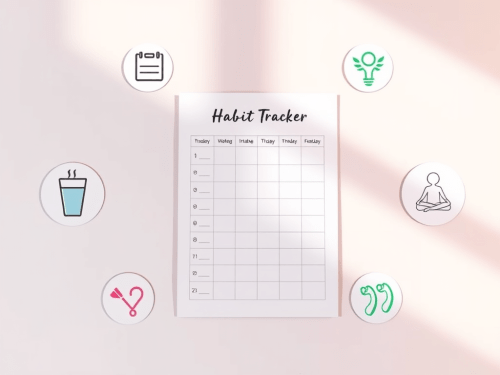
Whether you’re looking to drink more water, exercise regularly, practice mindfulness, or achieve another goal, the secret to success lies in your daily habits. The good news? You don’t have to do it alone. Our habit tracker is here to help you stay focused, consistent, and motivated every step of the way. Click here to download a free copy that you can reprint as many times as you like.

Why Habits Matter

Habits are the foundation of our lives. They shape how we spend our time and ultimately determine the results we achieve. Good habits help us build momentum toward our goals, while bad habits can hold us back. But here’s the thing: habits don’t change overnight. They’re built one small step at a time—and that’s where a habit tracker comes in.

What is a Habit Tracker?

Think of a habit tracker as your personal accountability partner. It’s a simple tool that allows you to:

  • Set Clear Goals: Define what habits you want to build and why they matter to you.
  • Track Progress: Mark off each day you complete a habit and watch your consistency grow.
  • Stay Motivated: Celebrate your streaks and see how small, consistent actions add up to big results.

How The Habit Tracker Works

The habit tracker is designed with simplicity in mind. You don’t need fancy apps or complex tools—just a clear plan and the commitment to take action. Here’s how to use it:

  1. Download Your Tracker: Click here to grab your free habit tracker.
  2. List Your Habits: Write down the habits you want to focus on. Be specific and realistic. Use one sheet per habit. 
  3. Start Tracking: Each day, mark off the habits you complete. Missed a day? No problem. Just pick up where you left off.
  4. Reflect and Adjust: At the end of the week, or month, review your progress and tweak your plan if needed.

Why You’ll Love It

The habit tracker isn’t just a tool; it’s a way to transform your goals into reality. With each checkmark, you’ll build confidence, gain clarity, and take control of your journey. It’s perfect for anyone who wants to:

  • Stay consistent with daily routines
  • Break old habits and build healthier ones
  • See tangible proof of their progress

Download Your Habit Tracker Today

Don’t wait for the “perfect” time to start working on your goals. The best time to start is now! The free habit tracker is ready to guide you toward the changes you’ve been dreaming about.

Small steps lead to big transformations. Take the first step today, and let’s build a life you love, one habit at a time!

Simple Self-Care Rituals to Start the New Year Strong

The start of a new year is the perfect time to embrace small changes that can make a big difference in your life. You don’t need a long list of resolutions or drastic measures to feel your best. Instead, focus on simple, sustainable self-care rituals that fit easily into your daily routine.

Here are five easy ways to start the year feeling refreshed, balanced, and ready to take on whatever comes your way.

1. Begin Your Day with Intention

How you start your morning sets the tone for your entire day. Take a few minutes each morning to ground yourself. This could mean sitting quietly with your coffee or tea, writing a quick to-do list, or practicing a moment of gratitude. For example, jot down three things you’re thankful for or something you’re looking forward to that day. This small act can shift your mindset and help you approach your day with a positive outlook.

2. Stay Hydrated

Drinking enough water is one of the easiest self-care habits to maintain, yet it’s often overlooked. Proper hydration boosts energy, supports digestion, and helps you feel more focused. Keep a reusable water bottle nearby and sip throughout the day. If plain water feels boring, add slices of lemon, cucumber, or a handful of berries for natural flavor. Aim for at least eight glasses a day, but listen to your body—it’ll let you know when you need more.

3. Move Your Body Daily

You don’t need to commit to an intense workout routine to feel the benefits of movement. Gentle activities like a 10-minute walk, light stretching, or dancing to your favorite song can work wonders for your mood and energy levels. Find something you enjoy, and don’t worry about perfection. The key is consistency—a little movement each day can add up to big results over time.

4. Simplify Your Meals

Eating well doesn’t have to be complicated. Start by adding one extra fruit or vegetable to your meals each day. Choose foods that make you feel good and provide the energy you need to tackle your day. A simple breakfast of oatmeal with fresh berries or a quick salad with your favorite toppings at lunch can keep you nourished without overwhelming your schedule.

5. Unplug and Recharge

In a world that never seems to slow down, taking breaks from technology can be a form of self-care. Set aside 30 minutes each evening to unplug from screens. Use this time to read, journal, or simply relax. Giving your mind a break from constant stimulation helps improve sleep and leaves you feeling more present in your daily life.

Final Thoughts

Self-care doesn’t have to be time-consuming or complicated. By focusing on small, achievable habits, you can create a foundation of well-being that supports you all year long. Start with one or two rituals from this list, and see how they make you feel. Remember, self-care is not about being perfect; it’s about showing up for yourself in ways that feel good and sustainable. Here’s to a happy, healthy new year!

Why Drinking Water Is the Easiest Self-Care Habit to Incorporate into your busy life.

Do you ever feel tired, have trouble concentrating, or notice your skin looking dull? It might be your body’s way of asking for more water.

Drinking water is one of the simplest ways to feel better

Here are five quick benefits:

Boosts Energy
When you’re hydrated, your body works better. You might feel more awake and alert—no fancy drinks needed.

Improves Skin Health
Water helps your skin look and feel its best. Think of it as your glow-up in a glass.

Aids Digestion
Staying hydrated can keep things moving smoothly. Enough said!

Supports Focus
Feeling foggy? A glass of water can help sharpen your mind and keep you on track.

Helps Manage Cravings
Sometimes, thirst disguises itself as hunger. Try sipping water first to see if that’s what your body really needs.

The best part? You don’t have to overhaul your day. Just start small—keep a water bottle handy or swap a soda for water. Little changes add up!

Would you like a daily water tracker with a mini guide? Click here to download a complimentary copy.

Do you drink enough water every day? Tell us in the comments. You may help the next reader feel better about themselves. #SharingIsCaring

Breast Cancer Awareness: What Every Woman Should Know

A middle-aged woman, smiling and appearing happy and healthy, standing outdoors on a sunny day with a bright blue sky. She is enjoying the sunshine and nature, radiating positivity and well-being.

October is Breast Cancer Awareness Month, a time dedicated to raising awareness about the importance of early detection and education. Here are some tips to help you stay informed, protect your health, and empower yourself with knowledge.

Understanding Breast Cancer

Breast cancer is the most common cancer among women worldwide, but it can be successfully treated if detected early. It occurs when cells in the breast grow uncontrollably, forming a lump or mass. Early-stage breast cancer often doesn’t cause noticeable symptoms, making regular screenings crucial.

Why Early Detection Matters

One of the most effective ways to reduce the risk of advanced breast cancer is through early detection. Regular mammograms can find cancer before any physical symptoms appear, significantly increasing the chances of successful treatment. Women over 40, or younger women with a family history of breast cancer, should discuss a personalized screening plan with their healthcare provider.

How to Reduce Your Risk

While we can’t completely eliminate the risk, there are ways to reduce it. Here are some wellness tips:

  • Stay Active: Regular physical activity helps maintain a healthy weight, which can lower your risk.
  • Balanced Diet: A diet rich in fruits, vegetables, and lean proteins supports your immune system and overall health.
  • Limit Alcohol Consumption: Excessive alcohol intake has been linked to a higher risk of breast cancer.
  • Self-Exams: Regularly performing self-exams helps you stay familiar with your body and recognize any changes early on.

Support for Breast Cancer Patients

If you or a loved one is diagnosed with breast cancer, remember that support is very helpful. Many communities offer support groups, and there are numerous resources available for guidance on treatment options, emotional well-being, and lifestyle changes.

Take Action Today

Breast cancer awareness isn’t just for October. Make a commitment today to schedule your screening, support a loved one, or even just share this information. Your health is your greatest asset.

Remember: Awareness leads to action, and action saves lives.

Simple Solutions for Maintaining a Healthy Weight: Mindful Eating, Movement, and Mindset

A middle-aged woman mindfully eating a healthy, nourishing meal. She is seated at a table, savoring each bite of a colorful plate of fresh fruits, vegetables, and whole grains, enjoying the moment with a calm, focused expression.

Struggling with managing your weight can feel overwhelming, especially when life gets busy. But achieving and maintaining a healthy weight doesn’t have to be about strict diets or exhausting workout routines. Instead, small, sustainable changes can make all the difference. Let’s talk about three key strategies: mindful eating, regular movement, and shifting your mindset.

1. Mindful Eating: Slow Down and Tune In

Mindful eating is about paying attention to what you’re eating and how it makes you feel. When we eat on autopilot—whether it’s in front of the TV or while scrolling through our phones—it’s easy to overeat or make unhealthy choices. Mindful eating encourages us to slow down and really enjoy our food, which can naturally lead to better choices and portion control.

How to Eat Mindfully: Start by tuning into your hunger cues. Ask yourself if you’re eating out of true hunger or just because it’s a habit. As you eat, try to chew slowly and savor each bite. Notice the textures, flavors, and how your body feels. This practice not only helps you avoid overeating but also makes eating a more enjoyable experience.

2. Regular Movement: Make it Fun

You don’t have to spend hours at the gym to maintain a healthy weight. What matters most is finding a physical activity that you enjoy and making it a regular part of your routine. Physical activity boosts your metabolism, improves your mood, and helps you feel more energized throughout the day.

How to Stay Active: Whether it’s a brisk walk, dancing, yoga, or even playing with your kids, find activities that bring you joy. Aim for at least 30 minutes of movement most days of the week. The key is to choose something you enjoy, so it doesn’t feel like a chore. Over time, regular movement will become a habit that supports your goals.

3. Mindset Shifts: Focus on Progress, Not Perfection

One of the biggest barriers to maintaining a healthy weight is our mindset. Many people get stuck in an all-or-nothing mentality—feeling like they’ve failed if they don’t follow their plan perfectly. But your new healthy lifestyle is a journey, not a sprint. Shifting your mindset from perfection to progress can help you stay motivated and avoid frustration.

How to Shift Your Mindset: Celebrate small wins along the way, like choosing a healthy snack or getting outside for a walk. If you have a setback, don’t beat yourself up. Instead, focus on how you can get back on track. By focusing on progress and building healthier habits over time, you’ll find that managing your weight becomes more sustainable and less stressful.

Final Thoughts

Managing your weight doesn’t have to be complicated. By practicing mindful eating, incorporating regular movement, and shifting your mindset, you can create a sustainable, healthy lifestyle that supports your goals.

If you’re ready to take the next step and need guidance, I’m here to help! Let’s work together to create a personalized plan that fits your life and helps you feel your best.

How to Sleep Better: Essential Strategies

A middle-aged woman peacefully sleeping at night in a cozy bedroom. She appears relaxed and comfortable, enjoying a restful night of sleep.

Struggling to fall asleep or stay asleep? You’re not alone. Sleep problems are common, but that doesn’t mean you have to put up with restless nights. Quality sleep is essential for your mental and physical health, and with a few simple adjustments, you can improve your sleep patterns. Let’s talk about three key strategies: creating a bedtime routine, reducing screen time before bed, and practicing relaxation techniques.

1. Establish a Bedtime Routine

Your body thrives on consistency, especially when it comes to sleep. A bedtime routine signals to your brain that it’s time to wind down. If you’re constantly going to bed at different times, it confuses your internal clock, making it harder to fall asleep.

How to Create a Routine: Try going to bed and waking up at the same time every day, even on weekends. Spend the last 30 minutes before bed doing something relaxing, like reading a book, stretching, or listening to calming music. Over time, this consistency helps regulate your sleep cycle, making it easier to fall asleep and wake up refreshed.

2. Minimize Screen Time Before Bed

Screens—whether it’s your phone, computer, or TV—emit blue light, which can interfere with your body’s production of melatonin, the hormone that regulates sleep. Scrolling through social media or watching TV right before bed keeps your brain active when it should be winding down.

What to Do Instead: Aim to turn off all screens at least 30 minutes before bed. If you enjoy reading before sleep, try using a physical book instead of an e-reader. And if you can, keep your phone out of reach while you sleep to avoid the temptation to check it during the night.

3. Practice Relaxation Techniques

Stress and anxiety can keep your mind racing long after you’ve climbed into bed. That’s where relaxation techniques come in. These simple practices can calm your mind and help you drift off to sleep more easily.

Techniques to Try: Breathing exercises, progressive muscle relaxation, or gentle stretching can help relax your body and quiet your mind. Try a breathing technique like 4-7-8 breathing (inhale for 4 seconds, hold for 7, and exhale for 8) to release tension and prepare your body for sleep. Guided meditation is another great tool to help you let go of stress before bed.

Final Thoughts

A good night’s sleep is within reach. By establishing a consistent bedtime routine, cutting down on screen time, and practicing relaxation techniques, you can improve both the quantity and quality of your sleep. If you’re ready to create a personalized plan for better sleep, I’m here to help! Let’s work together to find the solutions that work best for you.