More Than Just a Harvest: The Hidden Benefits of Gardening for Mind, Body, and Spirit


Gardening in small spaces

When my sister said gardening wasn’t cost-effective, I paused. From a strictly financial lens, sure—maybe a head of lettuce costs less at the store. But what about everything you can’t measure? The quiet joy of planting seeds. The way the sun warms your back while you dig. The calm that settles in your chest as you breathe in the earthy scent of the soil.

Gardening may not always pay off in dollars, but its value goes far beyond the grocery bill. Whether you’re planting a few herbs on a balcony or tending a full backyard garden, the benefits for your mental, physical, and spiritual health are deeply nourishing—and well worth the effort.

Let’s dig into why.


1. Gardening for Mental Health: A Natural Mood Booster

In a world that often feels loud and fast, the garden invites us to slow down. It offers a kind of therapy we don’t have to schedule or pay for—just step outside and get your hands in the dirt.

  • Reduces stress and anxiety: Studies show that spending time in nature reduces cortisol levels (that’s your stress hormone). Even 30 minutes a week in the garden can lower anxiety and help regulate your mood.
  • Boosts focus and clarity: Pulling weeds or planting tomatoes might seem simple, but those repetitive, grounding tasks support mindfulness. Gardening encourages you to stay present, which is a natural way to quiet racing thoughts.
  • Eases symptoms of depression: There’s a reason many therapists recommend gardening as part of a holistic wellness plan. Exposure to sunlight, physical activity, and a sense of purpose—all found in the garden—have been shown to ease mild depression.

So next time life feels overwhelming, consider stepping into your garden instead of scrolling through your phone. You might find what you’re looking for growing right under your feet.


2. Gardening for Physical Health: Gentle Movement with Real Benefits

Gardening may not look like exercise, but your body definitely knows it is.

  • Improves flexibility and strength: Bending, stretching, squatting, and lifting are all part of gardening. Over time, this gentle movement helps maintain mobility and keeps muscles engaged—especially helpful as we age.
  • Supports heart health and immunity: Moderate physical activity like gardening has been shown to reduce the risk of heart disease and improve immune response.
  • Encourages healthy eating: When you grow it yourself, you’re more likely to eat it! A garden full of greens, herbs, and vegetables makes healthy eating more accessible and rewarding.

Gardening is especially wonderful for those who don’t enjoy traditional exercise. It keeps your body moving without feeling like a chore.


3. Gardening for Spiritual Health: Connection and Purpose

There’s something sacred about watching life grow. Gardening is a powerful spiritual practice, whether or not you think of yourself as “spiritual.”

  • Fosters connection: Tending to living things—plants, pollinators, soil—reminds us that we’re part of a larger ecosystem. It can ease feelings of loneliness and help us feel connected to something greater.
  • Cultivates patience and presence: Gardening teaches us that we can’t rush nature. We learn to observe, to wait, to trust in a process we don’t fully control. This surrender is deeply calming to the soul.
  • Brings joy and gratitude: The simple act of harvesting something you planted weeks ago brings a sense of wonder. It reminds us that life is full of small miracles worth noticing.

When you spend time in the garden, you’re not just growing food—you’re growing presence, peace, and perspective.


The Garden as a Healing Space

It’s true—gardening might not always save money. But what it does save is your sanity, your strength, and your spirit. In times when life feels chaotic or uncertain, a garden can become a quiet refuge. A space where healing happens in small, beautiful ways.

So the next time someone tells you gardening isn’t “worth it,” smile and gently disagree. Because if you’ve ever felt the peace of a morning sunbeam on your back while watering herbs—or the thrill of pulling your first ripe tomato—you already know: gardening is one of the most valuable things we can do for our wellbeing.


🌱 Ready to Reap the Benefits?

Whether you’re planting a pot of basil or building raised beds, your garden is a sacred space. One that nurtures not just your body, but your entire being.


Reconnect with your inner calm and rediscover the joy of growing something beautiful. Start small—plant a seed, pull a few weeds, or simply sit in your garden and breathe. Your healing can begin with just one mindful moment in the soil. 🌱

Why Rest Is Productive: The Power of Doing Less to Feel More


Pause and enjoy the flowers

We often think of productivity as being tied to doing more—more tasks, more hustle, more checking off the to-do list. But what if the real secret to getting more out of life is actually doing less?

It’s a hard idea to wrap our heads around, especially in a world that praises busyness. But rest isn’t a luxury. It’s a powerful part of being human. And when we learn to honor it, we gain clarity, energy, and a deeper connection to what really matters.

Let’s explore how rest can be one of the most productive things you do—not just for your body, but for your whole life.


The Productivity Myth

Our culture often treats rest like a reward, something we have to earn after we’ve worked hard enough. We’re taught that if we’re not doing something “useful,” we’re wasting time.

But here’s the truth: being busy all the time doesn’t always mean we’re being effective. It usually just means we’re exhausted.

When we run on empty for too long, everything starts to suffer—our focus, our mood, our relationships, and even our health. We get things done, yes—but often at the cost of our own well-being.


Rest Is Not Doing Nothing

Rest isn’t laziness. It’s intentional. It’s choosing to pause and recharge so you can show up more fully for your life.

It can look like:

  • Going to bed 30 minutes earlier
  • Saying no to one more obligation
  • Sitting outside for ten quiet minutes
  • Turning your phone off for an hour
  • Taking a slow walk without multitasking

These are not empty moments. They’re the moments where your mind and body start to heal, reset, and reconnect. That is powerful.


What Happens When You Rest

You might be surprised by how much happens when you allow yourself to slow down.

  • Your brain gets sharper. Research shows that breaks help improve memory, decision-making, and creativity.
  • Your stress levels drop. When you rest, your nervous system has a chance to shift out of fight-or-flight mode and into a calmer state.
  • You notice more. When you stop rushing, you start noticing the good stuff—like how the light filters through the trees or the sound of your child’s laughter.
  • You make better choices. Rest gives you space to respond instead of react, to reflect instead of run on autopilot.

When you rest, you’re not falling behind. You’re coming back to yourself. You’re filling your cup. And that creates space for more clarity and purpose in how you move through the world.


Doing Less to Feel More

One of the most surprising gifts of rest is that it helps you feel more—more grounded, more connected, more like yourself.

In the quiet moments, you can hear what your body is trying to tell you. You can check in with your own needs, rather than everyone else’s. You can remember what you love, what you long for, and what lights you up.

Rest isn’t just about sleep. It’s about permission. Permission to pause. Permission to step off the treadmill. Permission to be human.

And when you give yourself that permission, you often find that you return to your life with more patience, more joy, and more energy for the things that truly matter.


How to Begin

You don’t need a weeklong vacation to start resting. You can begin with five minutes today.

Here are a few small ways to practice rest:

  • Turn off notifications for one hour.
  • Lie on the floor and breathe deeply for five minutes.
  • Sit on your porch or by a window and watch the sky.
  • Write down three things you’re grateful for.
  • Close your eyes for a few minutes between tasks.

Start small. Be kind to yourself. Even a little rest makes a difference.


Rest is a quiet kind of power

Rest isn’t a sign of weakness. It’s a strength. It’s a quiet kind of power that helps you come back to your life with fresh eyes and an open heart.

This week, try doing a little less—and see what you notice. Pay attention to how your body responds, how your mood shifts, how your thoughts settle.

You might just find that rest is the most productive thing you do all day.


Looking for more gentle reminders like this?
Sign up for my weekly notes of encouragement, or share this post with someone who could use permission to rest today. Let’s normalize slowing down—and feeling good about it.


Go With the Flow: How Allowing Flow Can Improve Your Life

Presence and flow

Have you ever been so absorbed in something that you lost track of time? Maybe it was while gardening, painting, playing an instrument, or even doing a work task you love. That state of deep focus, where everything else seems to disappear and you’re simply “in the zone,” is known as flow.

In psychology, flow is a mental state where a person is fully immersed in an activity. The term was first introduced by psychologist Mihaly Csikszentmihalyi, who spent decades researching what makes people feel truly satisfied and engaged. He discovered that the most meaningful moments in life often happen when we’re not simply relaxing, but when we’re challenged just enough and fully focused on what we’re doing.

In this blog post, we’ll explore what flow really is, why it matters, and how you can invite more of it into your daily life—especially if you’re feeling stuck, distracted, or like you’re constantly playing catch-up.


What Is Flow, Exactly?

Flow is described as a state of complete concentration and enjoyment in the task at hand. It’s that sweet spot where your skill level matches the challenge, and you’re so absorbed that time seems to fly.

According to Csikszentmihalyi, the key characteristics of flow include:

  • Clear goals: You know what you’re doing and why.
  • Intense focus: Your attention is fully on the task.
  • A sense of control: You feel capable and confident.
  • Loss of self-consciousness: You’re not thinking about how you look or how you’re being judged.
  • Time distortion: Time either speeds up or slows down.
  • Intrinsic motivation: You’re doing it for the joy of the experience itself.

Flow isn’t about being perfect or achieving something huge. It’s about being present and fully engaged, even in everyday moments.


Why Allowing Flow Matters

Many of us live in a constant state of doing—multitasking, planning, and worrying about what’s next. But true flow invites us to slow down, focus, and do one thing with our full attention. And that shift can be powerful.

Here’s what happens when you regularly experience flow:

  • Increased productivity: You get more done in less time.
  • Greater life satisfaction: Flow brings a sense of purpose and enjoyment.
  • Reduced stress: Being present in an activity helps calm the nervous system.
  • Improved creativity: Flow can open the door to fresh ideas and problem-solving.
  • Better mood: You feel more positive, energized, and alive.

And perhaps most importantly, flow reminds us that joy isn’t something we have to chase—it can be found in the doing, not just in the result.


Common Barriers to Flow

If flow feels elusive, you’re not alone. Our modern world makes it hard to focus for long stretches. Here are a few things that often block flow:

  • Distractions: Constant notifications, noise, and interruptions can pull us out of the moment.
  • Overwhelm: When your to-do list is too long, it’s hard to get fully absorbed in one thing.
  • Perfectionism: Worrying about doing it “right” can keep you from enjoying the process.
  • Lack of clarity: Not knowing your next step makes it hard to stay engaged.

The good news? You can create more flow by making a few simple shifts in your day.


How to Invite More Flow Into Your Life

Flow doesn’t require a big event or retreat. It can happen in everyday moments—if you’re willing to be present. Here are a few ways to allow more flow:

1. Choose Activities You Enjoy

Start with something you naturally like—writing, dancing, cooking, organizing, or even solving puzzles. When you’re drawn to something, it’s easier to get into flow.

2. Minimize Distractions

Turn off notifications, close unused tabs, and let others know you need uninterrupted time. Even 20–30 minutes of focused attention can make a big difference.

3. Set Clear Intentions

Before you begin a task, ask: What do I want to accomplish right now? A clear goal helps anchor your focus.

4. Match Challenge with Skill

If something feels too hard, break it down into smaller steps. If it feels too easy, add a new element to keep your mind engaged.

5. Let Go of the Outcome

Instead of worrying about the end result, allow yourself to enjoy the process. Flow happens when you’re doing something for the love of it—not just for the reward.


Flow in Everyday Life

You don’t have to wait for a perfect moment to feel flow. It can happen while walking your dog, rearranging a room, journaling, or even doing dishes—if you’re fully present.

Allowing flow is about giving yourself permission to be here, now. Not rushing. Not striving. Just engaging, fully, with the moment in front of you.

In a world that often rewards hustle, flow invites us to reconnect with presence—and in that presence, we rediscover clarity, joy, and ease.


Flow isn’t just for artists or athletes. It’s for anyone willing to slow down, focus, and engage with life. The more you practice being in flow, the more natural it becomes. Over time, you may notice you’re not just getting more done—you’re enjoying the doing itself.

So today, I invite you to allow flow. Choose one task, one moment, and give it your full attention. You might be surprised at how good it feels to stop chasing and start allowing.


7 Pillars of Self-Care for a Balanced Life

When most people hear “self-care,” they think of bubble baths, face masks, or maybe treating themselves to a latte. While those things can be enjoyable, real self-care goes deeper. It’s about creating a life that feels good on the inside, not just one that looks good on the outside.

In this post, we’ll explore the 7 pillars of self-care—a well-rounded way to support your body, mind, and spirit. These pillars aren’t fancy or complicated. They’re simple, doable, and powerful. Let’s dive in.


1. Physical Self-Care: Take Care of Your Body

This is the most obvious kind of self-care, but it’s often overlooked. Physical self-care means taking care of your body so it can take care of you.

Some basics:

  • Move your body regularly. Walking, stretching, dancing in your kitchen—it all counts.
  • Get enough sleep. Most adults need 7–9 hours a night.
  • Eat foods that fuel you. You don’t need to be perfect—just aim for balance.
  • Stay hydrated. Water matters more than we think.
  • Keep up with medical care. Go to your checkups and take your medications if prescribed.

Caring for your physical health helps you feel stronger, more energized, and more grounded.


2. Emotional Self-Care: Check In with Your Feelings

We all experience stress, sadness, frustration, and joy. Emotional self-care means giving yourself permission to feel and process those emotions, not stuff them down.

Here are a few ways to practice it:

  • Talk to someone you trust.
  • Journal your thoughts.
  • Say no when you need to.
  • Cry if you need to. Laugh as often as you can.
  • Seek professional help when emotions feel too heavy to carry alone.

Making space for your emotions isn’t weak—it’s human. And healthy.


3. Mental Self-Care: Stimulate Your Mind

Your brain needs care, too. Mental self-care includes anything that helps you grow, focus, and feel mentally strong.

Try this:

  • Read a book or listen to an audiobook.
  • Learn something new—maybe a hobby or a skill.
  • Take breaks from screens and social media.
  • Organize your space or create a to-do list to ease mental clutter.

Giving your brain something positive to chew on helps reduce stress and sharpen your thinking.


4. Spiritual Self-Care: Connect to Something Greater

You don’t need to be religious to practice spiritual self-care. This pillar is about feeling connected—to nature, to your values, or to a higher purpose.

Ways to practice:

  • Spend time in nature.
  • Meditate or pray.
  • Reflect on your values.
  • Read something inspiring.
  • Practice gratitude.

Spiritual self-care gives you perspective, peace, and a deeper sense of meaning in your life.


5. Social Self-Care: Build Healthy Relationships

Humans are social beings. We all need connection—even if we also enjoy alone time. Social self-care is about spending time with people who lift you up.

Here’s what it might look like:

  • Schedule a coffee date or phone call with a friend.
  • Join a club, group, or community (online or in person).
  • Set boundaries with people who drain you.
  • Ask for help when you need it.

Surrounding yourself with positive, supportive people can change everything.


6. Practical Self-Care: Take Care of Daily Life

This one often gets ignored in self-care lists, but it matters. Practical self-care includes the everyday things that reduce stress and make your life run more smoothly.

Examples:

  • Pay your bills on time.
  • Keep your home relatively tidy.
  • Meal prep to save time and energy during the week.
  • Stay on top of appointments and errands.

When your basic needs are met and your life feels organized, you can breathe easier.


7. Recreational Self-Care: Make Time for Fun

Last but definitely not least—fun. Joy is not a luxury. It’s a need.

Recreational self-care means doing things simply because they bring you happiness. Not because they’re productive. Not because you “should.” Just because they make you smile.

Ideas:

  • Watch your favorite show guilt-free.
  • Go on a weekend adventure.
  • Try a craft or creative hobby.
  • Play a game. Dance in your living room.

Play is essential. It helps you relax, recharge, and remember who you are.


Self-Care is Not Selfish

Taking care of yourself isn’t about being selfish—it’s about being whole. When you tend to all seven pillars of self-care, you feel more balanced, more alive, and more capable of handling whatever life throws your way.

You don’t have to do everything at once. Just start with one small step today. Maybe drink a little more water. Call a friend. Go to bed 30 minutes earlier. Each small act of care adds up.

You deserve to feel well. You deserve to feel whole. And it starts by making self-care a regular part of your life—not just something you squeeze in when you’re already burned out.


Mindfulness Made Simple: How to Find Peace in Everyday Moments


Feeling overwhelmed? Try this.

Have you ever felt like your mind was running a mile a minute—jumping from one worry to the next, barely catching a breath? If so, you’re not alone. Many of us spend our days in a mental rush, juggling tasks, responding to texts, and reacting to life as it comes at us. But here’s the truth: peace is available to us, even in the busiest moments. And the path to it starts with something simple—mindfulness.

Mindfulness isn’t a trend or a fancy technique. It’s the art of paying attention to your life as it happens, without judgment. It’s noticing how your coffee tastes in the morning, how the sun feels on your skin, or how your chest rises and falls as you breathe. And best of all, you don’t need hours of free time or any special tools. Just a few minutes a day can help you feel calmer, more grounded, and more present in your own life.

Let’s explore a few easy mindfulness practices you can start today.


1. The Power of a Deep Breath

When was the last time you took a slow, full breath? Not the quick, shallow kind we do on autopilot, but a real, intentional breath?

Try this:

  • Sit or stand comfortably.
  • Close your eyes or lower your gaze.
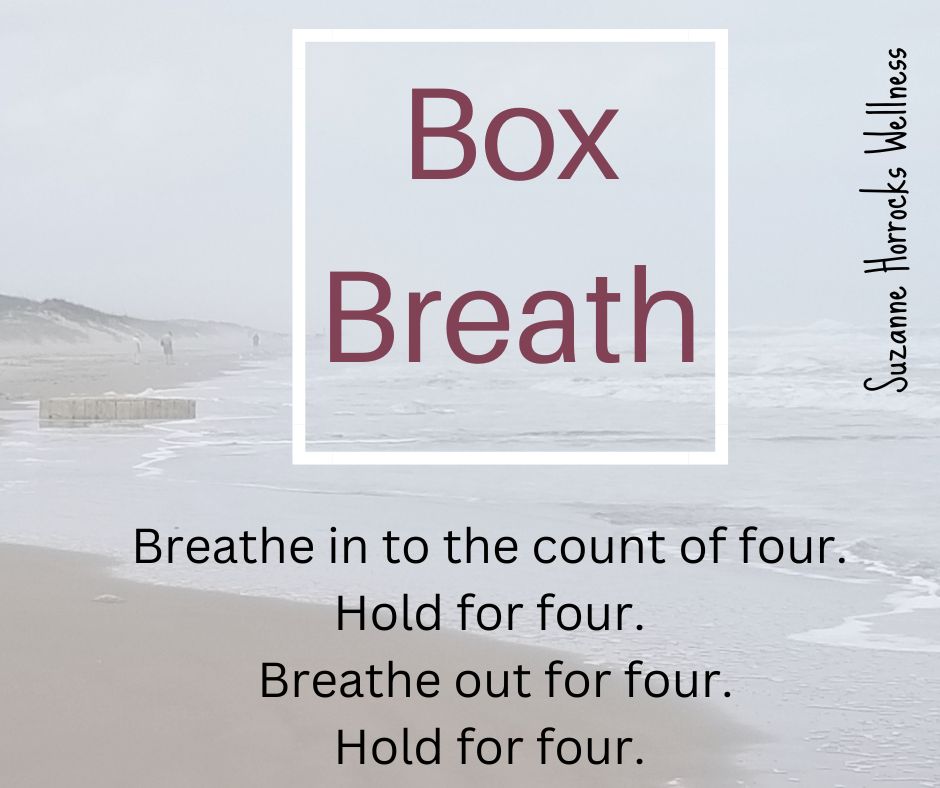
  • Inhale slowly through your nose for a count of four.
  • Hold that breath for a count of four.
  • Exhale slowly through your mouth for a count of four.
  • Repeat this cycle three to five times.

This simple “box breathing” technique can lower your heart rate, calm your nervous system, and bring you back to the present. It only takes one minute, but it can shift your entire mood.

Whenever you feel overwhelmed, anxious, or disconnected, come back to your breath. It’s always there, waiting to anchor you.


2. Gratitude Journaling: A Shift in Focus

It’s easy to focus on what’s missing in life—what didn’t get done, what’s gone wrong, or what we wish we had. But gratitude shifts the spotlight. It helps us see what’s already here and what’s working.

Here’s how to start a simple gratitude practice:

  • Get a notebook or open a notes app on your phone.
  • Every morning or evening, write down three things you’re thankful for.
  • They can be big (“My health”) or small (“The way my dog greeted me today”).

Some days, it might feel hard to find anything. On those days, start with the basics: a warm bed, running water, a kind smile from a stranger.

Writing it down makes it real. Over time, this habit trains your brain to look for the good—even on hard days.


3. One-Minute Mindfulness Moments

You don’t need to carve out a full hour to practice mindfulness. In fact, some of the most powerful moments happen in just 60 seconds.

Here are a few ideas:

  • Mindful Coffee: As you sip your morning coffee or tea, pause. Notice the warmth in your hands. The aroma. The taste. Let it be a quiet moment just for you.
  • Mindful Walks: Even if it’s just from your car to your front door, slow down. Feel your feet on the ground. Listen to the sounds around you. Let go of your to-do list for just a few steps.
  • Mindful Hand-Washing: Instead of rushing, feel the water, the soap, the sensation. These small pauses can turn routine into ritual.

4. The Magic of Being Where You Are

Have you ever read a page in a book and realized you didn’t absorb a single word? Or eaten an entire meal while scrolling your phone, barely tasting a bite?

We spend a lot of time disconnected from what we’re doing. Mindfulness invites us back.

You don’t have to change your life. Just change how you show up in it.

  • When you’re with someone, really listen.
  • When you eat, slow down and enjoy it.
  • When you walk, breathe deeply and look around.

These small acts are powerful. They remind us we’re alive—not just surviving, but living.


Why It Matters

Mindfulness won’t erase life’s challenges. But it will change the way you face them. It softens the edges of anxiety. It builds resilience. It creates space between what’s happening and how you choose to respond.

And perhaps most importantly, it helps you reconnect—to yourself, to the people around you, and to the beauty that still exists in the world, even on hard days.

You deserve moments of peace. You deserve to feel present in your own life. And you don’t need a retreat or a yoga mat to find it. Just a breath, a pause, a little gratitude—and a gentle willingness to begin.


Want More Like This?

If this message speaks to you, I invite you to explore more simple wellness practices on my blog. You can also follow me on Facebook and Pinterest for inspiration, tips, and encouragement for living a calmer, more connected life.

You don’t have to do it all. You just have to begin.


Seven Ways to Stay Consistent With Healthy Habits


Small Steps. Big Changes. Lasting Wellness

We all know how good it feels to start a new healthy habit. The motivation is high, we’re excited, and we can almost see the results already. But then… life happens. A busy week, low energy, or unexpected stress can throw us off track. And suddenly, that new habit feels more like a chore than a choice.

If this sounds familiar, you’re not alone. Staying consistent with healthy habits is one of the biggest challenges many of us face. But here’s the good news: you don’t need perfection to see progress. What you need is a plan that feels realistic, supportive, and kind to your real life.

Let’s talk about seven simple, natural ways to stay consistent with the healthy habits that matter most to you.


1. Start Small, Then Build

When we try to change too much too fast, we often burn out. It’s tempting to overhaul everything at once—change your diet, start exercising every day, meditate, drink more water, go to bed earlier. But our minds and bodies do better with small, steady changes.

Pick one healthy habit you want to focus on first. Maybe it’s adding more veggies to your meals. Or walking for 10 minutes a day. Once that feels natural, add another. Slow and steady really does win this race.


2. Make It Easy To Win

Set yourself up for success by making your healthy choices easy to reach.

  • Keep a water bottle nearby.
  • Leave your walking shoes by the door.
  • Prep healthy snacks ahead of time.
  • Set out your vitamins or supplements where you’ll see them.

The fewer steps between you and your habit, the more likely you’ll follow through. It’s not about willpower—it’s about making the healthy choice the easy one.


3. Create a Routine (But Keep It Flexible)

Our brains love routines. When a habit becomes part of your daily flow, it takes less mental energy to do it. Attach your habit to something you already do, like:

  • Stretching after brushing your teeth
  • Drinking a glass of water before your morning coffee
  • Taking a walk after dinner

That said, life isn’t always predictable. So allow flexibility. If you can’t do your full 30-minute workout, do five minutes of movement. If you can’t cook a full meal, choose a healthy shortcut. Something is always better than nothing.


4. Track Your Progress (And Celebrate It!)

Seeing your own progress can be incredibly motivating. Use a habit tracker, a journal, or even a calendar where you mark off the days you follow through. These small wins add up—and they remind you that you’re doing the work, even when it doesn’t feel like much.

💛 Need a simple habit tracker to help you stay on track?
Grab your free printable here:
👉 Download the Habit Tracker

It’s a great way to stay focused and celebrate your progress each day.


5. Focus on How It Feels

We often get stuck focusing on outcomes: the number on the scale, how clothes fit, or whether we’ve hit a certain goal. But the real magic happens when we focus on how our habits make us feel.

Do you feel more clear-headed after drinking water?
Do you sleep better when you power down your screen before bed?
Does a short walk help you feel more grounded?

When your habits are tied to how you want to feel—not just how you want to look—they’re more likely to stick around for the long haul.


6. Give Yourself Grace

We all miss a day (or a week). We all fall off sometimes. The key to staying consistent is to keep coming back—without guilt or shame. It’s not failure. It’s just part of the process.

If you skip your habit, pause. Ask yourself: What got in the way? What would make it easier next time? Be gentle. Then begin again. Every day is a chance to recommit to the version of you that you’re becoming.


7. Surround Yourself With Support

Having people around you who support your healthy habits can make a huge difference. Join a community, find an accountability buddy, or simply share your goals with a friend or loved one.

If you’re on this journey alone, know that you’re not truly alone. There are people walking this same path—and it’s okay to reach out for encouragement, connection, or a fresh dose of motivation.


Final Thoughts

Consistency doesn’t mean perfection. It means showing up for yourself, again and again, in ways that feel manageable and meaningful. Healthy habits are built one small choice at a time. And those small choices? They add up to real transformation.

So keep going. Keep choosing what supports your well-being. Trust your pace. And remember—every small step counts.

How to Stay Motivated on Your Wellness Journey

Starting a wellness journey is taking an exciting step toward a healthier, more vibrant you.

But let’s be honest—staying motivated isn’t always easy. Life happens, and the initial spark of enthusiasm can fade when faced with busy schedules, setbacks, or simply the grind of daily routines. The good news? Staying motivated is absolutely possible with the right mindset and strategies.

Here are some practical tips to keep you on track and inspired as you work toward your wellness goals.

1. Start with Your “Why”

Why did you begin your wellness journey? Take a moment to reflect on your reasons. Whether it’s improving your energy levels, being able to play with your kids, or managing a health condition, connecting with your “why” can reignite your motivation. Write it down and place it somewhere visible, like your fridge or bathroom mirror, to serve as a daily reminder.

2. Set Realistic Goals

One of the quickest ways to lose motivation is to aim for goals that feel overwhelming or unattainable. Instead, break your larger goals into smaller, achievable steps. For example, rather than saying, “I want to lose 30 pounds,” start with, “I want to lose 5 pounds this month.” Celebrate each small victory along the way—every step forward is progress.

3. Create a Routine You Enjoy

Wellness shouldn’t feel like a chore. Find activities, foods, and practices that genuinely bring you joy. If you dislike running, don’t force yourself to do it. Try dancing, swimming, or yoga instead. Experiment with new recipes or meal prep ideas until you find meals you look forward to eating. When your routine feels rewarding, sticking with it becomes much easier.

4. Track Your Progress

Keeping track of your progress can be a powerful motivator. You can use a journal, an app, or even a simple checklist to note your daily achievements. Whether it’s drinking enough water, completing a workout, or meditating for five minutes, tracking these small wins reminds you how far you’ve come. Seeing your progress visually can boost your confidence and encourage you to keep going.

5. Build a Support System

You don’t have to do this alone. Share your goals with friends, family, or a wellness group. Having people who encourage you and celebrate your successes can make a world of difference. If you’re comfortable, consider finding an accountability partner—someone who’s also working toward their goals. Checking in with each other can keep you both motivated and on track.

6. Be Kind to Yourself

No one’s wellness journey is perfect. You’re bound to have off days, miss a workout, or indulge in a treat—and that’s okay. What matters is how you respond. Instead of beating yourself up, practice self-compassion. Remind yourself that progress, not perfection, is the goal. One slip doesn’t erase all the hard work you’ve done.

7. Mix Things Up

If you feel your motivation waning, it might be time to shake up your routine. Try a new workout class, explore a different walking route, or experiment with a fresh recipe. Variety not only keeps things interesting but can also challenge your body and mind in new ways, helping you avoid plateaus and boredom.

8. Celebrate Non-Scale Victories

It’s easy to get caught up in numbers, whether it’s the scale, calories, or workout minutes. But wellness is about so much more. Celebrate the moments when you feel more energized, sleep better, or notice your clothes fitting differently. These non-scale victories are just as meaningful and often reflect deeper changes in your overall well-being.

9. Focus on the Present

It’s natural to think about where you want to be in the future, but don’t forget to focus on today. Ask yourself, “What’s one thing I can do right now to support my wellness?” It could be as simple as taking a deep breath, drinking a glass of water, or going for a quick walk. Focusing on small, present-moment actions can make the journey feel more manageable and less overwhelming.

10. Reward Yourself

Incorporating rewards into your wellness plan can boost motivation. These rewards don’t have to be extravagant—a relaxing bath, a new book, or treating yourself to a fun fitness accessory can be enough to keep you inspired. Just make sure your rewards align with your goals so they reinforce your progress.

Final Thoughts

Motivation isn’t something you find and hold onto forever; it’s something you cultivate daily. By staying connected to your “why,” setting realistic goals, and embracing flexibility, you can create a sustainable wellness journey that feels good for you.

Remember, it’s okay to go at your own pace.

Wellness is a lifelong journey, not a race. Celebrate every step, and know that you’re doing something amazing for yourself. Keep going—you’ve got this!

Grace and ease

Wellness Guidance

I want to make a difference in people’s lives, in the health and wellness arena, specifically I want to guide people in living a wellness lifestyle with grace and ease.

Widow & Empty Nestor

As a widow whose is grappling with an empty nest, I have come to rely on, (more like depend on), wellness practices to keep from “going off the deep end.” Do you ever feel like you are on the tip of falling off a ledge that you may not be able to recover from?

That was me a few years ago.

To make a long story short, I have a few wellness practices that I can rely on to help me live life with grace and ease.

Here’s the definition of living life with grace and ease, according to AI.

“Living life with grace and ease is about finding a sense of inner peace and calmness that allows you to navigate life’s challenges with resilience and composure. It’s about accepting that life will have its ups and downs, but approaching them with a gentle strength and a positive attitude.

I couldn’t have said it better myself.

Follow along with me to learn some wellness practices that I’m sure will help you too.

Cheers

My Journey as a Wellness Guide: Nurturing Mind, Body, and Soul

As a wellness guide, I am here to help you nurture not just your body but also your mind and soul. My passion for holistic well-being stems from my own transformative experience.

Several years ago, I was in the midst of grieving the sudden death of my spouse, followed shortly by the death of my father from cancer. I was overwhelmed by grief, uncontrollable anger, struggling with poor health habits (including smoking and an addiction to drinking soda), and feeling disconnected from my inner self. It was a wake-up call that propelled me onto a path of self-discovery and healing.

Through diligent research, introspection, and a willingness to learn, I experimented with various wellness practices, from mindful meditation to nourishing nutrition. Each step brought me closer to a profound understanding of the interconnectedness of mind, body, and soul.

As I implemented these practices into my daily life, I experienced a remarkable transformation. I found inner peace, vitality, and a renewed sense of purpose. Thankfully I have stopped smoking and I have stopped drinking soda too. Inspired by my own journey, I have committed to sharing these invaluable insights with others.

I am a graduate of the Institute of Integrative Nutrition as a health coach. However, it’s not just the formal training that qualifies me as a wellness guide—it’s the authenticity of my journey and my willingness to share my insights and experiences.

Through this blog, Facebook, and emails (sign up here), I encourage women nearing retirement and empty nesters to begin on their own wellness journey. I believe that true well-being is not a destination but a lifelong pursuit, and I am honored to support others in their quest for health, happiness, and fulfillment.

Let’s go on this transformative journey together, nurturing mind, body, and soul every step of the way.

Use this breathing practice to help you fall asleep and anytime you need to calm your nerves.

Honestly, I don’t remember

What was the best compliment you’ve received?

I titled this, honestly, I don’t remember, because honestly, I don’t remember.

Compliments are not something that I hang my hat on. Mostly because I have a feeling that they are insincere.

The feeling is changing though.

As I partake more and more of the “cooperation before competition” mindset, we (by we, I mean the selfhelp mindset shift collective) are giving more compliments sincerely, as opposed to a conversation starter that they used to feel like.

It’s nice. It feels better. Maybe that’s because I feel better. I feel better moving farther away from competition and towards cooperation.

What are your thoughts about cooperation before competition?