Beyond the Diet

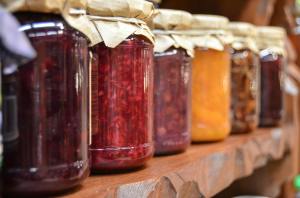
Nourishing food in jars with cloth lids

Welcome back! If you read our foundational guide, A Holistic Approach to Health and Wellness, you know that true well-being is built on four interconnected pillars. Today, we’re diving deep into the first, and arguably the most fundamental: Nourishment.

For too long, the conversation around food has been dominated by restrictive dieting, calorie counting, and a focus purely on aesthetics. But intentional nourishment is about so much more. It’s about recognizing food as the premium-grade fuel your body and mind need to thrive, feel energized, and maintain vibrant health.

This isn’t about chasing the latest fad; it’s about establishing healthy eating habits for adults that last a lifetime. Let’s explore how to transform your relationship with food and unlock the powerful benefits of true whole-body nourishment.

🍽️ The Power of Whole Foods: Returning to Basics

The single most effective dietary shift you can make for mind body wellness is prioritizing whole, unprocessed foods.

What is a whole food? Simply put, it’s a food that is as close to its natural state as possible, with minimal processing and no added artificial ingredients. Think: a crisp apple, a handful of raw spinach, a piece of wild salmon, or a serving of brown rice.

* Focus on Nutrient Density: Whole foods are packed with vitamins, minerals, fiber, and phytonutrients (the compounds that give plants their color and health benefits). When you choose a nutrient-dense whole food over a calorie-dense, processed snack, you are providing your cells with the raw materials they need for optimal function.

* Embrace the Rainbow: Make it a fun, daily challenge to consume foods of different colors. Red tomatoes, yellow peppers, purple cabbage, and dark leafy greens all contain different arrays of antioxidants crucial for fighting inflammation and supporting immunity.

* The Fiber Factor: Fiber, found primarily in fruits, vegetables, and whole grains, is essential. It aids digestion, stabilizes blood sugar, and helps keep you feeling full longer, preventing those energy crashes and subsequent cravings.

💧 Hydration: The Unsung Hero of Healthy Habits

It might sound simple, but optimal hydration is a non-negotiable healthy habit for adults. Dehydration, even mild, can manifest as fatigue, poor concentration, headaches, and muscle cramps.

* The Morning Ritual: Start your day with a large glass of water, perhaps with a squeeze of lemon. This rehydrates your body after sleep and kick-starts your metabolism.

* Continuous Sips: Don’t wait until you’re thirsty—that’s a sign that dehydration has already begun. Keep a water bottle with you throughout the day and sip regularly. Herbal teas also count!

* Water and Mood: Research strongly suggests that proper hydration is linked to better mood regulation and decreased anxiety.

🧠 The Gut-Brain Connection

If we are talking about intentional nourishment, we must discuss the gut. Your gut microbiome—the trillions of bacteria living in your digestive tract—is often called your “second brain.” The communication pathway between your gut and your brain (the gut-brain axis) profoundly influences everything from your immune system to your emotional health.

* Feed Your Microbiome: Support a healthy gut by consuming fermented foods (like plain yogurt, sauerkraut, and kimchi) rich in probiotics. Also, consume prebiotics (fiber-rich foods like oats, bananas, and asparagus) which are the food that your beneficial gut bacteria thrive on.

* Reduce Inflammatory Foods: Highly processed foods, excessive sugars, and refined oils can promote the growth of harmful bacteria and cause inflammation in the gut, which can negatively impact your mental state.

🧘‍♀️ Mindful Eating: A Habit of Presence

You could eat the most perfect, nutrient-rich meal in the world, but if you eat it while stressed, standing up, or rushing through emails, your body’s ability to digest and absorb those nutrients is compromised.

Mindful eating is a powerful tool in establishing healthy eating habits for adults.

* Listen to Your Body: Pay attention to the signals of true hunger and fullness. Stop when you are satisfied, not overly stuffed.

* Eliminate Distractions: Turn off the TV, put down your phone, and step away from your desk.

* Engage Your Senses: Notice the smell, the colors, and the texture of your food.

* Chew Thoroughly: Digestion begins in the mouth. Chewing your food until it’s nearly liquid aids in the absorption of nutrients and reduces the burden on your stomach.

🎯 Creating Sustainable Nourishment Habits

Establishing true healthy eating habits for life requires consistency, not perfection.

  • Focus on Addition, Not Just Subtraction: Instead of obsessing over what to cut out, focus on what you can add to your plate—more vegetables, more fiber, more water.
  • Meal Prep Simple Staples: Dedicate an hour on the weekend to prepping simple ingredients like quinoa, roasted vegetables, and a batch of hard-boiled eggs. Having healthy options readily available makes the healthy choice the easy choice.

Intentional nourishment is an act of deep self-respect. It’s the daily choice to give your body the best fuel available, allowing you to show up as your most vibrant, energetic, and resilient self. By nurturing this pillar, you lay the strongest possible foundation for all other areas of your holistic health.

What’s one whole food you can add to your next meal to boost your mind body wellness? Share your nourishing idea below!

Easy, Healthy Meals for Busy Days

We all have those days when life moves too fast. Between work, family, errands, and everything in between, it can feel impossible to sit down and enjoy a healthy meal. The temptation to grab fast food or skip meals altogether is real—but it doesn’t have to be that way. With a little planning and a few simple recipes, you can have easy, nutritious meals ready to go, no matter how busy your schedule gets.

Here are some quick, healthy meal ideas that will keep you energized and feeling good throughout your day.

1. Overnight Oats for a Fast Breakfast

Mornings can be hectic, but skipping breakfast can leave you feeling sluggish. Overnight oats are an easy solution because they require no cooking and can be prepped the night before.

Basic Overnight Oats Recipe:

  • ½ cup rolled oats
  • ½ cup milk (or dairy-free alternative)
  • 1 tablespoon chia seeds (for extra fiber)
  • ½ teaspoon cinnamon
  • ½ cup fruit (berries, banana slices, or apple chunks)
  • 1 teaspoon honey or maple syrup (optional)

Mix everything in a jar, cover, and refrigerate overnight. In the morning, just grab and go! You can even add nuts or yogurt for more protein.

2. Quick & Healthy Wraps for Lunch

A wrap is a great way to get a balanced meal in minutes. Choose a whole wheat or spinach wrap, and fill it with lean protein, fresh veggies, and a tasty spread.

Simple Turkey & Avocado Wrap:

  • 1 whole wheat wrap
  • 3-4 slices turkey breast
  • ½ avocado, mashed
  • Handful of spinach or lettuce
  • 1 tablespoon hummus or mustard
  • Sliced tomatoes and cucumbers

Roll it up, slice in half, and enjoy. You can make this ahead of time and store it in the fridge for an easy grab-and-go meal.

3. One-Pan Dinners for Less Cleanup

When time is short, one-pan meals save the day. You get a healthy, homemade dinner without a pile of dishes.

Sheet Pan Chicken & Veggies:

  • 2 boneless, skinless chicken breasts (or tofu for a vegetarian option)
  • 1 bell pepper, sliced
  • 1 zucchini, chopped
  • 1 cup broccoli florets
  • 2 tablespoons olive oil
  • 1 teaspoon garlic powder
  • 1 teaspoon Italian seasoning
  • Salt & pepper to taste

Preheat oven to 400°F. Toss everything together on a sheet pan, spread evenly, and bake for 20-25 minutes until the chicken is cooked through. Serve with brown rice or quinoa for a complete meal.

4. Fast & Filling Smoothies

Smoothies are a great way to pack in nutrients when you don’t have time for a full meal.

Simple Green Smoothie:

  • 1 cup spinach
  • 1 banana
  • ½ cup frozen mango or pineapple
  • 1 cup almond milk (or regular milk)
  • 1 tablespoon peanut butter or almond butter (for protein)

Blend everything until smooth, and you have a refreshing, nutrient-packed meal in minutes. You can also prep smoothie ingredients in freezer bags ahead of time and just blend when you’re ready.

5. Protein-Packed Snack Boxes

If you find yourself snacking on chips or cookies because they’re convenient, try prepping a healthier alternative. A protein-packed snack box will keep you full and satisfied between meals.

Easy Snack Box Idea:

  • Hard-boiled eggs or cheese cubes
  • Almonds or walnuts
  • Sliced carrots and cucumbers
  • Hummus or Greek yogurt dip
  • Whole-grain crackers

Pack everything into a container, and you have a balanced snack ready whenever hunger strikes.

Meal Prep Tips for Even More Ease

  • Batch cook grains: Make a big batch of rice, quinoa, or pasta at the start of the week to use in multiple meals.
  • Chop veggies ahead of time: Store them in containers so they’re ready to throw into meals quickly.
  • Use rotisserie chicken: Shred it for wraps, salads, or grain bowls to save time.
  • Keep healthy staples on hand: Stock up on frozen veggies, canned beans, and pre-washed greens for easy meals anytime.

Final Thoughts

Eating healthy doesn’t have to be complicated or time-consuming. With a few smart choices and a little preparation, you can enjoy nutritious meals even on your busiest days. Try these easy recipes, mix and match ingredients you love, and set yourself up for success. Your body (and your schedule) will thank you!

What’s your favorite go-to meal when you’re short on time? Let me know in the comments!

Unlock Your Healthy Lifestyle: Three Keys to Reducing Sugar In Your Diet

Welcome, health seekers!

Are you ready to unlock your healthy side?

Let’s begin by looking at the top three keys to reduce the amount of sugar you are consuming. These three keys pave the way to a healthier you and lead to improved well-being and vitality.

Key #1: Mindful Awareness

The first key to reducing sugar consumption begins with cultivating mindful awareness. Take a moment to investigate your current sugar consumption and its sources in your diet. Are you indulging in sugary snacks and beverages throughout the day? Are there hidden sugars lurking in your favorite packaged foods? By becoming aware of your habits, you empower yourself to make informed choices and take control of your health.

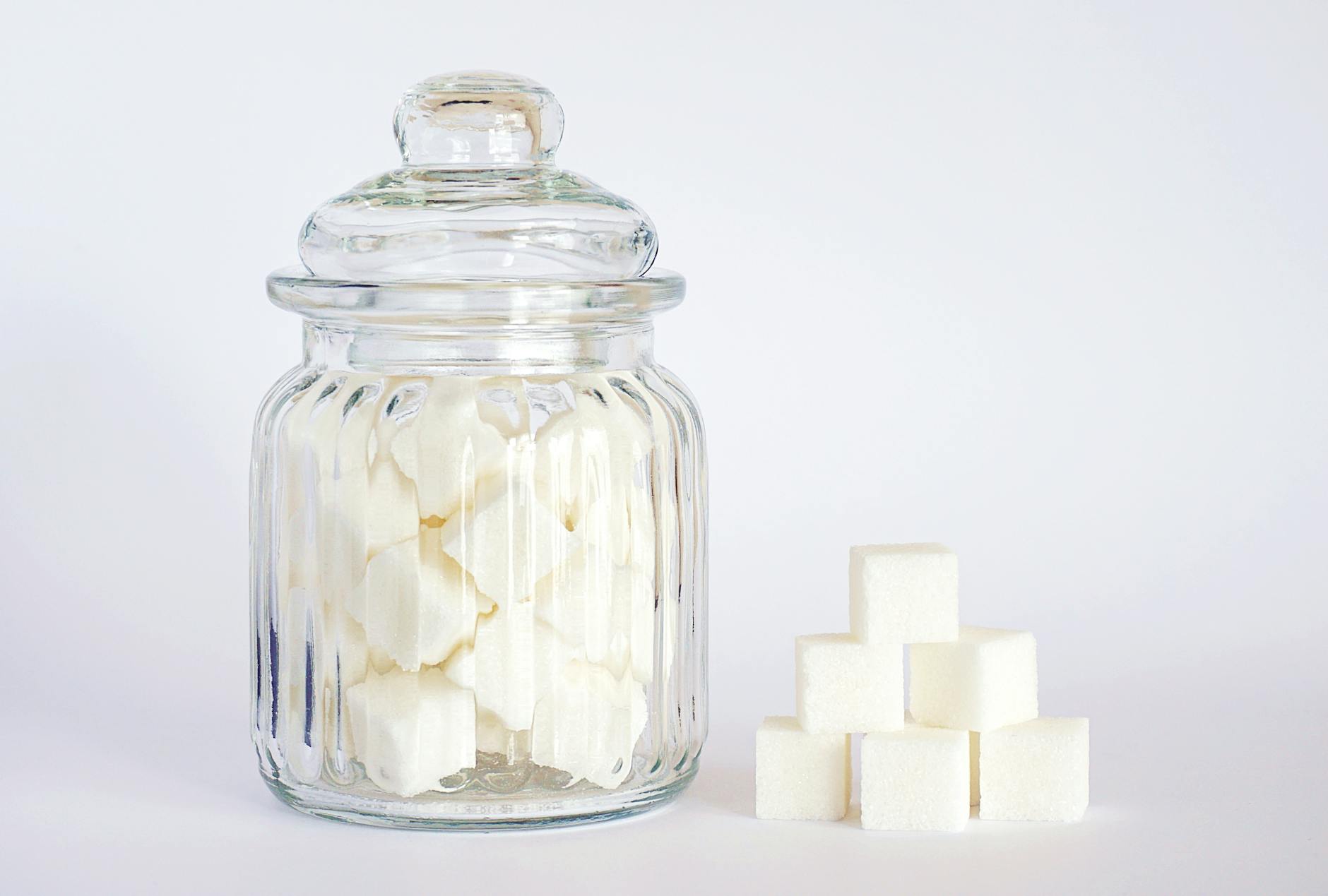
Start by reading food labels diligently, paying close attention to hidden sugars such as high-fructose corn syrup, dextrose, and sucrose. Consider keeping a food journal to track your sugar intake and identify patterns. Mindful awareness lays the foundation for meaningful change, setting the stage for a healthier lifestyle.

Key #2: Nourishing Alternatives

Once you’ve developed mindful awareness, it’s time to explore nourishing alternatives to satisfy your sweet cravings. Nature offers a bounty of wholesome options that delight the taste buds without wreaking havoc on your health. By incorporating fresh fruits like berries, apples, and citrus into your diet, you get to enjoy natural sweetness along with a host of vitamins, minerals, and antioxidants.

You can also experiment with homemade treats using natural sweeteners such as raw honey, maple syrup, or dates. These alternatives add sweetness to your recipes while providing additional nutritional benefits. Get creative in the kitchen and discover new ways to indulge in delights that support your well-being.

Key #3: Empowering Education

Knowledge is power when it comes to reducing sugar consumption and reclaiming your health. Take the time to educate yourself about the harmful effects of excessive sugar on your body and mind. Learn about the link between sugar and chronic conditions such as obesity, diabetes, and heart disease, as well as its impact on energy levels, mood, and mental clarity.

Explore alternative resources, books, and documentaries that shed light on the sugar industry’s influence and the prevalence of hidden sugars in processed foods. Arming yourself with knowledge empowers you to make informed choices that align with your health goals. Remember, every decision you make is a step towards a healthier, more vibrant you.

Conclusion

Remember: small changes can bring big results on your journey to optimal health. By cultivating mindful awareness, embracing nourishing alternatives, and empowering yourself with education, you hold the keys to unlock your sweetest health potential.

Ready to take the next step? Visit Suzanne Horrocks Wellness on Podia to discover exclusive resources, courses, and support on your wellness journey. Let’s walk together on the path of vibrant well-being and a life filled with sweetness in every sense of the word.

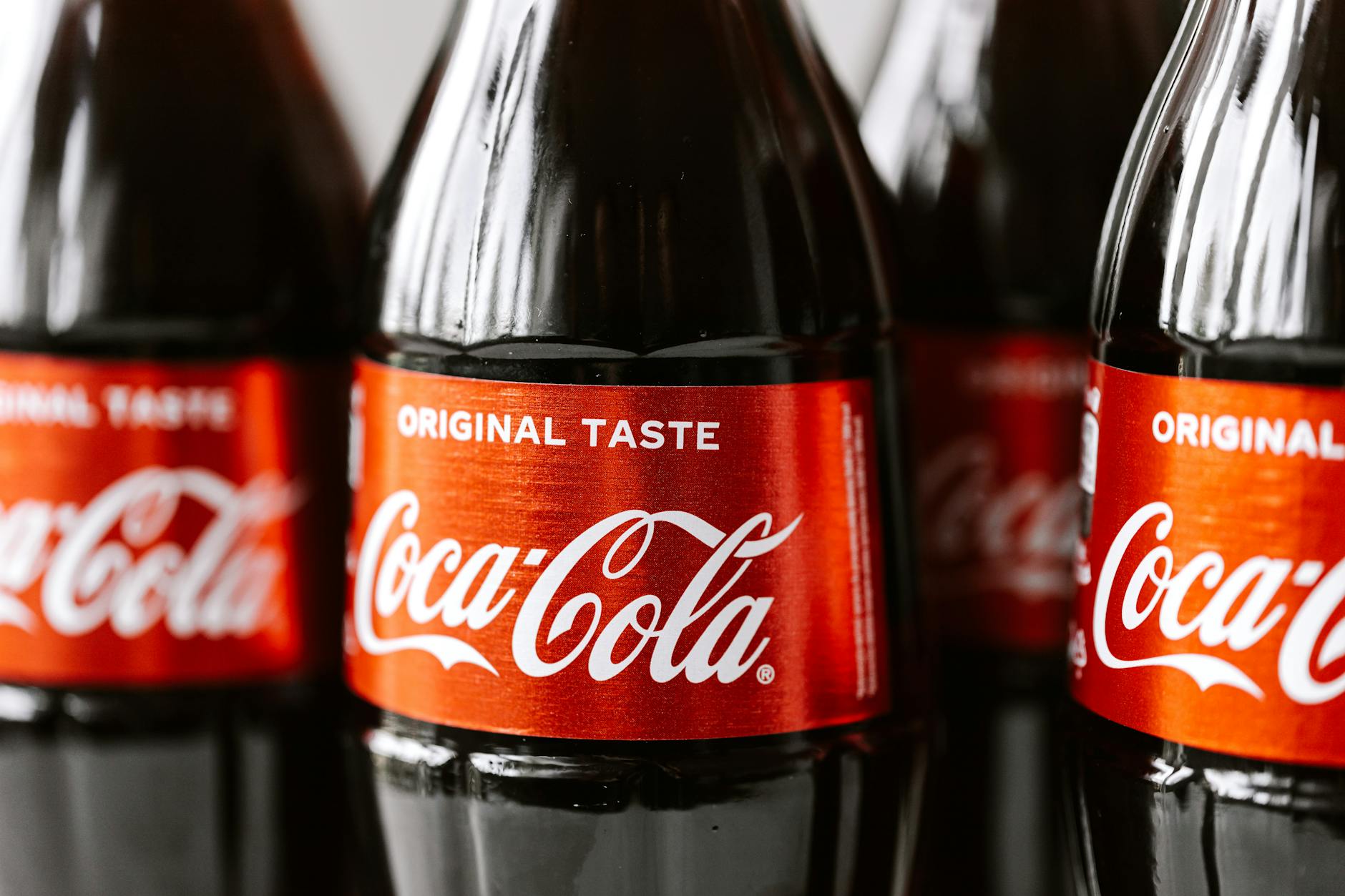
#StopDrinkingSoda

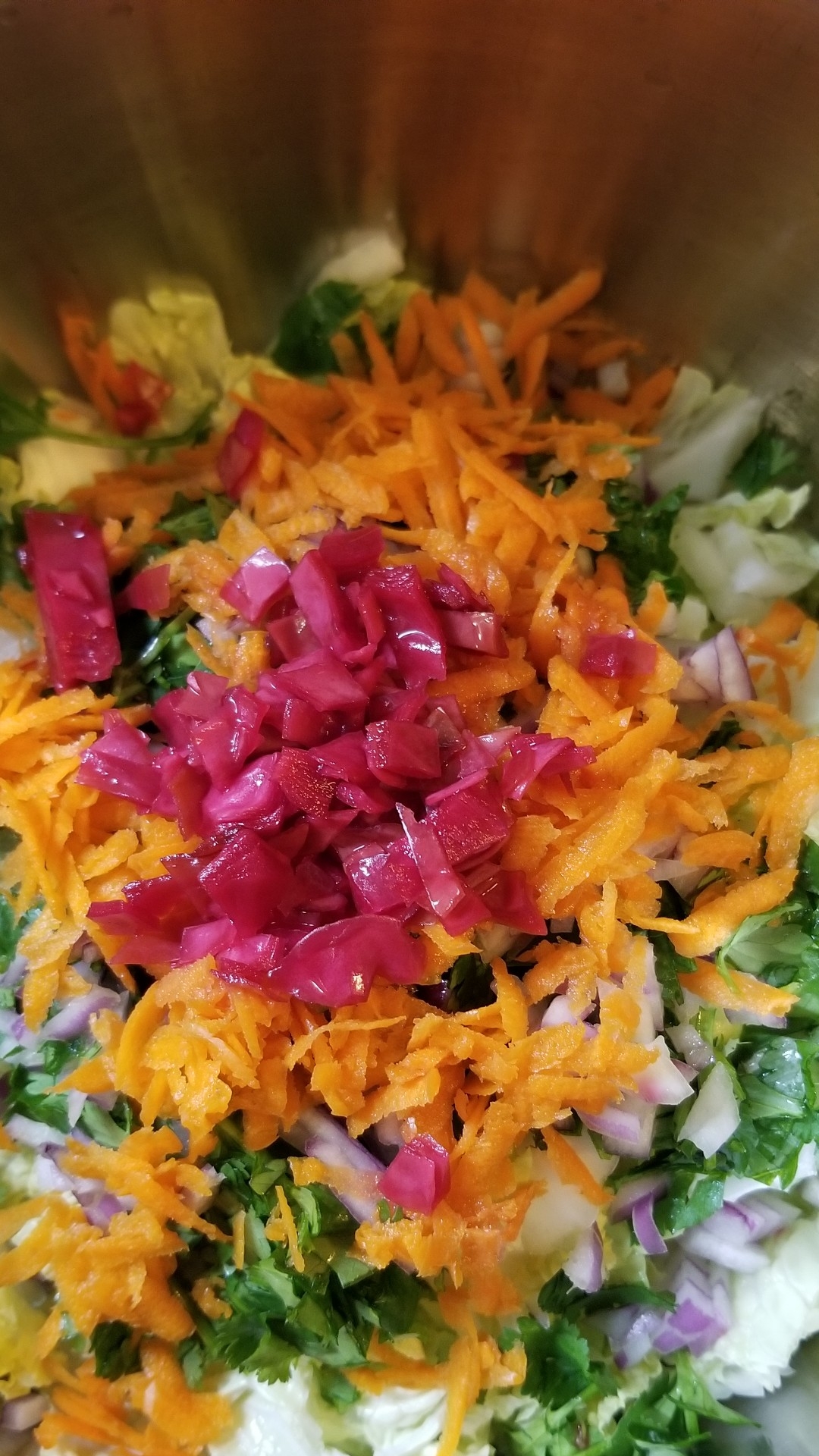
Cabbage salad with lime cilantro dressing 🥗

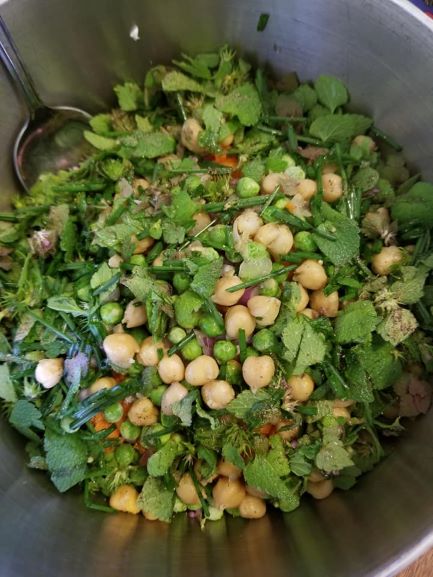
Eating our backyard weeds

We put purple dead nettle and onion grass in our salad.

Purple Dead Nettle
Onion grass

Did you know that plants in the mint family have square stems? Purple dead nettle is part of the mint family. It makes for easy identifying. Plus there’s no toxic twin, so it’s fairly safe for foraging newbies like us.

A square stem

We only forage from our backyard. We don’t use chemicals so we know they are safe.

A friend of ours eats all of the nettle except for the root, but we only used the leaves and tips. We only used the blades of the onion grass. This was simply our preference this time. We may use the stems of the nettle and the root bulbs of the grass next time. Whatever parts we don’t use goes in our compost bucket.

We soaked the greens in a tub of water to clean them. They looked clean on the surface so I didn’t feel that a simple rinse would be good enough. There wasn’t a lot of dirt but you just never know. We have a cat that has to pee somewhere, you know what I mean…..

Then a quick chop and in they went into our salad.

You would not believe the flavor of these greens. Wow!! You know how much better home grown food taste than the store bought stuff. We could not believe how fresh and powerful the taste and smell of these plants were. It was wonderful.

I’m looking forward to foraging dandelion and plantain too.

How do you feel about foraging? Is it a yay or a nay for you and your family?


Want to up your foraging game? Check out these cool bags.
https://amzn.to/3MVKpxv

As an Amazon Associate, I earn commission from qualifying purchases.

Hippocrates said it

Let food be thy medicine and medicine be thy food. – Hippocrates

Since we are under COVID19 quarantine, I though it may be a good time to talk about food as prevention. I love the quote by Hippocrates because it’s simple and true. The simple truth. Can’t get much better than that.

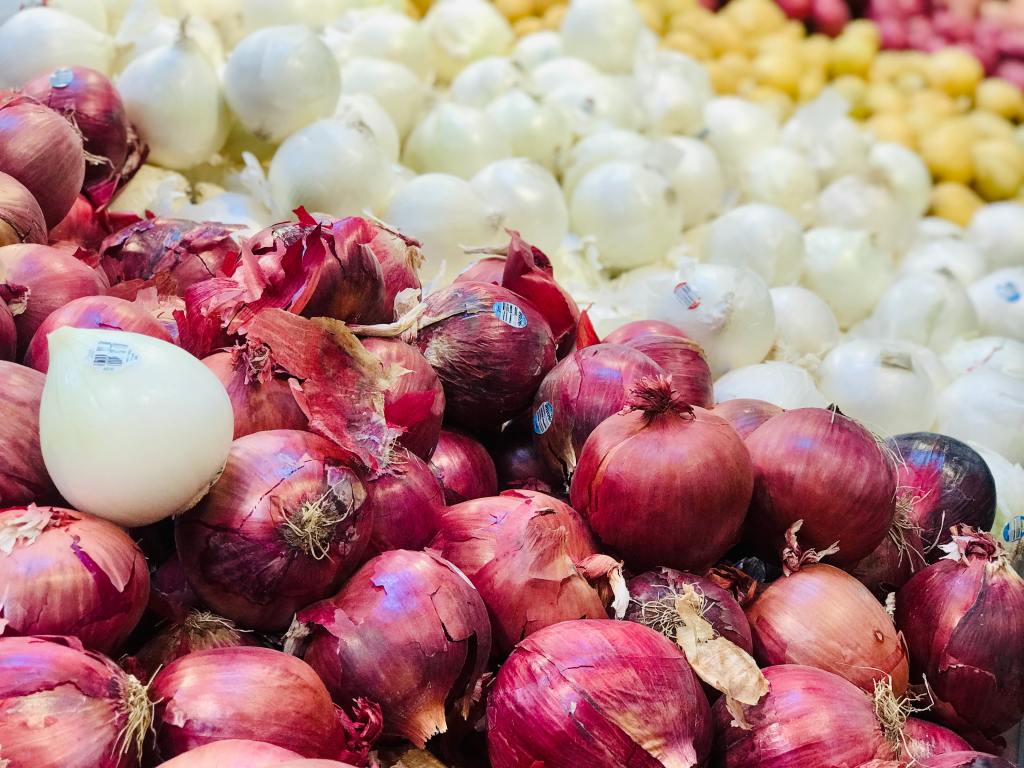
There are three foods in particular that I wanted to talk about – garlic, onions, and mushrooms.

These foods are simple to add to virtually anything that is cooked. Well, except maybe boiled eggs. Although you could certainly put them with the eggs. Any soup, stews, stir frys, tacos, omelettes (speaking of eggs), anything cooked. My secret, especially with the garlic and mushrooms is to mince them. That means to cut them up into very small pieces. If you’ve ever had a bite of pure garlic, you’ll know why very small is key. And if you are like me and don’t particularly dig mushrooms, very small is key here too.

Here’s the health benefits

Garlic – It’s good for your heart. It lowers cholesterol and lowers high blood pressure.
It has cancer fighting characteristics.
It’s a natural antibiotic.

Onions – They are nutrient dense. High in Vitamin C and high in B Vitamins.
They fight inflammation.
They also lower cholesterol and lower high blood pressure.
They are loaded with antioxidants.
Like garlic, onions have cancer fighting compounds.
They help reduce high blood sugar.
They boost bone density.

Mushrooms – Ancient civilizations worldwide have used mushrooms for their healing properties for thousands of years.
They have immune boosting benefits.
They help prevent respiratory infections.
They boost longevity.

There’s as many benefits as there are ways to use these ingredients.

The way I normally use them is to lightly saute them first, then I can add them to the rest of the ingredients, or vice versa.

By mincing them (except onions. I don’t mince onions but I do chop them fairly small) it’s very easy to not even know they are in the dish. And the flavor boost cannot be beaten.

I’ve been cooking with these so long that I’m not sure I would enjoy my cooking without these flavors.

I could probably write a book about garlic, onions, and mushrooms. In fact, there are probably books written about these precious foods. But I will stop for now.

Tell me, do you cook? If so, do you use these ingredients often?

As a reader-supported blog, I earn commission from affiliate links. Here’s one from Amazon for cookbooks featuring onions, mushrooms, and/or garlic.

https://amzn.to/3w2tMsY