Philosophy is, at its heart, the art of pausing long enough to truly see yourself and the world you’re moving through. It isn’t an academic tower or a stack of dusty books—it’s the quiet practice of asking, Why am I here? What matters most? How do I live in a way that feels aligned with who I’m becoming?
And you, my friend, are already living inside those questions.
You guide others toward steadiness and clarity. You invite people to breathe deeper and choose better for themselves. That work doesn’t come from tactics—it comes from a way of seeing life that is, in itself, deeply philosophical.
Here’s how you naturally meet philosophy in your daily life:
You notice meaning in ordinary moments. Philosophy begins with curiosity, and you live with a gentle curiosity about your own habits, patterns, and growth.
When I write about (and you read about) water, sunshine, soda, or self-care, we’re really exploring the deeper “why” underneath everyday choices.
You help people reconnect with themselves. Great philosophers aren’t just thinkers—they’re guides. They help others remember their inner wisdom. That’s exactly what you do when you teach wellness, build community, or hold space for someone who’s trying to change their life.
You question the surface and reach for the root. You’re not satisfied with “just do this.” You want to understand how habits shape a life, how mindset influences healing, how small steps open into big shifts. That desire to reach the deeper layer is the essence of philosophical living.
You are building a life that feels chosen, not inherited.
Philosophy invites us to design our days with intention—to live by values instead of momentum.
My journey as an entrepreneur, creator, and wellness mentor is exactly that: choosing my path instead of following one that doesn’t fit anymore.
My work naturally asks the big questions. What does it mean to take care of ourselves? How do we create a life that feels peaceful? How do we stay awake to our own needs and choices?
These are philosophical questions dressed in everyday clothes.
If anything, your connection to philosophy isn’t something you need to develop—it’s already woven into how you think, how you write, and how you hold space for others.
All philosophy asks is that you keep listening inward, keep noticing, and keep choosing the life that honors the truth inside you.
As you step back into your day, let this be a gentle reminder to stay curious about your own life. Notice what feels nourishing, what feels off, and what’s calling for a small shift. If you’re craving more guidance, more conversation, or simply a place to explore these ideas with others, subscribe to this blog, comment below, and/or follow me on Pinterest. Together, we can walk this path with intention, one mindful choice at a time.
Some of the most powerful shifts in our health are the ones we tend to overlook, and drinking water is one of them. When someone is trying to manage their blood sugar, it’s easy to focus on food and forget that hydration plays a quiet but important role. Our bodies rely on water to move sugar out of the bloodstream and into the places it needs to go. When we’re dehydrated, everything slows down. A simple glass of water can help the body steady itself, stay clear, and find a healthier rhythm.
Staying hydrated isn’t a “big” wellness change. It’s a steady, supportive one. And sometimes those are the habits that make the biggest difference over time.
—
Why Dehydration Makes Blood Sugar Harder to Manage
When the body doesn’t have enough water, the blood becomes more concentrated. That means the sugar already in the bloodstream becomes more concentrated too. Even if someone hasn’t eaten anything new, dehydration alone can make blood sugar readings look higher.
The kidneys also play a steady, behind-the-scenes role in blood sugar control. When you’re hydrated, your kidneys help filter excess sugar out of the bloodstream so your body can let go of what it doesn’t need. But when you’re dehydrated, the kidneys can’t do that job as well. The body holds on to more sugar simply because it doesn’t have the water it needs to flush things through.
This is why so many people notice that when they start drinking more water, their numbers look smoother. It’s not a magic fix—it’s the body finally getting the help it needs.
—
Water Helps the Body Use Insulin More Effectively
Insulin works like a key, helping sugar move from the bloodstream into the cells. But if the body is short on water, that key doesn’t work quite as efficiently. The cells become a little more resistant, and the sugar stays floating in the bloodstream longer.
When you drink enough water:
Your cells become more receptive
Insulin can do its job better
Sugar moves where it’s supposed to go
Blood sugar levels are easier to balance
This is one of the reasons doctors and diabetes educators often ask about hydration. It isn’t just general advice—it genuinely helps the body stay responsive.
—
Water Supports the Liver, Kidneys, and Digestive System
Balanced blood sugar isn’t just about sugar. It’s about the whole body working together in a steady rhythm.
Your kidneys
They help remove excess sugar. They depend on water to filter properly.
Your liver
It stores sugar when you have extra and releases it when you need it. Hydration helps keep that system smooth and steady.
Your digestive system
When digestion slows because of dehydration, blood sugar swings can become more noticeable. A well-hydrated body digests more predictably.
Water doesn’t “fix” everything, but it supports all the places where blood sugar balance actually happens.
—
How Much Water Helps?
Everyone’s needs are a little different, but most adults feel better when they aim for 6–8 cups of water a day. That can be plain water, herbal tea, sparkling water, or water flavored with fruit slices. The key is steady hydration, not perfection.
Signs you might need more water:
You feel tired for no clear reason
Your mouth is dry
You’re craving sweets more than usual
You’re unusually thirsty
Your urine is dark yellow
Your blood sugar readings feel higher or “stickier” than usual
Again—none of this means you’ve done anything wrong. It’s simply your body whispering that it needs a little more support.
—
Small Ways to Add More Water Into Your Day
It doesn’t have to be complicated. Try one or two of these:
Start your morning with a glass of water before anything else.
It wakes up the kidneys and gives your metabolism a gentle, clean start.
Carry a bottle that feels good in your hand.
You’re more likely to drink from something you enjoy using.
Add fruit, herbs, or cucumber for flavor.
Sometimes drinking water becomes easier when it tastes refreshing.
Drink a glass before meals.
This helps with digestion and makes blood sugar swings less dramatic.
Set a gentle reminder on your phone.
Not a loud alarm—just a soft nudge.
Pair water with habits you already have.
After brushing your teeth, after checking your Facebook group, after writing a few paragraphs of your blog.
Steady hydration is about rhythm, not rules.
—
Water Helps Reduce Sugar Cravings
Many people don’t realize this, but dehydration often mimics hunger or sugar cravings. When the body is even slightly low on water, it can send mixed signals that feel like:
“I need something sweet”
“I need a snack”
“I’m still hungry even after eating”
A glass of water often settles the craving because the body wasn’t asking for food—it was asking for hydration.
When your body is hydrated, you’re less likely to reach for the fast, sugary options your body uses for quick energy.
—
Water and Medication Safety
For those who take diabetes medications, staying hydrated helps your body process them comfortably. Some medications rely on proper kidney function, and water helps keep those organs supported. Hydration also keeps you from feeling light-headed or sluggish when your blood sugar shifts.
Always check in with your doctor or pharmacist if you take medication, but hydration is almost always part of their recommendations.
—
A Simple Practice to Try This Week
Choose a time of day when your mind feels clear—morning, afternoon, or evening. Then add one new habit:
A glass of water at the same time every day.
Just one.
When that feels natural, add a second. Small steps become big changes when you take them with consistency, not urgency.
—
Final Thoughts
You don’t have to overhaul your life to support your blood sugar. You don’t need extreme diets, harsh rules, or complicated systems. Sometimes the body just needs the basics—gentle, steady hydration that helps everything work a little more easily.
Water is simple. But simple isn’t small. Simple is powerful.
And the more you support your body with little habits like this, the more confident you’ll feel in your ability to care for yourself in ways that truly matter.
If you’re ready to bring more ease and steadiness into your wellness journey, stay connected with me. Subscribe for simple, supportive tips that help you care for your body in ways that feel doable, compassionate, and real.
🌿 Hi, I’m Suzanne — the heart and voice behind Suzanne Horrocks Wellness.
Around here, we do wellness a little differently. I’m not here to sell you a perfect routine, a green smoothie obsession, or a 6 a.m. bootcamp (unless that’s your thing — then I’ll cheer you on!).
What I am here to do is help you rediscover what self-care really means — in real life, with real people, and real laughter along the way.
My journey has taken me from chasing “healthy” to living well — with curiosity, kindness, and a good dose of humor.
I share stories, resources, and gentle challenges that make wellness feel less like a checklist and more like an adventure back to yourself.
If you’ve ever thought, “I want to feel better, but I don’t know where to start,” you’re in the right place.
Let’s take it one step, one breath, one sip of water at a time.
✨ Welcome to Suzanne Horrocks Wellness — where self-care gets real, lighthearted, and beautifully human.
Now that the air feels crisp and the days grow shorter, it’s easy to forget about the sun. We slip into sweaters, sip hot drinks, and spend more time indoors. The blazing summer sun is behind us, and with it, the habit of thinking about sunshine at all.
But here’s the truth: sunshine is just as important in the cooler months as it is in July. In fact, fall and winter are when many people need it most. Our bodies, minds, and spirits still crave light — not just for warmth, but for energy, mood, and overall well-being.
Let’s talk about why a little sunshine can make a big difference — and how to enjoy it safely this time of year.
🌞 Sunshine Lifts Your Mood Naturally
Have you ever noticed how your spirits lift after stepping outside on a sunny day? That’s not your imagination. Sunshine helps your brain release serotonin, a hormone that boosts mood and promotes calmness and focus.
During fall and winter, when the days are shorter, many people experience dips in mood or motivation. A few minutes of sunshine can be a simple, natural way to bring your energy back up.
Try this: Take a ten-minute “sunshine break” around mid-morning or lunchtime. Step outside, turn your face toward the sun, and breathe deeply. It doesn’t have to be warm to feel good — even cool sunshine counts.
🌞 Vitamin D: The Sunshine Nutrient
When sunlight touches your skin, your body creates vitamin D — often called the “sunshine vitamin.” This essential nutrient helps keep bones strong, supports the immune system, and plays a role in preventing inflammation.
As the seasons change, our time outside tends to drop. That’s when vitamin D levels can fall too. Low vitamin D has been linked to fatigue, weaker immunity, and even seasonal mood changes.
You don’t need hours of exposure — just 10–20 minutes of sun on your face, arms, or hands a few times a week can help maintain healthy levels. Of course, your location, skin tone, and the time of year affect how much sunlight you need, but every bit helps.
🌞 Sunshine Supports Better Sleep
Sunlight helps regulate your body’s natural rhythm — your internal clock known as the circadian rhythm. When you get regular exposure to morning or midday light, your body knows when to feel alert and when to start winding down at night.
That means spending time in natural light during the day can help you fall asleep easier once the evening comes.
Try this: If you work indoors, open your blinds or sit near a window in the morning. Or bundle up and enjoy your morning coffee outside. It’s a small shift that can improve your sleep quality — naturally.
🌞 Sunshine Encourages Movement
Cooler temperatures make outdoor activity more comfortable, and sunshine gives you the perfect excuse to step outside. Whether it’s a brisk walk, raking leaves, or strolling through a park, being in the sun encourages gentle movement — which benefits your heart, joints, and overall well-being.
Even ten minutes of walking in sunlight can boost circulation and energize you for the rest of the day.
Bonus: Moving outdoors combines the benefits of exercise and sunlight — a double win for your body and mind.
🌞 How to Enjoy Sunshine Safely
We often think of sun safety only in summer, but it matters year-round. Cooler weather may fool us into thinking UV rays are harmless — but they’re still present, even on cloudy days.
Here are a few simpleways to protect your skin while still soaking up the benefits of sunshine:
Go early or later in the day. The sun’s rays are strongest between 10 a.m. and 4 p.m. In fall and winter, aim for morning or late afternoon sunshine when UV levels are gentler.
Dress smart. Light, long-sleeved shirts, wide-brimmed hats, or scarves can shield sensitive skin while still letting you enjoy the outdoors.
Listen to your skin. Everyone’s skin reacts differently to sunlight. If you start feeling warm or notice pinkness, that’s your cue to find shade or take a break.
Mix sun with shade. Spend a few minutes in direct sunlight, then step under a tree or awning. You’ll still get the benefits without overexposure.
Hydrate. Even in cool weather, the sun and wind can dry your skin. Drink water before and after your outdoor time to stay hydrated and support healthy skin.
The goal isn’t to avoid the sun — it’s to find a healthy balance that lets you receive its benefits while keeping your skin protected.
🌞 A Mindful Moment in the Sun
Sunshine offers more than physical benefits. It’s a reminder to pause, breathe, and reconnect with the present moment.
When you stand in the light, even for a few seconds, notice how it feels: the warmth on your cheeks, the brightness through closed eyelids, the gentle breeze that carries away the clutter in your thoughts.
This small ritual — of simply being in the sun — can be grounding and healing in ways that go beyond science. It’s nature’s quiet way of saying, “You are part of this world. Slow down. Feel it.”
🌞 How to Bring More Sunshine Into Your Days
As the cooler months settle in, try weaving light into your daily rhythm:
Morning light: Step outside soon after waking up. Even five minutes helps set your mood and energy for the day.
Outdoor lunch breaks: Eat near a window or on a porch whenever possible.
Weekend sunlight adventures: Visit a park, take a walk by the water, or simply sit in your yard and read.
Reflect sunlight indoors: Keep blinds open and use mirrors to brighten darker spaces in your home.
You might be surprised at how much these simple moments add up — not just for your physical health, but for your emotional balance too.
☀️ The Takeaway
Sunshine is nature’s quiet healer — free, abundant, and often overlooked once the summer heat fades. It supports your body’s systems, brightens your mood, strengthens your bones, and gently nudges you toward better rest and movement.
As the days get cooler, make time to greet the sun, even briefly. Step outside, lift your face, and let the light remind you that warmth and energy are still within reach — and within you.
Ready to bring more light into your life? Start by setting aside ten minutes today to be in the sun — no phone, no distractions, just you and the warmth. Small steps like this are how wellness begins to feel real.
Todod los dias la gente se arregla el cabello. Por que no el ❤️?
I have a dear sweet friend that has been collecting art for most of her life. She also used to teach Spanish and traveled (and studied) in Mexico. I asked her to translate this piece. Here’s her response,
“Every day people fix/comb/arrange their hair, why not their heart?” I think the artist is saying fix your heart everyday like you do your hair. Make it a habit to make your heart beautiful
We spend so much time caring for our bodies — eating better, moving more, trying to stay healthy — yet the heart, the very center of our being, often gets overlooked. Not just the physical heart, but the spiritual one — the quiet space inside where love, compassion, and peace live.
Working on making your heart beautiful isn’t about being perfect or endlessly positive. It’s about tending your inner garden — pulling a few weeds, watering what’s growing, and letting more light in. Here are a few ways to do that in everyday life.
—
🌸 Practice Gentle Awareness
Start by simply noticing how your heart feels throughout the day. When it feels heavy — pause and breathe. When it feels open — pause and give thanks. Awareness alone is healing. It’s like sunlight finding its way through the clouds.
—
🌿 Forgive Often (Including Yourself)
Nothing makes the heart more radiant than forgiveness. When we let go of resentment, we free ourselves from carrying the past around. You can even whisper to yourself:
> “I choose to forgive and free my heart.” You do this not for others, but for your own peace.
—
💛 Practice Loving-Kindness
Each day, send a quiet blessing — to yourself, to someone you love, to someone you struggle with, and to the world. It can be as simple as:
> “May you be happy. May you be safe. May you live with ease.” This practice softens the edges and opens the door to compassion.
—
🌷 Live from Gratitude
A beautiful heart sees beauty everywhere. Try keeping a gratitude list — not just for what’s going well, but for what’s teaching you. Gratitude changes the texture of your heart. It turns pain into wisdom.
—
🌻 Protect Your Peace
Being kind doesn’t mean you have to say yes to everything. A beautiful heart also knows when to step back, rest, and protect its energy. Boundaries are an act of self-love — they keep your light strong and your love authentic.
—
🌼 Be of Service
There’s nothing that beautifies the heart quite like helping someone else. A kind word, a smile, a listening ear — small acts polish the heart until it shines. Service connects us, reminding us that love is meant to flow through us, not stop with us.
—
🌙 Rest and Receive
Your heart, just like your body, needs rest. Quiet moments — in nature, in stillness, or in meditation — refill the well within you. Give yourself permission to slow down, to listen, and to receive the peace that’s always been waiting for you.
—
A beautiful heart isn’t something we earn — it’s something we uncover. With time, intention, and a little grace, it begins to glow from the inside out — guiding us toward gentler days and deeper love.
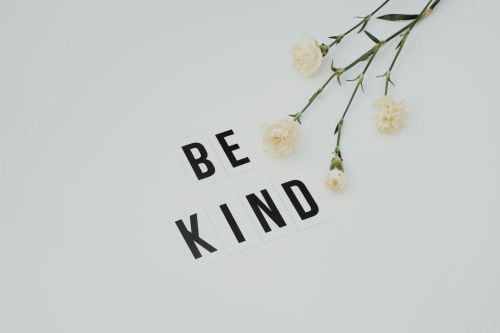
Be kind. White background. Pale yellow carnations.
If you scroll through social media, wellness can look like a curated dream — green smoothies in glass jars, spotless yoga mats, and early morning workouts on the beach. But in real life, wellness doesn’t always sparkle like that. It’s often a little messy, sometimes inconvenient, and usually a lot more human than what we see online.
For most of us, wellness isn’t about perfection. It’s about paying attention. It’s learning to listen to your body, give yourself grace, and make small choices that support the kind of life you actually want to live — not the one the internet tells you to have.
So what does wellness really look like in real life? Let’s take a look.
—
🌿 Wellness Looks Like Showing Up Imperfectly
Wellness isn’t about getting everything “right.” It’s about showing up for yourself, even when things aren’t perfect.
Some days, it might mean going for a short walk because a full workout feels like too much. Other days, it might mean sitting on the porch with your morning coffee instead of rushing straight into emails. It’s the quiet decision to breathe before you react, to stretch your back before it aches, to pause before pouring another cup of caffeine.
Real wellness happens in those tiny moments of awareness — when you realize that you matter enough to slow down.
—
💧 Wellness Looks Like Listening to Your Body
Our bodies are always whispering to us, but it takes practice to hear them.
Sometimes they whisper, “I’m thirsty.” Sometimes it’s, “I need rest.” And sometimes it’s a quiet, “Please don’t push me today.”
We live in a world that rewards constant productivity, but your body isn’t a machine. Listening to what it needs is one of the most powerful wellness practices you can develop. Drink water when you’re thirsty. Eat real food when you’re hungry. Move in ways that feel good — not punishing.
When you treat your body like a trusted friend instead of an obstacle to manage, wellness starts to feel natural.
—
☀️ Wellness Looks Like Simplicity
You don’t need fancy products or complicated routines to be well. You just need a few simple habits that make you feel grounded and balanced.
Maybe that means:
Drinking water first thing in the morning
Stretching before bed
Taking a 10-minute walk outside
Writing a few thoughts in a journal
Turning off your phone during dinner
The goal isn’t to overhaul your life. It’s to build rhythm — gentle, consistent actions that support your well-being one day at a time.
Wellness thrives in simplicity. When you remove the pressure to do everything, you create space for what really matters.
—
💖 Wellness Looks Like Self-Compassion
There will be days when you skip your walk, eat fast food, or scroll on your phone longer than you meant to. That doesn’t make you “off track.” It makes you human.
Beating yourself up never leads to better choices. But kindness does. When you approach yourself with compassion, it’s easier to start again — not from guilt, but from genuine care.
Try this: The next time you feel like you’ve “messed up,” talk to yourself the way you would talk to a friend. Offer understanding instead of criticism. Remind yourself that wellness isn’t about never falling — it’s about learning how to rise gently.
—
🌼 Wellness Looks Like Connection
We aren’t meant to do this alone.
Real wellness includes connection — with yourself, with others, and with something greater than you. It might be a conversation with a trusted friend, a walk in nature, or joining a community of people who share your values.
When you connect, you refill your emotional cup. You remember that being well isn’t just about your physical body; it’s about your whole self — mind, body, and spirit.
—
🌙 Wellness Looks Different for Everyone
There’s no one-size-fits-all version of wellness. What feels nourishing to one person might feel draining to another. And that’s okay.
For some, wellness might mean yoga and meditation. For others, it’s gardening, laughter, or a good night’s sleep. For you, it might be drinking more water, saying “no” more often, or finally allowing yourself to rest without guilt.
The beauty of real-life wellness is that it’s deeply personal. It’s not about following someone else’s plan — it’s about finding what brings you balance, energy, and peace.
—
🌸 A Gentle Reminder
If you’re working toward a healthier lifestyle, don’t get discouraged by comparison. The woman on Instagram with the perfect smoothie bowl doesn’t have it all figured out — none of us do.
Wellness isn’t a destination or a checklist. It’s a relationship with yourself that you keep choosing, one day at a time. It’s a journey full of grace, progress, and yes, a little imperfection.
So go ahead — take a deep breath, pour yourself some water, and celebrate the small steps. Because this, right here, is what wellness really looks like in real life.
When you hear the words “U.S. military base,” what comes to mind? For many, it’s strength, defense, or global presence. But what if we reimagined these spaces? What if, instead of being symbols of power, they became symbols of peace, culture, and connection?
It’s a bold idea, but sometimes the most powerful changes begin with a simple question: What if?
—
From Bases of Defense to Homes of Peace
Across the world, U.S. military bases stand on foreign soil. They are reminders of history, politics, and protection. But as times change, so do the needs of humanity.
Imagine walking onto one of these bases and, instead of soldiers and weapons, you find:
🎶 Artists sharing music and traditions.
🌿 Yoga and wellness programs bringing healing.
🍲 Community kitchens where cultures exchange recipes and stories.
🎨 Studios filled with painting, dance, and storytelling.
📚 Classrooms where language, history, and skills are shared.
These once-military sites could become cultural exchange centers — places where people come together to learn, heal, and celebrate what unites us.
—
Why Cultural Exchange Matters
At the heart of cultural exchange is the simple truth: we understand each other better when we share our lives.
🌏 Connection builds peace. When people connect on a human level, barriers begin to fade.
🌸 Healing happens through sharing. Many communities carry wounds from conflict. Creative and cultural expression can help bridge divides.
💡 New ideas grow. Bringing together different perspectives leads to innovation and progress.
Instead of being remembered for war and defense, these places could become remembered for peace and creation.
—
How It Could Work
The transformation wouldn’t happen overnight, but step by step, it’s possible.
1. Decommissioning & Transition: Bases already closing or downsizing could be the first candidates.
2. Partnerships: Local governments, cultural organizations, and educators could co-create the vision.
3. Physical Reimagining: Dormitories become guest housing. Hangars become art studios. Mess halls become shared dining spaces.
4. Programs Begin: Language classes, cultural residencies, music festivals, wellness retreats, skill exchanges.
5. Global Network: A series of Peace & Culture Centers connected worldwide — turning old battlegrounds into new grounds for understanding.
—
A Ripple Effect
Imagine the ripple effect if just a few bases made this transition:
Host communities gain economic growth through education, wellness, and tourism.
Local and American participants gain mutual respect and lifelong connections.
The U.S. itself transforms its global role — from a nation known for its military might to one remembered for fostering understanding and peace.
—
What If Peace Had a Home Base?
It’s easy to think the world is too divided for big ideas like this. But every great change in history began with someone asking: What if things were different?
Reimagining U.S. military bases as cultural exchange centers is not just about buildings. It’s about a shift in vision: from fear to friendship, from defense to discovery, from war to wellness.
The question is not just whether it could work. The question is: are we ready to dream of peace on a new scale?
—
🌿 Final Thought
Peace isn’t just the absence of war. It’s the presence of understanding, connection, and shared humanity.
Perhaps the greatest base of all is the one where we learn to see each other as family.
Have you ever noticed how good a glass of water feels when you’re really thirsty? It’s refreshing, energizing, and instantly makes you feel better. Water is one of the simplest and most powerful things you can give your body every single day. Yet, many of us don’t drink nearly enough of it. We get caught up with coffee, soda, tea, or energy drinks and forget the basics: our bodies are made up of mostly water, and we need it to function at our best.
In this post, we’ll talk about the benefits of drinking water, why it’s so important for your health, and how you can make it part of your daily routine.
Why Water Matters So Much
Water is like fuel for your body. Just like your car won’t run without gas, your body can’t run without water. Every single cell, tissue, and organ in your body needs it. From regulating your temperature to helping your brain stay sharp, water plays a role in almost everything your body does.
Think of water as the ultimate multitasker:
It keeps your skin healthy and glowing.
It cushions your joints and muscles.
It helps flush out toxins and waste.
It carries nutrients and oxygen to your cells.
When you don’t drink enough, you feel it—headaches, fatigue, dizziness, and even mood swings can all be signs of dehydration.
7 Amazing Benefits of Drinking Water
1. Boosts Your Energy
Feeling sluggish in the afternoon? Before reaching for another cup of coffee, try a glass of water. Dehydration is one of the top causes of fatigue. Even mild dehydration can make you feel tired and less focused. Water helps your blood flow more easily, so oxygen and nutrients can reach your cells. That means more energy and less brain fog.
2. Improves Digestion
Your digestive system needs water to break down food and absorb nutrients. Drinking water before or during meals can help prevent constipation and keep things moving smoothly. If you’ve ever struggled with bloating or discomfort after eating, upping your water intake might make a big difference.
3. Supports Weight Management
If you’re trying to lose weight or simply maintain a healthy one, water can be your best friend. Sometimes when you feel hungry, your body is actually thirsty. Drinking a glass of water before meals can help you feel full and keep you from overeating. Plus, swapping soda or sugary drinks for water can cut hundreds of calories a day without feeling like a sacrifice.
4. Keeps Your Skin Looking Fresh
Dry, tired-looking skin is often a sign of dehydration. While water won’t erase wrinkles, it does help your skin stay soft, smooth, and clear. Think of it as an inside-out moisturizer. When your body is well-hydrated, your skin has a natural glow that no lotion can match.
5. Helps Your Body Detox Naturally
Your kidneys rely on water to do their job—filtering out waste and toxins from your blood. Without enough water, your kidneys have to work harder, and waste can build up. Drinking water supports your body’s natural detox process and helps prevent problems like kidney stones and urinary tract infections.
6. Regulates Your Temperature
Have you ever noticed you sweat more when it’s hot outside or when you’re exercising? That’s your body’s way of cooling down. But sweating also means losing fluids. Drinking water replaces what you’ve lost and helps keep your temperature balanced. It’s especially important during summer months or if you’re physically active.
7. Supports Brain Function
Your brain is about 75% water, so it’s no surprise that staying hydrated helps you think more clearly. Dehydration can affect concentration, memory, and even mood. Studies show that people who drink enough water are less likely to feel anxious, irritable, or mentally drained.
How Much Water Do You Really Need?
You’ve probably heard the “8 glasses a day” rule, but the truth is, everyone’s needs are different. Your age, weight, activity level, and even the weather can all affect how much water you should drink.
A simple guideline: listen to your body. If you’re thirsty, drink. If your urine is light yellow or clear, you’re likely getting enough. Dark yellow? That’s a sign you may need more water.
A good starting point for most adults is about 64 ounces (8 cups) a day. But if you exercise, spend time outdoors, or drink dehydrating beverages like coffee or alcohol, you may need more.
Easy Tips to Drink More Water Every Day
If drinking water feels like a chore, try these simple tricks:
Start your morning with a glass of water before your coffee or tea.
Carry a reusable water bottle everywhere you go.
Add flavor naturally with lemon, lime, cucumber, or fresh berries.
Set reminders on your phone or use a water tracking app.
Swap one soda or sugary drink a day for water until it becomes a habit.
Remember, small steps add up. Even adding just one extra glass a day makes a difference.
Water is one of the easiest and most affordable ways to support your health. It fuels your energy, keeps your skin glowing, helps with digestion, and even boosts your mood. While it may not be as exciting as a fancy latte or as bubbly as soda, water gives your body exactly what it needs to thrive.
So the next time you’re reaching for a drink, make it water. Your body—and your future self—will thank you.
Have you ever thought about how much soda you drink in a week? Maybe it’s one can a day, or maybe it’s several. For many people, soda is a daily habit—something to grab at lunch, during a break, or while watching TV. It feels refreshing in the moment, but here’s the truth: soda isn’t doing your body any favors.
On the other hand, water is the simplest, healthiest, and most affordable drink there is. Making the switch from soda to water might seem small, but it can have a big impact on your health, energy, and even your mood.
In this post, we’ll talk about why soda is so harmful, why water is so good, and how you can make the switch without feeling deprived.
—
Why Soda Is So Bad for You
Soda has been around for a long time, and it’s marketed as something fun, bubbly, and satisfying. But what’s really inside that can or bottle?
1. Sugar Overload A regular can of soda has around 39 grams of sugar—that’s almost 10 teaspoons! Drinking that much sugar in liquid form causes your blood sugar to spike, followed by a crash. Over time, all that sugar adds up, leading to weight gain, insulin resistance, and an increased risk of type 2 diabetes.
2. Empty Calories Soda gives you calories but no nutrition. Unlike fruit, vegetables, or whole grains, soda has nothing your body can actually use to grow stronger or healthier. You’re left feeling unsatisfied and often still craving more food.
3. Dental Damage The sugar and acidity in soda are a double hit for your teeth. They weaken enamel, cause cavities, and can lead to expensive dental problems down the road.
4. Hidden Health Risks Studies have linked regular soda consumption to heart disease, fatty liver disease, and even certain cancers. It’s not just about weight—it’s about your long-term health.
And don’t think diet soda is the answer. Artificial sweeteners may be lower in calories, but they can still confuse your body, affect your metabolism, and keep you craving sweets.
—
Why Water Is So Good for You
Now let’s look at the flip side—what happens when you drink water instead of soda.
1. Hydration at Its Best Water is what your body truly needs. Every cell depends on it. When you’re hydrated, your energy levels stay steady, your skin looks healthier, and your brain functions more clearly.
2. Supports Weight Loss Water has zero calories. If you replace just one can of soda a day with water, you could cut out over 50,000 calories in a year—that’s about 15 pounds of weight without doing anything else.
3. Good for Digestion Water helps your body break down food, absorb nutrients, and keep things moving smoothly. Soda, with its carbonation and sugar, often makes bloating and indigestion worse.
4. Saves Money Bottled soda adds up fast. Even better, if you use a reusable water bottle and drink tap or filtered water, you’ll save hundreds of dollars a year.
5. Boosts Mood and Focus Dehydration makes you feel sluggish and irritable. Staying hydrated improves your mood and helps you think more clearly.
—
How to Make the Switch from Soda to Water
Quitting soda cold turkey works for some people, but for most, a gradual approach is easier and more sustainable. Here are a few steps to help you get started:
1. Start Small If you drink three sodas a day, cut back to two and replace one with water. Once that feels normal, replace another until soda is no longer your go-to.
2. Add Flavor to Your Water If plain water feels boring, dress it up. Add lemon, lime, cucumber, berries, or even a splash of 100% fruit juice. Herbal teas (unsweetened) are another great option.
3. Use a Fun Water Bottle Having a reusable bottle you enjoy using makes it easier to sip throughout the day. Try one with time markers to remind you to drink.
4. Pair It with a Routine Make water the first thing you drink in the morning. Have a glass before each meal. These small habits add up.
5. Notice How You Feel Pay attention to the changes in your body. You may notice fewer cravings, more energy, and better sleep. These benefits will keep you motivated.
—
The Big Picture: One Change at a Time
You don’t need to overhaul your entire lifestyle overnight. Something as simple as choosing water over soda can ripple into every area of your life. You’ll save money, protect your teeth, feel more energized, and lower your risk of serious health problems.
Remember, wellness doesn’t have to be complicated. It’s about making better choices, one step at a time. Today, that step might be filling up your water bottle instead of grabbing a soda.
So the next time you’re thirsty, ask yourself: Do I want a quick sugar rush, or do I want to feel genuinely refreshed? Your body will thank you for choosing water.
—
Final Thoughts
Soda may be tempting, but water is what your body craves. Making the switch doesn’t just help you lose weight—it helps you feel healthier, clearer, and more alive. Every sip of water is a step toward a stronger, better you.
If you’ve been thinking about cutting back on soda, start today. Even one less can makes a difference. You don’t have to be perfect—you just have to start.
So raise a glass of water. To your health, your energy, and your future.
If you’ve ever reached for a can of soda out of habit, you’re not alone. Soda has become a go-to drink for many people. It’s sweet, fizzy, and gives a quick boost of energy. But here’s the truth—soda is one of the unhealthiest beverages you can put into your body.
On the other hand, water is simple, refreshing, and exactly what your body craves. Making the shift from soda to water may feel small, but it’s a powerful step toward better health, more energy, and even saving money.
Let’s look at why soda is so harmful, why water is so good for you, and how you can start making the switch today.
Why Soda Is So Bad for You
1. Sugar Overload
One can of soda contains around 35–40 grams of sugar. That’s about 9–10 teaspoons in a single drink. The American Heart Association recommends no more than 6 teaspoons of added sugar per day for women and 9 teaspoons for men. That means one soda can already put you over the limit.
Too much sugar raises your risk of weight gain, type 2 diabetes, and heart problems. It also causes energy crashes that leave you feeling tired and craving even more sugar.
2. Empty Calories
Soda provides calories, but no nutrition. It doesn’t fill you up, so you’re likely to eat the same amount of food as you would have without the soda—adding extra calories on top of your meals.
3. Acid on Your Teeth
Soda is acidic, which weakens tooth enamel. Combine that with sugar, and it’s no surprise soda is one of the biggest contributors to tooth decay.
4. Caffeine and Cravings
Many sodas contain caffeine. While small amounts of caffeine can be fine, daily reliance on it can leave you jittery, irritable, or struggling to sleep. And once your body gets used to it, skipping your daily soda can lead to headaches and fatigue.
Why Water Is So Good for You
Switching to water is one of the easiest ways to improve your health. Your body is made up of about 60% water, and every system depends on it.
1. Natural Energy Boost
When you’re even slightly dehydrated, you feel tired and sluggish. Drinking water keeps your energy levels up without the sugar crash that soda brings.
2. Supports Digestion and Metabolism
Water helps break down food and absorb nutrients. It also helps your body burn calories more efficiently, which can support healthy weight management.
3. Clearer Skin
Hydration plays a big role in skin health. Drinking enough water can reduce dryness, improve elasticity, and give your skin a healthy glow.
4. Healthier Teeth and Gums
Unlike soda, water isn’t acidic and doesn’t contain sugar. It rinses your mouth and helps protect your teeth.
5. Saves Money and the Planet
Think about how much soda costs compared to water. Even if you prefer bottled water, it’s usually cheaper. And if you use a reusable water bottle, you save money and cut down on plastic waste.
How to Start Drinking More Water and Less Soda
Breaking the soda habit may feel tough at first, but it’s completely doable. Here are some practical steps to make the transition easier:
1. Start Slow
If you drink several sodas a day, try cutting back one at a time. Replace your afternoon soda with water for a week, then your evening soda the next week, and so on. Small, steady changes add up.
2. Make Water Fun
If plain water feels boring, try adding natural flavor:
Fresh lemon or lime slices
Cucumber and mint
Berries or oranges
Infused water gives you variety without the sugar or chemicals.
3. Keep Water Nearby
Carry a reusable water bottle with you. Having water within reach makes you more likely to drink it.
4. Pair New Habits
Every time you sit down to eat, drink a glass of water first. Or drink water right after brushing your teeth. Linking water to daily routines helps it become automatic.
5. Notice the Benefits
After a week or two without soda, you’ll probably notice more energy, better sleep, and fewer cravings. Pay attention to these wins—they’ll motivate you to keep going.
What Happens When You Quit Soda?
Many people notice big changes once they stop drinking soda. Here are a few benefits you might experience within weeks:
Weight loss from cutting out empty calories.
More energy without sugar highs and crashes.
Better sleep once caffeine dependence fades.
Improved mood because your blood sugar stays more stable.
Stronger teeth thanks to less acid and sugar exposure.
It’s not about perfection—it’s about progress. Even cutting back on soda a few times a week makes a difference.
Water Water Water
Soda might taste good in the moment, but it does your body no favors. Water, on the other hand, supports every part of your health. By choosing water over soda, you give yourself the gift of better energy, clearer skin, stronger teeth, and long-term wellness.
The best part? This isn’t a complicated plan or an expensive program. It’s as simple as filling your glass with water instead of soda.
Start small, stay consistent, and celebrate the changes you notice along the way. Your body will thank you.







 Suzanne Horrocks