Why I Stopped Drinking Soda

Cardboard cutout of a broken heart with a wooden tabletop background

It Was About More Than Just Soda

When people talk about quitting soda, they usually start with a health scare, a New Year’s resolution, or an attempt to cut calories.

My story starts somewhere very different.

It begins on January 20, 2012, the day my husband John died suddenly and unexpectedly. Life didn’t just change that day — it collapsed.

But this isn’t a story about grief making me quit soda.

It’s a story about grief forcing me to rebuild my life in a way a traditional approach to loss simply couldn’t support. And that rebuilding eventually led me to make choices — including giving up soda — that were rooted in clarity, education, and self-respect instead of survival mode.*

The usual Way of Grieving Didn’t Work for Me

After my husband died, I quickly learned that in our modern culture, grief has an expiration date.
You’re supposed to “return to normal,” even when normal no longer exists.

People tell you to stay busy.
Get back to work. (Three day bereavement leave? Seriously???)
Be strong.
Move on.
Take a pill.

None of that helped me.

I needed something that acknowledged the truth: grief isn’t a moment. It’s a changed life. And if I was going to survive in it, I needed real tools — emotional, physical, spiritual, and practical.

I knew I couldn’t keep going the way I was going.
I needed to learn how to care for myself again.

Enrolling in the institute of integrative nutrition (IIN) Was an Act of Self-Rescue

In 2017, five years after losing John, I enrolled in IIN, an online health coaching program.

I enrolled to become a health coach.
And because I needed help — real help — and I wasn’t finding it in the usual places.

I needed to understand my body.
My emotions.
My relationship with food.
My stress.
My habits.
My health.

I needed something that honored the complexity of what I had lived through.

IIN became that space for me.

And it was in that space that my relationship with soda began to shift.

What I Learned at IIN Changed How I Saw Soda Completely

Soda had been part of my daily life for years. It was comforting, familiar, predictable.

But through IIN, I learned things I had never heard before:

  • The connection between sugar and inflammation
  • How stress and grief can drive cravings
  • The idea that certain foods or drinks are “primary nutrition” for the nervous system — not because they nourish us, but because they numb us
  • How blood sugar spikes affect mood, energy, and overwhelm
  • The concept of crowding out — adding nourishing habits until the unhealthy ones naturally fade
  • The difference between eating to cope and eating to nourish

Once I understood all of this, soda stopped feeling harmless.

It started feeling misaligned with the woman I was becoming — someone who was finally making choices for herself instead of reacting to the fallout of trauma.

How I Actually Stopped Drinking Soda

I didn’t quit overnight.

There was no dramatic “last can” moment.

What happened was quieter, steadier, and more sustainable:

  • I started drinking more water and herbal teas.
  • I paid attention to what my body felt like after eating whole foods.
  • I noticed how exhausted I became after the sugar rush wore off.
  • I learned to listen to my cravings with curiosity instead of judgment.
  • I replaced the emotional comfort I used to get from soda with real nourishment — rest, hydration, connection, movement, and gentler self-talk. (I’m still working on the gentler self-talk.)

And then one day, without ceremony, I realized:

I hadn’t had soda in weeks. Then months.
Then years. I hadn’t bought any from the grocery store. There was none in the house anywhere AND I didn’t miss it.

The knowledge I gained at IIN didn’t make me force myself to quit.
It made me want to.

What Changed After I Quit

The changes weren’t dramatic, but they were meaningful:

  • More consistent energy
  • Better mood stability
  • Clearer thinking
  • Fewer cravings
  • Less reliance on external “comforts”
  • A deeper sense of alignment with who I was becoming

Stopping soda wasn’t the point.
It was one small part of a much larger journey toward healing, presence, and self-understanding.

The Truth: Soda Was Never Just Soda

For me, quitting soda was a symbol of something bigger:

I had stopped choosing things that soothed my pain and started choosing things that supported my life.

Grief cracked me open.
IIN helped me rebuild.
And giving up soda was one of the many changes that emerged from finally learning how to take care of myself in a healthier, more holistic way.

If You’re On Your Own Healing Path

You don’t have to start big.
You don’t have to overhaul everything.
You don’t have to wait for the perfect moment.

Sometimes transformation begins with a surprising choice — even something as ordinary as soda.

And sometimes the smallest shift is the first sign that you’re ready to reclaim your life.

Are you Ready to Make Your Own Shift?

If my story resonates with you — if you’re curious about changing your habits, strengthening your health, or simply learning what your cravings are trying to tell you — I’d love to support you.

I created a simple, easy-to-follow guide called Stop Drinking Soda. It’s designed to help you:

  • understand why soda is so hard to quit
  • uncover the emotional triggers behind cravings
  • learn practical, gentle steps to reduce (or eliminate) soda
  • add in habits that naturally crowd out the need for sugar
  • start feeling better in a real, sustainable way

It’s not about perfection.
It’s about one empowered choice at a time.

You can download the guide here and begin your own journey toward healthier habits — in the same compassionate, holistic way that supported mine.


Winter Wellness: A Gentle Return to Yourself

Winter Wellness

December invites us to slow down, breathe a little deeper, and gather ourselves in the softness of winter. While the world around us moves quickly—holiday lists, travel plans, extra commitments—our bodies whisper a different message: rest, restore, and nourish from the inside out.

This is the heart of winter wellness, and December is the perfect place to begin.


Winter carries a rhythm all its own. Shorter days and colder weather naturally draw us indoors, asking us to ground, reflect, and create more intentional space. Instead of fighting that rhythm, we can lean into it—with practices that strengthen our energy, support our mood, and help us stay well during the season.

At the center of winter wellness is one simple truth: your body thrives when you treat it with steady, mindful care. December becomes a real invitation to tune in and honor what you need.


1. Slow Down Without Stopping Your Self-Care

Many people go into December with good intentions: more rest, fewer commitments, healthier routines. But once the calendar fills, self-care fades into the background.

This month offers an opportunity to shift that pattern.

You don’t need elaborate routines or long checklists. Wellness in winter often looks like small, grounding habits you practice consistently:

  • Waking up a little earlier for quiet time before the day begins
  • Drinking a full glass of water before your morning coffee
  • Five minutes of gentle stretching or deep breathing
  • Choosing meals that warm and nourish you
  • Building small pockets of stillness into your busy days

These simple acts create steadiness—something the season often lacks.


2. Hydration Matters More Than You Think in Winter

Most people associate dehydration with summer heat, but winter dryness is just as powerful. Indoor heat, cold air, and holiday drinks all pull moisture out of your system.

Even slight dehydration can contribute to:

  • Low energy
  • Dry skin
  • Irritability
  • Brain fog
  • Cravings for sugary drinks
  • Headaches

Adding more water sounds simple, yet it’s one of the most transformative winter wellness habits you can commit to.

To make hydration effortless:

  • Keep a water bottle in your most-used spaces
  • Drink a glass of water before every meal
  • Swap one sugary drink each day for herbal tea or lemon water
  • Add electrolyte minerals if dry winter air leaves you feeling depleted

And if soda is part of your daily routine, December is a beautiful time to explore healthier swaps. Small shifts now bring big benefits by the new year.

If you’re wanting support, my Stop Drinking Soda Guide is available on my website and also on my Buy Me A Coffee page. It offers simple, practical steps to help you break the cycle and feel better in your body this winter.


3. Nourishing Foods to Support Winter Energy

December invites warm foods that comfort without weighing you down. Choose meals that help stabilize your energy and support your immune system through the coldest months:

  • Soups and stews with vegetables, beans, or lean protein
  • Roasted root vegetables
  • Herbal teas like ginger, peppermint, or chamomile
  • Oats, chia pudding, or warm grains for easy breakfasts
  • Foods rich in vitamin C (oranges, berries, peppers)
  • Broths and hydrating foods like cucumbers, citrus, or apples

Winter meals don’t have to be complicated—just steady, warm, and nourishing.


4. Move Your Body in Ways That Feel Good (Not Forced)

Movement in December doesn’t need to be demanding. Shorter days and colder temperatures naturally lower our energy. Instead of pushing against your body, work with your winter rhythm.

Try gentle, grounding movement like:

  • Yoga
  • Stretching
  • Walking indoors or outdoors
  • Light strength training
  • Chair yoga or mobility work

Even ten minutes of movement can shift your mood, warm your body, and help you feel more centered during busy weeks.


5. Create a Calm Mind Through Simple Rituals

December can overwhelm the mind as much as the body. A few grounding rituals can bring calm back into your days:

  • Lighting a candle before you start work
  • Journaling for 3–5 minutes each morning
  • Turning off screens an hour before bed
  • Practicing deep breathing when you feel rushed
  • Creating a simple “evening wind-down” routine

These practices pave the way for steady emotional wellness through the season.


6. Protect Your Energy and Set Seasonal Boundaries

Winter reminds us that even nature protects its energy. Trees pull inward. Animals burrow. The planet itself slows down.

You’re allowed to do the same.

This month, practice saying no to things that drain you and yes to what nourishes you:

  • Choose rest over obligation
  • Keep your mornings or evenings sacred
  • Limit overcommitment
  • Make space for quiet moments
  • Ask for help when needed

Your wellness deepens when you stop stretching yourself thin.


7. Use December as a “Soft Start” for the New Year

Many people wait until January 1 to think about their health, but starting in December actually creates a smoother, gentler transition.

Instead of resolutions, think of December as your soft opening.

Choose one or two small habits:

  • Drink more water
  • Reduce soda intake
  • Go on a daily walk
  • Add a mindfulness practice
  • Prepare simple nourishing meals

These tiny shifts build momentum so you begin the new year already aligned with the life you want to step into.


Winter Wellness Is a Return to the Body

Winter wellness isn’t about perfection. It’s about listening, noticing, and responding with care. December gives you the space to reconnect with yourself before the new year begins.

It’s an invitation to honor your body, support your energy, and build rituals that bring steadiness during the darkest days of the season.


A Gentle Next Step

If one of your goals this season is to feel better in your body—especially by cutting back on sugary sodas—my Stop Drinking Soda Guide is ready for you. It offers tools, swaps, and support to help you make real, sustainable shifts.

You can find it at:
SuzanneHorrocks.com
and
BuyMeACoffee.com/SuzanneHorrocksWellness

This winter, choose the version of you that feels nourished, steady, hydrated, and deeply supported. Your body will thank you every single day of the season.

The Number One Reason People Want to Stop Drinking Soda—and the Best Way to Finally Do It

Close-up of green leaves against a blurred background, showcasing a variety of leaf shapes and textures.
Close-up of vibrant green leaves, symbolizing freshness and a natural lifestyle.

When most people decide they’re ready to stop drinking soda, it’s usually not because of one dramatic moment. It’s not the sugar crash, or the bloating, or even the endless cycle of cravings. The number one reason people tell me they want to walk away from soda is far simpler and far more honest:

They’re tired of not feeling like themselves.

Soda becomes a subtle, daily tug-of-war—one you don’t really notice until your body starts whispering, “I don’t want this anymore.” For many, that whisper grows into discomfort: low energy, stubborn weight gain, irritated digestion, headaches, or just that general sense of being “off.” The moment they pause long enough to listen, something clicks.

They realize soda isn’t supporting the life they want.
They realize they’re ready for better.

And that moment—that quiet moment of clarity—is what brings so many people to this crossroads.

Why Soda Pulls You In So Deeply

Before we talk about how to stop drinking soda, it helps to understand why stopping feels so hard. Soda isn’t “just a drink.” It’s a habit layered with emotional comfort, routine, reward, and brain chemistry.

Here’s what’s going on beneath the surface:

1. Sugar and caffeine create a strong chemical loop.
Sugar spikes your blood sugar and triggers dopamine. Caffeine gives you a short-term sense of focus and alertness. Together, they create a cycle that your brain wants to repeat.

2. Your routines reinforce the habit.
You reach for soda in very specific moments—afternoons, meals, stress, boredom. Where there’s a pattern, there’s a groove your brain follows automatically.

3. Soda becomes emotional padding.
It’s familiar. It’s reliable. It’s a small lift in a busy day. And often, it becomes a stand-in for rest you haven’t taken.

Once you understand this, you stop blaming yourself for struggling. The goal isn’t to “be stronger.” The goal is to support your body and mind through a transition that’s absolutely doable when you approach it with intention.

The Best Way to Stop Drinking Soda

There isn’t a one-size-fits-all method, but there is a path that works for most people, especially those who’ve tried to quit before and found themselves circling back. The key is replacing the habit with integrity—giving your body what it truly needs rather than yanking away something it’s been depending on.

That’s the method I teach inside my Stop Drinking Soda Guide, but here’s a glimpse of how it works:

1. Start by tracking your soda moments, not just your sodas.

Instead of focusing on the number of cans or cups, pay attention to when you want it and why.

  • Do you crave soda when you’re tired?
  • Stressed?
  • Eating certain foods?
  • Wanting something “fun”?

Awareness makes the habit visible, and once it’s visible, it’s changeable.

2. Introduce swaps that actually satisfy what your body is asking for.

This is the part that makes quitting sustainable. Your soda habit usually signals something underneath:

  • If you want energy, try swapping with lightly flavored water plus a small protein snack.
  • If you want the fizz, try sparkling water or carbonated mineral water.
  • If you want sweetness, infuse water with berries or citrus.
  • If you want the ritual, use a fun cup, crushed ice, or an elevated beverage moment.

Your brain doesn’t need soda—it needs something to take soda’s place.

3. Reduce, don’t quit abruptly—unless you thrive on cold-turkey change.

Both approaches are valid, but most people succeed when they reduce gradually. The body adapts, cravings soften, and you stay in control.

A gentle reduction might look like:

  • Week 1: Replace one soda a day.
  • Week 2: Replace two.
  • Week 3: Only drink soda on certain days.
  • Week 4: Remove it completely or save for special occasions.

Consistency matters more than speed.

4. Strengthen the foundation: hydration, nourishment, rest.

Most cravings dissolve when your body is hydrated and supported. A tired, under-rested, under-hydrated body will reach for soda every time. A supported body won’t need it.

5. Celebrate your progress along the way.

Every time you choose differently—even once—you’re rewiring something powerful. You’re showing your body and your mind that transformation is happening at a pace you can sustain.

The Real Reward of Letting Soda Go

People expect to feel “healthier” when they stop drinking soda, but what they describe is deeper:

  • “I feel lighter.”
  • “My brain feels clearer.”
  • “I’m more in tune with my body.”
  • “I’m not controlled by cravings anymore.”
  • “I feel more like myself.”

The body responds quickly to this shift, and the benefits ripple through your mood, energy, sleep, and sense of well-being.

This is what happens when your choices start lining up with the version of you you’re stepping into.

If You Want Support, You Don’t Have to Do This Alone

If you’re reading this because you’re feeling that gentle tug to stop drinking soda and step toward something better, I want you to know you’re not behind and you’re not alone.

I created the Stop Drinking Soda Guide as a simple, practical resource for people who want to make this transition with clarity, ease, and confidence. It walks you through:

  • Understanding your soda habits
  • Creating personalized swaps
  • Building a step-by-step reduction plan
  • Supporting your body during the transition
  • Staying soda-free in the long term

You can find it on my BuyMeACoffee page here.

Your Next Step Starts Now

If you’re tired of feeling stuck in your soda addiction…
If you’re ready to feel more energized, clearer, and more connected to yourself…
If you want a gentle, doable plan that fits real life…

Now is a beautiful moment to begin.

Click to get your Stop Drinking Soda Guide and take the first step toward feeling more like yourself again.

You deserve a body—and a life—that feels supported from the inside out.

Diet Soda Is a Trade-Off, Not a Solution

What Your Body Has Been Trying to Tell You

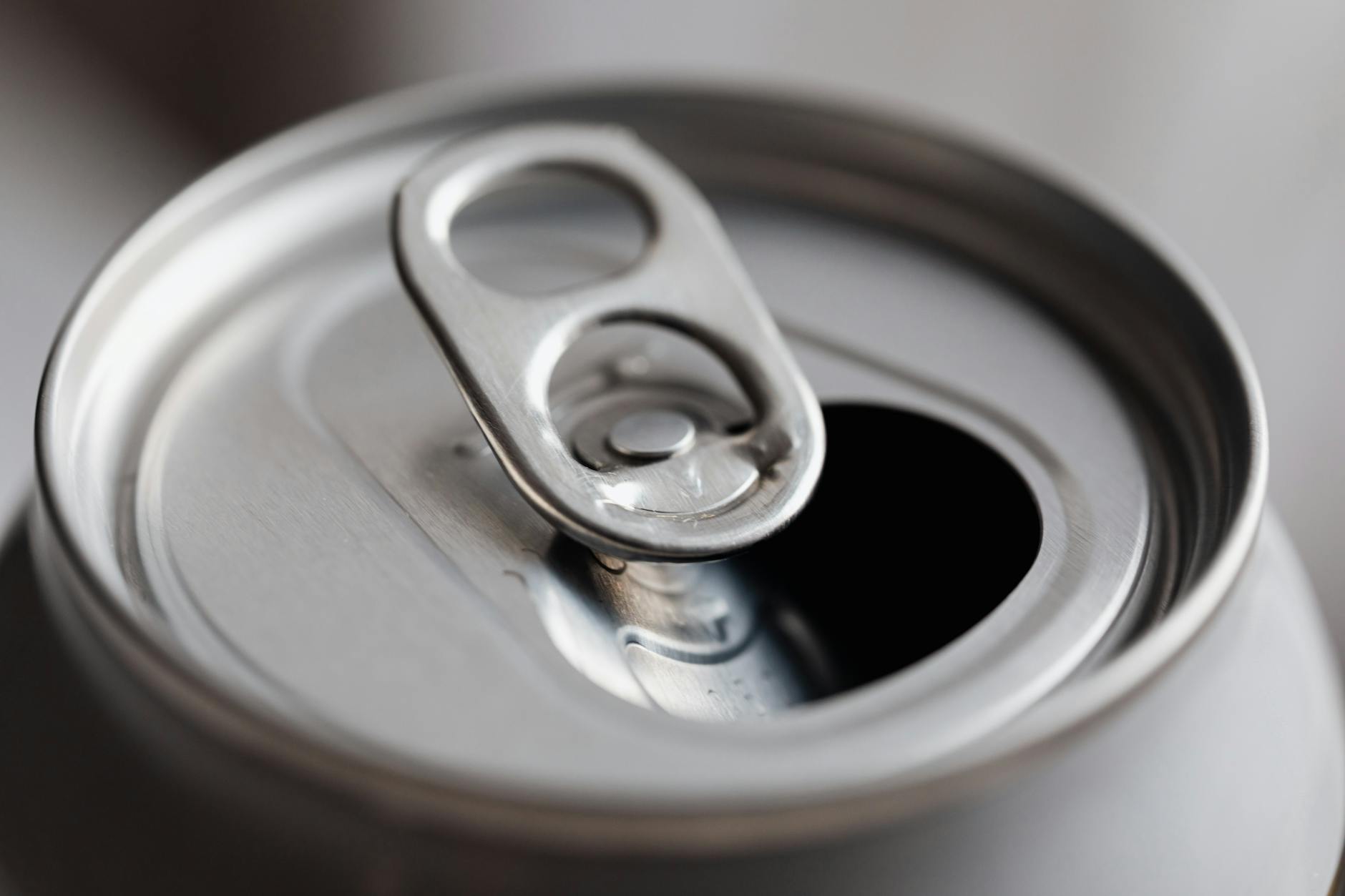
An opened can of soda

When you reach for a can of diet soda, it often feels like a smarter choice—less sugar, fewer calories, and a promise that you’re doing something better for your health. And on the surface, that promise feels comforting. It feels like you’ve found a loophole in your cravings, a shortcut around your habits, or a compromise that lets you keep the flavor you love without the “bad stuff.”

But here’s the truth most of us sense deep down:
Diet soda isn’t a solution. It’s a trade-off.

And in wellness, every trade-off has a cost.

Today, let’s explore what that cost really looks like—physically, mentally, and emotionally—and why breaking free from the diet-soda cycle can be one of the most empowering choices you make for your long-term well-being.


The Illusion of a Healthier Choice

Diet soda was created to mimic the taste and satisfaction of regular soda without the calories. It’s marketed as lighter, friendlier, and somehow “health-conscious.”

But your body knows the difference.

And so does your nervous system, your hormones, your digestive system, and your long-term energy.

Sugar substitutes don’t provide your body with nourishment. They deliver sweetness without substance, flavor without fuel. They light up the taste receptors in your brain in the same way sugar does, but the follow-through—the satisfaction, the steady energy, the natural shut-off point—never arrives.

This leaves your body in a confused state, often increasing cravings rather than decreasing them. It’s like ringing a dinner bell without serving a meal.

And when your body feels confused, it compensates in ways you may not love:
• More snacking
• More hunger
• More cravings for highly-sweet, highly-processed foods
• More “I’ll start fresh tomorrow” cycles

Sound familiar?


Why Diet Soda Creates Another Problem Instead of Solving One

Diet soda doesn’t remove the habit—it replaces it with a different version of the same pattern.

1. The Sweetness Loop

Artificial sweeteners are designed to be intensely sweet—sometimes hundreds of times sweeter than sugar itself. That level of intensity can shift your taste buds over time. Real, nourishing foods—fruit, tea, water with lemon—begin to taste muted in comparison.

This keeps your palate addicted to strong, artificial sweetness instead of gently recalibrating to natural flavor.

2. The Hormone Disruption

Research continues to explore how artificial sweeteners impact insulin response and metabolism, and the growing evidence suggests a complicated picture. Even without calories, your body can still respond as if sugar has entered the system.

This can contribute to blood sugar swings, energy dips, and the kind of persistent low-grade hunger that keeps you reaching for processed snacks or more diet soda.

3. The Hydration Problem

Diet soda doesn’t hydrate you. It contains compounds that can pull water from your system, leaving you feeling sluggish, tense, or more fatigued than expected. And when you’re tired, cravings intensify.

4. The “I Deserve This” Cycle

When you drink something you’ve labeled as “better,” it’s easy to feel like you’ve earned a treat later. This can trigger the exact over-consumption you were trying to avoid.

In other words:
Diet soda can keep you stuck in the very cycle you hoped it would fix.


A Moment of Self-Honesty

You might love diet soda. You might rely on it for a pick-me-up, a flavor craving, or a moment of comfort. There is no shame in that.

But there is power in pausing long enough to say:

“Is this really serving me?”

If the answer is no—or even a hesitant maybe—then you’re already standing at the doorway of transformation.


What Real Solutions Look Like

A real solution nourishes you.
It supports your hormones, your hydration, your nervous system, and your ability to reset old habits with clarity instead of confusion.

A real solution helps you feel:

• more energized
• less bloated
• more in control of your cravings
• more grounded in your choices
• more connected to your long-term wellness vision

This is why breaking the soda cycle—diet or regular—is one of the most liberating changes you can make.

And you don’t have to do it alone.


A Clear Path Forward: The Stop Drinking Soda Guide

If you’re ready to step out of the trade-off and into something better, I created the Stop Drinking Soda Guide as a gentle, practical resource to support your shift.

Inside this guide, you’ll find:

• Simple steps to break the soda habit
• A deeper understanding of your triggers
• Easy hydration swaps that actually taste good
• Supportive mindset shifts to help you stay consistent
• Bonus downloads: 7 Soda Swaps and The Price of Soda (limited time)

This guide was designed to help you stop negotiating with yourself, stop feeling stuck, and start feeling aligned with your true wellness intentions.

You are capable of more freedom than diet soda has ever offered you.


When You Let Go of the Trade-Off, You Make Room for Something Better

Your body doesn’t need tricks.
It doesn’t need fake sweetness.
It doesn’t need substitutes that confuse your system and keep you tethered to the very habit you want to outgrow.

Your body needs clarity.
Hydration.
Support.
Consistency.
And choices that nourish you—body and mind.

Let today be the moment you step toward that clarity.


Your Next Step (A Gentle Invitation)

If you’re ready to feel better, clearer, and more in control of your habits, your healing, and your energy, I invite you to take the next small step.

Download the Stop Drinking Soda Guide today and begin releasing the patterns that no longer serve you. Your future self will thank you for this shift.

👉 Click here to get your guide and start your transformation now.

You deserve a life that feels balanced, hydrated, and fully yours again.

Who am I and why should you read my blog?


🌿 Hi, I’m Suzanne — the heart and voice behind Suzanne Horrocks Wellness.


Around here, we do wellness a little differently. I’m not here to sell you a perfect routine, a green smoothie obsession, or a 6 a.m. bootcamp (unless that’s your thing — then I’ll cheer you on!).

What I am here to do is help you rediscover what self-care really means — in real life, with real people, and real laughter along the way.


My journey has taken me from chasing “healthy” to living well — with curiosity, kindness, and a good dose of humor.

I share stories, resources, and gentle challenges that make wellness feel less like a checklist and more like an adventure back to yourself.


If you’ve ever thought, “I want to feel better, but I don’t know where to start,” you’re in the right place.

Let’s take it one step, one breath, one sip of water at a time.


✨ Welcome to Suzanne Horrocks Wellness — where self-care gets real, lighthearted, and beautifully human.

How to Make Your Heart Beautiful

Todod los dias la gente se arregla el cabello. Por que no el ❤️?

I have a dear sweet friend that has been collecting art for most of her life. She also used to teach Spanish and traveled (and studied) in Mexico. I asked her to translate this piece. Here’s her response,

“Every day people fix/comb/arrange their hair, why not their heart?” I think the artist is saying fix your heart everyday like you do your hair. Make it a habit to make your heart beautiful


We spend so much time caring for our bodies — eating better, moving more, trying to stay healthy — yet the heart, the very center of our being, often gets overlooked. Not just the physical heart, but the spiritual one — the quiet space inside where love, compassion, and peace live.

Working on making your heart beautiful isn’t about being perfect or endlessly positive. It’s about tending your inner garden — pulling a few weeds, watering what’s growing, and letting more light in. Here are a few ways to do that in everyday life.


🌸 Practice Gentle Awareness

Start by simply noticing how your heart feels throughout the day.
When it feels heavy — pause and breathe.
When it feels open — pause and give thanks.
Awareness alone is healing. It’s like sunlight finding its way through the clouds.


🌿 Forgive Often (Including Yourself)

Nothing makes the heart more radiant than forgiveness. When we let go of resentment, we free ourselves from carrying the past around.
You can even whisper to yourself:

> “I choose to forgive and free my heart.”
You do this not for others, but for your own peace.


💛 Practice Loving-Kindness

Each day, send a quiet blessing — to yourself, to someone you love, to someone you struggle with, and to the world.
It can be as simple as:

> “May you be happy. May you be safe. May you live with ease.”
This practice softens the edges and opens the door to compassion.


🌷 Live from Gratitude

A beautiful heart sees beauty everywhere.
Try keeping a gratitude list — not just for what’s going well, but for what’s teaching you.
Gratitude changes the texture of your heart. It turns pain into wisdom.


🌻 Protect Your Peace

Being kind doesn’t mean you have to say yes to everything.
A beautiful heart also knows when to step back, rest, and protect its energy. Boundaries are an act of self-love — they keep your light strong and your love authentic.


🌼 Be of Service

There’s nothing that beautifies the heart quite like helping someone else.
A kind word, a smile, a listening ear — small acts polish the heart until it shines.
Service connects us, reminding us that love is meant to flow through us, not stop with us.


🌙 Rest and Receive

Your heart, just like your body, needs rest.
Quiet moments — in nature, in stillness, or in meditation — refill the well within you.
Give yourself permission to slow down, to listen, and to receive the peace that’s always been waiting for you.


A beautiful heart isn’t something we earn — it’s something we uncover.
With time, intention, and a little grace, it begins to glow from the inside out — guiding us toward gentler days and deeper love.

What Wellness Looks Like in Real Life

Be kind. White background. Pale yellow carnations.


If you scroll through social media, wellness can look like a curated dream — green smoothies in glass jars, spotless yoga mats, and early morning workouts on the beach. But in real life, wellness doesn’t always sparkle like that. It’s often a little messy, sometimes inconvenient, and usually a lot more human than what we see online.

For most of us, wellness isn’t about perfection. It’s about paying attention. It’s learning to listen to your body, give yourself grace, and make small choices that support the kind of life you actually want to live — not the one the internet tells you to have.

So what does wellness really look like in real life? Let’s take a look.


🌿 Wellness Looks Like Showing Up Imperfectly

Wellness isn’t about getting everything “right.”
It’s about showing up for yourself, even when things aren’t perfect.

Some days, it might mean going for a short walk because a full workout feels like too much. Other days, it might mean sitting on the porch with your morning coffee instead of rushing straight into emails. It’s the quiet decision to breathe before you react, to stretch your back before it aches, to pause before pouring another cup of caffeine.

Real wellness happens in those tiny moments of awareness — when you realize that you matter enough to slow down.


💧 Wellness Looks Like Listening to Your Body

Our bodies are always whispering to us, but it takes practice to hear them.

Sometimes they whisper, “I’m thirsty.”
Sometimes it’s, “I need rest.”
And sometimes it’s a quiet, “Please don’t push me today.”

We live in a world that rewards constant productivity, but your body isn’t a machine. Listening to what it needs is one of the most powerful wellness practices you can develop. Drink water when you’re thirsty. Eat real food when you’re hungry. Move in ways that feel good — not punishing.

When you treat your body like a trusted friend instead of an obstacle to manage, wellness starts to feel natural.


☀️ Wellness Looks Like Simplicity

You don’t need fancy products or complicated routines to be well.
You just need a few simple habits that make you feel grounded and balanced.

Maybe that means:

Drinking water first thing in the morning

Stretching before bed

Taking a 10-minute walk outside

Writing a few thoughts in a journal

Turning off your phone during dinner


The goal isn’t to overhaul your life. It’s to build rhythm — gentle, consistent actions that support your well-being one day at a time.

Wellness thrives in simplicity. When you remove the pressure to do everything, you create space for what really matters.


💖 Wellness Looks Like Self-Compassion

There will be days when you skip your walk, eat fast food, or scroll on your phone longer than you meant to. That doesn’t make you “off track.” It makes you human.

Beating yourself up never leads to better choices. But kindness does. When you approach yourself with compassion, it’s easier to start again — not from guilt, but from genuine care.

Try this: The next time you feel like you’ve “messed up,” talk to yourself the way you would talk to a friend. Offer understanding instead of criticism. Remind yourself that wellness isn’t about never falling — it’s about learning how to rise gently.


🌼 Wellness Looks Like Connection

We aren’t meant to do this alone.

Real wellness includes connection — with yourself, with others, and with something greater than you. It might be a conversation with a trusted friend, a walk in nature, or joining a community of people who share your values.

When you connect, you refill your emotional cup. You remember that being well isn’t just about your physical body; it’s about your whole self — mind, body, and spirit.


🌙 Wellness Looks Different for Everyone

There’s no one-size-fits-all version of wellness. What feels nourishing to one person might feel draining to another.
And that’s okay.

For some, wellness might mean yoga and meditation.
For others, it’s gardening, laughter, or a good night’s sleep.
For you, it might be drinking more water, saying “no” more often, or finally allowing yourself to rest without guilt.

The beauty of real-life wellness is that it’s deeply personal. It’s not about following someone else’s plan — it’s about finding what brings you balance, energy, and peace.


🌸 A Gentle Reminder

If you’re working toward a healthier lifestyle, don’t get discouraged by comparison.
The woman on Instagram with the perfect smoothie bowl doesn’t have it all figured out — none of us do.

Wellness isn’t a destination or a checklist. It’s a relationship with yourself that you keep choosing, one day at a time. It’s a journey full of grace, progress, and yes, a little imperfection.

So go ahead — take a deep breath, pour yourself some water, and celebrate the small steps.
Because this, right here, is what wellness really looks like in real life.

What If U.S. Military Bases Became Cultural Exchange Centers?


When you hear the words “U.S. military base,” what comes to mind? For many, it’s strength, defense, or global presence. But what if we reimagined these spaces? What if, instead of being symbols of power, they became symbols of peace, culture, and connection?

It’s a bold idea, but sometimes the most powerful changes begin with a simple question: What if?


From Bases of Defense to Homes of Peace

Across the world, U.S. military bases stand on foreign soil. They are reminders of history, politics, and protection. But as times change, so do the needs of humanity.

Imagine walking onto one of these bases and, instead of soldiers and weapons, you find:

🎶 Artists sharing music and traditions.

🌿 Yoga and wellness programs bringing healing.

🍲 Community kitchens where cultures exchange recipes and stories.

🎨 Studios filled with painting, dance, and storytelling.

📚 Classrooms where language, history, and skills are shared.


These once-military sites could become cultural exchange centers — places where people come together to learn, heal, and celebrate what unites us.


Why Cultural Exchange Matters

At the heart of cultural exchange is the simple truth: we understand each other better when we share our lives.

🌏 Connection builds peace. When people connect on a human level, barriers begin to fade.

🌸 Healing happens through sharing. Many communities carry wounds from conflict. Creative and cultural expression can help bridge divides.

💡 New ideas grow. Bringing together different perspectives leads to innovation and progress.


Instead of being remembered for war and defense, these places could become remembered for peace and creation.


How It Could Work

The transformation wouldn’t happen overnight, but step by step, it’s possible.

1. Decommissioning & Transition: Bases already closing or downsizing could be the first candidates.


2. Partnerships: Local governments, cultural organizations, and educators could co-create the vision.


3. Physical Reimagining: Dormitories become guest housing. Hangars become art studios. Mess halls become shared dining spaces.


4. Programs Begin: Language classes, cultural residencies, music festivals, wellness retreats, skill exchanges.


5. Global Network: A series of Peace & Culture Centers connected worldwide — turning old battlegrounds into new grounds for understanding.


A Ripple Effect

Imagine the ripple effect if just a few bases made this transition:

Host communities gain economic growth through education, wellness, and tourism.

Local and American participants gain mutual respect and lifelong connections.

The U.S. itself transforms its global role — from a nation known for its military might to one remembered for fostering understanding and peace.


What If Peace Had a Home Base?

It’s easy to think the world is too divided for big ideas like this. But every great change in history began with someone asking: What if things were different?

Reimagining U.S. military bases as cultural exchange centers is not just about buildings. It’s about a shift in vision: from fear to friendship, from defense to discovery, from war to wellness.

The question is not just whether it could work.
The question is: are we ready to dream of peace on a new scale?


🌿 Final Thought

Peace isn’t just the absence of war. It’s the presence of understanding, connection, and shared humanity.

Perhaps the greatest base of all is the one where we learn to see each other as family.


The Benefits of Drinking Water: Why Your Body Will Thank You

Water with lemon on a table

Have you ever noticed how good a glass of water feels when you’re really thirsty? It’s refreshing, energizing, and instantly makes you feel better. Water is one of the simplest and most powerful things you can give your body every single day. Yet, many of us don’t drink nearly enough of it. We get caught up with coffee, soda, tea, or energy drinks and forget the basics: our bodies are made up of mostly water, and we need it to function at our best.

In this post, we’ll talk about the benefits of drinking water, why it’s so important for your health, and how you can make it part of your daily routine.


Why Water Matters So Much

Water is like fuel for your body. Just like your car won’t run without gas, your body can’t run without water. Every single cell, tissue, and organ in your body needs it. From regulating your temperature to helping your brain stay sharp, water plays a role in almost everything your body does.

Think of water as the ultimate multitasker:

  • It keeps your skin healthy and glowing.
  • It cushions your joints and muscles.
  • It helps flush out toxins and waste.
  • It carries nutrients and oxygen to your cells.

When you don’t drink enough, you feel it—headaches, fatigue, dizziness, and even mood swings can all be signs of dehydration.


7 Amazing Benefits of Drinking Water

1. Boosts Your Energy

Feeling sluggish in the afternoon? Before reaching for another cup of coffee, try a glass of water. Dehydration is one of the top causes of fatigue. Even mild dehydration can make you feel tired and less focused. Water helps your blood flow more easily, so oxygen and nutrients can reach your cells. That means more energy and less brain fog.

2. Improves Digestion

Your digestive system needs water to break down food and absorb nutrients. Drinking water before or during meals can help prevent constipation and keep things moving smoothly. If you’ve ever struggled with bloating or discomfort after eating, upping your water intake might make a big difference.

3. Supports Weight Management

If you’re trying to lose weight or simply maintain a healthy one, water can be your best friend. Sometimes when you feel hungry, your body is actually thirsty. Drinking a glass of water before meals can help you feel full and keep you from overeating. Plus, swapping soda or sugary drinks for water can cut hundreds of calories a day without feeling like a sacrifice.

4. Keeps Your Skin Looking Fresh

Dry, tired-looking skin is often a sign of dehydration. While water won’t erase wrinkles, it does help your skin stay soft, smooth, and clear. Think of it as an inside-out moisturizer. When your body is well-hydrated, your skin has a natural glow that no lotion can match.

5. Helps Your Body Detox Naturally

Your kidneys rely on water to do their job—filtering out waste and toxins from your blood. Without enough water, your kidneys have to work harder, and waste can build up. Drinking water supports your body’s natural detox process and helps prevent problems like kidney stones and urinary tract infections.

6. Regulates Your Temperature

Have you ever noticed you sweat more when it’s hot outside or when you’re exercising? That’s your body’s way of cooling down. But sweating also means losing fluids. Drinking water replaces what you’ve lost and helps keep your temperature balanced. It’s especially important during summer months or if you’re physically active.

7. Supports Brain Function

Your brain is about 75% water, so it’s no surprise that staying hydrated helps you think more clearly. Dehydration can affect concentration, memory, and even mood. Studies show that people who drink enough water are less likely to feel anxious, irritable, or mentally drained.


How Much Water Do You Really Need?

You’ve probably heard the “8 glasses a day” rule, but the truth is, everyone’s needs are different. Your age, weight, activity level, and even the weather can all affect how much water you should drink.

A simple guideline: listen to your body. If you’re thirsty, drink. If your urine is light yellow or clear, you’re likely getting enough. Dark yellow? That’s a sign you may need more water.

A good starting point for most adults is about 64 ounces (8 cups) a day. But if you exercise, spend time outdoors, or drink dehydrating beverages like coffee or alcohol, you may need more.


Easy Tips to Drink More Water Every Day

If drinking water feels like a chore, try these simple tricks:

  • Start your morning with a glass of water before your coffee or tea.
  • Carry a reusable water bottle everywhere you go.
  • Add flavor naturally with lemon, lime, cucumber, or fresh berries.
  • Set reminders on your phone or use a water tracking app.
  • Swap one soda or sugary drink a day for water until it becomes a habit.

Remember, small steps add up. Even adding just one extra glass a day makes a difference.


Water is one of the easiest and most affordable ways to support your health. It fuels your energy, keeps your skin glowing, helps with digestion, and even boosts your mood. While it may not be as exciting as a fancy latte or as bubbly as soda, water gives your body exactly what it needs to thrive.

So the next time you’re reaching for a drink, make it water. Your body—and your future self—will thank you.


Stop Drinking Soda and Start Drinking Water: A Simple Change with Big Results


Have you ever thought about how much soda you drink in a week? Maybe it’s one can a day, or maybe it’s several. For many people, soda is a daily habit—something to grab at lunch, during a break, or while watching TV. It feels refreshing in the moment, but here’s the truth: soda isn’t doing your body any favors.

On the other hand, water is the simplest, healthiest, and most affordable drink there is. Making the switch from soda to water might seem small, but it can have a big impact on your health, energy, and even your mood.

In this post, we’ll talk about why soda is so harmful, why water is so good, and how you can make the switch without feeling deprived.


Why Soda Is So Bad for You

Soda has been around for a long time, and it’s marketed as something fun, bubbly, and satisfying. But what’s really inside that can or bottle?

1. Sugar Overload
A regular can of soda has around 39 grams of sugar—that’s almost 10 teaspoons! Drinking that much sugar in liquid form causes your blood sugar to spike, followed by a crash. Over time, all that sugar adds up, leading to weight gain, insulin resistance, and an increased risk of type 2 diabetes.


2. Empty Calories
Soda gives you calories but no nutrition. Unlike fruit, vegetables, or whole grains, soda has nothing your body can actually use to grow stronger or healthier. You’re left feeling unsatisfied and often still craving more food.


3. Dental Damage
The sugar and acidity in soda are a double hit for your teeth. They weaken enamel, cause cavities, and can lead to expensive dental problems down the road.


4. Hidden Health Risks
Studies have linked regular soda consumption to heart disease, fatty liver disease, and even certain cancers. It’s not just about weight—it’s about your long-term health.


And don’t think diet soda is the answer. Artificial sweeteners may be lower in calories, but they can still confuse your body, affect your metabolism, and keep you craving sweets.


Why Water Is So Good for You

Now let’s look at the flip side—what happens when you drink water instead of soda.

1. Hydration at Its Best
Water is what your body truly needs. Every cell depends on it. When you’re hydrated, your energy levels stay steady, your skin looks healthier, and your brain functions more clearly.


2. Supports Weight Loss
Water has zero calories. If you replace just one can of soda a day with water, you could cut out over 50,000 calories in a year—that’s about 15 pounds of weight without doing anything else.


3. Good for Digestion
Water helps your body break down food, absorb nutrients, and keep things moving smoothly. Soda, with its carbonation and sugar, often makes bloating and indigestion worse.


4. Saves Money
Bottled soda adds up fast. Even better, if you use a reusable water bottle and drink tap or filtered water, you’ll save hundreds of dollars a year.


5. Boosts Mood and Focus
Dehydration makes you feel sluggish and irritable. Staying hydrated improves your mood and helps you think more clearly.


How to Make the Switch from Soda to Water

Quitting soda cold turkey works for some people, but for most, a gradual approach is easier and more sustainable. Here are a few steps to help you get started:

1. Start Small
If you drink three sodas a day, cut back to two and replace one with water. Once that feels normal, replace another until soda is no longer your go-to.


2. Add Flavor to Your Water
If plain water feels boring, dress it up. Add lemon, lime, cucumber, berries, or even a splash of 100% fruit juice. Herbal teas (unsweetened) are another great option.


3. Use a Fun Water Bottle
Having a reusable bottle you enjoy using makes it easier to sip throughout the day. Try one with time markers to remind you to drink.


4. Pair It with a Routine
Make water the first thing you drink in the morning. Have a glass before each meal. These small habits add up.


5. Notice How You Feel
Pay attention to the changes in your body. You may notice fewer cravings, more energy, and better sleep. These benefits will keep you motivated.


The Big Picture: One Change at a Time

You don’t need to overhaul your entire lifestyle overnight. Something as simple as choosing water over soda can ripple into every area of your life. You’ll save money, protect your teeth, feel more energized, and lower your risk of serious health problems.

Remember, wellness doesn’t have to be complicated. It’s about making better choices, one step at a time. Today, that step might be filling up your water bottle instead of grabbing a soda.

So the next time you’re thirsty, ask yourself: Do I want a quick sugar rush, or do I want to feel genuinely refreshed? Your body will thank you for choosing water.


Final Thoughts

Soda may be tempting, but water is what your body craves. Making the switch doesn’t just help you lose weight—it helps you feel healthier, clearer, and more alive. Every sip of water is a step toward a stronger, better you.

If you’ve been thinking about cutting back on soda, start today. Even one less can makes a difference. You don’t have to be perfect—you just have to start.

So raise a glass of water. To your health, your energy, and your future.