
How Drinking Water Helps Support Healthy Blood Sugar

Sunshine, large body of water, walking on a pier


Some of the most powerful shifts in our health are the ones we tend to overlook, and drinking water is one of them. When someone is trying to manage their blood sugar, it’s easy to focus on food and forget that hydration plays a quiet but important role. Our bodies rely on water to move sugar out of the bloodstream and into the places it needs to go. When we’re dehydrated, everything slows down. A simple glass of water can help the body steady itself, stay clear, and find a healthier rhythm.

Staying hydrated isn’t a “big” wellness change. It’s a steady, supportive one. And sometimes those are the habits that make the biggest difference over time.


Why Dehydration Makes Blood Sugar Harder to Manage

When the body doesn’t have enough water, the blood becomes more concentrated. That means the sugar already in the bloodstream becomes more concentrated too. Even if someone hasn’t eaten anything new, dehydration alone can make blood sugar readings look higher.

The kidneys also play a steady, behind-the-scenes role in blood sugar control. When you’re hydrated, your kidneys help filter excess sugar out of the bloodstream so your body can let go of what it doesn’t need. But when you’re dehydrated, the kidneys can’t do that job as well. The body holds on to more sugar simply because it doesn’t have the water it needs to flush things through.

This is why so many people notice that when they start drinking more water, their numbers look smoother. It’s not a magic fix—it’s the body finally getting the help it needs.


Water Helps the Body Use Insulin More Effectively

Insulin works like a key, helping sugar move from the bloodstream into the cells. But if the body is short on water, that key doesn’t work quite as efficiently. The cells become a little more resistant, and the sugar stays floating in the bloodstream longer.

When you drink enough water:

Your cells become more receptive

Insulin can do its job better

Sugar moves where it’s supposed to go

Blood sugar levels are easier to balance


This is one of the reasons doctors and diabetes educators often ask about hydration. It isn’t just general advice—it genuinely helps the body stay responsive.


Water Supports the Liver, Kidneys, and Digestive System

Balanced blood sugar isn’t just about sugar. It’s about the whole body working together in a steady rhythm.

Your kidneys

They help remove excess sugar.
They depend on water to filter properly.

Your liver

It stores sugar when you have extra and releases it when you need it.
Hydration helps keep that system smooth and steady.

Your digestive system

When digestion slows because of dehydration, blood sugar swings can become more noticeable.
A well-hydrated body digests more predictably.

Water doesn’t “fix” everything, but it supports all the places where blood sugar balance actually happens.


How Much Water Helps?

Everyone’s needs are a little different, but most adults feel better when they aim for 6–8 cups of water a day. That can be plain water, herbal tea, sparkling water, or water flavored with fruit slices. The key is steady hydration, not perfection.

Signs you might need more water:

You feel tired for no clear reason

Your mouth is dry

You’re craving sweets more than usual

You’re unusually thirsty

Your urine is dark yellow

Your blood sugar readings feel higher or “stickier” than usual


Again—none of this means you’ve done anything wrong. It’s simply your body whispering that it needs a little more support.


Small Ways to Add More Water Into Your Day

It doesn’t have to be complicated. Try one or two of these:

Start your morning with a glass of water before anything else.

It wakes up the kidneys and gives your metabolism a gentle, clean start.

Carry a bottle that feels good in your hand.

You’re more likely to drink from something you enjoy using.

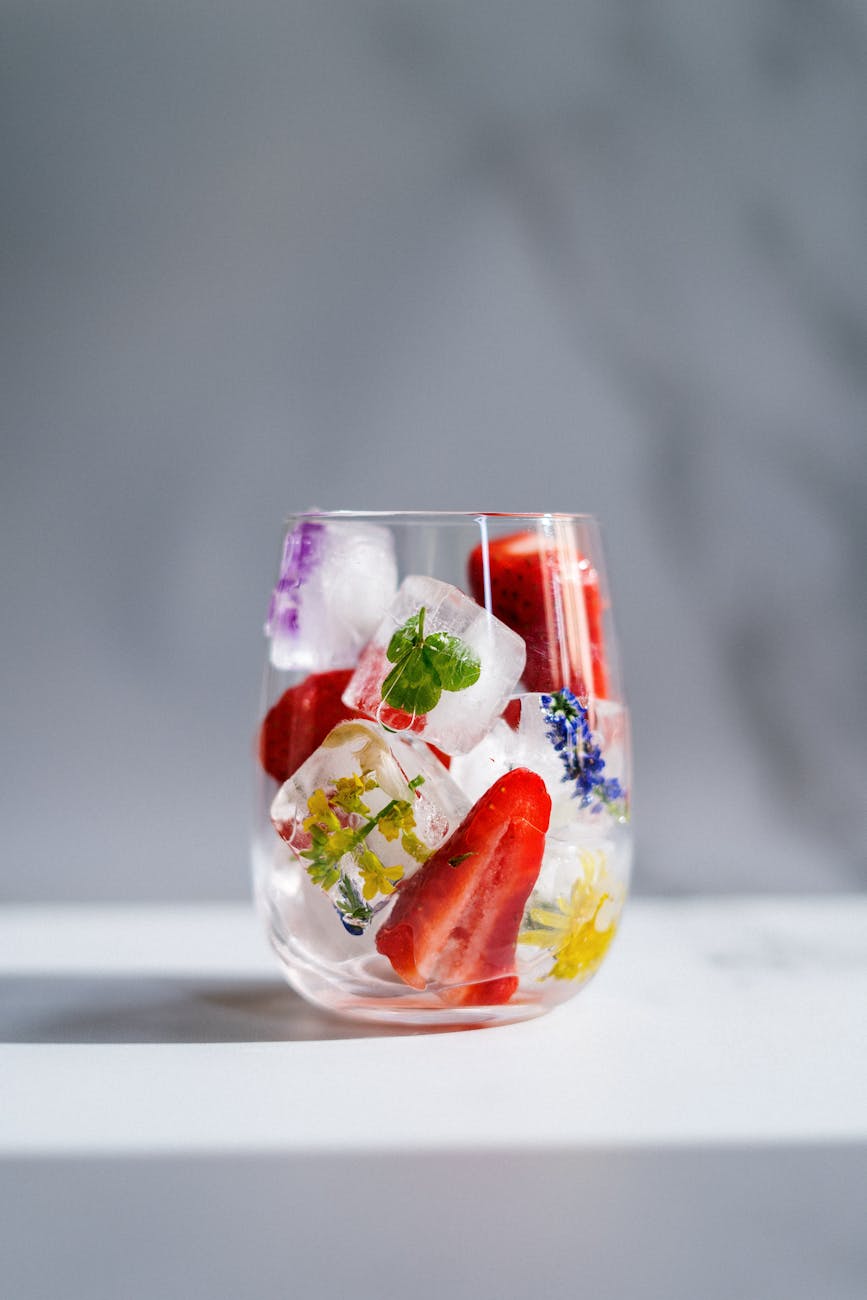
Add fruit, herbs, or cucumber for flavor.

Sometimes drinking water becomes easier when it tastes refreshing.

Drink a glass before meals.

This helps with digestion and makes blood sugar swings less dramatic.

Set a gentle reminder on your phone.

Not a loud alarm—just a soft nudge.

Pair water with habits you already have.

After brushing your teeth, after checking your Facebook group, after writing a few paragraphs of your blog.

Steady hydration is about rhythm, not rules.


Water Helps Reduce Sugar Cravings

Many people don’t realize this, but dehydration often mimics hunger or sugar cravings. When the body is even slightly low on water, it can send mixed signals that feel like:

“I need something sweet”

“I need a snack”

“I’m still hungry even after eating”


A glass of water often settles the craving because the body wasn’t asking for food—it was asking for hydration.

When your body is hydrated, you’re less likely to reach for the fast, sugary options your body uses for quick energy.


Water and Medication Safety

For those who take diabetes medications, staying hydrated helps your body process them comfortably. Some medications rely on proper kidney function, and water helps keep those organs supported. Hydration also keeps you from feeling light-headed or sluggish when your blood sugar shifts.

Always check in with your doctor or pharmacist if you take medication, but hydration is almost always part of their recommendations.


A Simple Practice to Try This Week

Choose a time of day when your mind feels clear—morning, afternoon, or evening.
Then add one new habit:

A glass of water at the same time every day.

Just one.

When that feels natural, add a second.
Small steps become big changes when you take them with consistency, not urgency.


Final Thoughts

You don’t have to overhaul your life to support your blood sugar. You don’t need extreme diets, harsh rules, or complicated systems. Sometimes the body just needs the basics—gentle, steady hydration that helps everything work a little more easily.

Water is simple.
But simple isn’t small.
Simple is powerful.

And the more you support your body with little habits like this, the more confident you’ll feel in your ability to care for yourself in ways that truly matter.

If you’re ready to bring more ease and steadiness into your wellness journey, stay connected with me. Subscribe for simple, supportive tips that help you care for your body in ways that feel doable, compassionate, and real.

Your next small step starts here.

Why Water is Better: Say Goodbye to Soda

Stop drinking soda and start drinking water.

If you’ve ever tried to cut back on soda, you already know it can be tough. The fizz, the sweetness, and even the habit of grabbing a can at lunch or dinner can make it hard to let go. But the truth is, soda is one of the worst things you can drink for your health. The good news? Water is one of the best. By making the switch, you give your body what it truly needs, and the benefits can show up faster than you think.

In this post, we’ll talk about why soda is harmful, why water is so important, and how to make the switch in a way that feels doable.


Why Soda is So Bad for You

Soda might taste good in the moment, but it comes with a long list of health problems. Here are just a few reasons why it’s better to say goodbye to that particular beverage:

1. Too Much Sugar
A single can of regular soda has about 10 teaspoons of sugar. That’s more than most people should have in an entire day. All that sugar can lead to weight gain, blood sugar spikes, and a higher risk of type 2 diabetes.

2. Empty Calories
Soda is high in calories but gives you no real nutrition. You drink the calories, but your body doesn’t get the vitamins, minerals, or fiber it needs to stay healthy.

3. Damage to Teeth
The sugar and acid in soda are rough on your teeth. They can eat away at the enamel and lead to cavities. Even diet soda, which has no sugar, is still acidic and can damage your teeth over time.

4. Impact on Heart Health
Research shows that drinking too much soda can raise your risk of heart disease. That’s because the extra sugar leads to higher blood pressure, inflammation, and weight gain.

5. Addictive Qualities
The caffeine and sugar in soda can make it addictive. You might notice cravings, headaches, or low energy when you don’t drink it—signs that your body has gotten used to the habit.


Why Water is So Good for You

On the flip side, water is one of the best choices you can make for your health. It costs little, has no calories, and your body needs it for almost everything it does.

1. Hydration and Energy
Water keeps your body hydrated, which helps you feel more awake and alert. When you’re low on water, you may feel tired, cranky, or even get headaches.

2. Better Digestion
Drinking water helps your body digest food and absorb nutrients. It also helps prevent constipation.

3. Clearer Skin
Many people notice their skin looks clearer and healthier when they drink enough water. It helps flush out toxins and keeps your skin hydrated from the inside out.

4. Weight Control
Replacing soda with water cuts out hundreds of empty calories each week. Over time, this can lead to weight loss or make it easier to maintain a healthy weight.

5. Supports Every Cell in Your Body
Your muscles, organs, and brain all need water to work properly. When you drink enough, your body can function at its best.


Tips for Replacing Soda with Water

If you’re used to drinking soda every day, switching to water may feel overwhelming. But small changes add up. Here are some tips to make the transition easier:

1. Start Slow
If you drink several sodas a day, begin by cutting out just one and replacing it with water. Once that feels normal, cut out another.

2. Add Flavor to Your Water
If plain water feels boring, add lemon slices, cucumber, or berries for a natural flavor boost. Herbal teas (without added sugar) are another great option.

3. Keep Water Handy
Carry a reusable water bottle with you. If water is easy to grab, you’ll be more likely to drink it instead of soda.

4. Pay Attention to Triggers
Notice when you usually reach for soda. Is it with lunch? In the afternoon? Once you see the pattern, prepare to have water ready at those times. For me, it was when I wanted something cold to drink. The simple fix for that was having a pitcher of cold water or herbal tea in the fridge.

5. Celebrate Progress
Each time you replace soda with water, give yourself credit. Change takes time, and small wins matter.


What Happens When You Quit Soda

Many people notice changes in just a few weeks after quitting soda. You might have more energy, better sleep, clearer skin, and even a smaller waistline. Over time, the risk of serious health problems like diabetes and heart disease also goes down.

The best part is that water gives your body what it truly craves. Once you get used to it, you may even find soda tastes too sweet or heavy.


Choose water not soda

Stopping soda and switching to water might feel like a small choice, but it can lead to big results. By cutting out the sugar, the calories, and the chemicals, and replacing them with pure hydration, you give your body the chance to feel its best.

So next time you’re thirsty, skip the soda and pour yourself a glass of water. Your future self will thank you.


How to Stay Cool During a Heat Wave: Simple Tips That Work

Beat the heat; stay cool

When temperatures soar during a heat wave, it’s not just uncomfortable—it can also be dangerous. Staying cool isn’t just about comfort; it’s about protecting your health and energy. The good news? You don’t need fancy equipment or expensive tools to beat the heat. With a few simple adjustments, you can stay safe and feel better, even on the hottest days.

Here are practical, easy ways to keep cool during a heat wave.


1. Hydrate, Hydrate, Hydrate

Your body loses water faster in extreme heat, so staying hydrated is essential. Make water your go-to drink, and aim to sip throughout the day rather than waiting until you feel thirsty.

  • Add variety: Infuse your water with slices of lemon, cucumber, or mint for a refreshing twist.
  • Limit dehydrating drinks: Try to avoid too much coffee, soda, or alcohol, as these can make dehydration worse.
  • Eat water-rich foods: Fresh fruits like watermelon, cantaloupe, oranges, and cucumbers add hydration to your diet.

Keep a bottle of water within reach at all times, and take small sips regularly.


2. Create a Cool Zone at Home

If you don’t have air conditioning, you can still make your home feel cooler with a few easy steps:

  • Close curtains and blinds during the hottest parts of the day to block out direct sunlight.
  • Use fans smartly. Position a box fan in a window to draw in cooler air during the evening and early morning hours. During the day, fans can help with air circulation.
  • Cool down your bedding. Place your sheets or pillowcases in the freezer for a few minutes before bed for a refreshing feel.
  • Sleep low. Heat rises, so if possible, sleep on the lowest level of your home.

3. Dress for the Weather

What you wear can make a big difference during a heat wave. Choose:

  • Loose-fitting clothing made of natural fabrics like cotton or linen. These materials breathe better than synthetics.
  • Light colors, which reflect sunlight instead of absorbing it.
  • A wide-brimmed hat and sunglasses if you need to go outside.

Don’t forget sunscreen to protect your skin from sunburn, which can make it harder for your body to cool down.


4. Time Your Outdoor Activities Wisely

If you need to go outside, try to plan your activities for early morning or late evening when the sun is lower and temperatures are cooler.

When you do step out:

  • Take breaks in the shade.
  • Carry water with you and sip often.
  • Move slowly and listen to your body. If you feel dizzy, weak, or nauseous, head indoors immediately.

5. Cool Your Body From the Inside Out

Quick ways to bring your body temperature down include:

  • Placing a damp, cold cloth on your neck, wrists, or forehead.
  • Taking a lukewarm shower or sponge bath.
  • Soaking your feet in a basin of cool water.
  • Eating light, cool meals like salads or fruit rather than heavy or hot dishes.

Even small cooling practices can make a big difference in how you feel.


6. Check In With Yourself (and Others)

During a heat wave, it’s important to notice how you’re feeling:

  • Are you more tired than usual?
  • Do you have a headache, feel dizzy, or have a rapid heartbeat?
  • Are you sweating less than normal, or not at all?

These could be signs that you need to cool down and hydrate right away.

Also, check on neighbors, friends, and family—especially older adults or those who live alone. A quick phone call can make a big difference.


Heat Waves can be challenging

Heat waves can be challenging, but with a few simple changes, you can stay safer and more comfortable. Drink plenty of water, keep your space as cool as possible, dress for the weather, and slow down. Your body will thank you for it.

Remember: it’s not about toughing it out—it’s about caring for yourself and staying well during the hottest days of the year.


If you found these tips helpful, feel free to share this post with a friend or neighbor who might need a reminder to stay cool during the heat wave.


5 Hidden Benefits of Staying Hydrated During Winter

When we think about hydration, our minds often go to summer days, sweating under the sun. But staying hydrated in winter is just as important, if not more so.

During colder months, it’s easy to forget to drink water because we don’t feel as thirsty. However, your body still needs plenty of fluids to function at its best.

Beyond the obvious benefits, like keeping your skin moisturized and aiding digestion, here are five hidden perks of staying hydrated during winter that you might not know about.

1. Boosts Your Immune System

Winter often brings colds, the flu, and other seasonal illnesses. Staying hydrated can strengthen your immune system, giving you an extra layer of protection.

How does it work?

Water helps flush toxins out of your body, supports the production of lymph (a key fluid in your immune system), and ensures your organs function properly to fight off infections.

Dehydration can make you more susceptible to getting sick, as your body struggles to eliminate waste and transport nutrients effectively. By drinking enough water, you’re helping your immune system stay sharp and ready to tackle whatever winter throws your way.

2. Enhances Energy Levels

Feeling sluggish during the colder months? It’s not just the weather.

Dehydration is a sneaky culprit behind low energy levels. Even mild dehydration can cause fatigue and reduce your ability to concentrate.

Your body relies on water to carry oxygen and nutrients to your cells, which fuels your energy levels throughout the day.

In winter, we tend to reach for caffeinated drinks like coffee and tea to stay warm, but these can sometimes dehydrate you even more.

Balance those cozy cups with water, and you’ll notice a boost in your energy and focus.

3. Supports Joint and Muscle Health

Cold weather can make your joints and muscles feel stiff and achy. Hydration plays a crucial role in keeping them flexible and comfortable.

Water helps lubricate your joints by maintaining the fluid in your cartilage, which cushions bones and prevents discomfort.

If you’re active during winter—whether it’s skiing, snowshoeing, or just shoveling snow—staying hydrated can reduce the risk of cramps and improve your recovery time.

So, before you head out into the cold, grab a water bottle and give your joints the support they need.

4. Improves Skin’s Natural Glow

Winter air is dry, and indoor heating can sap even more moisture from your skin. While moisturizers help on the outside, hydration works wonders from within. Drinking enough water keeps your skin cells plump and reduces dryness, redness, and irritation.

Proper hydration can also slow the appearance of fine lines and wrinkles, giving you a natural, healthy glow despite the harsh winter conditions.

If you’re looking for a simple and affordable way to keep your skin radiant this season, start with a glass of water.

5. Supports Brain Health and Mood

The winter blues are real, and staying hydrated might be part of the solution.

Your brain is made up of about 75% water, and dehydration can affect your mood, memory, and overall cognitive function. When your body doesn’t have enough water, it’s harder for your brain to communicate effectively, which can lead to feelings of irritability and difficulty focusing.

Drinking water helps maintain mental clarity and can even improve your mood. Pair hydration with a bit of sunlight or exercise, and you’ll have a powerful combo for beating those winter blahs.


How to Stay Hydrated in Winter

Now that you know the benefits, here are a few tips to make staying hydrated easier during the colder months:

Invest in a good water bottle: A reusable bottle you love can make it easier to drink more water.

Drink warm water or herbal teas: These are cozy alternatives to cold water and can still keep you hydrated.

Eat water-rich foods: Soups, stews, oranges, and cucumbers are great options.

Set reminders: Use an app or alarm to prompt you to sip water throughout the day.

Staying hydrated during winter isn’t just about quenching thirst—it’s about giving your body the tools it needs to thrive in colder weather. From boosting your immune system to improving your mood, these hidden benefits prove that water is your winter wellness hero.

Fill up your glass and toast to your health this season.

Why Drinking Water Is the Easiest Self-Care Habit to Incorporate into your busy life.

Do you ever feel tired, have trouble concentrating, or notice your skin looking dull? It might be your body’s way of asking for more water.

Drinking water is one of the simplest ways to feel better

Here are five quick benefits:

Boosts Energy
When you’re hydrated, your body works better. You might feel more awake and alert—no fancy drinks needed.

Improves Skin Health
Water helps your skin look and feel its best. Think of it as your glow-up in a glass.

Aids Digestion
Staying hydrated can keep things moving smoothly. Enough said!

Supports Focus
Feeling foggy? A glass of water can help sharpen your mind and keep you on track.

Helps Manage Cravings
Sometimes, thirst disguises itself as hunger. Try sipping water first to see if that’s what your body really needs.

The best part? You don’t have to overhaul your day. Just start small—keep a water bottle handy or swap a soda for water. Little changes add up!

Would you like a daily water tracker with a mini guide? Click here to download a complimentary copy.

Do you drink enough water every day? Tell us in the comments. You may help the next reader feel better about themselves. #SharingIsCaring