
How Drinking Water Helps Support Healthy Blood Sugar

Sunshine, large body of water, walking on a pier


Some of the most powerful shifts in our health are the ones we tend to overlook, and drinking water is one of them. When someone is trying to manage their blood sugar, it’s easy to focus on food and forget that hydration plays a quiet but important role. Our bodies rely on water to move sugar out of the bloodstream and into the places it needs to go. When we’re dehydrated, everything slows down. A simple glass of water can help the body steady itself, stay clear, and find a healthier rhythm.

Staying hydrated isn’t a “big” wellness change. It’s a steady, supportive one. And sometimes those are the habits that make the biggest difference over time.


Why Dehydration Makes Blood Sugar Harder to Manage

When the body doesn’t have enough water, the blood becomes more concentrated. That means the sugar already in the bloodstream becomes more concentrated too. Even if someone hasn’t eaten anything new, dehydration alone can make blood sugar readings look higher.

The kidneys also play a steady, behind-the-scenes role in blood sugar control. When you’re hydrated, your kidneys help filter excess sugar out of the bloodstream so your body can let go of what it doesn’t need. But when you’re dehydrated, the kidneys can’t do that job as well. The body holds on to more sugar simply because it doesn’t have the water it needs to flush things through.

This is why so many people notice that when they start drinking more water, their numbers look smoother. It’s not a magic fix—it’s the body finally getting the help it needs.


Water Helps the Body Use Insulin More Effectively

Insulin works like a key, helping sugar move from the bloodstream into the cells. But if the body is short on water, that key doesn’t work quite as efficiently. The cells become a little more resistant, and the sugar stays floating in the bloodstream longer.

When you drink enough water:

Your cells become more receptive

Insulin can do its job better

Sugar moves where it’s supposed to go

Blood sugar levels are easier to balance


This is one of the reasons doctors and diabetes educators often ask about hydration. It isn’t just general advice—it genuinely helps the body stay responsive.


Water Supports the Liver, Kidneys, and Digestive System

Balanced blood sugar isn’t just about sugar. It’s about the whole body working together in a steady rhythm.

Your kidneys

They help remove excess sugar.
They depend on water to filter properly.

Your liver

It stores sugar when you have extra and releases it when you need it.
Hydration helps keep that system smooth and steady.

Your digestive system

When digestion slows because of dehydration, blood sugar swings can become more noticeable.
A well-hydrated body digests more predictably.

Water doesn’t “fix” everything, but it supports all the places where blood sugar balance actually happens.


How Much Water Helps?

Everyone’s needs are a little different, but most adults feel better when they aim for 6–8 cups of water a day. That can be plain water, herbal tea, sparkling water, or water flavored with fruit slices. The key is steady hydration, not perfection.

Signs you might need more water:

You feel tired for no clear reason

Your mouth is dry

You’re craving sweets more than usual

You’re unusually thirsty

Your urine is dark yellow

Your blood sugar readings feel higher or “stickier” than usual


Again—none of this means you’ve done anything wrong. It’s simply your body whispering that it needs a little more support.


Small Ways to Add More Water Into Your Day

It doesn’t have to be complicated. Try one or two of these:

Start your morning with a glass of water before anything else.

It wakes up the kidneys and gives your metabolism a gentle, clean start.

Carry a bottle that feels good in your hand.

You’re more likely to drink from something you enjoy using.

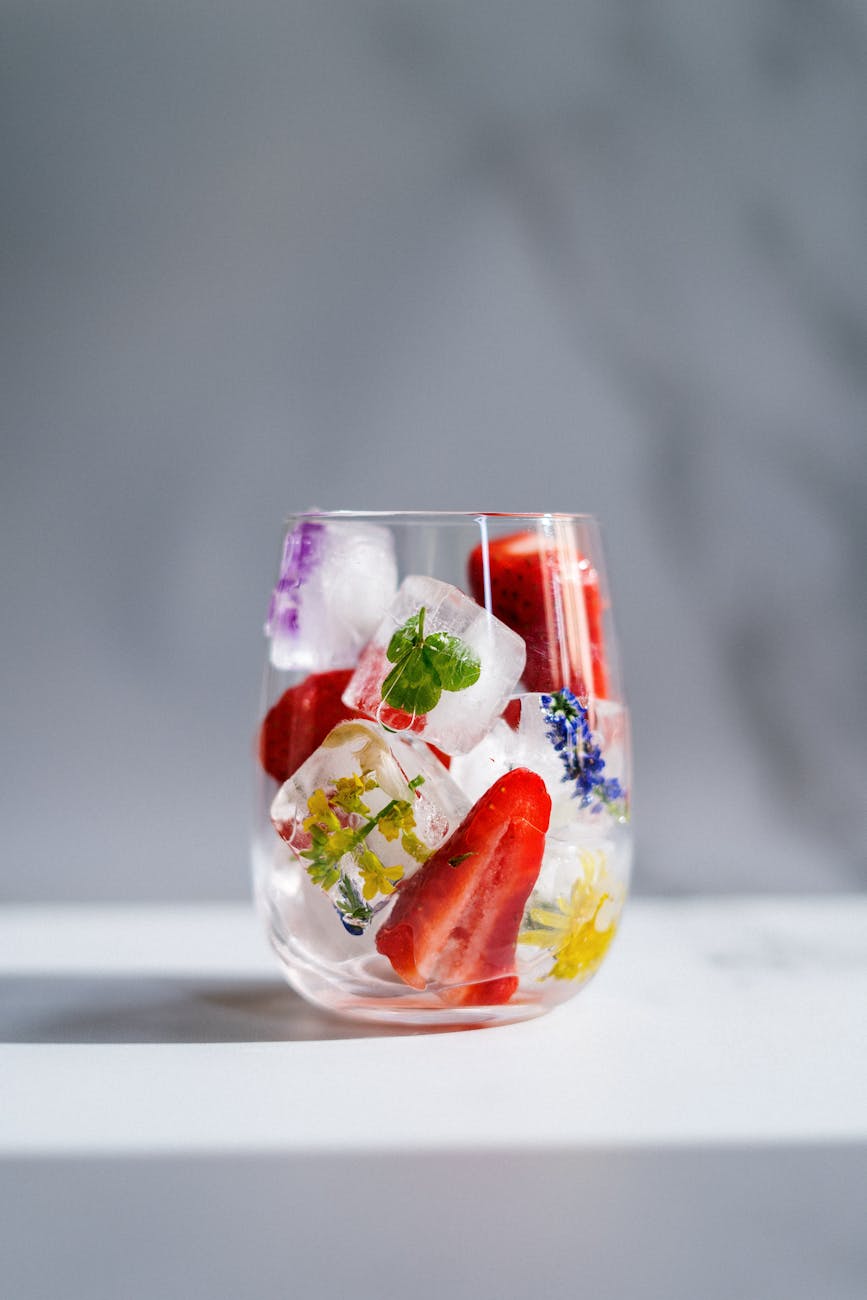
Add fruit, herbs, or cucumber for flavor.

Sometimes drinking water becomes easier when it tastes refreshing.

Drink a glass before meals.

This helps with digestion and makes blood sugar swings less dramatic.

Set a gentle reminder on your phone.

Not a loud alarm—just a soft nudge.

Pair water with habits you already have.

After brushing your teeth, after checking your Facebook group, after writing a few paragraphs of your blog.

Steady hydration is about rhythm, not rules.


Water Helps Reduce Sugar Cravings

Many people don’t realize this, but dehydration often mimics hunger or sugar cravings. When the body is even slightly low on water, it can send mixed signals that feel like:

“I need something sweet”

“I need a snack”

“I’m still hungry even after eating”


A glass of water often settles the craving because the body wasn’t asking for food—it was asking for hydration.

When your body is hydrated, you’re less likely to reach for the fast, sugary options your body uses for quick energy.


Water and Medication Safety

For those who take diabetes medications, staying hydrated helps your body process them comfortably. Some medications rely on proper kidney function, and water helps keep those organs supported. Hydration also keeps you from feeling light-headed or sluggish when your blood sugar shifts.

Always check in with your doctor or pharmacist if you take medication, but hydration is almost always part of their recommendations.


A Simple Practice to Try This Week

Choose a time of day when your mind feels clear—morning, afternoon, or evening.
Then add one new habit:

A glass of water at the same time every day.

Just one.

When that feels natural, add a second.
Small steps become big changes when you take them with consistency, not urgency.


Final Thoughts

You don’t have to overhaul your life to support your blood sugar. You don’t need extreme diets, harsh rules, or complicated systems. Sometimes the body just needs the basics—gentle, steady hydration that helps everything work a little more easily.

Water is simple.
But simple isn’t small.
Simple is powerful.

And the more you support your body with little habits like this, the more confident you’ll feel in your ability to care for yourself in ways that truly matter.

If you’re ready to bring more ease and steadiness into your wellness journey, stay connected with me. Subscribe for simple, supportive tips that help you care for your body in ways that feel doable, compassionate, and real.

Your next small step starts here.

How to Make Your Heart Beautiful

Todod los dias la gente se arregla el cabello. Por que no el ❤️?

I have a dear sweet friend that has been collecting art for most of her life. She also used to teach Spanish and traveled (and studied) in Mexico. I asked her to translate this piece. Here’s her response,

“Every day people fix/comb/arrange their hair, why not their heart?” I think the artist is saying fix your heart everyday like you do your hair. Make it a habit to make your heart beautiful


We spend so much time caring for our bodies — eating better, moving more, trying to stay healthy — yet the heart, the very center of our being, often gets overlooked. Not just the physical heart, but the spiritual one — the quiet space inside where love, compassion, and peace live.

Working on making your heart beautiful isn’t about being perfect or endlessly positive. It’s about tending your inner garden — pulling a few weeds, watering what’s growing, and letting more light in. Here are a few ways to do that in everyday life.


🌸 Practice Gentle Awareness

Start by simply noticing how your heart feels throughout the day.
When it feels heavy — pause and breathe.
When it feels open — pause and give thanks.
Awareness alone is healing. It’s like sunlight finding its way through the clouds.


🌿 Forgive Often (Including Yourself)

Nothing makes the heart more radiant than forgiveness. When we let go of resentment, we free ourselves from carrying the past around.
You can even whisper to yourself:

> “I choose to forgive and free my heart.”
You do this not for others, but for your own peace.


💛 Practice Loving-Kindness

Each day, send a quiet blessing — to yourself, to someone you love, to someone you struggle with, and to the world.
It can be as simple as:

> “May you be happy. May you be safe. May you live with ease.”
This practice softens the edges and opens the door to compassion.


🌷 Live from Gratitude

A beautiful heart sees beauty everywhere.
Try keeping a gratitude list — not just for what’s going well, but for what’s teaching you.
Gratitude changes the texture of your heart. It turns pain into wisdom.


🌻 Protect Your Peace

Being kind doesn’t mean you have to say yes to everything.
A beautiful heart also knows when to step back, rest, and protect its energy. Boundaries are an act of self-love — they keep your light strong and your love authentic.


🌼 Be of Service

There’s nothing that beautifies the heart quite like helping someone else.
A kind word, a smile, a listening ear — small acts polish the heart until it shines.
Service connects us, reminding us that love is meant to flow through us, not stop with us.


🌙 Rest and Receive

Your heart, just like your body, needs rest.
Quiet moments — in nature, in stillness, or in meditation — refill the well within you.
Give yourself permission to slow down, to listen, and to receive the peace that’s always been waiting for you.


A beautiful heart isn’t something we earn — it’s something we uncover.
With time, intention, and a little grace, it begins to glow from the inside out — guiding us toward gentler days and deeper love.

What If U.S. Military Bases Became Cultural Exchange Centers?


When you hear the words “U.S. military base,” what comes to mind? For many, it’s strength, defense, or global presence. But what if we reimagined these spaces? What if, instead of being symbols of power, they became symbols of peace, culture, and connection?

It’s a bold idea, but sometimes the most powerful changes begin with a simple question: What if?


From Bases of Defense to Homes of Peace

Across the world, U.S. military bases stand on foreign soil. They are reminders of history, politics, and protection. But as times change, so do the needs of humanity.

Imagine walking onto one of these bases and, instead of soldiers and weapons, you find:

🎶 Artists sharing music and traditions.

🌿 Yoga and wellness programs bringing healing.

🍲 Community kitchens where cultures exchange recipes and stories.

🎨 Studios filled with painting, dance, and storytelling.

📚 Classrooms where language, history, and skills are shared.


These once-military sites could become cultural exchange centers — places where people come together to learn, heal, and celebrate what unites us.


Why Cultural Exchange Matters

At the heart of cultural exchange is the simple truth: we understand each other better when we share our lives.

🌏 Connection builds peace. When people connect on a human level, barriers begin to fade.

🌸 Healing happens through sharing. Many communities carry wounds from conflict. Creative and cultural expression can help bridge divides.

💡 New ideas grow. Bringing together different perspectives leads to innovation and progress.


Instead of being remembered for war and defense, these places could become remembered for peace and creation.


How It Could Work

The transformation wouldn’t happen overnight, but step by step, it’s possible.

1. Decommissioning & Transition: Bases already closing or downsizing could be the first candidates.


2. Partnerships: Local governments, cultural organizations, and educators could co-create the vision.


3. Physical Reimagining: Dormitories become guest housing. Hangars become art studios. Mess halls become shared dining spaces.


4. Programs Begin: Language classes, cultural residencies, music festivals, wellness retreats, skill exchanges.


5. Global Network: A series of Peace & Culture Centers connected worldwide — turning old battlegrounds into new grounds for understanding.


A Ripple Effect

Imagine the ripple effect if just a few bases made this transition:

Host communities gain economic growth through education, wellness, and tourism.

Local and American participants gain mutual respect and lifelong connections.

The U.S. itself transforms its global role — from a nation known for its military might to one remembered for fostering understanding and peace.


What If Peace Had a Home Base?

It’s easy to think the world is too divided for big ideas like this. But every great change in history began with someone asking: What if things were different?

Reimagining U.S. military bases as cultural exchange centers is not just about buildings. It’s about a shift in vision: from fear to friendship, from defense to discovery, from war to wellness.

The question is not just whether it could work.
The question is: are we ready to dream of peace on a new scale?


🌿 Final Thought

Peace isn’t just the absence of war. It’s the presence of understanding, connection, and shared humanity.

Perhaps the greatest base of all is the one where we learn to see each other as family.


How to Stay Cool During a Heat Wave: Simple Tips That Work

Beat the heat; stay cool

When temperatures soar during a heat wave, it’s not just uncomfortable—it can also be dangerous. Staying cool isn’t just about comfort; it’s about protecting your health and energy. The good news? You don’t need fancy equipment or expensive tools to beat the heat. With a few simple adjustments, you can stay safe and feel better, even on the hottest days.

Here are practical, easy ways to keep cool during a heat wave.


1. Hydrate, Hydrate, Hydrate

Your body loses water faster in extreme heat, so staying hydrated is essential. Make water your go-to drink, and aim to sip throughout the day rather than waiting until you feel thirsty.

  • Add variety: Infuse your water with slices of lemon, cucumber, or mint for a refreshing twist.
  • Limit dehydrating drinks: Try to avoid too much coffee, soda, or alcohol, as these can make dehydration worse.
  • Eat water-rich foods: Fresh fruits like watermelon, cantaloupe, oranges, and cucumbers add hydration to your diet.

Keep a bottle of water within reach at all times, and take small sips regularly.


2. Create a Cool Zone at Home

If you don’t have air conditioning, you can still make your home feel cooler with a few easy steps:

  • Close curtains and blinds during the hottest parts of the day to block out direct sunlight.
  • Use fans smartly. Position a box fan in a window to draw in cooler air during the evening and early morning hours. During the day, fans can help with air circulation.
  • Cool down your bedding. Place your sheets or pillowcases in the freezer for a few minutes before bed for a refreshing feel.
  • Sleep low. Heat rises, so if possible, sleep on the lowest level of your home.

3. Dress for the Weather

What you wear can make a big difference during a heat wave. Choose:

  • Loose-fitting clothing made of natural fabrics like cotton or linen. These materials breathe better than synthetics.
  • Light colors, which reflect sunlight instead of absorbing it.
  • A wide-brimmed hat and sunglasses if you need to go outside.

Don’t forget sunscreen to protect your skin from sunburn, which can make it harder for your body to cool down.


4. Time Your Outdoor Activities Wisely

If you need to go outside, try to plan your activities for early morning or late evening when the sun is lower and temperatures are cooler.

When you do step out:

  • Take breaks in the shade.
  • Carry water with you and sip often.
  • Move slowly and listen to your body. If you feel dizzy, weak, or nauseous, head indoors immediately.

5. Cool Your Body From the Inside Out

Quick ways to bring your body temperature down include:

  • Placing a damp, cold cloth on your neck, wrists, or forehead.
  • Taking a lukewarm shower or sponge bath.
  • Soaking your feet in a basin of cool water.
  • Eating light, cool meals like salads or fruit rather than heavy or hot dishes.

Even small cooling practices can make a big difference in how you feel.


6. Check In With Yourself (and Others)

During a heat wave, it’s important to notice how you’re feeling:

  • Are you more tired than usual?
  • Do you have a headache, feel dizzy, or have a rapid heartbeat?
  • Are you sweating less than normal, or not at all?

These could be signs that you need to cool down and hydrate right away.

Also, check on neighbors, friends, and family—especially older adults or those who live alone. A quick phone call can make a big difference.


Heat Waves can be challenging

Heat waves can be challenging, but with a few simple changes, you can stay safer and more comfortable. Drink plenty of water, keep your space as cool as possible, dress for the weather, and slow down. Your body will thank you for it.

Remember: it’s not about toughing it out—it’s about caring for yourself and staying well during the hottest days of the year.


If you found these tips helpful, feel free to share this post with a friend or neighbor who might need a reminder to stay cool during the heat wave.