


Simple Habits for Mental and Emotional Wellness
Welcome back!
We’ve explored how intentional nourishment fuels the body and how movement empowers it.
Now, we arrive at the critical third pillar of holistic health, as introduced in our foundational post, A Holistic Approach to Health and Wellness
Inner Peace
In our always-on, hyper-connected world, achieving true mental and emotional wellness often feels like a luxury rather than a necessity. But the reality is, chronic stress and mental clutter are two of the biggest threats to your physical health. When this pillar is neglected, it undermines the benefits of a healthy diet and a consistent exercise routine.
Inner peace is not the absence of problems; it is the presence of resilience and the capacity to meet life’s challenges with a sense of grounded calm. Let’s explore simple, powerful habits for stress reduction and the cultivation of a truly peaceful mind.
The Power of the Pause: Mindfulness for Adults
The practice of mindfulness is your most powerful tool for cultivating inner peace.
Mindfulness simply means paying attention, on purpose, to the present moment without judgment. It moves you out of the looping worries about the past or anxieties about the future.
Meditation. You don’t need to sit cross-legged for an hour. Commit to five minutes daily. Focus on the sensation of your breath. When your mind inevitably wanders (and it will!), gently guide your attention back to the breath. This simple practice fundamentally rewires your brain for calmness.
Create mindful gaps between tasks. Before you leave work, take 60 seconds to close your eyes and take three deep breaths. Before you eat, take a moment to be grateful for the food. These mini-pauses prevent the day’s stress from compounding.
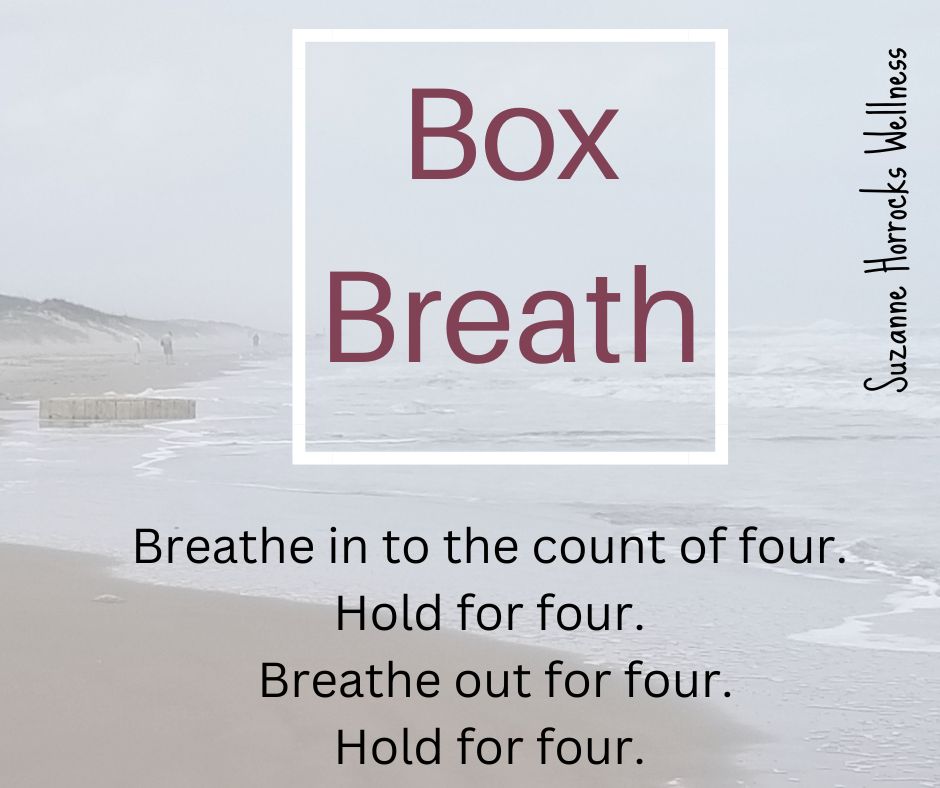
Use deep breathing as an anchor. When stress hits, your breath becomes shallow and rapid (the “fight or flight” response). Learning to intentionally practice diaphragmatic (belly) breathing sends a signal to your nervous system that you are safe, instantly lowering your heart rate and cortisol levels.
These are vital stress reduction techniques.
Sleep: The Cornerstone of Emotional Resilience
We often treat sleep as a negotiable luxury, but it is a biological necessity—and arguably the single most important habit for mental and emotional wellness. It is during sleep that your brain cleanses itself of metabolic waste, consolidates memories, and processes emotions.
Prioritize Consistency: Try to go to bed and wake up around the same time, even on weekends. This stabilizes your body’s natural circadian rhythm.
Create a “Wind-Down” Routine: An hour before bed, dim the lights and ditch the screens (smartphones, tablets, TV). Read a book, listen to gentle music, or take a warm bath. This signals to your brain that it’s time to switch from doing to being.
Optimize Your Sleep Environment: Ensure your bedroom is dark, quiet, and cool.
Journaling: Unloading the Mental Clutter
Your mind is for generating ideas, not for storing every single worry, to-do list item, and scattered thought. Writing things down is one of the most effective inner peace habits available.
Morning Pages (Brain Dump): Spend 5–10 minutes writing out whatever is on your mind, uncensored. This clears the clutter and allows you to start the day with more mental bandwidth.
Emotional Processing: If you are dealing with a difficult emotion, write about it. Naming the feeling and describing its cause reduces its intensity and allows you to gain perspective on the situation.
Boundary Setting: Journaling helps you identify what is causing you stress—be it overcommitment, a toxic relationship, or a poorly managed schedule. This clarity is the first step toward establishing the healthy boundaries needed for work-life balance.
The Practice of Non-Judgment
A huge source of mental distress is our internal self-criticism and judgment. The holistic path encourages self-compassion.
Talk to Yourself Like a Friend: When you make a mistake, notice the internal dialogue. Would you speak to your best friend the way you speak to yourself? Replace harsh judgment with gentle encouragement.
Accept What You Can’t Control: Acknowledge that life has uncertainties. Release the need to control outcomes and focus your energy only on the things that are within your sphere of influence (your actions, your effort, and your attitude).
—
Cultivating inner peace habits is the daily work of tending to your soul. When you commit to a foundation of mental and emotional wellness, you dramatically enhance your capacity to benefit from all the other pillars of holistic health. You become centered, resilient, and fully present for the beautiful life you are creating.
What is one small way you can create a “pause” in your busy day today to cultivate inner peace?
 Suzanne Horrocks