
Beyond the Diet

Nourishing food in jars with cloth lids

Welcome back! If you read our foundational guide, A Holistic Approach to Health and Wellness, you know that true well-being is built on four interconnected pillars. Today, we’re diving deep into the first, and arguably the most fundamental: Nourishment.

For too long, the conversation around food has been dominated by restrictive dieting, calorie counting, and a focus purely on aesthetics. But intentional nourishment is about so much more. It’s about recognizing food as the premium-grade fuel your body and mind need to thrive, feel energized, and maintain vibrant health.

This isn’t about chasing the latest fad; it’s about establishing healthy eating habits for adults that last a lifetime. Let’s explore how to transform your relationship with food and unlock the powerful benefits of true whole-body nourishment.

🍽️ The Power of Whole Foods: Returning to Basics

The single most effective dietary shift you can make for mind body wellness is prioritizing whole, unprocessed foods.

What is a whole food? Simply put, it’s a food that is as close to its natural state as possible, with minimal processing and no added artificial ingredients. Think: a crisp apple, a handful of raw spinach, a piece of wild salmon, or a serving of brown rice.

* Focus on Nutrient Density: Whole foods are packed with vitamins, minerals, fiber, and phytonutrients (the compounds that give plants their color and health benefits). When you choose a nutrient-dense whole food over a calorie-dense, processed snack, you are providing your cells with the raw materials they need for optimal function.

* Embrace the Rainbow: Make it a fun, daily challenge to consume foods of different colors. Red tomatoes, yellow peppers, purple cabbage, and dark leafy greens all contain different arrays of antioxidants crucial for fighting inflammation and supporting immunity.

* The Fiber Factor: Fiber, found primarily in fruits, vegetables, and whole grains, is essential. It aids digestion, stabilizes blood sugar, and helps keep you feeling full longer, preventing those energy crashes and subsequent cravings.

💧 Hydration: The Unsung Hero of Healthy Habits

It might sound simple, but optimal hydration is a non-negotiable healthy habit for adults. Dehydration, even mild, can manifest as fatigue, poor concentration, headaches, and muscle cramps.

* The Morning Ritual: Start your day with a large glass of water, perhaps with a squeeze of lemon. This rehydrates your body after sleep and kick-starts your metabolism.

* Continuous Sips: Don’t wait until you’re thirsty—that’s a sign that dehydration has already begun. Keep a water bottle with you throughout the day and sip regularly. Herbal teas also count!

* Water and Mood: Research strongly suggests that proper hydration is linked to better mood regulation and decreased anxiety.

🧠 The Gut-Brain Connection

If we are talking about intentional nourishment, we must discuss the gut. Your gut microbiome—the trillions of bacteria living in your digestive tract—is often called your “second brain.” The communication pathway between your gut and your brain (the gut-brain axis) profoundly influences everything from your immune system to your emotional health.

* Feed Your Microbiome: Support a healthy gut by consuming fermented foods (like plain yogurt, sauerkraut, and kimchi) rich in probiotics. Also, consume prebiotics (fiber-rich foods like oats, bananas, and asparagus) which are the food that your beneficial gut bacteria thrive on.

* Reduce Inflammatory Foods: Highly processed foods, excessive sugars, and refined oils can promote the growth of harmful bacteria and cause inflammation in the gut, which can negatively impact your mental state.

🧘‍♀️ Mindful Eating: A Habit of Presence

You could eat the most perfect, nutrient-rich meal in the world, but if you eat it while stressed, standing up, or rushing through emails, your body’s ability to digest and absorb those nutrients is compromised.

Mindful eating is a powerful tool in establishing healthy eating habits for adults.

* Listen to Your Body: Pay attention to the signals of true hunger and fullness. Stop when you are satisfied, not overly stuffed.

* Eliminate Distractions: Turn off the TV, put down your phone, and step away from your desk.

* Engage Your Senses: Notice the smell, the colors, and the texture of your food.

* Chew Thoroughly: Digestion begins in the mouth. Chewing your food until it’s nearly liquid aids in the absorption of nutrients and reduces the burden on your stomach.

🎯 Creating Sustainable Nourishment Habits

Establishing true healthy eating habits for life requires consistency, not perfection.

  • Focus on Addition, Not Just Subtraction: Instead of obsessing over what to cut out, focus on what you can add to your plate—more vegetables, more fiber, more water.
  • Meal Prep Simple Staples: Dedicate an hour on the weekend to prepping simple ingredients like quinoa, roasted vegetables, and a batch of hard-boiled eggs. Having healthy options readily available makes the healthy choice the easy choice.

Intentional nourishment is an act of deep self-respect. It’s the daily choice to give your body the best fuel available, allowing you to show up as your most vibrant, energetic, and resilient self. By nurturing this pillar, you lay the strongest possible foundation for all other areas of your holistic health.

What’s one whole food you can add to your next meal to boost your mind body wellness? Share your nourishing idea below!
Diet Soda Is a Trade-Off, Not a Solution

What Your Body Has Been Trying to Tell You

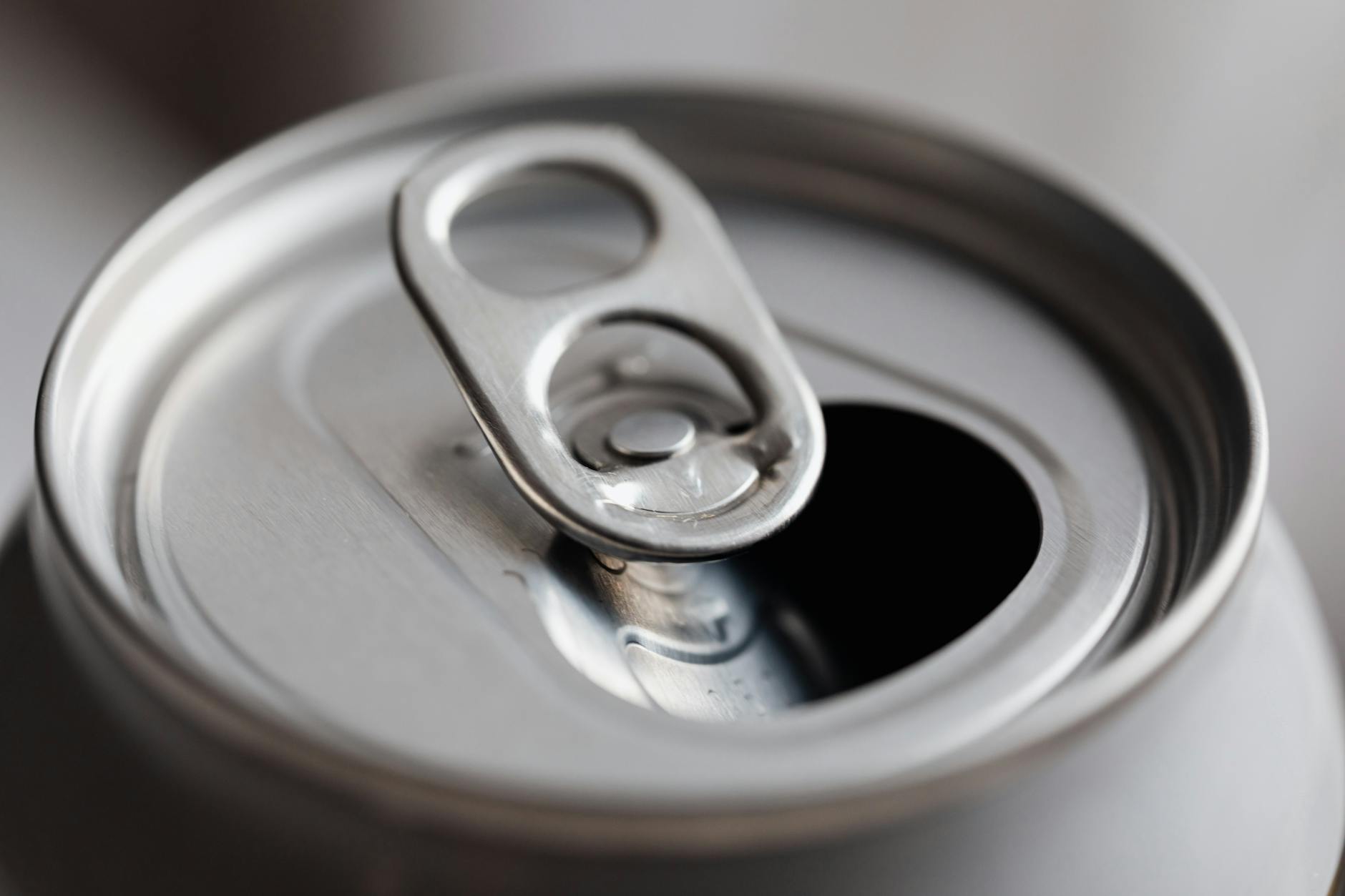
An opened can of soda

When you reach for a can of diet soda, it often feels like a smarter choice—less sugar, fewer calories, and a promise that you’re doing something better for your health. And on the surface, that promise feels comforting. It feels like you’ve found a loophole in your cravings, a shortcut around your habits, or a compromise that lets you keep the flavor you love without the “bad stuff.”

But here’s the truth most of us sense deep down:
Diet soda isn’t a solution. It’s a trade-off.

And in wellness, every trade-off has a cost.

Today, let’s explore what that cost really looks like—physically, mentally, and emotionally—and why breaking free from the diet-soda cycle can be one of the most empowering choices you make for your long-term well-being.


The Illusion of a Healthier Choice

Diet soda was created to mimic the taste and satisfaction of regular soda without the calories. It’s marketed as lighter, friendlier, and somehow “health-conscious.”

But your body knows the difference.

And so does your nervous system, your hormones, your digestive system, and your long-term energy.

Sugar substitutes don’t provide your body with nourishment. They deliver sweetness without substance, flavor without fuel. They light up the taste receptors in your brain in the same way sugar does, but the follow-through—the satisfaction, the steady energy, the natural shut-off point—never arrives.

This leaves your body in a confused state, often increasing cravings rather than decreasing them. It’s like ringing a dinner bell without serving a meal.

And when your body feels confused, it compensates in ways you may not love:
• More snacking
• More hunger
• More cravings for highly-sweet, highly-processed foods
• More “I’ll start fresh tomorrow” cycles

Sound familiar?


Why Diet Soda Creates Another Problem Instead of Solving One

Diet soda doesn’t remove the habit—it replaces it with a different version of the same pattern.

1. The Sweetness Loop

Artificial sweeteners are designed to be intensely sweet—sometimes hundreds of times sweeter than sugar itself. That level of intensity can shift your taste buds over time. Real, nourishing foods—fruit, tea, water with lemon—begin to taste muted in comparison.

This keeps your palate addicted to strong, artificial sweetness instead of gently recalibrating to natural flavor.

2. The Hormone Disruption

Research continues to explore how artificial sweeteners impact insulin response and metabolism, and the growing evidence suggests a complicated picture. Even without calories, your body can still respond as if sugar has entered the system.

This can contribute to blood sugar swings, energy dips, and the kind of persistent low-grade hunger that keeps you reaching for processed snacks or more diet soda.

3. The Hydration Problem

Diet soda doesn’t hydrate you. It contains compounds that can pull water from your system, leaving you feeling sluggish, tense, or more fatigued than expected. And when you’re tired, cravings intensify.

4. The “I Deserve This” Cycle

When you drink something you’ve labeled as “better,” it’s easy to feel like you’ve earned a treat later. This can trigger the exact over-consumption you were trying to avoid.

In other words:
Diet soda can keep you stuck in the very cycle you hoped it would fix.


A Moment of Self-Honesty

You might love diet soda. You might rely on it for a pick-me-up, a flavor craving, or a moment of comfort. There is no shame in that.

But there is power in pausing long enough to say:

“Is this really serving me?”

If the answer is no—or even a hesitant maybe—then you’re already standing at the doorway of transformation.


What Real Solutions Look Like

A real solution nourishes you.
It supports your hormones, your hydration, your nervous system, and your ability to reset old habits with clarity instead of confusion.

A real solution helps you feel:

• more energized
• less bloated
• more in control of your cravings
• more grounded in your choices
• more connected to your long-term wellness vision

This is why breaking the soda cycle—diet or regular—is one of the most liberating changes you can make.

And you don’t have to do it alone.


A Clear Path Forward: The Stop Drinking Soda Guide

If you’re ready to step out of the trade-off and into something better, I created the Stop Drinking Soda Guide as a gentle, practical resource to support your shift.

Inside this guide, you’ll find:

• Simple steps to break the soda habit
• A deeper understanding of your triggers
• Easy hydration swaps that actually taste good
• Supportive mindset shifts to help you stay consistent
• Bonus downloads: 7 Soda Swaps and The Price of Soda (limited time)

This guide was designed to help you stop negotiating with yourself, stop feeling stuck, and start feeling aligned with your true wellness intentions.

You are capable of more freedom than diet soda has ever offered you.


When You Let Go of the Trade-Off, You Make Room for Something Better

Your body doesn’t need tricks.
It doesn’t need fake sweetness.
It doesn’t need substitutes that confuse your system and keep you tethered to the very habit you want to outgrow.

Your body needs clarity.
Hydration.
Support.
Consistency.
And choices that nourish you—body and mind.

Let today be the moment you step toward that clarity.


Your Next Step (A Gentle Invitation)

If you’re ready to feel better, clearer, and more in control of your habits, your healing, and your energy, I invite you to take the next small step.

Download the Stop Drinking Soda Guide today and begin releasing the patterns that no longer serve you. Your future self will thank you for this shift.

👉 Click here to get your guide and start your transformation now.

You deserve a life that feels balanced, hydrated, and fully yours again.

The Benefits of Drinking Water: Why Your Body Will Thank You

Water with lemon on a table

Have you ever noticed how good a glass of water feels when you’re really thirsty? It’s refreshing, energizing, and instantly makes you feel better. Water is one of the simplest and most powerful things you can give your body every single day. Yet, many of us don’t drink nearly enough of it. We get caught up with coffee, soda, tea, or energy drinks and forget the basics: our bodies are made up of mostly water, and we need it to function at our best.

In this post, we’ll talk about the benefits of drinking water, why it’s so important for your health, and how you can make it part of your daily routine.


Why Water Matters So Much

Water is like fuel for your body. Just like your car won’t run without gas, your body can’t run without water. Every single cell, tissue, and organ in your body needs it. From regulating your temperature to helping your brain stay sharp, water plays a role in almost everything your body does.

Think of water as the ultimate multitasker:

  • It keeps your skin healthy and glowing.
  • It cushions your joints and muscles.
  • It helps flush out toxins and waste.
  • It carries nutrients and oxygen to your cells.

When you don’t drink enough, you feel it—headaches, fatigue, dizziness, and even mood swings can all be signs of dehydration.


7 Amazing Benefits of Drinking Water

1. Boosts Your Energy

Feeling sluggish in the afternoon? Before reaching for another cup of coffee, try a glass of water. Dehydration is one of the top causes of fatigue. Even mild dehydration can make you feel tired and less focused. Water helps your blood flow more easily, so oxygen and nutrients can reach your cells. That means more energy and less brain fog.

2. Improves Digestion

Your digestive system needs water to break down food and absorb nutrients. Drinking water before or during meals can help prevent constipation and keep things moving smoothly. If you’ve ever struggled with bloating or discomfort after eating, upping your water intake might make a big difference.

3. Supports Weight Management

If you’re trying to lose weight or simply maintain a healthy one, water can be your best friend. Sometimes when you feel hungry, your body is actually thirsty. Drinking a glass of water before meals can help you feel full and keep you from overeating. Plus, swapping soda or sugary drinks for water can cut hundreds of calories a day without feeling like a sacrifice.

4. Keeps Your Skin Looking Fresh

Dry, tired-looking skin is often a sign of dehydration. While water won’t erase wrinkles, it does help your skin stay soft, smooth, and clear. Think of it as an inside-out moisturizer. When your body is well-hydrated, your skin has a natural glow that no lotion can match.

5. Helps Your Body Detox Naturally

Your kidneys rely on water to do their job—filtering out waste and toxins from your blood. Without enough water, your kidneys have to work harder, and waste can build up. Drinking water supports your body’s natural detox process and helps prevent problems like kidney stones and urinary tract infections.

6. Regulates Your Temperature

Have you ever noticed you sweat more when it’s hot outside or when you’re exercising? That’s your body’s way of cooling down. But sweating also means losing fluids. Drinking water replaces what you’ve lost and helps keep your temperature balanced. It’s especially important during summer months or if you’re physically active.

7. Supports Brain Function

Your brain is about 75% water, so it’s no surprise that staying hydrated helps you think more clearly. Dehydration can affect concentration, memory, and even mood. Studies show that people who drink enough water are less likely to feel anxious, irritable, or mentally drained.


How Much Water Do You Really Need?

You’ve probably heard the “8 glasses a day” rule, but the truth is, everyone’s needs are different. Your age, weight, activity level, and even the weather can all affect how much water you should drink.

A simple guideline: listen to your body. If you’re thirsty, drink. If your urine is light yellow or clear, you’re likely getting enough. Dark yellow? That’s a sign you may need more water.

A good starting point for most adults is about 64 ounces (8 cups) a day. But if you exercise, spend time outdoors, or drink dehydrating beverages like coffee or alcohol, you may need more.


Easy Tips to Drink More Water Every Day

If drinking water feels like a chore, try these simple tricks:

  • Start your morning with a glass of water before your coffee or tea.
  • Carry a reusable water bottle everywhere you go.
  • Add flavor naturally with lemon, lime, cucumber, or fresh berries.
  • Set reminders on your phone or use a water tracking app.
  • Swap one soda or sugary drink a day for water until it becomes a habit.

Remember, small steps add up. Even adding just one extra glass a day makes a difference.


Water is one of the easiest and most affordable ways to support your health. It fuels your energy, keeps your skin glowing, helps with digestion, and even boosts your mood. While it may not be as exciting as a fancy latte or as bubbly as soda, water gives your body exactly what it needs to thrive.

So the next time you’re reaching for a drink, make it water. Your body—and your future self—will thank you.