Why Magnesium Matters More Than You Think


If you’ve ever had trouble sleeping, felt more stressed than usual, or dealt with muscle cramps that just won’t go away, your body might be trying to tell you something: it needs more magnesium.

Magnesium is one of those minerals we don’t hear about much, but it quietly plays a huge role in how we feel each day. From helping your heart beat steadily to calming your nervous system, magnesium supports over 300 processes in your body.

Let’s explore what magnesium does, how to know if you’re getting enough, and simple ways to include more of it in your everyday routine.


What Is Magnesium and Why Do We Need It?

Magnesium is a mineral found in the earth, the sea, plants, and yes—your body. It helps with muscle function, nerve health, blood sugar control, and energy production. Think of it like the oil in your car’s engine: you don’t see it working, but if it’s missing, nothing runs smoothly.

Some key benefits of magnesium include:

  • Calming the nervous system, which helps reduce feelings of anxiety and stress
  • Supporting deeper, more restful sleep
  • Easing muscle tension and cramps
  • Supporting bone health
  • Helping keep your heart rhythm steady
  • Regulating blood sugar levels

In short, magnesium helps us feel more balanced—physically and emotionally.


Signs You Might Be Low on Magnesium

It’s estimated that almost half of adults in the U.S. aren’t getting enough magnesium from their diet. And the signs of a deficiency can be easy to overlook because they often blend into our everyday lives.

Here are some common signs of magnesium deficiency:

  • Trouble falling or staying asleep
  • Frequent headaches or migraines
  • Muscle twitches, cramps, or restless legs
  • Feeling anxious, edgy, or low in mood
  • Low energy or chronic fatigue
  • Irregular heartbeat or high blood pressure
  • Sugar cravings, especially chocolate

Of course, these symptoms can have more than one cause—but if several of them feel familiar, it might be worth taking a closer look at your magnesium intake.


How to Get More Magnesium Naturally

The good news? You don’t need fancy supplements to start getting more magnesium. Many everyday foods are naturally high in magnesium, and making small changes to your diet can make a big difference.

Here’s a list of foods high in magnesium:

  • Dark leafy greens (like spinach, Swiss chard, kale)
  • Nuts and seeds (pumpkin seeds, almonds, cashews)
  • Whole grains (brown rice, oats, quinoa)
  • Beans and lentils
  • Avocados
  • Bananas
  • Dark chocolate (yes, really!)

Adding just a handful of pumpkin seeds to your salad or enjoying a square of dark chocolate after dinner can start to move the needle.


Should You Consider a Magnesium Supplement?

For some people, food might not be enough—especially if you’re dealing with chronic stress, taking certain medications, or have digestive issues that make it harder to absorb nutrients. In those cases, a magnesium supplement might help.

There are different types of magnesium supplements, and each one supports the body in slightly different ways. If you’re considering one, talk with your healthcare provider about which form and dose might be right for you.

If you prefer a more natural route first, magnesium-rich Epsom salt baths are a relaxing way to absorb magnesium through the skin. Just soak for 20 minutes and enjoy the calming effects.


Daily Magnesium Needs

So how much magnesium do you actually need?

Here’s a simple guideline for adults:

  • Women: 310–320 mg per day
  • Men: 400–420 mg per day

If you’re pregnant, breastfeeding, or under extra stress, your needs may be slightly higher.

Tracking magnesium can be tricky since food labels don’t always list it, but if you’re eating a variety of whole foods—especially greens, nuts, and grains—you’re on the right track.


A Gentle Shift Toward Balance

You don’t need to overhaul your life to reap the benefits of magnesium. Start small. Add a few magnesium-rich foods to your plate. Swap white rice for brown rice now and then. Soothe your tired muscles in a warm Epsom salt bath. Pay attention to how you feel.

Sometimes, the body whispers before it shouts. Magnesium is one of those quiet helpers that keeps us steady and strong in the background. When we nourish ourselves with what we truly need, everything else starts to flow with a little more ease.

Magnesium might not get the spotlight, but it could be the missing piece in your wellness puzzle.


Six Ways to Move your Body That Feels Good, Not Like Punishment

Reconnect. Rediscover. Rejoice in Movement.

When you hear the word “exercise,” what feelings come up for you?
Excitement? Dread? Guilt?

For many of us, moving our bodies has been tied to ideas of punishment—working off a big meal, changing how we look, or making up for “bad” choices. No wonder it can feel heavy, overwhelming, or even a little painful.

But it doesn’t have to be this way. Movement can be a celebration, not a chore. It can be a way to feel more alive, more connected, and more joyful. The key is learning how to move your body in ways that feel good, not like punishment.

Let’s explore how to shift your relationship with movement into something that truly supports your well-being.


1. Focus on How It Feels, Not How It Looks

Our culture often focuses on the appearance-related outcomes of exercise—weight loss, muscle tone, fitting into smaller clothes. But when we only look for visible results, we miss the real gifts movement gives us:

  • A clearer mind
  • A lighter mood
  • More energy
  • Better sleep
  • A sense of strength and empowerment

When you choose movement based on how it makes you feel—calm, strong, energized—you start to view it as a gift to yourself, not a task on a to-do list.

Ask yourself: How do I want to feel after I move today?
Let that answer guide your choices.


2. Find Your Joyful Movement

There’s no “right” way to move your body. If you don’t love the gym, you’re not alone—and you don’t have to force yourself to be there.

Movement can be anything that gets your body engaged:

  • Dancing in your kitchen
  • Taking a walk around the block
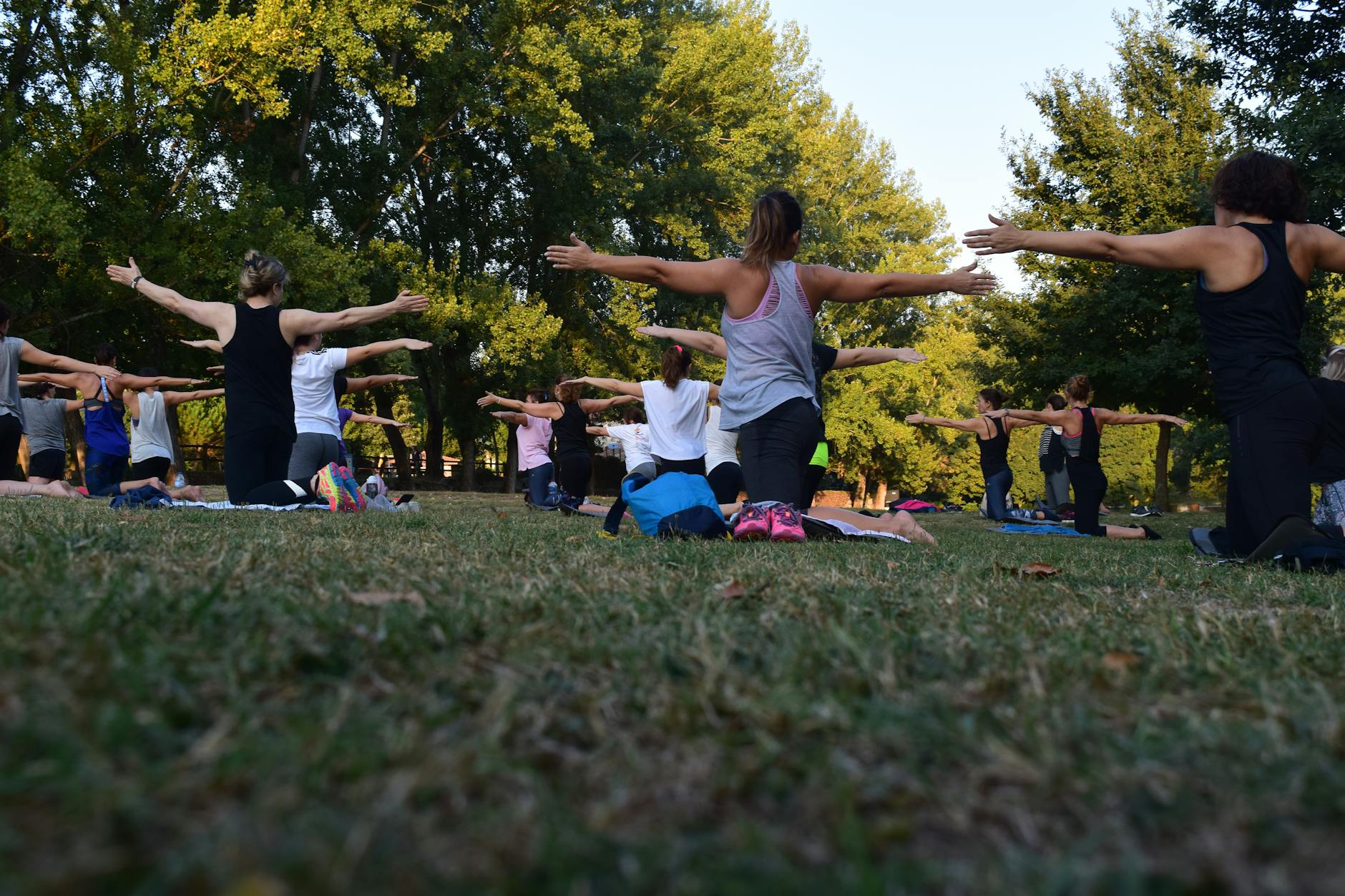
  • Stretching with a gentle yoga video
  • Playing tag with your kids or grandkids
  • Hiking in nature
  • Swimming, gardening, or even cleaning to your favorite upbeat music

If it brings you joy, if you lose track of time doing it—that’s your kind of movement. It doesn’t have to be structured or intense to count.


3. Give Yourself Permission to Move Differently Every Day

Some days you might crave a brisk walk. Other days, all your body wants is some light stretching or gentle breathing exercises. That’s not laziness—that’s wisdom.

Listen to your body.
Give yourself permission to choose a different type of movement depending on how you’re feeling physically, mentally, and emotionally. Honoring your body’s needs builds trust—and that trust helps you stay consistent over time.

Remember, consistency doesn’t mean doing the same thing every day. It means checking in with yourself and moving in the way you need most that day.


4. Ditch the “No Pain, No Gain” Mentality

You’ve probably heard the phrase “no pain, no gain.” And while it’s true that building strength sometimes means pushing a little, exercise should never feel like punishment.

Pain is your body’s way of saying, “Hey, something’s not right.”
Discomfort that comes from effort (like breathing harder during a walk) is normal. But sharp pain, dizziness, or feeling emotionally drained afterward are not signs of a healthy relationship with movement.

Respect your limits. Progress happens when we nurture our bodies, not when we beat them up.


5. Celebrate What Your Body Can Do

Instead of focusing on what you can’t do (yet), celebrate what you can:

  • Maybe you can walk for 10 minutes without stopping.
  • Maybe you can lift your arms higher than you could last week.
  • Maybe you can breathe more deeply and fully during a stretching session.

Every small step deserves celebration. Your body is strong and wise. It’s doing incredible things every day—even on the days that feel slow or gentle.


6. Create an Environment That Inspires You

Sometimes the hardest part of moving is simply getting started. Creating an environment that lifts your spirit can help.

  • Make a playlist of songs that energize you.
  • Wear clothes you feel good in.
  • Move in a space that feels welcoming—whether it’s outdoors, in your living room, or at a favorite park.
  • Invite a friend to join you if community inspires you.

Setting the stage can turn movement into a time you actually look forward to.


Final Thoughts

Movement isn’t a punishment for the food you ate or the shape of your body. It’s a celebration of all the amazing things your body can do. It’s a way to show yourself care, love, and respect.

By choosing ways to move that feel good, you’re building a sustainable, joyful relationship with your body—one that will support your health and happiness for years to come.

So, today, instead of asking, “What workout should I do?”
Ask yourself, “How can I move my body in a way that feels good today?”

Your body—and your heart—will thank you.


Seven Ways to Stay Consistent With Healthy Habits


Small Steps. Big Changes. Lasting Wellness

We all know how good it feels to start a new healthy habit. The motivation is high, we’re excited, and we can almost see the results already. But then… life happens. A busy week, low energy, or unexpected stress can throw us off track. And suddenly, that new habit feels more like a chore than a choice.

If this sounds familiar, you’re not alone. Staying consistent with healthy habits is one of the biggest challenges many of us face. But here’s the good news: you don’t need perfection to see progress. What you need is a plan that feels realistic, supportive, and kind to your real life.

Let’s talk about seven simple, natural ways to stay consistent with the healthy habits that matter most to you.


1. Start Small, Then Build

When we try to change too much too fast, we often burn out. It’s tempting to overhaul everything at once—change your diet, start exercising every day, meditate, drink more water, go to bed earlier. But our minds and bodies do better with small, steady changes.

Pick one healthy habit you want to focus on first. Maybe it’s adding more veggies to your meals. Or walking for 10 minutes a day. Once that feels natural, add another. Slow and steady really does win this race.


2. Make It Easy To Win

Set yourself up for success by making your healthy choices easy to reach.

  • Keep a water bottle nearby.
  • Leave your walking shoes by the door.
  • Prep healthy snacks ahead of time.
  • Set out your vitamins or supplements where you’ll see them.

The fewer steps between you and your habit, the more likely you’ll follow through. It’s not about willpower—it’s about making the healthy choice the easy one.


3. Create a Routine (But Keep It Flexible)

Our brains love routines. When a habit becomes part of your daily flow, it takes less mental energy to do it. Attach your habit to something you already do, like:

  • Stretching after brushing your teeth
  • Drinking a glass of water before your morning coffee
  • Taking a walk after dinner

That said, life isn’t always predictable. So allow flexibility. If you can’t do your full 30-minute workout, do five minutes of movement. If you can’t cook a full meal, choose a healthy shortcut. Something is always better than nothing.


4. Track Your Progress (And Celebrate It!)

Seeing your own progress can be incredibly motivating. Use a habit tracker, a journal, or even a calendar where you mark off the days you follow through. These small wins add up—and they remind you that you’re doing the work, even when it doesn’t feel like much.

💛 Need a simple habit tracker to help you stay on track?
Grab your free printable here:
👉 Download the Habit Tracker

It’s a great way to stay focused and celebrate your progress each day.


5. Focus on How It Feels

We often get stuck focusing on outcomes: the number on the scale, how clothes fit, or whether we’ve hit a certain goal. But the real magic happens when we focus on how our habits make us feel.

Do you feel more clear-headed after drinking water?
Do you sleep better when you power down your screen before bed?
Does a short walk help you feel more grounded?

When your habits are tied to how you want to feel—not just how you want to look—they’re more likely to stick around for the long haul.


6. Give Yourself Grace

We all miss a day (or a week). We all fall off sometimes. The key to staying consistent is to keep coming back—without guilt or shame. It’s not failure. It’s just part of the process.

If you skip your habit, pause. Ask yourself: What got in the way? What would make it easier next time? Be gentle. Then begin again. Every day is a chance to recommit to the version of you that you’re becoming.


7. Surround Yourself With Support

Having people around you who support your healthy habits can make a huge difference. Join a community, find an accountability buddy, or simply share your goals with a friend or loved one.

If you’re on this journey alone, know that you’re not truly alone. There are people walking this same path—and it’s okay to reach out for encouragement, connection, or a fresh dose of motivation.


Final Thoughts

Consistency doesn’t mean perfection. It means showing up for yourself, again and again, in ways that feel manageable and meaningful. Healthy habits are built one small choice at a time. And those small choices? They add up to real transformation.

So keep going. Keep choosing what supports your well-being. Trust your pace. And remember—every small step counts.

How to Improve Sleep Naturally

If you’ve ever struggled to fall asleep—or stay asleep—you’re not alone. A good night’s sleep is essential for feeling your best, yet so many people toss and turn through the night. Before turning to sleep aids or medications, consider natural ways to support your body’s ability to rest.

Improving your sleep naturally is possible, and it starts with small, intentional habits that signal to your body and mind that it’s time to wind down. Let’s explore some easy-to-follow strategies to help you sleep better, feel better, and wake up refreshed.

1. Create a Consistent Sleep Schedule

One of the best ways to improve your sleep is to go to bed and wake up at the same time every day—even on weekends. Your body thrives on rhythm, and a consistent sleep schedule helps regulate your internal clock.

Try setting a regular bedtime that allows for 7 to 9 hours of sleep and stick with it as much as possible. Over time, your body will begin to recognize when it’s time to rest, making it easier to fall asleep naturally.

2. Build a Calming Bedtime Routine

A relaxing evening routine signals to your brain that it’s time to slow down. Choose calming activities that help you unwind, such as:

  • Reading a book
  • Taking a warm bath
  • Gentle stretching
  • Journaling or writing down a gratitude list
  • Listening to soft music or a calming podcast

Try to start your routine about 30 to 60 minutes before bed. Avoid anything that feels stimulating or stressful, like checking emails or watching intense TV shows.

3. Limit Screen Time Before Bed

Phones, tablets, and TVs emit blue light that can interfere with the production of melatonin, a hormone that helps you sleep. Try turning off screens at least an hour before bed to give your brain a chance to wind down.

If you do need to use a screen in the evening, consider turning on a blue light filter or wearing blue light-blocking glasses.

4. Create a Comfortable Sleep Environment

Your bedroom should feel like a peaceful retreat. Keep your sleep space clean, quiet, and cool. Here are a few ways to set the scene:

  • Use blackout curtains to block light
  • Turn on a fan or white noise machine to drown out background noise
  • Choose soft, breathable bedding
  • Keep the temperature cool—most people sleep best between 60 and 67 degrees Fahrenheit

Even small changes to your environment can make a big difference in how well you sleep.

5. Be Mindful of What You Eat and Drink

What you consume during the day affects your sleep at night. To support restful sleep:

  • Avoid caffeine in the afternoon and evening
  • Limit heavy meals close to bedtime
  • Stay hydrated, but reduce fluids an hour before bed to avoid waking up for bathroom trips
  • Skip alcohol before bed—it may make you sleepy at first but can disrupt your sleep cycle later in the night

6. Move Your Body During the Day

Physical activity helps regulate your energy levels and can improve the quality of your sleep. Aim for at least 20 to 30 minutes of movement most days of the week. This could be walking, stretching, dancing, or any activity you enjoy.

Try not to exercise too close to bedtime, as it may leave you feeling too energized to sleep.

7. Get Morning Sunlight

Exposure to natural light during the day—especially in the morning—can help set your body’s internal clock. Open your curtains first thing in the morning, step outside for a few minutes, or take a walk in the daylight.

Natural light signals to your brain that it’s time to be awake, which helps improve your sleep rhythm when it’s time to wind down.

8. Manage Stress and Worry

If your mind races at night, it may be helpful to find ways to reduce stress during the day. Practices like journaling, talking with a friend, meditating, or spending time in nature can help calm your thoughts.

If worry tends to pop up at bedtime, try writing down your thoughts or to-do list earlier in the evening so your mind feels more settled when it’s time to rest.

=====

Improving sleep naturally is about creating a lifestyle that supports rest, rather than pushing or forcing yourself to fall asleep. With a few small changes, your body can begin to respond to a calmer rhythm.

Start with one or two of the tips above, and give your body time to adjust. Sleep is not just a luxury—it’s a foundation of good health. When you sleep better, everything else feels a little easier.

What’s your favorite way to wind down at night? I’d love to hear your tips and experiences in the comments.

Easy, Healthy Meals for Busy Days

We all have those days when life moves too fast. Between work, family, errands, and everything in between, it can feel impossible to sit down and enjoy a healthy meal. The temptation to grab fast food or skip meals altogether is real—but it doesn’t have to be that way. With a little planning and a few simple recipes, you can have easy, nutritious meals ready to go, no matter how busy your schedule gets.

Here are some quick, healthy meal ideas that will keep you energized and feeling good throughout your day.

1. Overnight Oats for a Fast Breakfast

Mornings can be hectic, but skipping breakfast can leave you feeling sluggish. Overnight oats are an easy solution because they require no cooking and can be prepped the night before.

Basic Overnight Oats Recipe:

  • ½ cup rolled oats
  • ½ cup milk (or dairy-free alternative)
  • 1 tablespoon chia seeds (for extra fiber)
  • ½ teaspoon cinnamon
  • ½ cup fruit (berries, banana slices, or apple chunks)
  • 1 teaspoon honey or maple syrup (optional)

Mix everything in a jar, cover, and refrigerate overnight. In the morning, just grab and go! You can even add nuts or yogurt for more protein.

2. Quick & Healthy Wraps for Lunch

A wrap is a great way to get a balanced meal in minutes. Choose a whole wheat or spinach wrap, and fill it with lean protein, fresh veggies, and a tasty spread.

Simple Turkey & Avocado Wrap:

  • 1 whole wheat wrap
  • 3-4 slices turkey breast
  • ½ avocado, mashed
  • Handful of spinach or lettuce
  • 1 tablespoon hummus or mustard
  • Sliced tomatoes and cucumbers

Roll it up, slice in half, and enjoy. You can make this ahead of time and store it in the fridge for an easy grab-and-go meal.

3. One-Pan Dinners for Less Cleanup

When time is short, one-pan meals save the day. You get a healthy, homemade dinner without a pile of dishes.

Sheet Pan Chicken & Veggies:

  • 2 boneless, skinless chicken breasts (or tofu for a vegetarian option)
  • 1 bell pepper, sliced
  • 1 zucchini, chopped
  • 1 cup broccoli florets
  • 2 tablespoons olive oil
  • 1 teaspoon garlic powder
  • 1 teaspoon Italian seasoning
  • Salt & pepper to taste

Preheat oven to 400°F. Toss everything together on a sheet pan, spread evenly, and bake for 20-25 minutes until the chicken is cooked through. Serve with brown rice or quinoa for a complete meal.

4. Fast & Filling Smoothies

Smoothies are a great way to pack in nutrients when you don’t have time for a full meal.

Simple Green Smoothie:

  • 1 cup spinach
  • 1 banana
  • ½ cup frozen mango or pineapple
  • 1 cup almond milk (or regular milk)
  • 1 tablespoon peanut butter or almond butter (for protein)

Blend everything until smooth, and you have a refreshing, nutrient-packed meal in minutes. You can also prep smoothie ingredients in freezer bags ahead of time and just blend when you’re ready.

5. Protein-Packed Snack Boxes

If you find yourself snacking on chips or cookies because they’re convenient, try prepping a healthier alternative. A protein-packed snack box will keep you full and satisfied between meals.

Easy Snack Box Idea:

  • Hard-boiled eggs or cheese cubes
  • Almonds or walnuts
  • Sliced carrots and cucumbers
  • Hummus or Greek yogurt dip
  • Whole-grain crackers

Pack everything into a container, and you have a balanced snack ready whenever hunger strikes.

Meal Prep Tips for Even More Ease

  • Batch cook grains: Make a big batch of rice, quinoa, or pasta at the start of the week to use in multiple meals.
  • Chop veggies ahead of time: Store them in containers so they’re ready to throw into meals quickly.
  • Use rotisserie chicken: Shred it for wraps, salads, or grain bowls to save time.
  • Keep healthy staples on hand: Stock up on frozen veggies, canned beans, and pre-washed greens for easy meals anytime.

Final Thoughts

Eating healthy doesn’t have to be complicated or time-consuming. With a few smart choices and a little preparation, you can enjoy nutritious meals even on your busiest days. Try these easy recipes, mix and match ingredients you love, and set yourself up for success. Your body (and your schedule) will thank you!

What’s your favorite go-to meal when you’re short on time? Let me know in the comments!

How to Create a Self-Care Routine That Actually Works

We’ve all heard the buzz about self-care. It’s everywhere—from social media posts to magazine covers. But if we’re being honest, most of us struggle to make self-care a consistent part of our lives. It often ends up as a last-minute face mask or a bubble bath squeezed in after a long day. While those moments can be soothing, they aren’t enough to truly recharge us.

Real self-care goes deeper. It’s about creating a routine that fits your life and actually leaves you feeling refreshed, not just temporarily pampered. Let’s break it down into practical steps so you can build a self-care routine that sticks.

Why Self-Care Matters

Before we dive into the how, let’s talk about why self-care is so important. It’s not just about feeling good in the moment—it’s about long-term wellness. Regular self-care helps lower stress, boost mood, and even improve physical health. It gives your mind and body the reset they need to function at their best.

Without it, burnout becomes more likely. You might feel irritable, exhausted, or overwhelmed without realizing you’ve been running on empty. Prioritizing yourself isn’t selfish—it’s essential.

Step 1: Define What Self-Care Means to You

Self-care looks different for everyone. For some, it’s about quiet time with a book. For others, it’s a brisk walk or a creative hobby. The key is to figure out what genuinely makes you feel recharged.

Start by asking yourself:

  • When do I feel most relaxed or fulfilled?
  • What activities make me lose track of time in a good way?
  • What do I often wish I had more time for?

Jot down your answers. These clues will help you build a routine based on activities that truly fill your cup, rather than ones you think you “should” be doing.

Step 2: Choose Small, Consistent Habits

The biggest mistake people make with self-care is going too big, too fast. It’s tempting to plan an elaborate routine filled with yoga, journaling, and meditation. But if it’s not realistic for your lifestyle, it won’t last.

Instead, focus on small, doable habits you can stick with. For example:

  • If you’re busy: Try a 5-minute stretch in the morning or a short breathing exercise before bed.
  • If you have more flexibility: Schedule a weekly creative hour, nature walk, or self-care Sunday.
  • If you feel overwhelmed: Start with one self-care habit. Once it becomes a regular part of your routine, add another.

Consistency is more powerful than intensity. A little self-care daily is better than an all-out self-care day once a month.

Step 3: Set Boundaries Around Your Self-Care Time

Protecting your self-care time is just as important as creating it. Without clear boundaries, it’s easy for other responsibilities to creep in.

Try these tips:

  • Block it off on your calendar like any other appointment.
  • Tell your family or roommates when you’ll be unavailable.
  • Silence notifications during your self-care time.

Think of it as a non-negotiable part of your schedule. When you treat it like a priority, others will, too.

Step 4: Mix It Up When You Need To

Even the best routines can start to feel stale. If your self-care practice feels like another chore, it’s time to switch things up.

You can:

  • Try a new activity, like a dance class or painting.
  • Take your self-care outdoors—nature has a natural stress-relieving effect.
  • Add a social element, like inviting a friend for a walk or coffee.

Keeping your self-care routine fresh will prevent it from becoming just another box to check.

Step 5: Be Flexible with Yourself

Life happens. Some days, your self-care routine might go out the window—and that’s okay. Self-care isn’t about being perfect. It’s about being kind to yourself.

If you miss a day or your routine falls off track, don’t abandon it. Simply pick it back up when you can. The goal is progress, not perfection.

Simple Self-Care Ideas You Can Start Today

If you’re not sure where to begin, here are some easy self-care activities you can incorporate right away:

  • Morning stretch or light yoga to wake up your body.
  • Five minutes of deep breathing during a stressful moment.
  • A short, tech-free walk to clear your head.
  • A mini creative session—doodle, write, or play an instrument.
  • Unplug for an hour before bed for better sleep.

These small but powerful habits can add up to a healthier, happier you.

Final Thoughts

Creating a self-care routine that actually works doesn’t have to be complicated. The secret is to keep it simple, consistent, and personal. Choose activities that nourish you, set boundaries around your self-care time, and be flexible when life gets messy.

Most importantly, remember that self-care isn’t selfish—it’s necessary. When you care for yourself, you have more energy, patience, and compassion for everything and everyone else in your life. So, take a breath, give yourself permission to slow down, and make self-care a lasting part of your life.

If you found these tips helpful, share this post with a friend who could use a little more self-care in their life!

7 Simple Ways to Boost Your Energy Without Relying on Caffeine

When your energy dips, it’s easy to reach for a cup of coffee or an energy drink. And while caffeine can give you a quick boost, it often leads to a crash later, leaving you even more tired. The good news? You don’t need caffeine to feel more awake and alert. There are plenty of simple, natural ways to boost your energy that won’t leave you jittery or drained.

If you’re ready to feel more energized throughout the day without relying on coffee refills, here are seven easy and effective strategies.

1. Get Moving (Even for Just a Few Minutes)

When you’re low on energy, moving your body might feel like the last thing you want to do. But even a short burst of activity can give you a surprising energy lift.

Why? Physical movement gets your blood flowing, which delivers more oxygen to your brain and muscles. This wakes up your body and sharpens your focus.

Try this:

  • Walk around the block or take a few laps inside your home.
  • Do 10 jumping jacks or march in place for a minute.
  • Stretch your arms and legs to loosen up tight muscles.

You don’t need a full workout—just a little movement can help you shake off fatigue.

2. Hydrate, Hydrate, Hydrate

Dehydration is a sneaky energy zapper. Even mild dehydration can leave you feeling sluggish and foggy. Since your body relies on water to transport nutrients and oxygen, being low on fluids slows everything down.

Try this:

  • If you’re feeling tired, drink a full glass of water and wait 15–20 minutes. You might be surprised by how much better you feel.
  • Carry a water bottle with you throughout the day as a reminder to stay hydrated.
  • If plain water feels boring, add lemon slices, cucumber, or berries for a natural flavor boost.

3. Step Outside for Fresh Air and Sunlight

A few minutes of natural light and fresh air can do wonders for your energy levels. Sunlight helps regulate your body’s internal clock (circadian rhythm), which makes you feel more awake during the day and sleepier at night.

Try this:

  • Take a 5–10 minute walk outside during your lunch break.
  • If you’re stuck indoors, step outside for a quick stretch.
  • Open a window and breathe in the fresh air.

Even a short exposure to sunlight can improve your mood and help you feel more alert.

4. Snack Smart for Steady Energy

Sugary snacks might give you a temporary rush, but they quickly lead to an energy crash. Instead, opt for snacks that provide a steady release of energy by combining protein, fiber, and healthy fats.

Try this:

  • Apple slices with peanut butter
  • A handful of nuts and seeds
  • Greek yogurt with a sprinkle of granola
  • Carrot sticks with hummus

Balanced snacks keep your blood sugar stable, helping you avoid the rollercoaster of highs and lows.

5. Use Deep Breathing to Recharge

When you’re tired, your breathing tends to become shallow, which reduces the amount of oxygen reaching your brain. Taking a few deep, intentional breaths helps you feel more awake.

Try this:

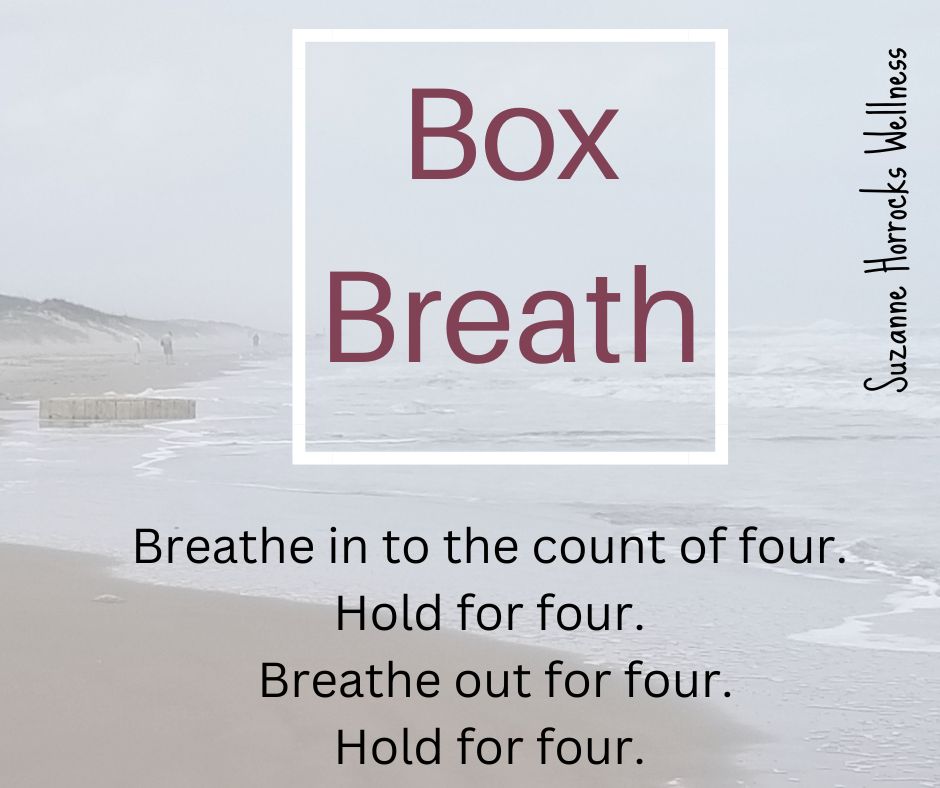
  • Inhale slowly through your nose for a count of four.
  • Hold the breath for four seconds.
  • Exhale slowly through your mouth for four seconds.
  • Repeat this a few times and notice how you feel.

Deep breathing increases oxygen flow and calms your nervous system, giving you a natural energy boost.

6. Take a Power Nap (But Keep It Short)

If you have the flexibility, a quick nap can help you recharge—just make sure it’s short. Naps between 10–20 minutes can improve alertness and mood without making you feel groggy.

Try this:

  • Set an alarm for 20 minutes or less.
  • Find a quiet, comfortable spot.
  • Keep the room dark or wear an eye mask to fall asleep faster.

Short naps give you a mental reset without interfering with nighttime sleep.

7. Listen to Upbeat Music

Music is a powerful tool for shifting your mood and energy levels. Fast-paced, upbeat music stimulates your brain and can make you feel more lively, even when you’re tired.

Try this:

  • Create an “energy boost” playlist with your favorite lively songs.
  • When you feel sluggish, put on a song that makes you want to move.
  • Dance around or sing along—it’ll lift your energy even more.

Music activates your brain’s reward center, giving you a quick boost of feel-good energy.

You Don’t Need Caffeine to Feel Energized

While caffeine can give you a temporary lift, it’s not the only way to stay energized. By moving your body, hydrating, getting fresh air, snacking smart, and practicing deep breathing, you can naturally boost your energy throughout the day—no crash required.

The next time you feel drained, try one of these simple tips. You might be surprised by how quickly your energy bounces back – naturally.

What Do You Want to Learn About Wellness?


When it comes to health and wellness, there’s no one-size-fits-all approach. We all have different needs, different challenges, and different goals. Some of us want to feel more energetic, some want to manage stress better, and others just want simple, realistic ways to take better care of ourselves.

That’s why I want to hear from you.

What questions do you have about wellness? What’s been on your mind when it comes to feeling your best? Whether you’re curious about healthy habits, self-care, movement, mindfulness, or anything in between, I want to make sure the content I share is helpful and relevant to you.

Wellness That Fits Your Life

There’s so much information out there about health, fitness, and self-care—sometimes it’s overwhelming. One expert says one thing, another says the opposite. It’s easy to get stuck in a cycle of reading, researching, and overthinking instead of taking small steps that actually make a difference.

That’s why I focus on real-life wellness—the kind that fits into your daily routine without feeling like another chore on your to-do list. I want to help you find what works for you rather than giving you a long list of things you “should” be doing.

But to do that, I need to know what you’re struggling with or what you’d like to learn more about.

Common Wellness Questions—Do Any of These Sound Like You?

If you’re not sure where to start, here are some common wellness topics people often ask about:

  • Simple ways to boost energy without relying on caffeine
  • How to create a self-care routine that actually works
  • Easy meal ideas for busy days
  • How to improve sleep naturally
  • Ways to stay consistent with healthy habits
  • Mindfulness and stress relief techniques that don’t take much time
  • How to move your body in ways that feel good, not like punishment

Do any of these resonate with you? Or do you have something else on your mind when it comes to wellness? Let me know—I’d love to create content that supports you on your journey.

Let’s Make Wellness Simple and Doable

Wellness doesn’t have to be complicated. It doesn’t have to be about strict diets, exhausting workouts, or rigid routines. Instead, it can be about small, sustainable choices that help you feel better—not overwhelmed.

So tell me, what do you want to learn more about? Drop your thoughts in the comments or send me a message. Your input will help shape future blog posts, emails, and community discussions.

I’m here to support you in a way that makes sense for your life. Let’s build a wellness journey that feels good—together.


How to Stay Motivated on Your Wellness Journey

Starting a wellness journey is exciting, but staying motivated can be challenging. Life gets busy, progress feels slow, and sometimes it’s easier to fall back into old habits. But the good news is that motivation isn’t something you either have or don’t have—it’s something you can create and maintain.

Here’s how to stay motivated on your wellness journey, even when the initial excitement fades.

1. Set Meaningful Goals

Instead of vague goals like “I want to be healthier,” set specific and realistic goals that matter to you. Whether it’s having more energy, being more flexible, having less pain, or simply feeling good in your body, defining your why will give you a reason to keep going.

Break big goals into smaller, achievable steps. Celebrating small wins will keep you motivated and help you stay on track.

2. Focus on Progress, Not Perfection

One of the biggest motivation killers is the belief that you have to be perfect. A wellness journey isn’t about following strict rules—it’s about making gradual improvements.

Missed a workout? Ate something that wasn’t part of your plan? That’s okay! What matters is what you do most of the time, not what happens once in a while. Give yourself grace and keep moving forward.

3. Find Activities You Enjoy

If your wellness routine feels like a chore, it’s going to be hard to stick with it. The best way to stay motivated is to choose activities that you actually like.

Don’t enjoy running? Try dancing, yoga, hiking, or swimming instead. Love cooking? Experiment with new healthy recipes. Wellness should enhance your life, not feel like a punishment.

4. Create a Routine That Fits Your Lifestyle

Motivation often fades when wellness feels like another obligation. Instead of trying to squeeze in workouts and meal prep around a busy schedule, find ways to integrate them into your daily life.

Take short walks during lunch breaks, prepare simple healthy meals, or stretch before bed. The easier your routine is to maintain, the more likely you are to stick with it.

5. Track Your Progress

Seeing how far you’ve come is one of the best ways to stay motivated. Keep a journal, take progress photos, or use an app to track workouts and habits. Even small improvements—like more energy, better sleep, or fewer cravings—are signs of progress worth celebrating.

6. Surround Yourself with Support

Motivation thrives in a supportive environment. Connect with friends, family, or an online community that shares your goals. Having people to encourage you, celebrate your wins, and lift you up when you struggle makes a huge difference.

If possible, find a wellness buddy. Exercising or meal planning with someone else can make the process more enjoyable and keep you accountable.

7. Keep It Fun and Fresh

Doing the same thing over and over can lead to boredom and burnout. Keep your wellness journey exciting by trying new things.

Switch up your workouts, try different healthy recipes, explore new outdoor activities, or take a wellness class. Variety keeps things interesting and helps prevent plateaus.

8. Practice Self-Compassion

It’s normal to have setbacks. Instead of being hard on yourself, recognize that progress isn’t always linear. What’s important is that you keep showing up for yourself, even when things don’t go perfectly.

When you feel discouraged, remind yourself why you started. Take a deep breath, refocus, and keep going. Your wellness journey is about feeling your best—not about being perfect.

Final Thoughts

Staying motivated on your wellness journey isn’t about willpower—it’s about setting yourself up for success. Find joy in the process, celebrate progress, and be kind to yourself along the way.

What’s one thing that keeps you motivated? Share in the comments—I’d love to hear your thoughts!

10 Effective Ways to Live a Healthy Lifestyle

In today’s fast-paced world, maintaining a healthy lifestyle can feel like a daunting task. Yet, with the right strategies, it’s not only achievable but also rewarding. A healthy lifestyle is not just about eating right or exercising but encompasses various aspects of our lives, contributing to our overall well-being.

According to the World Health Organization, a healthy lifestyle can prevent up to 80% of heart disease, stroke, and type 2 diabetes.

Let’s explore ten effective ways to embrace a healthy lifestyle.

1. Balanced Nutrition

Eating a balanced diet is fundamental to a healthy lifestyle. It provides essential nutrients that fuel our bodies and support bodily functions.

Tips:

  • Eat a Variety of Foods: Incorporate a mix of fruits, vegetables, lean proteins, and whole grains.
  • Portion Control: Use smaller plates to help manage portion sizes.
  • Limit Processed Foods: Opt for fresh, whole foods whenever possible

2. Regular Physical Activity

Exercise is crucial for maintaining a healthy lifestyle. It strengthens the heart, improves circulation, and boosts mental health.

Tips:

  • Set Realistic Goals: Aim for at least 150 minutes of moderate exercise weekly.
  • Mix It Up: Combine aerobic exercises with strength training.
  • Stay Consistent: Create a routine that fits your lifestyle.

3. Mindfulness and Meditation

Mindfulness and meditation can significantly reduce stress and improve mental health.

Tips:

  • Start Small: Begin with just five minutes of meditation each day.
  • Use Guided Sessions: Apps like Headspace offer guided meditations for beginners.
  • Practice Mindfulness Daily: Focus on being present in everyday tasks.

4. Adequate Sleep

Quality sleep is as integral to a healthy lifestyle as diet and exercise. The CDC states that adults need 7-9 hours of sleep per night.

Tips:

  • Create a Sleep Schedule: Go to bed and wake up at the same time daily.
  • Limit Screen Time Before Bed: Reduce exposure to screens at least an hour before sleeping.
  • Create a Relaxing Environment: Ensure your bedroom is dark, quiet, and cool.

5. Social Connections

Building and maintaining strong social connections is vital for emotional health.

Tips:

  • Schedule Regular Meet-Ups: Plan weekly or monthly gatherings with friends or family.
  • Join Clubs or Groups: Engage in community groups or clubs that align with your interests.
  • Volunteer: Volunteering can help build connections while contributing to the community.

6. Digital Detox

Taking regular breaks from digital devices can improve mental health and productivity.

Tips:

  • Set Specific Times for Digital Use: Allocate specific periods for checking emails or social media.
  • Engage in Offline Activities: Try hobbies that don’t involve screens, like gardening or crafting.
  • Create Tech-Free Zones: Designate spaces in your home where electronics are not allowed.

7. Hydration

Staying hydrated is critical for maintaining energy levels and supporting bodily functions.

Tips:

  • Carry a Water Bottle: Keep a reusable water bottle with you at all times.
  • Set Reminders: Use apps or alarms to remind you to drink water regularly.
  • Infuse with Flavor: Add fruits or herbs to your water for a refreshing taste.

8. Healthy Habits

Developing healthy habits can lead to long-term benefits.

Tips:

  • Start Small: Focus on one habit at a time to avoid overwhelm.
  • Track Progress: Use journals or apps to monitor your habits.
  • Reward Yourself: Celebrate small victories to stay motivated.

9. Financial Well-being

Financial health is an often-overlooked aspect of a healthy lifestyle but is crucial for reducing stress.

Tips:

  • Budgeting: Create a monthly budget to track expenses and savings.
  • Emergency Fund: Set aside a small amount each month for unexpected expenses.
  • Financial Education: Utilize online courses or books to improve financial literature.

10. Continuous Learning

Keeping your mind active and engaged is essential for cognitive health and personal growth.

Tips:

  • Read Regularly: Dedicate time each day to reading books or articles.
  • Enroll in Courses: Online platforms like Coursera offer a plethora of courses on various topics.
  • Attend Workshops and Seminars: Participate in local events to enhance your knowledge.

Conclusion

Embracing a healthy lifestyle is a journey that involves making conscious choices and building habits that promote well-being. From balanced nutrition and regular exercise to mindfulness and financial health, each strategy plays a vital role in enhancing your quality of life. Remember, small changes can lead to significant improvements over time.

As you begin to adopt healthy habits, ask yourself: What steps will you take today towards a healthier lifestyle? How can these changes positively impact your family and community? Embrace the challenge and enjoy the process of becoming the best version of yourself.

Here’s to a healthier, happier you!