Nourishing Wellness: The Power of Plant-Based Eating in Preventing Breast Cancer

Welcome, health-conscious readers, to another insightful blog post on the journey towards optimal well-being.

Today, we’re delving into a topic that holds immense importance for women worldwide: preventing breast cancer through the nourishing embrace of plant-based eating. The link between our dietary choices and health outcomes has never been clearer, and adopting a plant-centric approach can significantly reduce the risk of breast cancer while promoting overall vitality.

Understanding the Connection

Breast cancer, a concern that affects millions of women, has prompted researchers to explore avenues for prevention beyond conventional methods. Recent studies have highlighted the profound influence of our diet on cancer development. A diet rich in plant-based foods, encompassing vibrant fruits, vegetables, whole grains, legumes, nuts, and seeds, offers a myriad of protective compounds that can actively shield against breast cancer.

Phytonutrients and Antioxidants

Plant-based foods are treasure troves of phytonutrients and antioxidants, which are natural compounds that combat oxidative stress and inflammation—two key drivers of cancer growth. Berries like blueberries and raspberries, leafy greens like spinach and kale, and cruciferous vegetables like broccoli and cauliflower are brimming with these disease-fighting agents. These nutrients work in harmony to neutralize harmful free radicals, supporting healthy cellular function and preventing DNA damage that could lead to cancerous growth.

Fiber’s Remarkable Role

Fiber, often celebrated for its digestive benefits, holds an equally impressive role in breast cancer prevention. A diet rich in plant-based foods provides ample dietary fiber, which contributes to weight management by promoting satiety and regulating blood sugar levels. Maintaining a healthy weight is pivotal in reducing the risk of breast cancer, as excess body fat can lead to increased estrogen production—a hormone linked to certain types of breast cancer.

Phytoestrogens: Nature’s Balancers

Phytoestrogens, found abundantly in legumes, flaxseeds, soy products, and whole grains, are plant compounds that mimic estrogen but exert a milder effect on the body. In doing so, they can help regulate hormonal balance, potentially reducing the risk of hormone-related cancers, including some forms of breast cancer.

Omega-3 Fatty Acids

Incorporating plant-based sources of omega-3 fatty acids, such as chia seeds, walnuts, and flaxseeds, can be a game-changer in breast cancer prevention. These essential fats have been shown to inhibit tumor growth, reduce inflammation, and bolster immune function. Including them in your diet not only supports heart health but also contributes to an environment less conducive to cancer development.

Putting It Into Practice

Embracing a plant-based eating pattern doesn’t have to be overwhelming. Start by crowding your plate with colorful vegetables, incorporating whole grains like quinoa and brown rice, and exploring the world of legumes. Replace processed snacks with nuts and seeds for a nutrient-dense crunch and experiment with plant-based protein sources like tofu, tempeh, and beans.

Adopting a plant-based eating approach is a powerful step towards breast cancer prevention. Remember, the path to vibrant health is paved with mindful choices, and by nourishing your body with the abundance of plant-based foods, you’re making a profound investment in your long-term well-being. Embrace the colorful world of plants and stride towards a future of vitality and resilience.
A Lemon Tree on Mars

Natural – existing in or caused by nature, not made or caused by mankind

I preach and teach a lot about healing and natural wellness. So I looked up the definition. It makes perfect sense. Right? Existing in or cause by nature, not mankind.

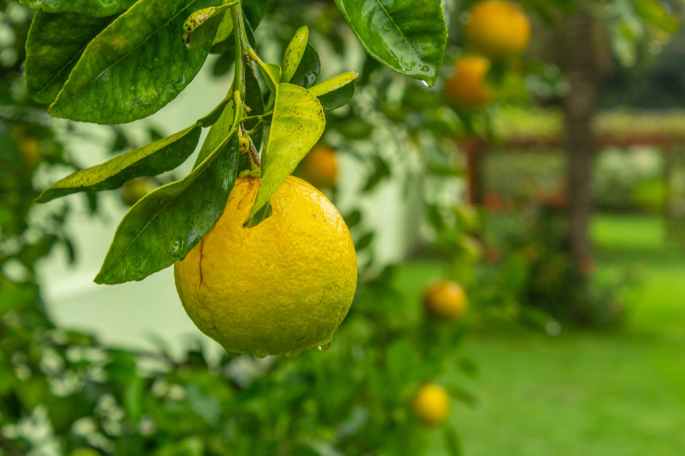
Take a lemon tree for example.

Imagine taking a lemon tree to Mars vs taking vitamins, minerals, and supplements found in lemons.

The tree, with proper conditions like air, water, and light, will perpetually make more lemons. These lemons will have seeds to make more lemon trees, to make more lemons, to make more trees, to make more lemons, as far into the future as the imagination can see.

If you simply took the vitamins and minerals to Mars, they don’t replicate like a natural living tree. Pills don’t make more pills. They are made by mankind. They are not natural. You would quickly run out.

The difference is obvious.

Since we are of nature, perpetually replicating, doesn’t it make sense that our bodies would respond better to other things “of nature”?

Hence my constant teaching and preaching about choosing natural options first. Real sunshine vs vitamin D supplements. Water vs soda. Fruits and vegetables vs boxed and processed food. Restful sleep vs chemically induced sleep.

We are soooooo lucky to live on this planet. It has the perfect conditions for our species to thrive.

May you have great health and wellness, the natural way.


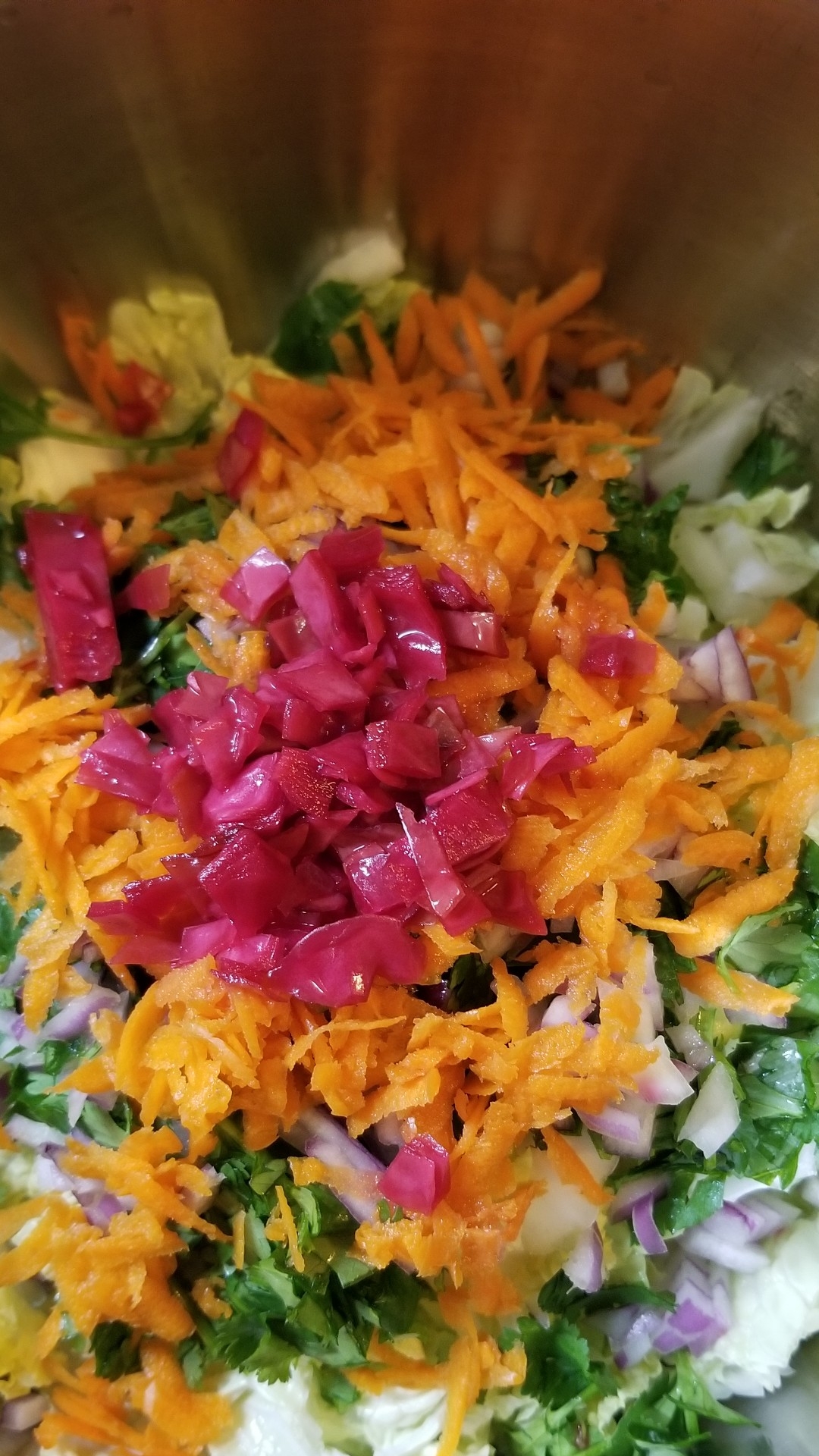
Cabbage salad with lime cilantro dressing 🥗

Eating our backyard weeds

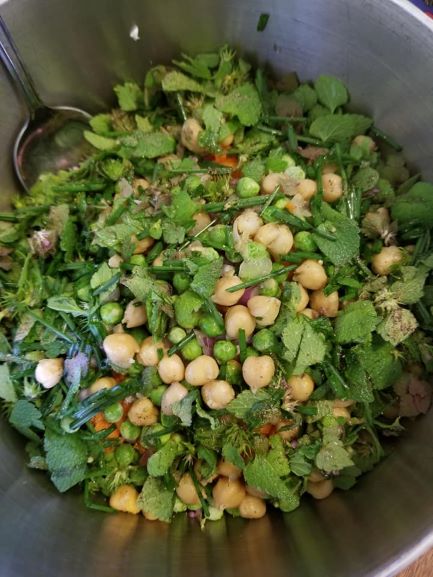
We put purple dead nettle and onion grass in our salad.

Purple Dead Nettle
Onion grass

Did you know that plants in the mint family have square stems? Purple dead nettle is part of the mint family. It makes for easy identifying. Plus there’s no toxic twin, so it’s fairly safe for foraging newbies like us.

A square stem

We only forage from our backyard. We don’t use chemicals so we know they are safe.

A friend of ours eats all of the nettle except for the root, but we only used the leaves and tips. We only used the blades of the onion grass. This was simply our preference this time. We may use the stems of the nettle and the root bulbs of the grass next time. Whatever parts we don’t use goes in our compost bucket.

We soaked the greens in a tub of water to clean them. They looked clean on the surface so I didn’t feel that a simple rinse would be good enough. There wasn’t a lot of dirt but you just never know. We have a cat that has to pee somewhere, you know what I mean…..

Then a quick chop and in they went into our salad.

You would not believe the flavor of these greens. Wow!! You know how much better home grown food taste than the store bought stuff. We could not believe how fresh and powerful the taste and smell of these plants were. It was wonderful.

I’m looking forward to foraging dandelion and plantain too.

How do you feel about foraging? Is it a yay or a nay for you and your family?


Want to up your foraging game? Check out these cool bags.
https://amzn.to/3MVKpxv

As an Amazon Associate, I earn commission from qualifying purchases.

Hippocrates said it

Let food be thy medicine and medicine be thy food. – Hippocrates

Since we are under COVID19 quarantine, I though it may be a good time to talk about food as prevention. I love the quote by Hippocrates because it’s simple and true. The simple truth. Can’t get much better than that.

There are three foods in particular that I wanted to talk about – garlic, onions, and mushrooms.

These foods are simple to add to virtually anything that is cooked. Well, except maybe boiled eggs. Although you could certainly put them with the eggs. Any soup, stews, stir frys, tacos, omelettes (speaking of eggs), anything cooked. My secret, especially with the garlic and mushrooms is to mince them. That means to cut them up into very small pieces. If you’ve ever had a bite of pure garlic, you’ll know why very small is key. And if you are like me and don’t particularly dig mushrooms, very small is key here too.

Here’s the health benefits

Garlic – It’s good for your heart. It lowers cholesterol and lowers high blood pressure.
It has cancer fighting characteristics.
It’s a natural antibiotic.

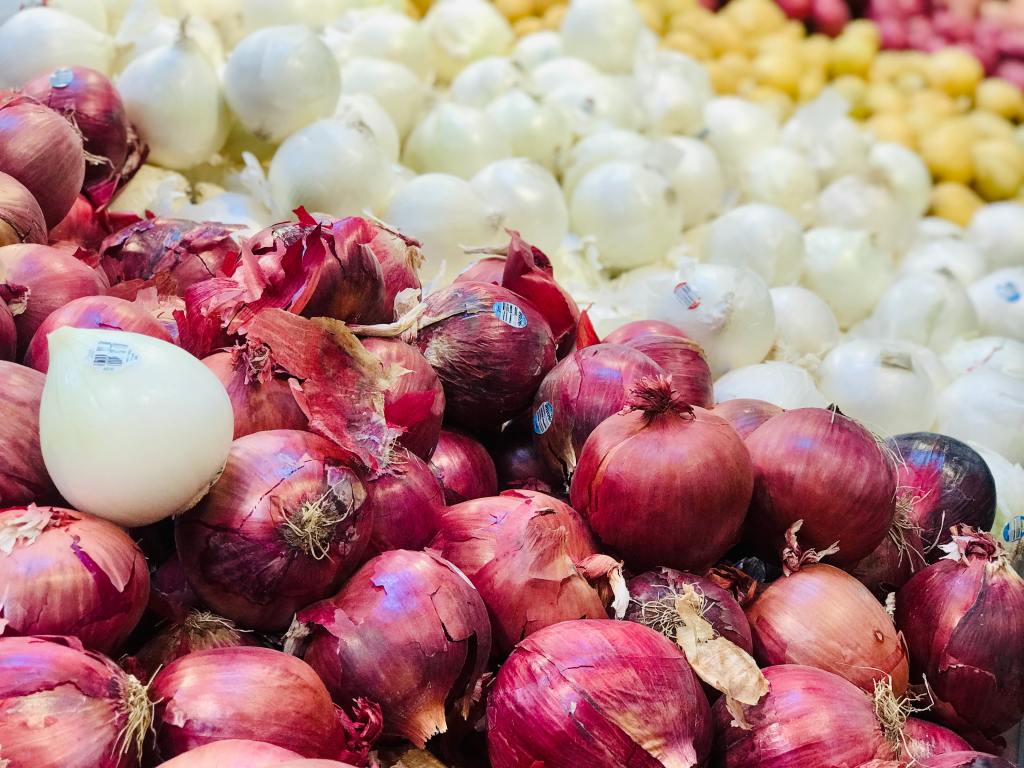
Onions – They are nutrient dense. High in Vitamin C and high in B Vitamins.
They fight inflammation.
They also lower cholesterol and lower high blood pressure.
They are loaded with antioxidants.
Like garlic, onions have cancer fighting compounds.
They help reduce high blood sugar.
They boost bone density.

Mushrooms – Ancient civilizations worldwide have used mushrooms for their healing properties for thousands of years.
They have immune boosting benefits.
They help prevent respiratory infections.
They boost longevity.

There’s as many benefits as there are ways to use these ingredients.

The way I normally use them is to lightly saute them first, then I can add them to the rest of the ingredients, or vice versa.

By mincing them (except onions. I don’t mince onions but I do chop them fairly small) it’s very easy to not even know they are in the dish. And the flavor boost cannot be beaten.

I’ve been cooking with these so long that I’m not sure I would enjoy my cooking without these flavors.

I could probably write a book about garlic, onions, and mushrooms. In fact, there are probably books written about these precious foods. But I will stop for now.

Tell me, do you cook? If so, do you use these ingredients often?

As a reader-supported blog, I earn commission from affiliate links. Here’s one from Amazon for cookbooks featuring onions, mushrooms, and/or garlic.

https://amzn.to/3w2tMsY