Start September Strong: 5 Wellness Habits to Reset Your Month


September motivation for a healthy lifestyle

September always feels like a natural reset. The heat of summer begins to cool, routines start to shift, and there’s a sense of new beginnings in the air. Whether you’re getting back into a school schedule, preparing for the busier months ahead, or simply wanting a fresh start, this is the perfect time to check in with your habits.

Here are five simple wellness habits to help you start September strong and reset your month with clarity, energy, and balance.


1. Begin Your Morning with Gentle Movement

How you start your morning sets the tone for your entire day. Instead of jumping straight into emails, news, or social media, give yourself a few minutes to wake up your body. This doesn’t have to be a long workout—think small and doable.

  • A 10-minute walk outside.
  • Gentle stretching to release stiffness.
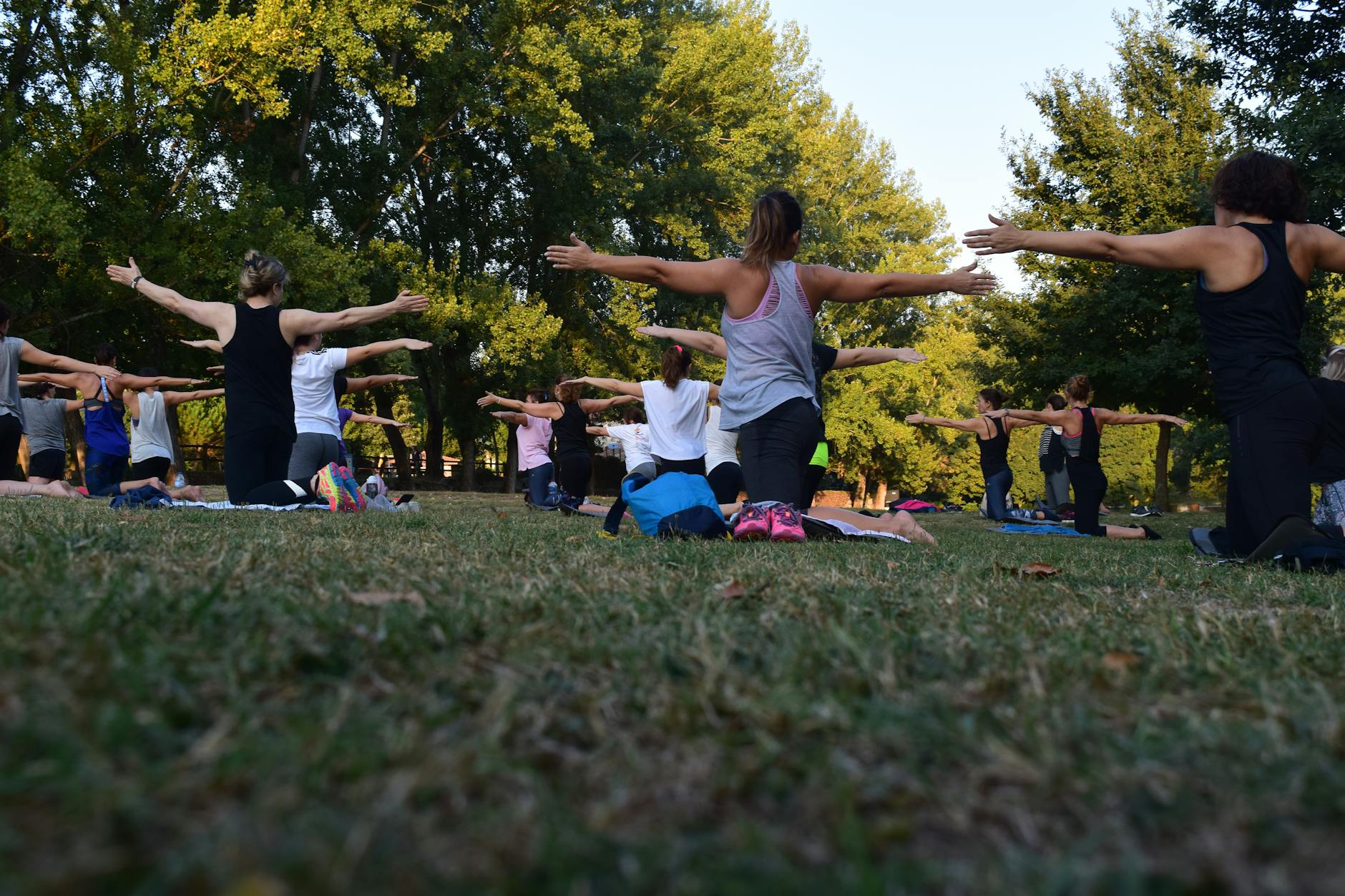
  • A short yoga flow to connect movement with breath.

The goal is to bring energy into your body and signal to your mind that you are ready to step into the day. Morning movement also improves circulation, supports focus, and helps reduce stress later in the day.

Even if you’re not a “morning person,” try setting aside just five minutes for movement before the busyness begins. Over time, this small shift can become one of the most grounding parts of your day.


2. Stay Hydrated Throughout the Day

It sounds simple, but hydration is one of the most overlooked wellness habits. Many people mistake thirst for hunger, feel sluggish because they’re dehydrated, or rely on caffeine to get through the day instead of water.

In September, when temperatures can still be warm and schedules are picking up, staying hydrated is especially important. A few easy ways to keep water at the top of your priority list:

  • Start your morning with a full glass of water before coffee or tea.
  • Carry a reusable water bottle everywhere you go.
  • Add lemon, cucumber, or fresh berries if plain water feels boring.

Aim to drink consistently throughout the day rather than waiting until you feel thirsty. Hydration supports digestion, energy, focus, and even mood—making it one of the simplest ways to reset your wellness this month.


3. Create Space for Intentional Planning

September often brings new routines. Grandkids go back to school, work projects ramp up, and calendars start to fill. Instead of letting your schedule run you, set aside time each week to plan with intention.

Here are a few questions to guide you:

  • What are my top three priorities this week?
  • Where can I block off time for rest or self-care?
  • What do I need to say “no” to in order to protect my energy?

Using a paper planner, a digital calendar, or even a simple notebook, map out your week in a way that feels balanced. When you plan intentionally, you move from reacting to life to actively shaping it. That shift alone can lower stress and help you stay grounded as September unfolds.


4. Add a Small Self-Care Ritual

When people think of self-care, they often imagine spa days or long stretches of free time. But real, sustainable self-care is often found in small, repeatable moments that help you reconnect with yourself.

This month, choose one small ritual and commit to practicing it regularly. For example:

  • Lighting a candle and taking five deep breaths before bed.
  • Enjoying tea or coffee in silence before the day begins.
  • Writing down one thing you’re grateful for each night.

These small acts don’t take much time, but they send a powerful message: “My well-being matters.” Over time, these little rituals add up, helping you feel more grounded and cared for—even during busy weeks.


5. Make Time to Step Outside

September is a beautiful month to enjoy nature. The air starts to cool, the light begins to change, and in many places, the first signs of fall appear. Spending even a few minutes outside can help lower stress, clear your mind, and give you a fresh perspective.

Try to build outdoor time into your daily routine:

  • Take your lunch break outside.
  • Go for a short evening walk.
  • Pause and simply notice the sky, the breeze, or the trees around you.

Nature has a way of slowing us down and reminding us of what really matters. It can turn an ordinary day into something a little more meaningful, and it’s one of the best ways to reset both your body and your mind.


A Fresh Start for September

You don’t need to overhaul your entire lifestyle to feel the benefits of a fresh-month reset. By choosing a few small wellness habits—morning movement, hydration, intentional planning, self-care rituals, and time outdoors—you can set the tone for a month that feels balanced and energizing.

Think of September as an invitation. It’s not about perfection; it’s about gently resetting and making choices that support your well-being. Start with one habit, let it settle in, and then build from there.

When October arrives, you’ll look back and notice the difference—not only in how you feel, but in how you moved through your days with more clarity, energy, and calm.

What about you? Which of these five wellness habits will you focus on this September? Share your thoughts in the comments below—or better yet, choose one small step today and begin your fresh-month reset. If you’d like more simple wellness tips and encouragement, be sure to subscribe to this blog so you don’t miss a thing.

More Than Just a Harvest: The Hidden Benefits of Gardening for Mind, Body, and Spirit


Gardening in small spaces

When my sister said gardening wasn’t cost-effective, I paused. From a strictly financial lens, sure—maybe a head of lettuce costs less at the store. But what about everything you can’t measure? The quiet joy of planting seeds. The way the sun warms your back while you dig. The calm that settles in your chest as you breathe in the earthy scent of the soil.

Gardening may not always pay off in dollars, but its value goes far beyond the grocery bill. Whether you’re planting a few herbs on a balcony or tending a full backyard garden, the benefits for your mental, physical, and spiritual health are deeply nourishing—and well worth the effort.

Let’s dig into why.


1. Gardening for Mental Health: A Natural Mood Booster

In a world that often feels loud and fast, the garden invites us to slow down. It offers a kind of therapy we don’t have to schedule or pay for—just step outside and get your hands in the dirt.

  • Reduces stress and anxiety: Studies show that spending time in nature reduces cortisol levels (that’s your stress hormone). Even 30 minutes a week in the garden can lower anxiety and help regulate your mood.
  • Boosts focus and clarity: Pulling weeds or planting tomatoes might seem simple, but those repetitive, grounding tasks support mindfulness. Gardening encourages you to stay present, which is a natural way to quiet racing thoughts.
  • Eases symptoms of depression: There’s a reason many therapists recommend gardening as part of a holistic wellness plan. Exposure to sunlight, physical activity, and a sense of purpose—all found in the garden—have been shown to ease mild depression.

So next time life feels overwhelming, consider stepping into your garden instead of scrolling through your phone. You might find what you’re looking for growing right under your feet.


2. Gardening for Physical Health: Gentle Movement with Real Benefits

Gardening may not look like exercise, but your body definitely knows it is.

  • Improves flexibility and strength: Bending, stretching, squatting, and lifting are all part of gardening. Over time, this gentle movement helps maintain mobility and keeps muscles engaged—especially helpful as we age.
  • Supports heart health and immunity: Moderate physical activity like gardening has been shown to reduce the risk of heart disease and improve immune response.
  • Encourages healthy eating: When you grow it yourself, you’re more likely to eat it! A garden full of greens, herbs, and vegetables makes healthy eating more accessible and rewarding.

Gardening is especially wonderful for those who don’t enjoy traditional exercise. It keeps your body moving without feeling like a chore.


3. Gardening for Spiritual Health: Connection and Purpose

There’s something sacred about watching life grow. Gardening is a powerful spiritual practice, whether or not you think of yourself as “spiritual.”

  • Fosters connection: Tending to living things—plants, pollinators, soil—reminds us that we’re part of a larger ecosystem. It can ease feelings of loneliness and help us feel connected to something greater.
  • Cultivates patience and presence: Gardening teaches us that we can’t rush nature. We learn to observe, to wait, to trust in a process we don’t fully control. This surrender is deeply calming to the soul.
  • Brings joy and gratitude: The simple act of harvesting something you planted weeks ago brings a sense of wonder. It reminds us that life is full of small miracles worth noticing.

When you spend time in the garden, you’re not just growing food—you’re growing presence, peace, and perspective.


The Garden as a Healing Space

It’s true—gardening might not always save money. But what it does save is your sanity, your strength, and your spirit. In times when life feels chaotic or uncertain, a garden can become a quiet refuge. A space where healing happens in small, beautiful ways.

So the next time someone tells you gardening isn’t “worth it,” smile and gently disagree. Because if you’ve ever felt the peace of a morning sunbeam on your back while watering herbs—or the thrill of pulling your first ripe tomato—you already know: gardening is one of the most valuable things we can do for our wellbeing.


🌱 Ready to Reap the Benefits?

Whether you’re planting a pot of basil or building raised beds, your garden is a sacred space. One that nurtures not just your body, but your entire being.


Reconnect with your inner calm and rediscover the joy of growing something beautiful. Start small—plant a seed, pull a few weeds, or simply sit in your garden and breathe. Your healing can begin with just one mindful moment in the soil. 🌱

7 Pillars of Self-Care for a Balanced Life

When most people hear “self-care,” they think of bubble baths, face masks, or maybe treating themselves to a latte. While those things can be enjoyable, real self-care goes deeper. It’s about creating a life that feels good on the inside, not just one that looks good on the outside.

In this post, we’ll explore the 7 pillars of self-care—a well-rounded way to support your body, mind, and spirit. These pillars aren’t fancy or complicated. They’re simple, doable, and powerful. Let’s dive in.


1. Physical Self-Care: Take Care of Your Body

This is the most obvious kind of self-care, but it’s often overlooked. Physical self-care means taking care of your body so it can take care of you.

Some basics:

  • Move your body regularly. Walking, stretching, dancing in your kitchen—it all counts.
  • Get enough sleep. Most adults need 7–9 hours a night.
  • Eat foods that fuel you. You don’t need to be perfect—just aim for balance.
  • Stay hydrated. Water matters more than we think.
  • Keep up with medical care. Go to your checkups and take your medications if prescribed.

Caring for your physical health helps you feel stronger, more energized, and more grounded.


2. Emotional Self-Care: Check In with Your Feelings

We all experience stress, sadness, frustration, and joy. Emotional self-care means giving yourself permission to feel and process those emotions, not stuff them down.

Here are a few ways to practice it:

  • Talk to someone you trust.
  • Journal your thoughts.
  • Say no when you need to.
  • Cry if you need to. Laugh as often as you can.
  • Seek professional help when emotions feel too heavy to carry alone.

Making space for your emotions isn’t weak—it’s human. And healthy.


3. Mental Self-Care: Stimulate Your Mind

Your brain needs care, too. Mental self-care includes anything that helps you grow, focus, and feel mentally strong.

Try this:

  • Read a book or listen to an audiobook.
  • Learn something new—maybe a hobby or a skill.
  • Take breaks from screens and social media.
  • Organize your space or create a to-do list to ease mental clutter.

Giving your brain something positive to chew on helps reduce stress and sharpen your thinking.


4. Spiritual Self-Care: Connect to Something Greater

You don’t need to be religious to practice spiritual self-care. This pillar is about feeling connected—to nature, to your values, or to a higher purpose.

Ways to practice:

  • Spend time in nature.
  • Meditate or pray.
  • Reflect on your values.
  • Read something inspiring.
  • Practice gratitude.

Spiritual self-care gives you perspective, peace, and a deeper sense of meaning in your life.


5. Social Self-Care: Build Healthy Relationships

Humans are social beings. We all need connection—even if we also enjoy alone time. Social self-care is about spending time with people who lift you up.

Here’s what it might look like:

  • Schedule a coffee date or phone call with a friend.
  • Join a club, group, or community (online or in person).
  • Set boundaries with people who drain you.
  • Ask for help when you need it.

Surrounding yourself with positive, supportive people can change everything.


6. Practical Self-Care: Take Care of Daily Life

This one often gets ignored in self-care lists, but it matters. Practical self-care includes the everyday things that reduce stress and make your life run more smoothly.

Examples:

  • Pay your bills on time.
  • Keep your home relatively tidy.
  • Meal prep to save time and energy during the week.
  • Stay on top of appointments and errands.

When your basic needs are met and your life feels organized, you can breathe easier.


7. Recreational Self-Care: Make Time for Fun

Last but definitely not least—fun. Joy is not a luxury. It’s a need.

Recreational self-care means doing things simply because they bring you happiness. Not because they’re productive. Not because you “should.” Just because they make you smile.

Ideas:

  • Watch your favorite show guilt-free.
  • Go on a weekend adventure.
  • Try a craft or creative hobby.
  • Play a game. Dance in your living room.

Play is essential. It helps you relax, recharge, and remember who you are.


Self-Care is Not Selfish

Taking care of yourself isn’t about being selfish—it’s about being whole. When you tend to all seven pillars of self-care, you feel more balanced, more alive, and more capable of handling whatever life throws your way.

You don’t have to do everything at once. Just start with one small step today. Maybe drink a little more water. Call a friend. Go to bed 30 minutes earlier. Each small act of care adds up.

You deserve to feel well. You deserve to feel whole. And it starts by making self-care a regular part of your life—not just something you squeeze in when you’re already burned out.


Six Ways to Move your Body That Feels Good, Not Like Punishment

Reconnect. Rediscover. Rejoice in Movement.

When you hear the word “exercise,” what feelings come up for you?
Excitement? Dread? Guilt?

For many of us, moving our bodies has been tied to ideas of punishment—working off a big meal, changing how we look, or making up for “bad” choices. No wonder it can feel heavy, overwhelming, or even a little painful.

But it doesn’t have to be this way. Movement can be a celebration, not a chore. It can be a way to feel more alive, more connected, and more joyful. The key is learning how to move your body in ways that feel good, not like punishment.

Let’s explore how to shift your relationship with movement into something that truly supports your well-being.


1. Focus on How It Feels, Not How It Looks

Our culture often focuses on the appearance-related outcomes of exercise—weight loss, muscle tone, fitting into smaller clothes. But when we only look for visible results, we miss the real gifts movement gives us:

  • A clearer mind
  • A lighter mood
  • More energy
  • Better sleep
  • A sense of strength and empowerment

When you choose movement based on how it makes you feel—calm, strong, energized—you start to view it as a gift to yourself, not a task on a to-do list.

Ask yourself: How do I want to feel after I move today?
Let that answer guide your choices.


2. Find Your Joyful Movement

There’s no “right” way to move your body. If you don’t love the gym, you’re not alone—and you don’t have to force yourself to be there.

Movement can be anything that gets your body engaged:

  • Dancing in your kitchen
  • Taking a walk around the block
  • Stretching with a gentle yoga video
  • Playing tag with your kids or grandkids
  • Hiking in nature
  • Swimming, gardening, or even cleaning to your favorite upbeat music

If it brings you joy, if you lose track of time doing it—that’s your kind of movement. It doesn’t have to be structured or intense to count.


3. Give Yourself Permission to Move Differently Every Day

Some days you might crave a brisk walk. Other days, all your body wants is some light stretching or gentle breathing exercises. That’s not laziness—that’s wisdom.

Listen to your body.
Give yourself permission to choose a different type of movement depending on how you’re feeling physically, mentally, and emotionally. Honoring your body’s needs builds trust—and that trust helps you stay consistent over time.

Remember, consistency doesn’t mean doing the same thing every day. It means checking in with yourself and moving in the way you need most that day.


4. Ditch the “No Pain, No Gain” Mentality

You’ve probably heard the phrase “no pain, no gain.” And while it’s true that building strength sometimes means pushing a little, exercise should never feel like punishment.

Pain is your body’s way of saying, “Hey, something’s not right.”
Discomfort that comes from effort (like breathing harder during a walk) is normal. But sharp pain, dizziness, or feeling emotionally drained afterward are not signs of a healthy relationship with movement.

Respect your limits. Progress happens when we nurture our bodies, not when we beat them up.


5. Celebrate What Your Body Can Do

Instead of focusing on what you can’t do (yet), celebrate what you can:

  • Maybe you can walk for 10 minutes without stopping.
  • Maybe you can lift your arms higher than you could last week.
  • Maybe you can breathe more deeply and fully during a stretching session.

Every small step deserves celebration. Your body is strong and wise. It’s doing incredible things every day—even on the days that feel slow or gentle.


6. Create an Environment That Inspires You

Sometimes the hardest part of moving is simply getting started. Creating an environment that lifts your spirit can help.

  • Make a playlist of songs that energize you.
  • Wear clothes you feel good in.
  • Move in a space that feels welcoming—whether it’s outdoors, in your living room, or at a favorite park.
  • Invite a friend to join you if community inspires you.

Setting the stage can turn movement into a time you actually look forward to.


Final Thoughts

Movement isn’t a punishment for the food you ate or the shape of your body. It’s a celebration of all the amazing things your body can do. It’s a way to show yourself care, love, and respect.

By choosing ways to move that feel good, you’re building a sustainable, joyful relationship with your body—one that will support your health and happiness for years to come.

So, today, instead of asking, “What workout should I do?”
Ask yourself, “How can I move my body in a way that feels good today?”

Your body—and your heart—will thank you.