

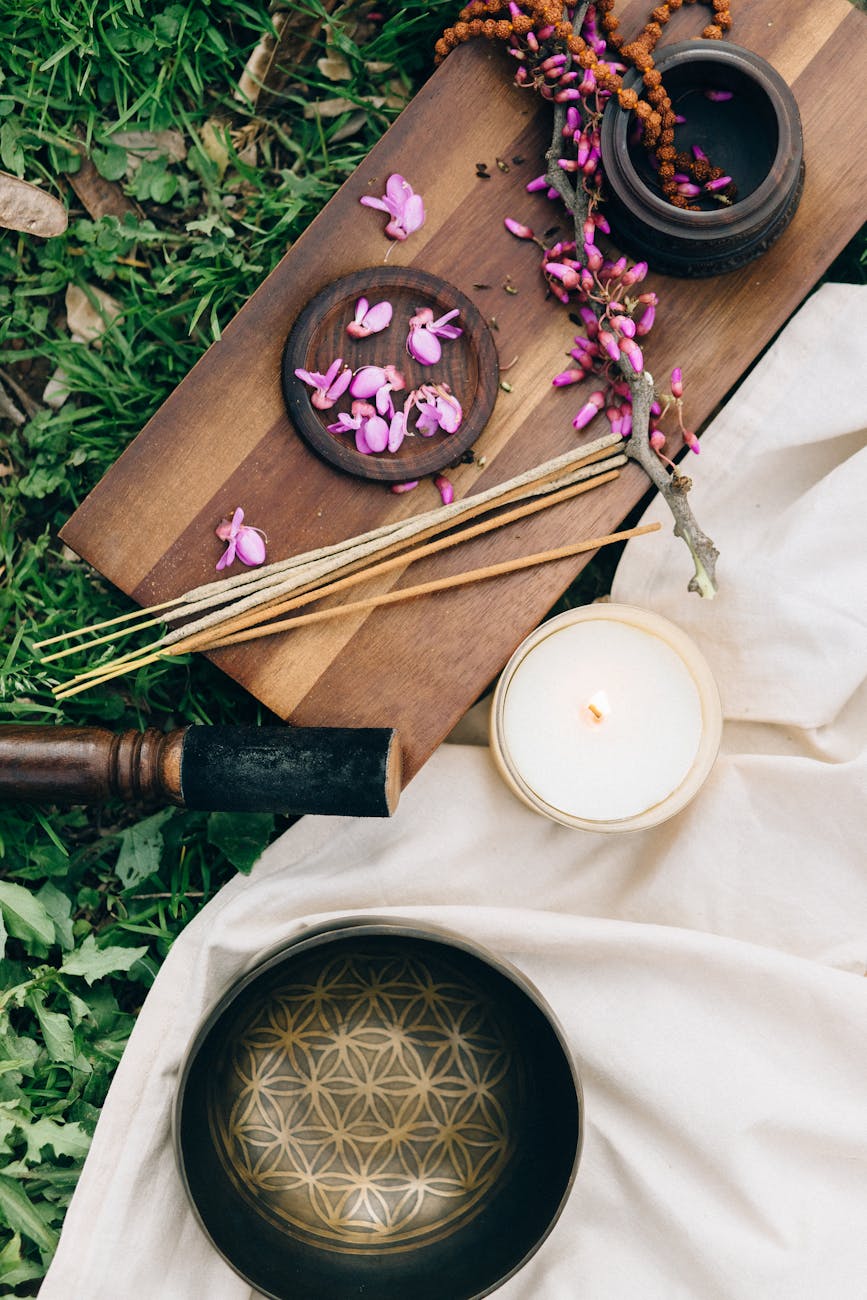
Late August carries a unique energy. Summer still lingers in the warm afternoons, but the mornings are cooler, the days a little shorter, and fall is on the horizon. This in-between season can feel exciting, but it can also stir up restlessness.
That’s why this is the perfect week to slow down and ground yourself. Instead of rushing headfirst into the busy pace of September, take a few intentional steps to feel steady, calm, and centered.
Here are three simple ways to ground yourself before fall begins.
1. Connect With Nature Daily
One of the easiest and most powerful ways to ground yourself is to step outside and let the natural world steady you.
Summer often pulls us outdoors for vacations, barbecues, and beach trips. But as schedules tighten, it’s easy to spend more time inside. This week, give yourself the gift of reconnecting with nature—even in small ways.
- Take a short walk after dinner and notice how the light changes at dusk.
- Stand barefoot on the grass or sand and feel the ground beneath you.
- Sit under a tree and take in the shade, the texture of the bark, and the sound of the leaves.
Nature has a quiet way of reminding us that change is natural. Watching the season shift outdoors can help you trust the changes happening in your own life, too.
Grounding tip: Each day this week, spend at least 10 minutes outside without distractions. Leave your phone behind and let your senses guide you.
2. Simplify Your Space
Our physical environment impacts our mental state more than we realize. When your home feels cluttered or chaotic, it’s harder to feel calm and steady.
Before fall begins, take a little time to simplify your surroundings. You don’t need a full home makeover—just small steps that create breathing room.
- Clear one countertop, dresser, or table that tends to collect clutter.
- Put away summer gear you’re no longer using, like beach towels or picnic baskets.
- Refresh your entryway with a small touch that makes you smile—a candle, a vase of flowers, or even just a clean, open space.
As the new season arrives, your home can support you instead of overwhelming you. Think of it as setting the stage for the months ahead.
Grounding tip: Pick one small space to refresh each day this week. Even a 10-minute tidy-up can make a big difference in how grounded you feel.
3. Create a Gentle Evening Routine
As the seasons shift, your body craves rhythm. One of the best ways to support yourself is by creating a simple evening routine that signals to your mind: It’s time to wind down.
This doesn’t have to be elaborate or time-consuming. The goal is consistency. Choose one or two calming activities and practice them at the same time each night.
Some ideas include:
- Turning off screens 30 minutes before bed.
- Drinking a cup of herbal tea.
- Reading a chapter of a book.
- Writing a short gratitude list.
- Stretching or breathing deeply for a few minutes.
A grounding evening routine helps you rest more deeply and wake up with steadier energy. As the days grow shorter and schedules busier, this small ritual can anchor you.
Grounding tip: Choose one calming practice this week and commit to doing it each evening. Keep it simple so it feels doable.
Why Grounding Matters Before Fall
The transition from summer to fall often brings a faster pace—school schedules, work projects, and social commitments all seem to pick up at once. Without grounding practices, it’s easy to feel swept up and scattered.
Grounding yourself now—through nature, your environment, and simple daily rituals—helps you move into the new season with steadiness and clarity. Instead of reacting to the rush, you’ll be better prepared to navigate it calmly.
The Bottom Line
You don’t need big changes to feel grounded. This week, focus on three simple practices:
- Spend time in nature each day.
- Simplify your space to create breathing room.
- Create a gentle evening routine that supports rest.
As you step into the final days of August, give yourself the gift of presence and steadiness. Fall will come, with all of its beauty and busyness—but you can enter it rooted, calm, and ready.







 Suzanne Horrocks