

If you’ve ever had trouble sleeping, felt more stressed than usual, or dealt with muscle cramps that just won’t go away, your body might be trying to tell you something: it needs more magnesium.
Magnesium is one of those minerals we don’t hear about much, but it quietly plays a huge role in how we feel each day. From helping your heart beat steadily to calming your nervous system, magnesium supports over 300 processes in your body.
Let’s explore what magnesium does, how to know if you’re getting enough, and simple ways to include more of it in your everyday routine.
What Is Magnesium and Why Do We Need It?
Magnesium is a mineral found in the earth, the sea, plants, and yes—your body. It helps with muscle function, nerve health, blood sugar control, and energy production. Think of it like the oil in your car’s engine: you don’t see it working, but if it’s missing, nothing runs smoothly.
Some key benefits of magnesium include:
- Calming the nervous system, which helps reduce feelings of anxiety and stress
- Supporting deeper, more restful sleep
- Easing muscle tension and cramps
- Supporting bone health
- Helping keep your heart rhythm steady
- Regulating blood sugar levels
In short, magnesium helps us feel more balanced—physically and emotionally.
Signs You Might Be Low on Magnesium
It’s estimated that almost half of adults in the U.S. aren’t getting enough magnesium from their diet. And the signs of a deficiency can be easy to overlook because they often blend into our everyday lives.
Here are some common signs of magnesium deficiency:
- Trouble falling or staying asleep
- Frequent headaches or migraines
- Muscle twitches, cramps, or restless legs
- Feeling anxious, edgy, or low in mood
- Low energy or chronic fatigue
- Irregular heartbeat or high blood pressure
- Sugar cravings, especially chocolate
Of course, these symptoms can have more than one cause—but if several of them feel familiar, it might be worth taking a closer look at your magnesium intake.
How to Get More Magnesium Naturally
The good news? You don’t need fancy supplements to start getting more magnesium. Many everyday foods are naturally high in magnesium, and making small changes to your diet can make a big difference.
Here’s a list of foods high in magnesium:
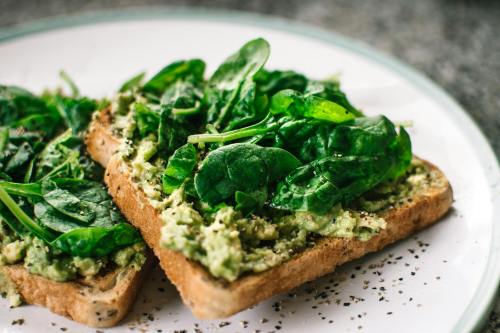
- Dark leafy greens (like spinach, Swiss chard, kale)
- Nuts and seeds (pumpkin seeds, almonds, cashews)
- Whole grains (brown rice, oats, quinoa)
- Beans and lentils
- Avocados
- Bananas
- Dark chocolate (yes, really!)
Adding just a handful of pumpkin seeds to your salad or enjoying a square of dark chocolate after dinner can start to move the needle.
Should You Consider a Magnesium Supplement?
For some people, food might not be enough—especially if you’re dealing with chronic stress, taking certain medications, or have digestive issues that make it harder to absorb nutrients. In those cases, a magnesium supplement might help.
There are different types of magnesium supplements, and each one supports the body in slightly different ways. If you’re considering one, talk with your healthcare provider about which form and dose might be right for you.
If you prefer a more natural route first, magnesium-rich Epsom salt baths are a relaxing way to absorb magnesium through the skin. Just soak for 20 minutes and enjoy the calming effects.
Daily Magnesium Needs
So how much magnesium do you actually need?
Here’s a simple guideline for adults:
- Women: 310–320 mg per day
- Men: 400–420 mg per day
If you’re pregnant, breastfeeding, or under extra stress, your needs may be slightly higher.
Tracking magnesium can be tricky since food labels don’t always list it, but if you’re eating a variety of whole foods—especially greens, nuts, and grains—you’re on the right track.
A Gentle Shift Toward Balance
You don’t need to overhaul your life to reap the benefits of magnesium. Start small. Add a few magnesium-rich foods to your plate. Swap white rice for brown rice now and then. Soothe your tired muscles in a warm Epsom salt bath. Pay attention to how you feel.
Sometimes, the body whispers before it shouts. Magnesium is one of those quiet helpers that keeps us steady and strong in the background. When we nourish ourselves with what we truly need, everything else starts to flow with a little more ease.
Magnesium might not get the spotlight, but it could be the missing piece in your wellness puzzle.
 Suzanne Horrocks