


Simple Habits for a Thriving Life
In a world that often pressures us to focus on quick fixes and isolated goals—like crash diets for weight loss or an intense gym routine to “get in shape”—it’s easy to feel overwhelmed and burnt out. The truth is, genuine, long-lasting wellness isn’t achieved through extremes; it’s a journey built on a foundation of integrated, balanced habits.
Welcome to the power of a holistic approach to health and wellness.
At SuzanneHorrocka.com, we believe that you are a whole being—not just a collection of separate parts. True vitality springs from nurturing your mind, body, and spirit equally. Adopting holistic healthy habits means stepping back and viewing your health as an interconnected system. When one area thrives, it lifts the others, creating a powerful synergy for a joyful, energetic, and sustainable life.
Ready to stop chasing fleeting fads and start creating a life of balance? Let’s dive into the core pillars of true mind body wellness and the simple, impactful habits you can start building today for a truly healthy lifestyle.
🥗 Pillar 1: Nourishment—The Fuel for Your Body and Mind
What you eat is the literal building block of your physical health, but it also profoundly impacts your mood, energy levels, and cognitive function. This pillar is about more than just counting calories; it’s about intentional, nourishing choices.
The Habit of Whole Foods
Focus on incorporating more whole, unprocessed foods into your daily diet. Think vibrant vegetables, lean proteins, healthy fats, and complex carbohydrates.
- Mindful Eating: Slow down. Chew thoroughly. Put away the screen and pay attention to the textures and flavors of your meal. This simple act transforms eating from a hurried task into a moment of self-care.
- Hydration is Key: Your body is over 60% water. Start your day with a large glass of water, and carry a water bottle throughout the day. Optimal hydration impacts everything from energy and digestion to clear skin and mental clarity.
- Embrace Color: Try to “eat the rainbow” every day. The different colors in fruits and vegetables represent different vitamins and antioxidants, ensuring you get a broad spectrum of nutrients.
By creating healthy eating habits, you are laying the physical groundwork for emotional and mental resilience.
💪 Pillar 2: Movement—The Joy of an Active Body
Our bodies were designed to move. Movement isn’t punishment; it’s a celebration of what your body can do and a powerful tool for mood regulation. This pillar encompasses everything from a challenging workout to a gentle stretch.
The Habit of Daily Motion
Forget the pressure of a two-hour gym session. Consistency is the secret weapon for a healthy lifestyle.
- Walk More: It’s arguably the most underrated form of exercise. A brisk 30-minute walk can clear your head, boost your metabolism, and get you your daily dose of Vitamin D (if you’re outdoors).
- Find Your Joy: If you hate running, don’t run! Choose an activity that genuinely brings you happiness, whether it’s dancing, gardening, hiking, or swimming. When you enjoy it, it becomes a sustainable habit, not a chore.
- Stretch and Mobilize: Dedicate five to ten minutes each day to light stretching or foam rolling. This improves flexibility, reduces muscle tension, and supports better posture—all vital components of physical wellness as we age.
🧠 Pillar 3: Inner Peace—Tending to Your Mental and Emotional Self
This is where the holistic difference truly shines. Your mental and emotional state dictates your stress levels, your relationships, and your overall outlook on life. Prioritizing this area is non-negotiable for holistic wellness.
The Habit of Mindful Connection
Modern life is loud. Creating space for silence and reflection is the antidote to chronic stress.
- Schedule Rest: Rest is productive. It is when your body repairs and your brain consolidates memories. Ensure you’re getting 7-9 hours of quality sleep. This simple habit is the single most powerful health hack available.
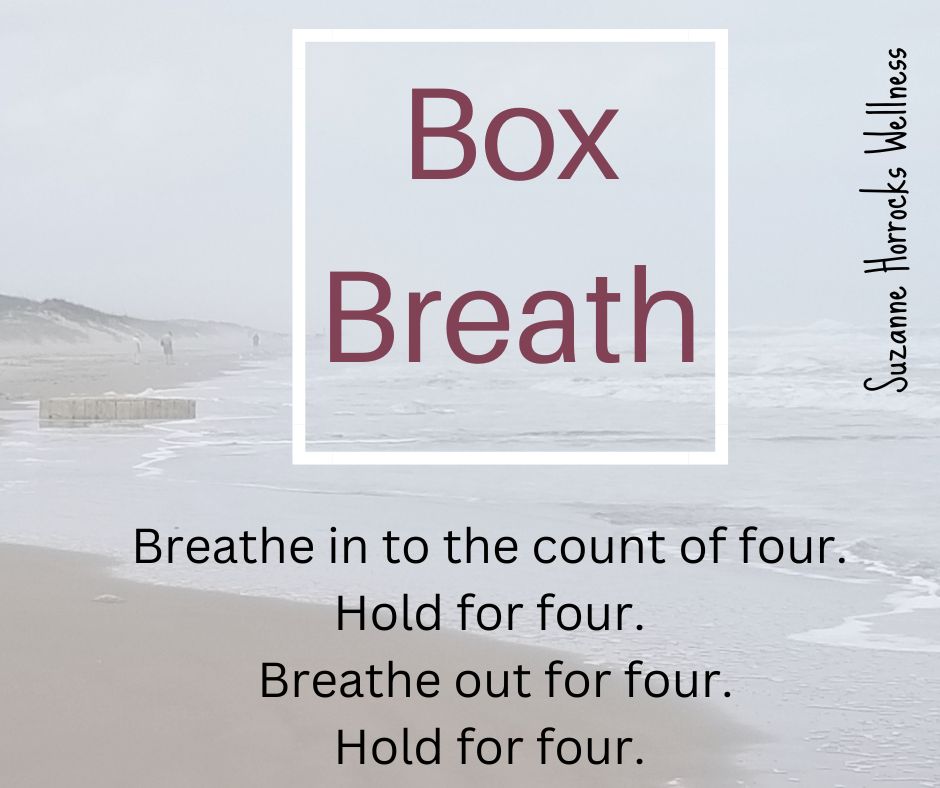
- Practice Meditation or Deep Breathing: Even five minutes a day can rewire your brain for calmness. Deep breathing (diaphragmatic breathing) immediately activates your parasympathetic nervous system, telling your body it’s safe and reducing cortisol.
- Journal for Clarity: Unload the mental clutter onto a page. Journaling for just a few minutes can help you process emotions, identify stressors, and track patterns that are impacting your emotional health.
By focusing on mind body wellness, you stop reacting to stress and start responding to life with thoughtful intention.
🌟 Pillar 4: Purpose and Connection—Fueling Your Spirit
A sense of purpose and strong social connections are often overlooked in traditional health plans, yet they are crucial for a fulfilling and resilient life. This pillar is about feeling connected to something bigger than yourself.
The Habit of Growth and Contribution
A vibrant spirit comes from engaging with the world and continuing to grow.
- Connect Authentically: Nurture your relationships with friends and family. Social connection is a powerful health determinant, lowering the risk of anxiety and depression. Schedule that phone call or coffee date.
- Learn Something New: Engage your intellectual wellness by reading a new book, learning a language, or picking up a hobby. Challenging your brain keeps it agile and engaged.
- Practice Gratitude: Every evening, write down three things you are genuinely grateful for. This simple spiritual habit shifts your focus from what is lacking to the abundance already present in your life.
🔑 Your Next Step on the Path to Holistic Health
The secret to building healthy habits for life isn’t doing everything all at once. It’s about taking one small, manageable step and making it non-negotiable.
Don’t overhaul your entire life today. Instead, choose one holistic healthy habit from the list above—perhaps drinking a glass of water before your coffee, or taking a five-minute walk after lunch—and commit to it for seven days. Once that habit feels effortless, layer on the next one.
The journey to true holistic health is a gentle, steady climb, not a sprint. Be patient with yourself, celebrate the small victories, and remember that every choice you make is an investment in your whole, wonderful self.
Which of these holistic healthy habits are you going to commit to this week? Share your pledge in the comments!





 Suzanne Horrocks