
Why Rest Is Productive: The Power of Doing Less to Feel More


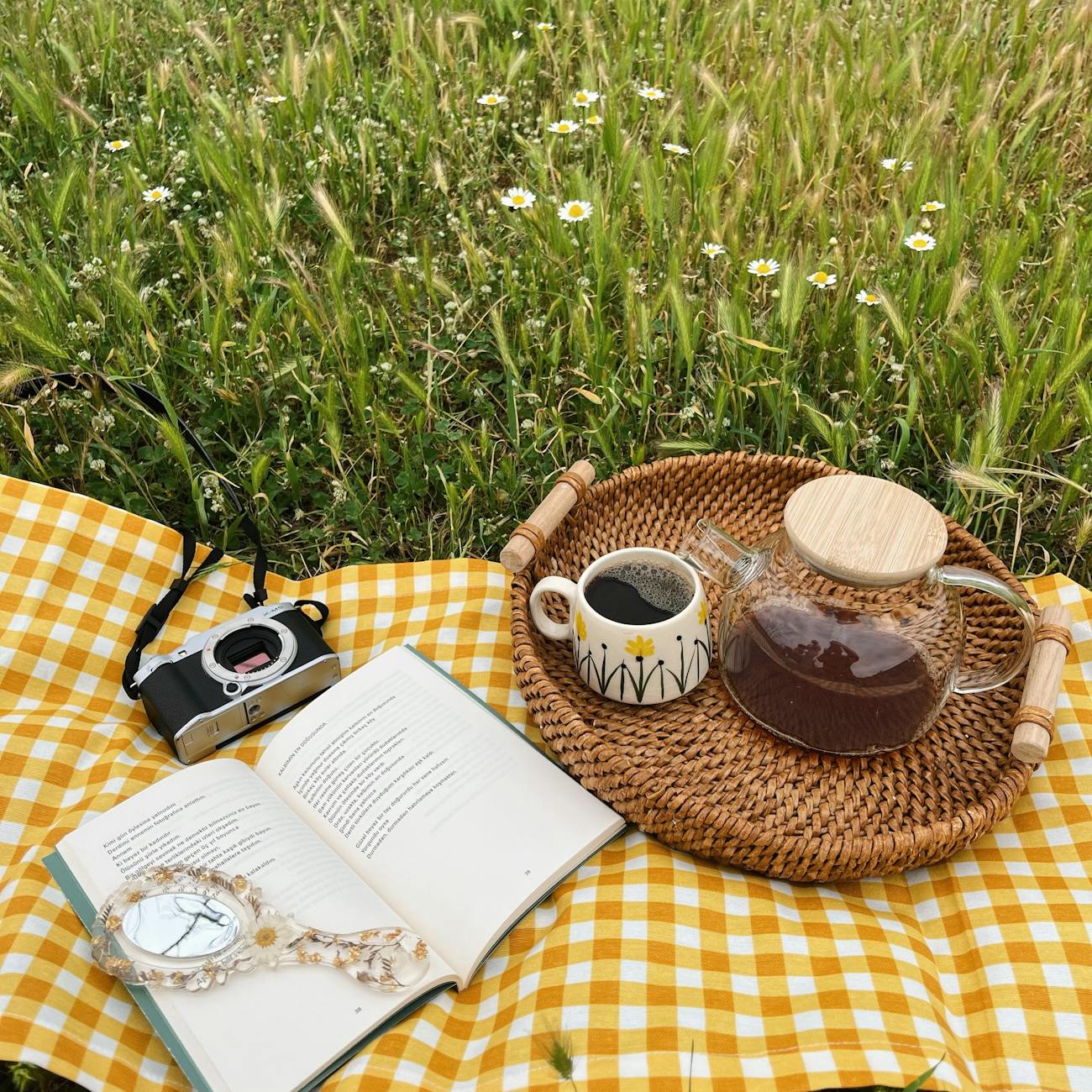
Pause and enjoy the flowers

We often think of productivity as being tied to doing more—more tasks, more hustle, more checking off the to-do list. But what if the real secret to getting more out of life is actually doing less?

It’s a hard idea to wrap our heads around, especially in a world that praises busyness. But rest isn’t a luxury. It’s a powerful part of being human. And when we learn to honor it, we gain clarity, energy, and a deeper connection to what really matters.

Let’s explore how rest can be one of the most productive things you do—not just for your body, but for your whole life.


The Productivity Myth

Our culture often treats rest like a reward, something we have to earn after we’ve worked hard enough. We’re taught that if we’re not doing something “useful,” we’re wasting time.

But here’s the truth: being busy all the time doesn’t always mean we’re being effective. It usually just means we’re exhausted.

When we run on empty for too long, everything starts to suffer—our focus, our mood, our relationships, and even our health. We get things done, yes—but often at the cost of our own well-being.


Rest Is Not Doing Nothing

Rest isn’t laziness. It’s intentional. It’s choosing to pause and recharge so you can show up more fully for your life.

It can look like:

  • Going to bed 30 minutes earlier
  • Saying no to one more obligation
  • Sitting outside for ten quiet minutes
  • Turning your phone off for an hour
  • Taking a slow walk without multitasking

These are not empty moments. They’re the moments where your mind and body start to heal, reset, and reconnect. That is powerful.


What Happens When You Rest

You might be surprised by how much happens when you allow yourself to slow down.

  • Your brain gets sharper. Research shows that breaks help improve memory, decision-making, and creativity.
  • Your stress levels drop. When you rest, your nervous system has a chance to shift out of fight-or-flight mode and into a calmer state.
  • You notice more. When you stop rushing, you start noticing the good stuff—like how the light filters through the trees or the sound of your child’s laughter.
  • You make better choices. Rest gives you space to respond instead of react, to reflect instead of run on autopilot.

When you rest, you’re not falling behind. You’re coming back to yourself. You’re filling your cup. And that creates space for more clarity and purpose in how you move through the world.


Doing Less to Feel More

One of the most surprising gifts of rest is that it helps you feel more—more grounded, more connected, more like yourself.

In the quiet moments, you can hear what your body is trying to tell you. You can check in with your own needs, rather than everyone else’s. You can remember what you love, what you long for, and what lights you up.

Rest isn’t just about sleep. It’s about permission. Permission to pause. Permission to step off the treadmill. Permission to be human.

And when you give yourself that permission, you often find that you return to your life with more patience, more joy, and more energy for the things that truly matter.


How to Begin

You don’t need a weeklong vacation to start resting. You can begin with five minutes today.

Here are a few small ways to practice rest:

  • Turn off notifications for one hour.
  • Lie on the floor and breathe deeply for five minutes.
  • Sit on your porch or by a window and watch the sky.
  • Write down three things you’re grateful for.
  • Close your eyes for a few minutes between tasks.

Start small. Be kind to yourself. Even a little rest makes a difference.


Rest is a quiet kind of power

Rest isn’t a sign of weakness. It’s a strength. It’s a quiet kind of power that helps you come back to your life with fresh eyes and an open heart.

This week, try doing a little less—and see what you notice. Pay attention to how your body responds, how your mood shifts, how your thoughts settle.

You might just find that rest is the most productive thing you do all day.


Looking for more gentle reminders like this?
Sign up for my weekly notes of encouragement, or share this post with someone who could use permission to rest today. Let’s normalize slowing down—and feeling good about it.

A Gentle Reset: 3 Ways to Start Your Month with Intention


There’s something about the beginning of a new month that invites us to pause and take stock. June, with its long days and promise of summer, offers the perfect opportunity to reset—not with pressure or perfectionism, but with gentle intention.

If life has felt a little chaotic or overwhelming lately, know that you don’t need a complete overhaul to feel better. Sometimes the smallest shifts can bring the most meaningful change. Below are three simple, doable ways to start your month with intention and a clear mind.

1. Clear One Space

You don’t need to deep clean your whole house to feel lighter. Start with one small area that you see or use every day—your bedside table, kitchen counter, desk, or even your purse.

Spend ten minutes clearing out anything that doesn’t belong. Wipe the surface clean. Put back only the items that serve a purpose or bring you peace. Add one small thing that makes you smile—a candle, a photo, or a fresh flower from the yard.

Why this matters: Physical clutter creates mental clutter. When you clear one space, you’re sending a message to yourself: “I’m ready for a fresh start.” And every time you pass that clean space, it becomes a visual reminder that you’re choosing calm over chaos.

2. Set a 3-Word Intention for the Month

Instead of setting a long list of goals or resolutions, try choosing just three words to guide your energy for the month ahead.

For example:

  • Rest. Nourish. Simplify.
  • Move. Laugh. Breathe.
  • Create. Connect. Trust.

There’s no wrong way to do this. Choose words that feel like a gentle nudge in the direction you want to go. Write them down and keep them visible—on a sticky note, your phone wallpaper, or in your journal.

Why this matters: Words shape our focus. When you return to your intention words throughout the month, they act as a compass, helping you make small daily choices that align with what really matters.

3. Make a “Yes List”

Instead of focusing on what you need to stop doing, try focusing on what you want to say yes to this month. It could be as simple as:

  • Yes to five quiet minutes before everyone else wakes up.
  • Yes to drinking a glass of water before coffee.
  • Yes to calling someone you miss.
  • Yes to sitting outside after dinner.
  • Yes to bedtime by 10.

Choose 3–5 things that feel doable and uplifting. This isn’t about discipline—it’s about creating small, feel-good habits that support the kind of life you want to live.

Why this matters: Focusing on what you want more of—rather than what you want less of—feels empowering. A “Yes List” creates momentum without pressure. And it makes space for more of what brings you joy, peace, and presence.


A Fresh Start Doesn’t Need to Be Big

We often wait for a major moment—a birthday, a New Year, or a big change—to start over. But every month, every Monday, every morning offers a chance to choose again.

This week, start small. Pick one space to clear. Choose three words to guide you. Say yes to what lifts you up.

You don’t need to have it all figured out. You just need to begin.

And June? It’s a beautiful place to begin.


Want more like this?
If this post spoke to you, I invite you to share it with a friend who could use a gentle reset, too. And if you’re looking for more practical, encouraging ways to take care of yourself, stay connected—there’s more to come each Monday this month.


Go With the Flow: How Allowing Flow Can Improve Your Life

Presence and flow

Have you ever been so absorbed in something that you lost track of time? Maybe it was while gardening, painting, playing an instrument, or even doing a work task you love. That state of deep focus, where everything else seems to disappear and you’re simply “in the zone,” is known as flow.

In psychology, flow is a mental state where a person is fully immersed in an activity. The term was first introduced by psychologist Mihaly Csikszentmihalyi, who spent decades researching what makes people feel truly satisfied and engaged. He discovered that the most meaningful moments in life often happen when we’re not simply relaxing, but when we’re challenged just enough and fully focused on what we’re doing.

In this blog post, we’ll explore what flow really is, why it matters, and how you can invite more of it into your daily life—especially if you’re feeling stuck, distracted, or like you’re constantly playing catch-up.


What Is Flow, Exactly?

Flow is described as a state of complete concentration and enjoyment in the task at hand. It’s that sweet spot where your skill level matches the challenge, and you’re so absorbed that time seems to fly.

According to Csikszentmihalyi, the key characteristics of flow include:

  • Clear goals: You know what you’re doing and why.
  • Intense focus: Your attention is fully on the task.
  • A sense of control: You feel capable and confident.
  • Loss of self-consciousness: You’re not thinking about how you look or how you’re being judged.
  • Time distortion: Time either speeds up or slows down.
  • Intrinsic motivation: You’re doing it for the joy of the experience itself.

Flow isn’t about being perfect or achieving something huge. It’s about being present and fully engaged, even in everyday moments.


Why Allowing Flow Matters

Many of us live in a constant state of doing—multitasking, planning, and worrying about what’s next. But true flow invites us to slow down, focus, and do one thing with our full attention. And that shift can be powerful.

Here’s what happens when you regularly experience flow:

  • Increased productivity: You get more done in less time.
  • Greater life satisfaction: Flow brings a sense of purpose and enjoyment.
  • Reduced stress: Being present in an activity helps calm the nervous system.
  • Improved creativity: Flow can open the door to fresh ideas and problem-solving.
  • Better mood: You feel more positive, energized, and alive.

And perhaps most importantly, flow reminds us that joy isn’t something we have to chase—it can be found in the doing, not just in the result.


Common Barriers to Flow

If flow feels elusive, you’re not alone. Our modern world makes it hard to focus for long stretches. Here are a few things that often block flow:

  • Distractions: Constant notifications, noise, and interruptions can pull us out of the moment.
  • Overwhelm: When your to-do list is too long, it’s hard to get fully absorbed in one thing.
  • Perfectionism: Worrying about doing it “right” can keep you from enjoying the process.
  • Lack of clarity: Not knowing your next step makes it hard to stay engaged.

The good news? You can create more flow by making a few simple shifts in your day.


How to Invite More Flow Into Your Life

Flow doesn’t require a big event or retreat. It can happen in everyday moments—if you’re willing to be present. Here are a few ways to allow more flow:

1. Choose Activities You Enjoy

Start with something you naturally like—writing, dancing, cooking, organizing, or even solving puzzles. When you’re drawn to something, it’s easier to get into flow.

2. Minimize Distractions

Turn off notifications, close unused tabs, and let others know you need uninterrupted time. Even 20–30 minutes of focused attention can make a big difference.

3. Set Clear Intentions

Before you begin a task, ask: What do I want to accomplish right now? A clear goal helps anchor your focus.

4. Match Challenge with Skill

If something feels too hard, break it down into smaller steps. If it feels too easy, add a new element to keep your mind engaged.

5. Let Go of the Outcome

Instead of worrying about the end result, allow yourself to enjoy the process. Flow happens when you’re doing something for the love of it—not just for the reward.


Flow in Everyday Life

You don’t have to wait for a perfect moment to feel flow. It can happen while walking your dog, rearranging a room, journaling, or even doing dishes—if you’re fully present.

Allowing flow is about giving yourself permission to be here, now. Not rushing. Not striving. Just engaging, fully, with the moment in front of you.

In a world that often rewards hustle, flow invites us to reconnect with presence—and in that presence, we rediscover clarity, joy, and ease.


Flow isn’t just for artists or athletes. It’s for anyone willing to slow down, focus, and engage with life. The more you practice being in flow, the more natural it becomes. Over time, you may notice you’re not just getting more done—you’re enjoying the doing itself.

So today, I invite you to allow flow. Choose one task, one moment, and give it your full attention. You might be surprised at how good it feels to stop chasing and start allowing.


Mindfulness Made Simple: How to Find Peace in Everyday Moments


Feeling overwhelmed? Try this.

Have you ever felt like your mind was running a mile a minute—jumping from one worry to the next, barely catching a breath? If so, you’re not alone. Many of us spend our days in a mental rush, juggling tasks, responding to texts, and reacting to life as it comes at us. But here’s the truth: peace is available to us, even in the busiest moments. And the path to it starts with something simple—mindfulness.

Mindfulness isn’t a trend or a fancy technique. It’s the art of paying attention to your life as it happens, without judgment. It’s noticing how your coffee tastes in the morning, how the sun feels on your skin, or how your chest rises and falls as you breathe. And best of all, you don’t need hours of free time or any special tools. Just a few minutes a day can help you feel calmer, more grounded, and more present in your own life.

Let’s explore a few easy mindfulness practices you can start today.


1. The Power of a Deep Breath

When was the last time you took a slow, full breath? Not the quick, shallow kind we do on autopilot, but a real, intentional breath?

Try this:

  • Sit or stand comfortably.
  • Close your eyes or lower your gaze.
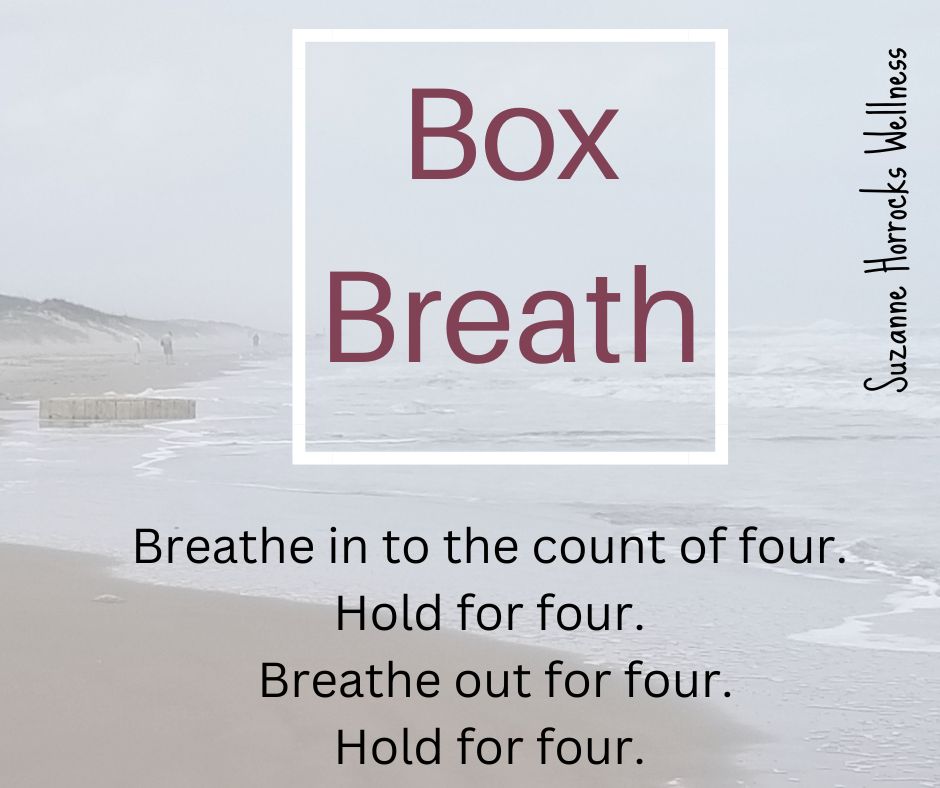
  • Inhale slowly through your nose for a count of four.
  • Hold that breath for a count of four.
  • Exhale slowly through your mouth for a count of four.
  • Repeat this cycle three to five times.

This simple “box breathing” technique can lower your heart rate, calm your nervous system, and bring you back to the present. It only takes one minute, but it can shift your entire mood.

Whenever you feel overwhelmed, anxious, or disconnected, come back to your breath. It’s always there, waiting to anchor you.


2. Gratitude Journaling: A Shift in Focus

It’s easy to focus on what’s missing in life—what didn’t get done, what’s gone wrong, or what we wish we had. But gratitude shifts the spotlight. It helps us see what’s already here and what’s working.

Here’s how to start a simple gratitude practice:

  • Get a notebook or open a notes app on your phone.
  • Every morning or evening, write down three things you’re thankful for.
  • They can be big (“My health”) or small (“The way my dog greeted me today”).

Some days, it might feel hard to find anything. On those days, start with the basics: a warm bed, running water, a kind smile from a stranger.

Writing it down makes it real. Over time, this habit trains your brain to look for the good—even on hard days.


3. One-Minute Mindfulness Moments

You don’t need to carve out a full hour to practice mindfulness. In fact, some of the most powerful moments happen in just 60 seconds.

Here are a few ideas:

  • Mindful Coffee: As you sip your morning coffee or tea, pause. Notice the warmth in your hands. The aroma. The taste. Let it be a quiet moment just for you.
  • Mindful Walks: Even if it’s just from your car to your front door, slow down. Feel your feet on the ground. Listen to the sounds around you. Let go of your to-do list for just a few steps.
  • Mindful Hand-Washing: Instead of rushing, feel the water, the soap, the sensation. These small pauses can turn routine into ritual.

4. The Magic of Being Where You Are

Have you ever read a page in a book and realized you didn’t absorb a single word? Or eaten an entire meal while scrolling your phone, barely tasting a bite?

We spend a lot of time disconnected from what we’re doing. Mindfulness invites us back.

You don’t have to change your life. Just change how you show up in it.

  • When you’re with someone, really listen.
  • When you eat, slow down and enjoy it.
  • When you walk, breathe deeply and look around.

These small acts are powerful. They remind us we’re alive—not just surviving, but living.


Why It Matters

Mindfulness won’t erase life’s challenges. But it will change the way you face them. It softens the edges of anxiety. It builds resilience. It creates space between what’s happening and how you choose to respond.

And perhaps most importantly, it helps you reconnect—to yourself, to the people around you, and to the beauty that still exists in the world, even on hard days.

You deserve moments of peace. You deserve to feel present in your own life. And you don’t need a retreat or a yoga mat to find it. Just a breath, a pause, a little gratitude—and a gentle willingness to begin.


Want More Like This?

If this message speaks to you, I invite you to explore more simple wellness practices on my blog. You can also follow me on Facebook and Pinterest for inspiration, tips, and encouragement for living a calmer, more connected life.

You don’t have to do it all. You just have to begin.


How to Create a Self-Care Routine That Actually Works

We’ve all heard the buzz about self-care. It’s everywhere—from social media posts to magazine covers. But if we’re being honest, most of us struggle to make self-care a consistent part of our lives. It often ends up as a last-minute face mask or a bubble bath squeezed in after a long day. While those moments can be soothing, they aren’t enough to truly recharge us.

Real self-care goes deeper. It’s about creating a routine that fits your life and actually leaves you feeling refreshed, not just temporarily pampered. Let’s break it down into practical steps so you can build a self-care routine that sticks.

Why Self-Care Matters

Before we dive into the how, let’s talk about why self-care is so important. It’s not just about feeling good in the moment—it’s about long-term wellness. Regular self-care helps lower stress, boost mood, and even improve physical health. It gives your mind and body the reset they need to function at their best.

Without it, burnout becomes more likely. You might feel irritable, exhausted, or overwhelmed without realizing you’ve been running on empty. Prioritizing yourself isn’t selfish—it’s essential.

Step 1: Define What Self-Care Means to You

Self-care looks different for everyone. For some, it’s about quiet time with a book. For others, it’s a brisk walk or a creative hobby. The key is to figure out what genuinely makes you feel recharged.

Start by asking yourself:

  • When do I feel most relaxed or fulfilled?
  • What activities make me lose track of time in a good way?
  • What do I often wish I had more time for?

Jot down your answers. These clues will help you build a routine based on activities that truly fill your cup, rather than ones you think you “should” be doing.

Step 2: Choose Small, Consistent Habits

The biggest mistake people make with self-care is going too big, too fast. It’s tempting to plan an elaborate routine filled with yoga, journaling, and meditation. But if it’s not realistic for your lifestyle, it won’t last.

Instead, focus on small, doable habits you can stick with. For example:

  • If you’re busy: Try a 5-minute stretch in the morning or a short breathing exercise before bed.
  • If you have more flexibility: Schedule a weekly creative hour, nature walk, or self-care Sunday.
  • If you feel overwhelmed: Start with one self-care habit. Once it becomes a regular part of your routine, add another.

Consistency is more powerful than intensity. A little self-care daily is better than an all-out self-care day once a month.

Step 3: Set Boundaries Around Your Self-Care Time

Protecting your self-care time is just as important as creating it. Without clear boundaries, it’s easy for other responsibilities to creep in.

Try these tips:

  • Block it off on your calendar like any other appointment.
  • Tell your family or roommates when you’ll be unavailable.
  • Silence notifications during your self-care time.

Think of it as a non-negotiable part of your schedule. When you treat it like a priority, others will, too.

Step 4: Mix It Up When You Need To

Even the best routines can start to feel stale. If your self-care practice feels like another chore, it’s time to switch things up.

You can:

  • Try a new activity, like a dance class or painting.
  • Take your self-care outdoors—nature has a natural stress-relieving effect.
  • Add a social element, like inviting a friend for a walk or coffee.

Keeping your self-care routine fresh will prevent it from becoming just another box to check.

Step 5: Be Flexible with Yourself

Life happens. Some days, your self-care routine might go out the window—and that’s okay. Self-care isn’t about being perfect. It’s about being kind to yourself.

If you miss a day or your routine falls off track, don’t abandon it. Simply pick it back up when you can. The goal is progress, not perfection.

Simple Self-Care Ideas You Can Start Today

If you’re not sure where to begin, here are some easy self-care activities you can incorporate right away:

  • Morning stretch or light yoga to wake up your body.
  • Five minutes of deep breathing during a stressful moment.
  • A short, tech-free walk to clear your head.
  • A mini creative session—doodle, write, or play an instrument.
  • Unplug for an hour before bed for better sleep.

These small but powerful habits can add up to a healthier, happier you.

Final Thoughts

Creating a self-care routine that actually works doesn’t have to be complicated. The secret is to keep it simple, consistent, and personal. Choose activities that nourish you, set boundaries around your self-care time, and be flexible when life gets messy.

Most importantly, remember that self-care isn’t selfish—it’s necessary. When you care for yourself, you have more energy, patience, and compassion for everything and everyone else in your life. So, take a breath, give yourself permission to slow down, and make self-care a lasting part of your life.

If you found these tips helpful, share this post with a friend who could use a little more self-care in their life!

When You Know What to Do, But Your Brain Won’t Let You


Have you ever known exactly what you should do to feel better, but you just can’t seem to do it? You tell yourself to go for a walk, reach out to a friend, drink some water, or finally make that therapy appointment—but instead, you sit there, stuck.

If this sounds familiar, you’re not alone.

Mental health struggles can feel like a paradox. You might have all the knowledge, all the tools, and even a plan—but when it comes time to take action, something inside holds you back. It’s frustrating. It’s exhausting. And worst of all, it can make you feel like you’re failing.

But here’s the truth: You’re not failing. Your brain is struggling.

Why Does This Happen?

When we talk about mental health, we often focus on solutions—exercise, mindfulness, therapy, routines. But when your brain is in survival mode, those solutions can feel impossible.

Here’s why:

  • Your brain sees everything as too much. When you’re overwhelmed, even small tasks can feel like climbing a mountain. Your brain isn’t trying to be difficult—it’s just stuck in a loop of exhaustion.
  • Low motivation isn’t laziness. Depression, anxiety, and stress can make even basic tasks feel like monumental efforts. It’s not that you don’t want to help yourself—you just can’t find the energy.
  • Your mind can work against you. Sometimes, mental health struggles come with a voice that whispers, What’s the point? It won’t help anyway. That voice isn’t the truth—it’s just a symptom of what you’re going through.

So, What Can You Do?

If you’re in this place, you don’t need a long list of “fixes.” You need small, doable steps that help you move forward without feeling overwhelmed.

1. Shrink the Task

If something feels too big, make it smaller. Instead of “I should clean my house,” try “I’ll pick up one thing.” Instead of “I need to exercise,” try “I’ll stretch for 30 seconds.”

Momentum starts with the smallest step. And when you take one, your brain starts to believe you can take another.

2. Talk to Yourself Like a Friend

If someone you loved was struggling, you wouldn’t tell them they’re lazy or failing. So why say that to yourself? Try, I know this is hard, but I’m doing my best today.

3. Remove the Pressure

Sometimes, the weight of “I have to do this” makes everything harder. What if, instead, you told yourself, I don’t have to do it all, but I can try one thing?

Giving yourself permission to do less can actually help you do more.

4. Reach Out in the Easiest Way Possible

If talking feels like too much, send a text. If a phone call feels overwhelming, message a friend with just a simple “Hey.” You don’t have to explain everything—you just have to break the silence.

5. Let Someone Else Help You Decide

When your brain is stuck, decision-making can feel impossible. Ask someone you trust: What’s one thing I could do today to feel just a little better? Sometimes, an outside perspective makes all the difference.

You’re Not Broken—You’re Just Struggling

It’s easy to feel like you should be able to think your way out of this. But mental health doesn’t work that way. Healing isn’t about forcing yourself to be “better”—it’s about meeting yourself where you are and taking steps, even tiny ones, toward feeling okay again.

And if you take nothing else from this, remember: Struggling doesn’t mean you’re failing. It just means you need support.

So if your brain is making everything feel impossible today, try one small step. Just one. It doesn’t have to be perfect. It just has to be something.

And if today isn’t the day? That’s okay too. Tomorrow is another chance.